
Chronic Inflammation: The Silent Killer of Stem Cell Vitality
Updated May 2026
Systemic inflammation, often driven by diet and lifestyle, leads to premature stem cell senescence. Discover how 'inflammaging' prevents the body from repairing itself effectively over time.
Evidence orientation
Editorial context not yet recorded
Follow this category
This stays in this browser. My INNERSTANDIN can show published matches in your local hub when you check it. It does not send email, push, or alert notifications.
Local learning review
A private browser aid for revisiting ideas. It is not an alert or a health recommendation.
Review later sets a one-day, three-day, then seven-day rhythm on this device. Choose it only when you want to revisit this article.
Overview
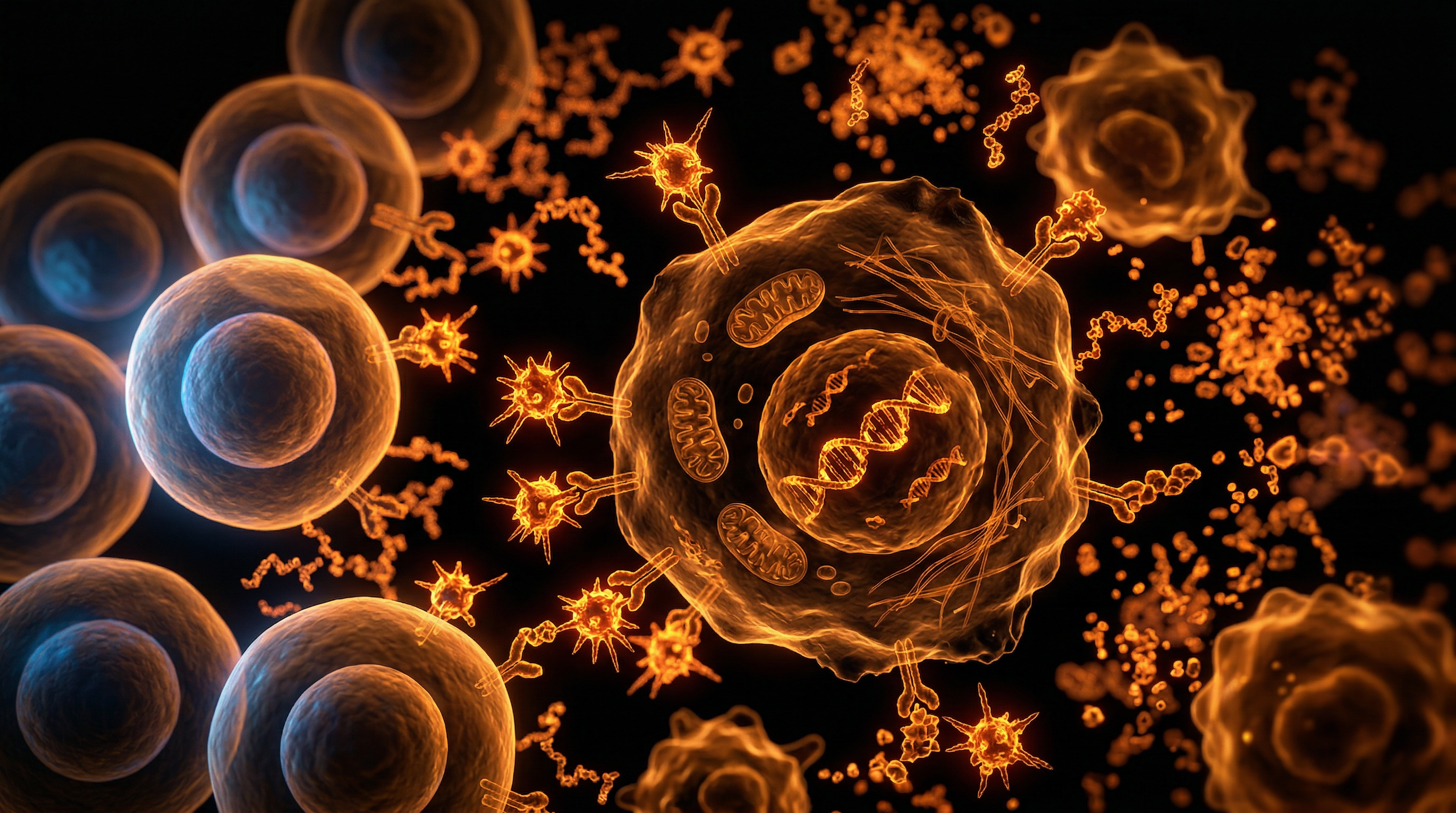
In the hushed corridors of modern medicine, a paradigm shift is occurring. We have long viewed ageing as an inevitable, programmed decay—a slow march toward the exhaustion of our biological systems. However, as we delve deeper into the molecular architecture of human longevity, a more sinister protagonist emerges: Chronic Systemic Inflammation. Far from being a mere symptom of age, it is the primary driver of it. At the heart of this decay lies the destruction of our most precious biological asset: the Stem Cell.
Stem cells are the body’s internal repair kit. They possess the unique ability to differentiate into various specialised cell types, from cardiomyocytes in the heart to neurons in the brain. In a state of youth and health, these cells remain in a state of quiescence (dormancy), waiting for the signal to repair damaged tissue. Yet, in the modern world, a relentless barrage of environmental, dietary, and psychological triggers has ignited a "silent fire" within our tissues.
This state, now scientifically termed 'Inflammaging', acts as a corrosive force. It does not kill stem cells outright; instead, it prematurely ages them, forcing them into a state of permanent "retirement" known as senescence. When our stem cells lose their vitality, we lose our ability to regenerate. The result is not just the appearance of wrinkles, but the structural collapse of our organs and the rise of chronic degenerative diseases. This article explores the hidden mechanics of how inflammation hijacks our regenerative potential and what must be done to reclaim our biological sovereignty.
Callout Fact: It is estimated that chronic inflammatory diseases contribute to more than 50% of all deaths worldwide, primarily by exhausting the regenerative capacity of endogenous stem cell pools.
The Biology — How It Works
To understand how inflammation kills stem cell vitality, we must first understand the Stem Cell Niche. Stem cells do not exist in isolation; they reside in highly specialised microenvironments that provide the oxygen, nutrients, and chemical signals required for their survival.
The Stem Cell Niche: A Fragile Ecosystem
The niche acts as a protective "bunker." It keeps stem cells in a state of quiescence, protecting their DNA from the oxidative stress of active metabolism. When the body is injured, the niche sends out chemical messengers—cytokines and growth factors—that tell the stem cell to wake up, divide, and repair the damage.
The Inflammatory Hijack
In a healthy individual, inflammation is an acute response. You cut your finger; the area becomes red and swollen (inflammation); the stem cells are recruited; the wound heals; the inflammation subsides. This is the Acute Phase.
However, in the modern landscape, the "off switch" for inflammation has been broken. Due to factors we will explore later, the body remains in a state of low-grade, persistent alarm. This Chronic Inflammation floods the stem cell niche with pro-inflammatory cytokines such as Tumour Necrosis Factor-alpha (TNF-α) and Interleukin-6 (IL-6).
From Quiescence to Exhaustion
When a stem cell niche is bathed in chronic inflammatory signals, the stem cells are forced out of their protective dormancy prematurely. They are "tricked" into thinking there is a constant emergency. They begin to divide unnecessarily, leading to Stem Cell Exhaustion. Every time a cell divides, its telomeres—the protective caps on the ends of chromosomes—shorten. Eventually, the telomeres become too short, and the stem cell enters senescence. It is no longer a repair cell; it is a "zombie cell."
Mechanisms at the Cellular Level
The transition from a vibrant, regenerative stem cell to a senescent, inflammatory burden involves several complex biochemical pathways. Understanding these is crucial for anyone seeking to halt the ageing process.
The NF-κB Pathway: The Master Switch
The NF-κB (Nuclear Factor kappa-light-chain-enhancer of activated B cells) protein complex is the primary regulator of the inflammatory response. In a healthy state, NF-κB remains inactive in the cytoplasm. However, chronic triggers (like high blood sugar or toxins) activate this pathway. Once activated, NF-κB enters the nucleus and turns on genes that produce even more inflammatory cytokines. For stem cells, persistent NF-κB activation is a death knell, as it directly promotes the transition into senescence.
The NLRP3 Inflammasome
Deep within our cells, a protein complex called the NLRP3 Inflammasome acts as a molecular "smoke detector." It detects "danger signals"—ranging from uric acid crystals to microplastics. When triggered, the inflammasome activates Caspase-1, which leads to the release of IL-1β, one of the most potent inhibitors of stem cell function. Over-activation of the NLRP3 inflammasome is now linked to the depletion of Mesenchymal Stem Cells (MSCs) in the bone marrow.
SASP: The Zombie Effect
Perhaps the most terrifying mechanism is the Senescence-Associated Secretory Phenotype (SASP). When a stem cell becomes senescent due to chronic inflammation, it doesn't just stop working. It becomes hyper-active in the worst possible way. It begins to secrete its own cocktail of inflammatory poisons, effectively "infecting" neighbouring healthy stem cells and turning them senescent as well.
- Pro-inflammatory Cytokines: (IL-1, IL-6, IL-8) which spread inflammation.
- Chemokines: Which recruit immune cells that cause further tissue damage.
- Matrix Metalloproteinases (MMPs): Enzymes that break down the physical structure of the stem cell niche.
Mitochondrial Dysfunction and ROS
Chronic inflammation leads to the overproduction of Reactive Oxygen Species (ROS) within the mitochondria of stem cells. While small amounts of ROS act as signalling molecules, the "oxidative stress" caused by chronic inflammation damages the stem cell’s DNA and proteins. This creates a vicious cycle: damaged mitochondria produce more ROS, which triggers more inflammation, which further damages the mitochondria.
Key Term: Mitophagy – The process by which cells clear out damaged mitochondria. Chronic inflammation inhibits mitophagy, leading to a buildup of "toxic" mitochondria within our stem cell populations.
Environmental Threats and Biological Disruptors
Why is chronic inflammation so prevalent today compared to a century ago? The answer lies in our "mismatch" with the modern environment. Our biology is ancient, yet we live in a world of synthetic novelty.
Ultra-Processed Foods (UPFs) and Glycation
In the UK and other Western nations, over 50% of the diet consists of Ultra-Processed Foods. These "edible food-like substances" are high in refined sugars and industrial seed oils (omega-6 fatty acids).
- Advanced Glycation End-products (AGEs): When blood sugar is chronically high, sugar molecules "caramelise" proteins in the body, creating AGEs. These compounds bind to the RAGE (Receptor for AGEs) on stem cells, directly triggering the NF-κB inflammatory pathway.
The Microbiome-Stem Cell Axis
Our gut is home to trillions of bacteria that regulate our immune system. Intestinal Permeability (or "Leaky Gut"), driven by poor diet, alcohol, and antibiotics, allows bacterial toxins like Lipopolysaccharides (LPS) to enter the bloodstream. LPS is a massive trigger for systemic inflammation. Research shows that circulating LPS can reach the bone marrow, where it directly impairs the ability of Hematopoietic Stem Cells to produce healthy white blood cells.
Xenobiotics and Endocrine Disruptors
We are swimming in a sea of synthetic chemicals. Bisphenol A (BPA) from plastics, Glyphosate from industrial agriculture, and PFAS (forever chemicals) mimic hormones and disrupt the delicate chemical balance of the stem cell niche. These "xenobiotics" are often stored in fatty tissue, where they provide a constant, low-grade inflammatory stimulus to the stem cells residing there.
Circadian Disruption
Stem cells follow a strict circadian rhythm. They divide and repair at specific times of the day, governed by the light-dark cycle. Modern "blue light" exposure at night and erratic sleep patterns disrupt the production of Melatonin. Melatonin is not just a sleep hormone; it is a potent antioxidant that protects stem cells from inflammatory damage during the night. Without it, stem cell vitality withers.
The Cascade: From Exposure to Disease
The erosion of stem cell vitality by inflammation is not a vague concept; it manifests as the primary driver of the "Diseases of Civilisation."
Neurodegeneration: The Brain’s Stem Cells
The brain contains Neural Stem Cells in the hippocampus, responsible for memory and cognitive flexibility. Chronic neuro-inflammation, driven by systemic issues, activates the brain’s immune cells (Microglia). These microglia, when over-activated, destroy the neural stem cell niche. This leads to the cognitive decline seen in Alzheimer’s and Parkinson’s—diseases that are essentially a failure of brain regeneration.
Cardiovascular Collapse
Endothelial Progenitor Cells (EPCs) are the stem cells responsible for repairing the linings of our blood vessels. Chronic inflammation (often measured by C-Reactive Protein or CRP) prevents these EPCs from migrating to sites of vascular damage. Instead of the artery being repaired, it becomes "patched" with cholesterol and calcium, leading to atherosclerosis and heart attacks.
Sarcopenia and Frailty
The loss of muscle mass with age (Sarcopenia) is largely a result of the failure of Satellite Cells (muscle stem cells). Chronic inflammation makes these cells "deaf" to the signals for growth and repair. No matter how much protein an elderly person eats, if their systemic inflammation is high, their stem cells cannot rebuild the muscle.
Statistic: Individuals with high levels of IL-6 and CRP are three times more likely to experience rapid muscle loss and frailty over a ten-year period than those with low levels.
What the Mainstream Narrative Omits
The current medical orthodoxy is designed to treat the downstream effects of stem cell exhaustion rather than the upstream cause of inflammation. There are several reasons for this silence.
The "Sick-Care" Business Model
The pharmaceutical industry is built on the management of chronic conditions, not their resolution. Statins for heart disease, Metformin for diabetes, and Donepezil for Alzheimer’s all manage symptoms. If we were to address the root cause—stem cell senescence driven by metabolic inflammation—we would effectively "cure" multiple diseases simultaneously. This would disrupt a trillion-dollar market.
The Myth of "Normal Ageing"
Mainstream medicine often dismisses inflammatory markers in older patients as "normal for their age." This is a dangerous fallacy. Just because a condition is common does not mean it is normal. By accepting high levels of inflammation as an inevitability, the medical establishment fails to intervene when the stem cell pools are still salvageable.
The Suppression of Nutritional Biochemistry
Medical schools provide notoriously little education on nutrition and its impact on molecular biology. The fact that specific Phytonutrients and Metabolic States (like ketosis) can modulate the NLRP3 inflammasome and protect stem cells is often relegated to the realm of "alternative medicine," despite robust peer-reviewed evidence.
The UK Context
In the United Kingdom, we face a unique set of challenges regarding inflammation and stem cell health. The British population has some of the highest rates of obesity and metabolic syndrome in Europe, which are the primary drivers of inflammaging.
The NHS Burden
The National Health Service (NHS) is currently buckling under the weight of chronic, age-related diseases. Much of this spend is directed towards managing the end-stage results of stem cell failure. For example, the cost of treating type 2 diabetes and its complications in the UK is approximately £10 billion per year. Type 2 diabetes is, at its core, an inflammatory disease that destroys the Pancreatic Beta-Cell niche.
The British Diet and "Food Deserts"
The UK has the highest consumption of ultra-processed foods in Europe. In many British cities, "food deserts" mean that residents have easy access to inflammatory "takeaways" and convenience stores but limited access to the fresh, antioxidant-rich produce required to quench systemic fires.
Regulatory Failures
The UK's regulatory environment regarding food additives and industrial chemicals is often influenced by corporate lobbying. Many pesticides and emulsifiers that are known to trigger intestinal inflammation remain in the UK food chain, despite being restricted in other jurisdictions. This creates a "baseline" of inflammation for the average UK citizen that constantly erodes their regenerative potential.
Protective Measures and Recovery Protocols
While the picture may seem bleak, the "plasticity" of our stem cell system is remarkable. It is possible to quench the fire of inflammation and "re-awaken" our dormant repair cells.
1. The Power of Hormesis
Hormesis is the biological phenomenon where a brief, controlled stressor triggers a massive protective response.
- Thermal Stress: Using saunas (heat) or cold plunges (cold) triggers Heat Shock Proteins and Cold Shock Proteins. These proteins act as "molecular chaperones," repairing damaged proteins within stem cells and reducing NF-κB activation.
- Exercise: High-Intensity Interval Training (HIIT) specifically has been shown to clear out senescent cells and stimulate the bone marrow to release fresh Mesenchymal Stem Cells.
2. Autophagy and Intermittent Fasting
When we stop eating for 16-24 hours, our body enters a state of Autophagy ("self-eating"). This is a cellular "spring cleaning" where the body breaks down damaged mitochondria and misfolded proteins within stem cells. Fasting also reduces levels of circulating IGF-1 and Insulin, both of which can drive stem cell exhaustion when chronically elevated.
3. Natural Senolytics: Clearing the "Zombies"
Certain plant-derived compounds, known as Senolytics, can selectively induce death in "zombie" senescent cells while leaving healthy stem cells untouched.
- Quercetin (found in red onions and capers)
- Fisetin (found in strawberries)
- Piperlongumine (found in long pepper)
Research suggests that periodic "cleansing" with these compounds can rejuvenate the stem cell niche and reduce the SASP burden.
4. Nutrients for Niche Protection
- Omega-3 Fatty Acids (EPA/DHA): Essential for resolving inflammation. They produce "Resolvins," which actively turn off the inflammatory response.
- Vitamin D3 and K2: Crucial for maintaining the integrity of the bone marrow niche.
- Magnesium: A co-factor for over 300 enzymatic reactions, many of which involve DNA repair in stem cells.
5. Microbiome Restoration
To stop the influx of LPS, one must heal the gut. This involves removing inflammatory triggers (UPFs, alcohol) and introducing Fermented Foods (Kefir, Sauerkraut) and Polyphenols (Blueberries, Green Tea) which feed the beneficial bacteria that produce Short-Chain Fatty Acids (SCFAs) like Butyrate. Butyrate is a powerful epigenetic regulator that keeps stem cells healthy.
Summary: Key Takeaways
The vitality of our stem cells is the ultimate currency of our health. Chronic inflammation is the thief that steals this currency, leading to a state of "biological bankruptcy" we call old age. To protect ourselves, we must move beyond the mainstream narrative of "symptom management" and take radical responsibility for our internal environment.
- Inflammaging is the primary driver of stem cell senescence and the exhaustion of our body's repair mechanisms.
- The NF-κB and NLRP3 pathways are the molecular triggers that turn healthy stem cells into pro-inflammatory "zombies" via the SASP.
- Modern environmental threats—from Ultra-Processed Foods to Circadian Disruption—keep our bodies in a state of perpetual inflammatory alarm.
- The UK context highlights a population under siege by metabolic dysfunction, placing an unsustainable burden on the NHS.
- Recovery is possible through Hormetic Stressors, Intermittent Fasting, and the use of Natural Senolytics to clear out damaged cells.
True regenerative medicine does not begin in a laboratory with expensive injections; it begins in the choices we make every day to quench the "silent fire" within. By protecting our stem cell vitality, we don't just add years to our life; we add life to our years. We move from a state of decay to a state of constant, vibrant renewal. This is the essence of INNERSTANDING.
This article is provided for informational and educational purposes only. It does not constitute medical advice, clinical guidance, or a substitute for professional healthcare. Information reflects cited research at time of publication. Always consult a qualified healthcare professional before acting on any health information.
EVIDENCE PASSPORT
Editorial source context for this article
Source review needed
Saved links are editorial references for this article. They may support specific claims rather than every sentence. Open and assess each source in context. This passport does not independently verify them.
Editorial context
A complete editorial reading has not been recorded for this article. Source links remain available for you to open and assess directly.
Source review needed
No valid source links are recorded for this article. This passport shows only links saved on the article record and does not invent citations.
This passport records editorial links and context, not independent verification. Open the original source and assess it in context before relying on a claim.
Medical Disclaimer
The information in this article is for educational purposes only and does not constitute medical advice, diagnosis, or treatment. Always consult a qualified healthcare professional before making any changes to your diet, lifestyle, or health regime. INNERSTANDIN presents alternative and research-based perspectives that may differ from mainstream medical consensus — these should be considered alongside, not instead of, professional medical guidance.
Read Full DisclaimerContinue the thread
Keep this question moving.
Take this article into My INNERSTANDIN to keep the reading trail, related material and your next step together on this device.