
Mechanisms of Hematopoietic Stem Cell Aging: The Role of Mitochondrial Dysfunction and Oxidative Stress
An exploration of the biological drivers behind bone marrow aging, focusing on the transition from metabolic quiescence to oxidative damage and its impact on lifelong blood health and immunity.

# Mechanisms of Hematopoietic Stem Cell Aging: The Role of Mitochondrial Dysfunction and Oxidative Stress\n\nWithin the hollow cavities of our bones lies one of the most dynamic and essential systems in the human body: the hematopoietic system. At its apex sits the Hematopoietic Stem Cell (HSC), a rare and remarkable cell type tasked with the lifelong production of every red blood cell, white blood cell, and platelet in circulation. However, as we age, the efficiency of this system begins to decline. This process, known as hematopoietic aging, is not merely a passive accumulation of years but a complex biological shift driven by specific root causes. Chief among these are mitochondrial dysfunction and the resultant surge in oxidative stress.\n\nUnderstanding these mechanisms is vital for addressing the root causes of age-related immune decline, chronic inflammation (inflammaging), and the increased prevalence of blood-related malignancies in later life.\n\n## The Architecture of Hematopoiesis and the Quiescent State\n\nIn a healthy, young individual, the majority of HSCs reside in a state of 'quiescent' or deep sleep within the bone marrow niche.
This dormancy is a protective evolutionary strategy. By remaining inactive most of the time, HSCs minimize the risk of genetic mutations that occur during DNA replication and limit the metabolic byproducts of cellular respiration. When the body requires new blood cells—due to injury, infection, or normal turnover—these stem cells 'wake up,' proliferate, and differentiate into progenitor cells that eventually become specialized blood components.\n\nAs aging progresses, the ability of HSCs to maintain this state of quiescence becomes compromised. Instead of a controlled transition between dormancy and activity, aging HSCs often enter a state of chronic, low-grade activation or senescence, leading to a progressive loss of their self-renewal capacity.\n\n## Mitochondrial Dysfunction: The Metabolic Shift\n\nAt the heart of cellular aging lies the mitochondrion, the so-called 'powerhouse' of the cell. In young HSCs, energy production is primarily achieved through anaerobic glycolysis—a process that occurs in the cytoplasm and requires no oxygen.
This low-energy metabolic profile is perfectly suited for the oxygen-poor (hypoxic) environment of the bone marrow niche and helps keep Reactive Oxygen Species (ROS) to a minimum.\n\nHowever, as HSCs age, their metabolic profile shifts. There is an increasing reliance on mitochondrial oxidative phosphorylation (OXPHOS). While OXPHOS is a more efficient way to produce energy (ATP), it comes with a significant cost: the generation of ROS as a metabolic byproduct. \n\nThis shift is often driven by a breakdown in mitochondrial quality control. In young cells, a process called mitophagy identifies and recycles damaged mitochondria. In aging HSCs, mitophagy becomes sluggish, leading to an accumulation of 'leaky,' dysfunctional mitochondria that produce excessive amounts of superoxide and hydrogen peroxide.
This metabolic 'reprogramming' is a hallmark of the aging stem cell, fundamentally altering its signaling pathways and genetic expression.\n\n## Oxidative Stress: The Molecular Erosion of Stem Cells\n\nOxidative stress occurs when the production of ROS outpaces the cell’s antioxidant defense mechanisms. In the context of the bone marrow, ROS acts as a double-edged sword. At very low levels, ROS serves as a signaling molecule that helps regulate cell growth. However, when levels rise due to mitochondrial dysfunction, ROS becomes a destructive force.\n\nHigh levels of oxidative stress trigger several detrimental processes in HSCs:\n\n1. DNA Damage and Genomic Instability: ROS can directly damage the DNA within the stem cell. While cells have repair mechanisms, the constant barrage of oxidative hits leads to mutations.
If these mutations occur in genes that regulate cell growth, it can lead to clonal hematopoiesis—where a single mutant stem cell dominates the blood production, increasing the risk of leukemia.\n\n2. Epigenetic Alterations: Oxidative stress influences the 'switches' that turn genes on and off. In aging HSCs, these epigenetic changes often lead to the silencing of genes required for lymphoid development (the branch of the immune system responsible for T-cells and B-cells) and the activation of genes that favor myeloid development.\n\n3. Loss of Niche Integrity: The bone marrow niche itself is sensitive to oxidative stress. ROS can damage the stromal cells and blood vessels that support HSCs, further degrading the environment necessary for stem cell health.\n\n## The Clinical Consequence: Myeloid Bias and Immunosenescence\n\nPerhaps the most significant functional outcome of mitochondrial-driven aging in the bone marrow is 'myeloid bias.' As we age, the pool of HSCs shifts its output. Instead of producing a balanced ratio of immune cells, the marrow begins to over-produce myeloid cells (such as neutrophils and monocytes) at the expense of lymphoid cells (lymphocytes).\n\nThis shift results in two major health challenges:\n\n* Immunosenescence: A weakened adaptive immune system that is less capable of responding to new pathogens or vaccines. This is why older adults are often more susceptible to viral infections and have a diminished response to immunization.\n\n* Chronic Inflammation: Myeloid cells are primary drivers of the innate immune response and inflammation.

Peptides, one of the secret Russian military health marvels, now available. 40 years research
Harness the restorative power of bioregulator peptides, a breakthrough in cellular science designed to support specific organ health and longevity. These short-chain amino acids act as biological messengers, helping to restore optimal protein synthesis and systemic balance.
Vetting Notes
Pending
An overabundance of these cells contributes to a state of systemic, low-grade inflammation, which is a root driver of cardiovascular disease, neurodegeneration, and metabolic syndrome.\n\n## Root-Cause Perspectives: Addressing the Aging Clock\n\nFrom a root-cause perspective, the goal is not merely to treat the symptoms of aging blood but to preserve the metabolic integrity of the HSCs. Research is currently investigating several avenues to mitigate mitochondrial dysfunction and oxidative stress in the bone marrow:\n\n* NAD+ Augmentation: Nicotinamide Adenine Dinucleotide (NAD+) is a coenzyme essential for mitochondrial function and DNA repair. Levels of NAD+ naturally decline with age. Supplementing with precursors has shown promise in animal models for restoring mitochondrial efficiency and rejuvenating aged HSCs.\n\n* Sirtuin Activation: Sirtuins are a family of proteins that regulate cellular health and aging. They are heavily dependent on NAD+.
Activating sirtuin pathways can improve the cell’s ability to handle oxidative stress and enhance mitophagy.\n\n* Antioxidant Defense: While general antioxidant supplementation has seen mixed results, targeted molecules that specifically enter the mitochondria (mitochondrial-targeted antioxidants) are being studied for their ability to neutralize ROS at the source without disrupting essential cellular signaling.\n\n## Conclusion\n\nThe aging of our blood is a foundational element of the aging of our entire body. By focusing on the mechanisms of mitochondrial dysfunction and the resulting oxidative stress, we move closer to understanding how to maintain the vitality of the hematopoietic stem cell. Preserving the 'metabolic silence' of these cells and ensuring robust mitochondrial quality control are the keys to sustaining a resilient immune system and healthy blood production throughout the human lifespan.
This article is provided for informational and educational purposes only. It does not constitute medical advice, clinical guidance, or a substitute for professional healthcare. Information reflects cited research at time of publication. Always consult a qualified healthcare professional before acting on any health information.
RESEARCH FOUNDATIONS
Biological Credibility Archive
Citations provided for educational reference. Verify via PubMed or institutional databases.
Medical Disclaimer
The information in this article is for educational purposes only and does not constitute medical advice, diagnosis, or treatment. Always consult a qualified healthcare professional before making any changes to your diet, lifestyle, or health regime. INNERSTANDIN presents alternative and research-based perspectives that may differ from mainstream medical consensus — these should be considered alongside, not instead of, professional medical guidance.
Read Full DisclaimerReady to learn more?
Continue your journey through our classified biological research.
DISCUSSION ROOM
Members of THE COLLECTIVE discussing "Mechanisms of Hematopoietic Stem Cell Aging: The Role of Mitochondrial Dysfunction and Oxidative Stress"
SILENT CHANNEL
Be the first to discuss this article. Your insight could help others understand these biological concepts deeper.
THE ARSENAL
Based on Bone Marrow Health & Haematopoiesis — products curated by our research team for educational relevance and biological support.
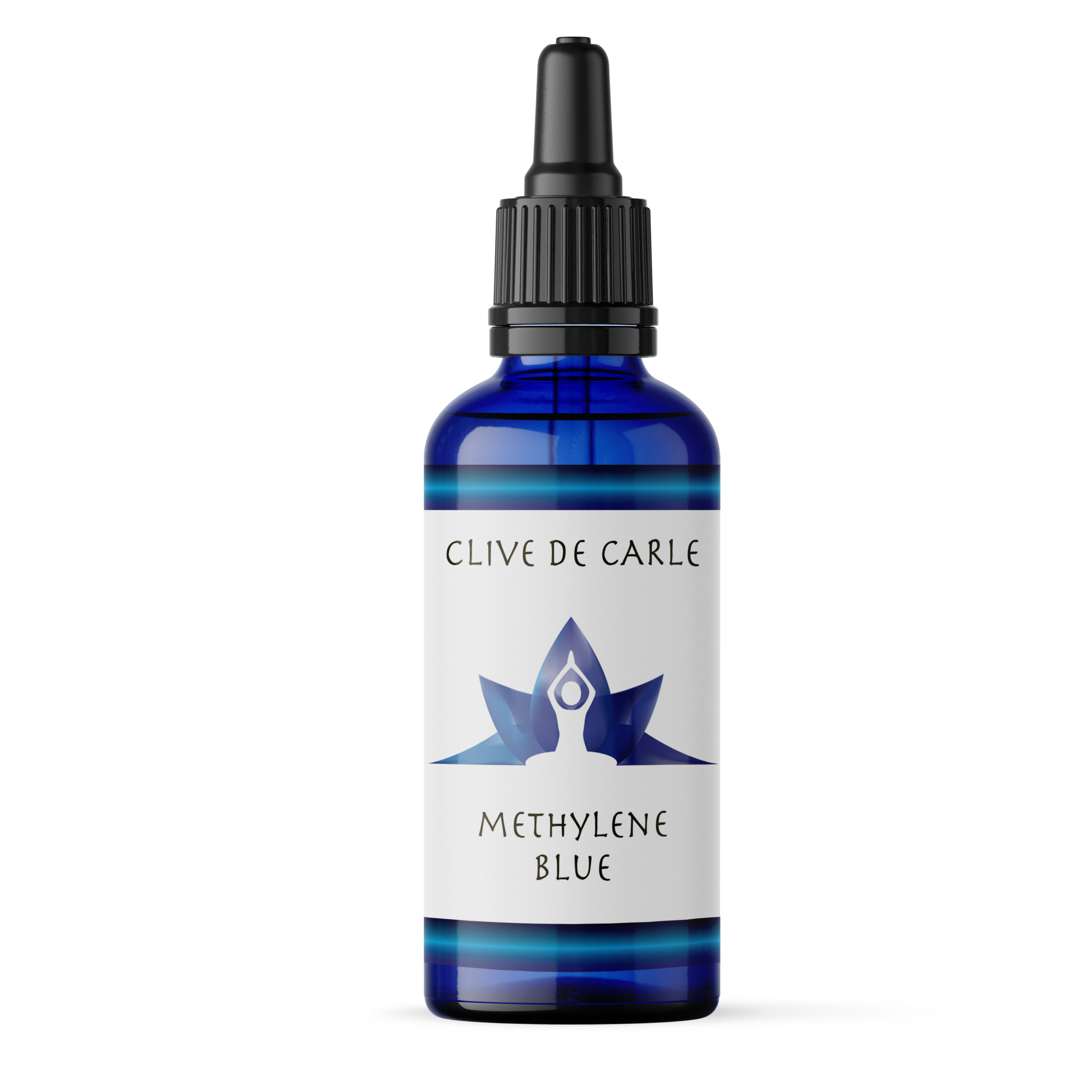
Methylene Blue – Advanced Cellular Chemistry
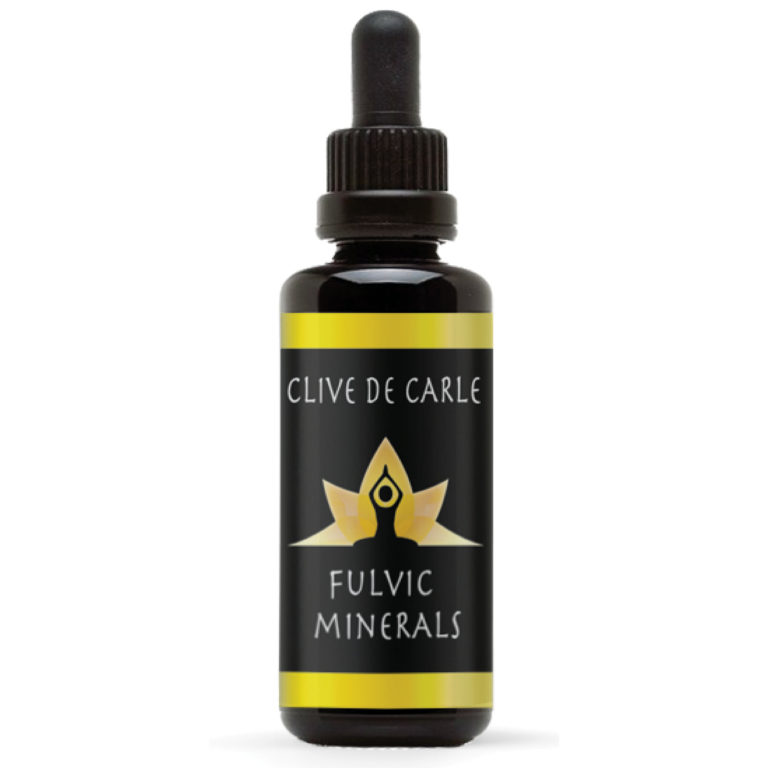
Fulvic Minerals – Natural Rare Earth Minerals. The essential trace elements missing from modern processed foods.
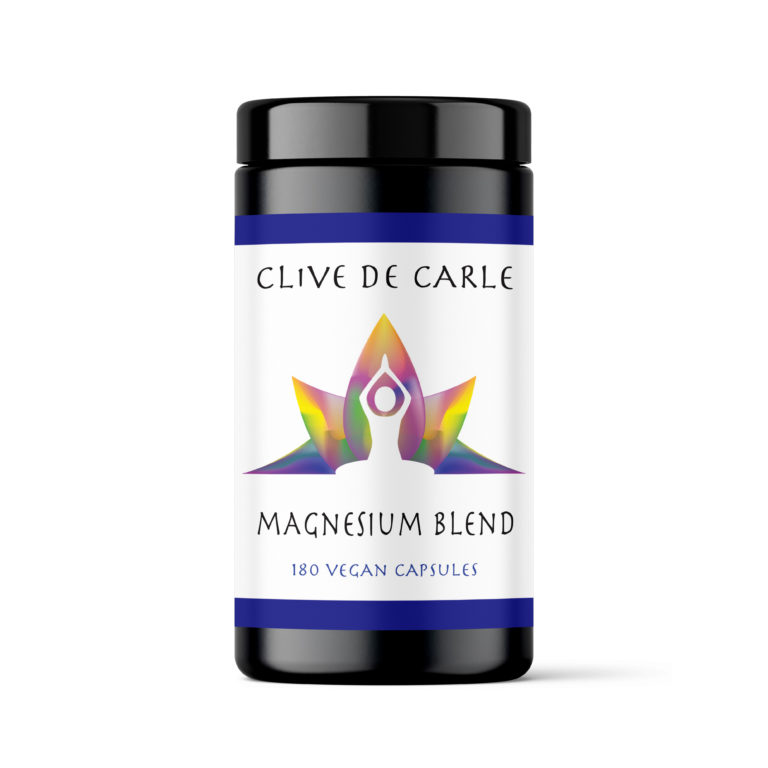
Magnesium Blend – The Most Important Mineral
INNERSTANDING may earn a commission on purchases made through these links. All products are selected based on rigorous educational relevance to our biological research.
RABBIT HOLE
Follow the biological thread deeper