
The Sarcopenia Paradox: Why GLP-1 Weight Loss Isn't Always Health
Published April 2026
Weight loss is not always health; this article exposes how GLP-1 drugs can trigger significant muscle wasting, leading to a suppressed metabolic rate and long-term functional decline.
Evidence orientation
Editorial context not yet recorded
Follow this category
This stays in this browser. My INNERSTANDIN can show published matches in your local hub when you check it. It does not send email, push, or alert notifications.
Local learning review
A private browser aid for revisiting ideas. It is not an alert or a health recommendation.
Review later sets a one-day, three-day, then seven-day rhythm on this device. Choose it only when you want to revisit this article.
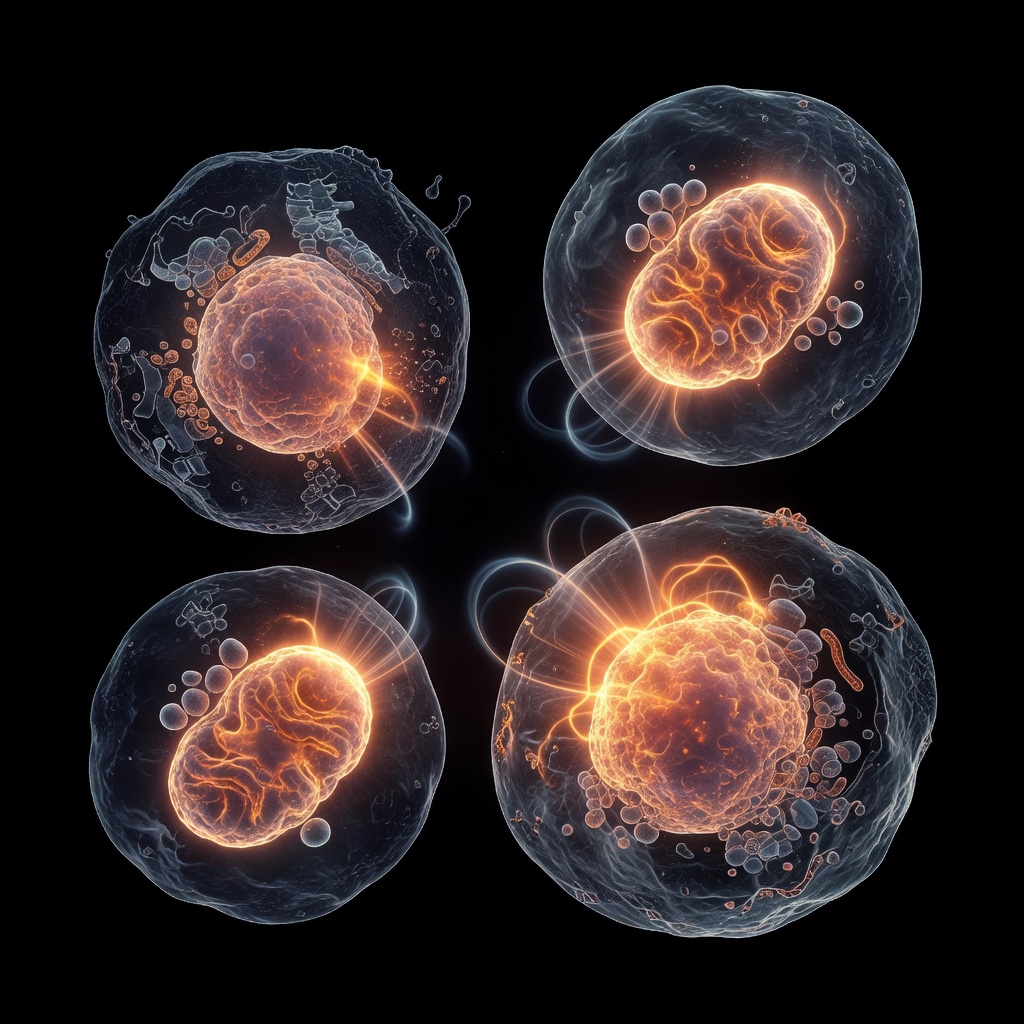
THE RATIO OF ADIPOSE TO MYOFIBRIL LOSS. The most alarming trend in the current GLP-1 gold rush is the 'Sarcopenia Trap.' Sarcopenia, typically a condition of the elderly, is the pathological loss of skeletal muscle mass and function. Clinical trials for semaglutide have revealed that a significant portion of the weight lost—up to 40% in some cohorts—comes from lean body mass rather than adipose tissue. From an evidence-based perspective, this is a metabolic disaster. Muscle is the body's primary site for glucose disposal and the main driver of the basal metabolic rate (BMR).
When an individual loses ten kilograms of weight but four of those are muscle, their metabolic 'engine' shrinks. Mainstream medicine celebrates the lower number on the scale, but fails to account for the fact that the individual is now biologically 'older' and more metabolically fragile than when they started. BASAL METABOLIC RATE SUPPRESSION. The mechanism behind this muscle loss is two-fold: profound caloric restriction and a systemic shift in nitrogen balance. GLP-1 drugs induce such high levels of satiety that users often fall into a massive caloric deficit, frequently failing to consume adequate protein to maintain muscle protein synthesis (MPS).
Without the mechanical stimulus of resistance training and the chemical stimulus of amino acids, the body enters a catabolic state. As muscle mass drops, the BMR follows suit. This creates a physiological trap where the individual must eat progressively less just to maintain their new lower weight. It is the definition of a 'skinny fat' phenotype, where the body fat percentage may remain high even as total weight drops, leading to poor functional outcomes and increased risk of frailty. THE MITOCHONDRIAL COST.
Beyond the visible muscle, we must consider the mitochondrial health of the remaining tissue. Rapid weight loss via GLP-1 pathways does not always allow for the metabolic adaptation required to preserve mitochondrial density. Muscle is not just for movement; it is an endocrine organ that secretes myokines, which reduce systemic inflammation. By sacrificing muscle mass for the sake of a thinner silhouette, patients are trading long-term structural integrity for short-term aesthetic gain. To avoid this trap, the intelligent approach must prioritize high-protein intake and hypertrophic stimulus, yet these are rarely the primary focus of the quick-fix weight loss clinics popping up across the UK.
THE CONSEQUENCES OF FUNCTIONAL DECLINE. For adults over 40, muscle mass is the primary predictor of longevity and quality of life. The investigative truth of GLP-1 drugs is that they may be accelerating the aging process of the musculoskeletal system while fixing the metabolic markers of the adipose system. This imbalance is a looming public health crisis that mainstream headlines are currently ignoring in favour of 'miracle' narratives.
This article is provided for informational and educational purposes only. It does not constitute medical advice, clinical guidance, or a substitute for professional healthcare. Information reflects cited research at time of publication. Always consult a qualified healthcare professional before acting on any health information.
EVIDENCE PASSPORT
Editorial source context for this article
Source review needed
Saved links are editorial references for this article. They may support specific claims rather than every sentence. Open and assess each source in context. This passport does not independently verify them.
Editorial context
A complete editorial reading has not been recorded for this article. Source links remain available for you to open and assess directly.
Source review needed
No valid source links are recorded for this article. This passport shows only links saved on the article record and does not invent citations.
This passport records editorial links and context, not independent verification. Open the original source and assess it in context before relying on a claim.
Medical Disclaimer
The information in this article is for educational purposes only and does not constitute medical advice, diagnosis, or treatment. Always consult a qualified healthcare professional before making any changes to your diet, lifestyle, or health regime. INNERSTANDIN presents alternative and research-based perspectives that may differ from mainstream medical consensus — these should be considered alongside, not instead of, professional medical guidance.
Read Full DisclaimerContinue the thread
Keep this question moving.
Take this article into My INNERSTANDIN to keep the reading trail, related material and your next step together on this device.
Explore this in the Body Map
See where this hits your biology. Interactive anatomy, threats, and protective protocols.