mTOR: The Master Growth Switch Linking Diet to Cancer
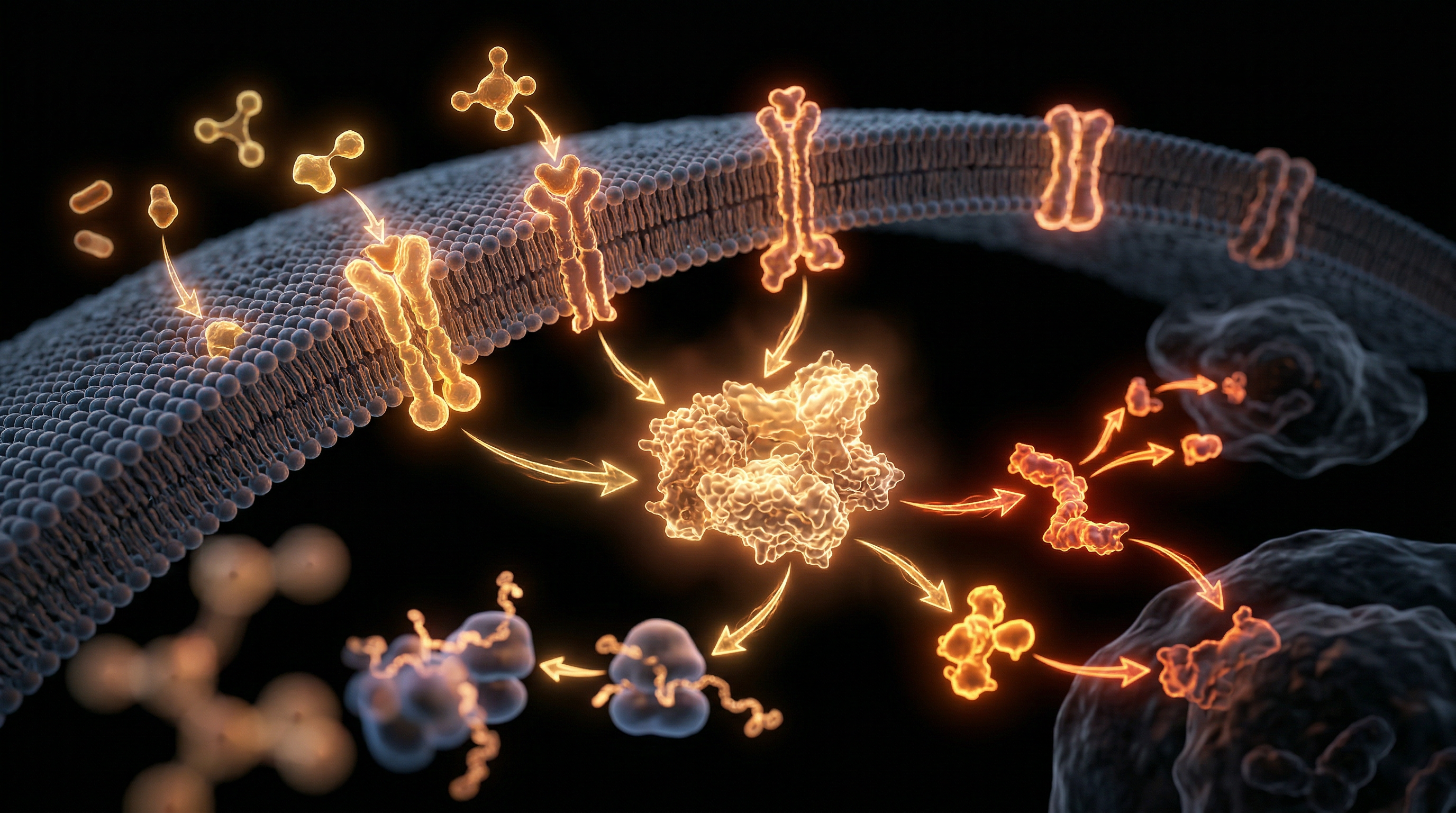
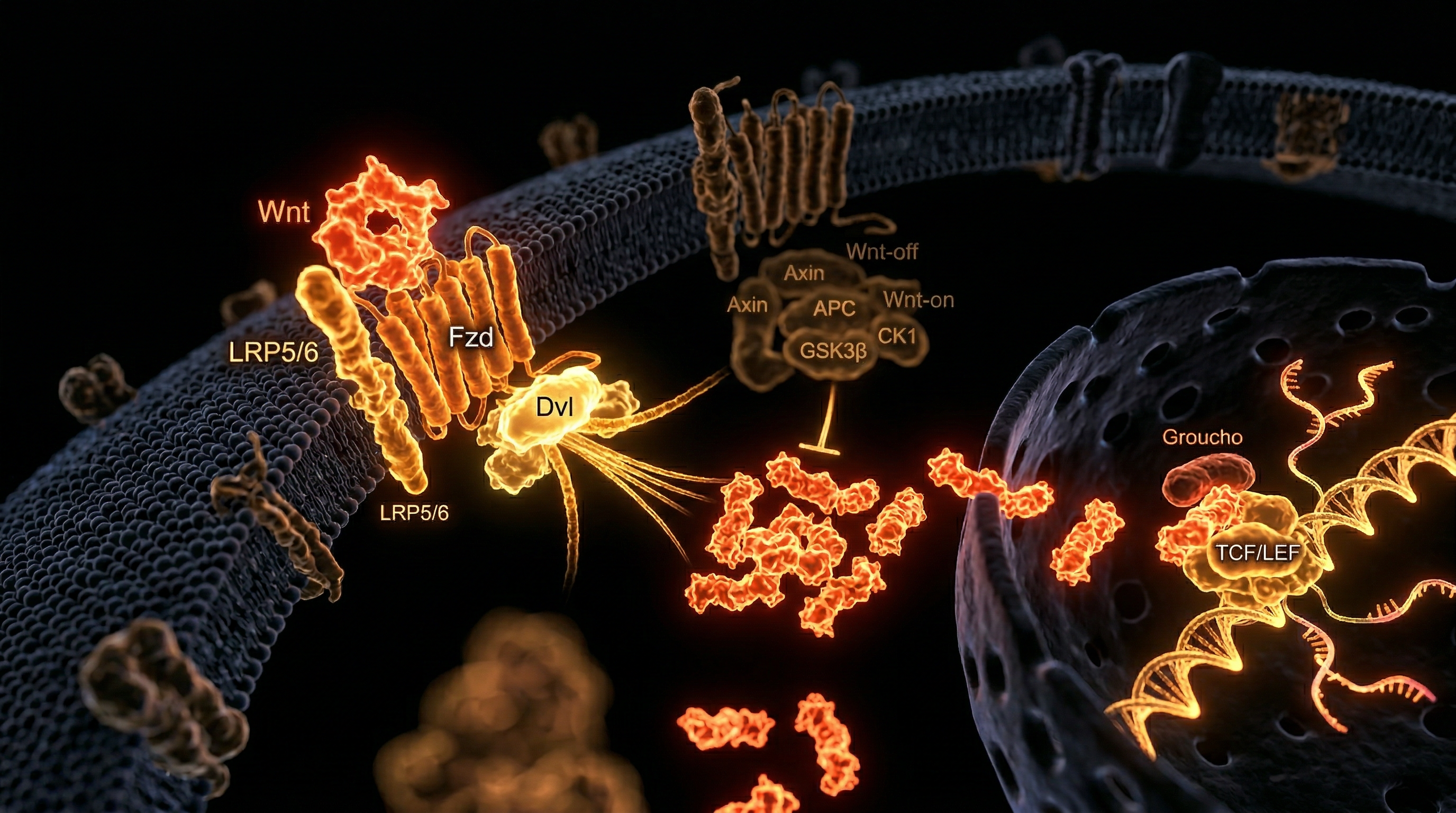
The mechanistic target of rapamycin (mTOR) — particularly the mTORC1 complex — is a master regulatory kinase that integrates signals from nutrients (especially leucine and glucose), growth factors (particularly insulin and IGF-1), energy status (via AMPK), and oxygen availability to make binary decisions about cellular growth, protein synthesis, and metabolic allocation. When mTOR is active, the cell grows, replicates, and suppresses autophagy; when mTOR is inhibited — as occurs during fasting, caloric restriction, and aerobic exercise — cellular repair, autophagy, and metabolic efficiency are prioritised. Chronic mTOR hyperactivation — driven by the constant nutrient surplus of ultra-processed diets, insulin resistance, and elevated IGF-1 from dairy and animal protein consumption — is a central driver of cancer initiation and progression, Alzheimer's disease pathology, and the accelerated ageing phenotype of the Western lifestyle.