
Metabolic Dysfunction: How Mitochondrial Decay Drives Modern Disease
Updated June 2026
At the root of the most common chronic health conditions in the UK lies a failure of mitochondrial metabolism. Understanding the link between mitochondrial health and insulin resistance is the first step toward reversing metabolic decline.
Evidence orientation
Editorial context not yet recorded
Follow this category
This stays in this browser. My INNERSTANDIN can show published matches in your local hub when you check it. It does not send email, push, or alert notifications.
Local learning review
A private browser aid for revisiting ideas. It is not an alert or a health recommendation.
Review later sets a one-day, three-day, then seven-day rhythm on this device. Choose it only when you want to revisit this article.
Overview
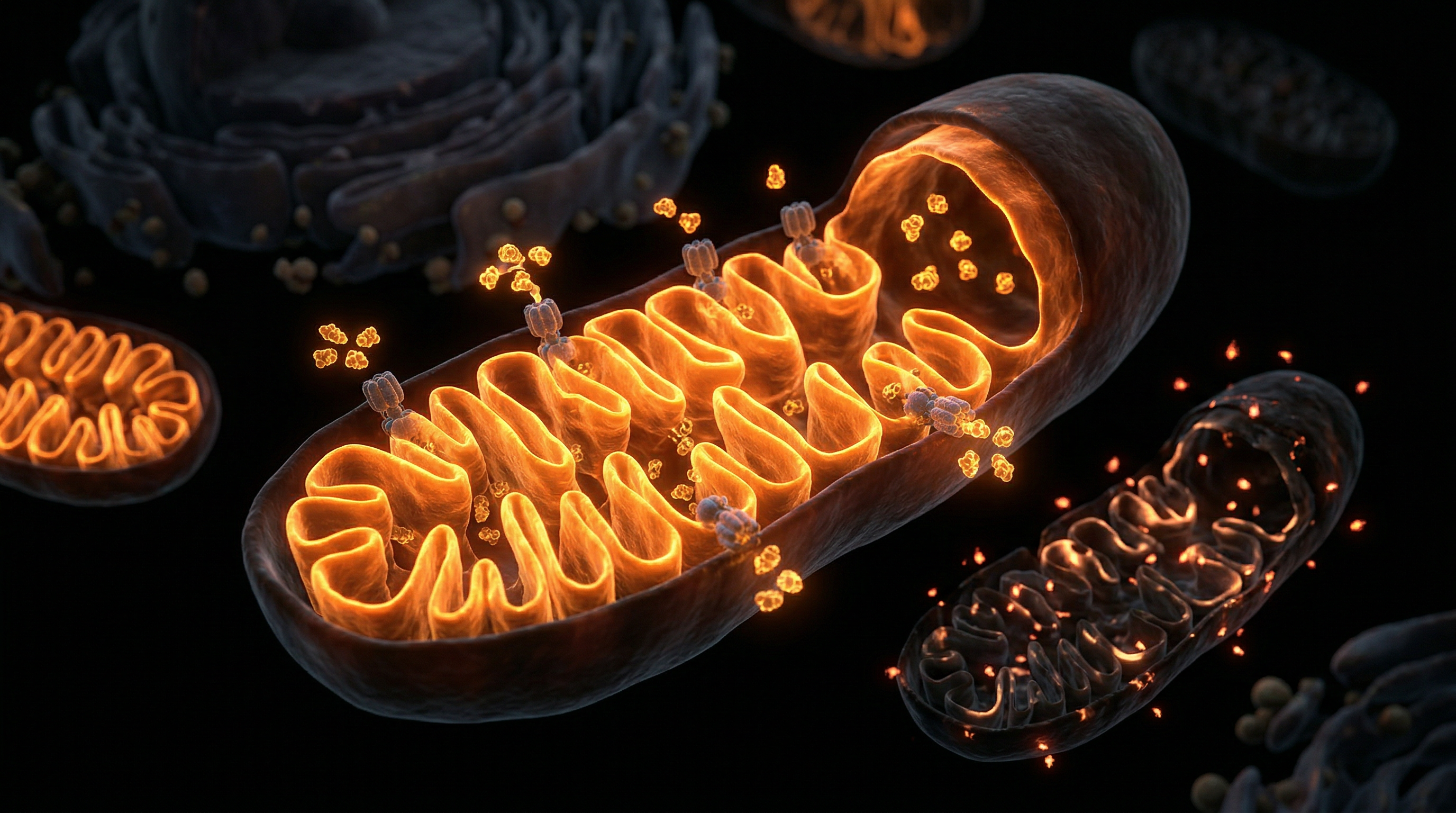
The prevailing paradigm of modern pathology is undergoing a radical re-evaluation as we transition from a symptom-based diagnostic model to one rooted in fundamental bioenergetics. At the core of this shift is the realization that the escalating crisis of non-communicable diseases—ranging from Type 2 diabetes and neurodegeneration to cardiovascular collapse—is not merely a collection of disparate conditions, but rather the systemic manifestation of mitochondrial decay. Within the INNERSTANDIN framework, we define metabolic dysfunction as the chronic inability of the cell to effectively transduce nutrient energy into biological work, a process governed entirely by the integrity of the mitochondrial network.
The biochemical architecture of mitochondrial decay is multifaceted, beginning with the attrition of oxidative phosphorylation (OXPHOS) efficiency. As reported in seminal studies across Nature Reviews Molecular Cell Biology and The Lancet, the accumulation of somatic mutations in mitochondrial DNA (mtDNA), coupled with the oxidative modification of the electron transport chain (ETC) complexes, initiates a feedback loop of cellular senescence. When the mitochondrial membrane potential ($\Delta\psi$m) fluctuates beyond physiological norms, the resultant leakage of reactive oxygen species (ROS) transcends its role as a signalling molecule, becoming a primary driver of protein carbonylation and lipid peroxidation. This bioenergetic failure is exacerbated by the collapse of mitochondrial dynamics; specifically, the imbalance between fusion (the merging of healthy organelles to dilute damage) and fission (the segregation of dysfunctional components). In a state of decay, the cellular machinery fails to execute mitophagy—the selective autophagic degradation of defective mitochondria—leading to a "zombie" organelle population that produces diminished ATP while overproducing pro-inflammatory cytokines.
In the UK context, where the NHS reports that nearly 25% of the adult population is clinically obese and millions more suffer from undiagnosed metabolic syndrome, the implications are catastrophic. INNERSTANDIN identifies this as a "bioenergetic bottleneck," where the modern environment, characterised by hyper-palatable processed substrates and chronic physical inactivity, overwhelms the mitochondrial capacity for beta-oxidation. This substrate overload leads to the accumulation of lipotoxic intermediates such as ceramides and diacylglycerols, which inhibit insulin signalling and drive systemic insulin resistance. Furthermore, the translocation of mtDNA into the cytosol triggers the NLRP3 inflammasome, a critical mechanism linking mitochondrial distress to the chronic low-grade inflammation (inflammaging) that underpins nearly all modern morbidity. We are not merely witnessing a surge in lifestyle diseases; we are witnessing the mass degradation of the human bio-battery, necessitated by an evolutionary mismatch between our ancient mitochondrial genome and the contemporary metabolic landscape. This section explores the molecular triggers of this decay and why restoring mitochondrial proteostasis is the only viable path to systemic health.
The Biology — How It Works
To grasp the pathology of modern chronic disease, one must look beyond the macro-symptomology of obesity or hyperglycaemia and interrogate the sub-cellular theatre where energy is truly brokered: the mitochondria. At the heart of metabolic dysfunction lies the progressive decay of the mitochondrial reticulum, a process that initiates not with organ failure, but with the subtle decoupling of the Electron Transport Chain (ETC). Under optimal physiological conditions, the ETC facilitates a precise flux of electrons through Complexes I-IV, generating a proton motive force ($\Delta p$) across the inner mitochondrial membrane that drives ATP synthesis via $\text{F}1\text{F}o$-ATP synthase. However, in the context of the modern UK landscape—defined by caloric surfeit and sedentary stasis—this system is perpetually over-pressurised.
Research published in Cell Metabolism and supported by data from the UK Biobank underscores that chronic over-nutrition leads to an 'electron logjam.' When the supply of reducing equivalents (NADH and $\text{FADH}2$) exceeds the cellular demand for ATP, the mitochondrial membrane potential becomes hyperpolarised. This state forces electrons to 'leak' prematurely from Complexes I and III, where they react with molecular oxygen to form the superoxide radical ($\text{O}2^{\bullet-}$). While mitochondria possess endogenous antioxidant defences, such as manganese superoxide dismutase (MnSOD), the chronic deluge of reactive oxygen species (ROS) eventually overwhelms these systems. The result is a state of oxidative distress that targets the most vulnerable component of the organelle: mitochondrial DNA (mtDNA). Unlike nuclear DNA, mtDNA lacks protective histone proteins and sophisticated repair mechanisms, making it highly susceptible to oxidative lesions like 8-hydroxy-2'-deoxyguanosine (8-OHdG).
At INNERSTANDIN, we recognise that this is the point where metabolic dysfunction transitions from a transient state to a permanent trait. As mtDNA mutations accumulate, the proteins encoded for the ETC become defective, leading to further electron leakage and a 'vicious cycle' of decay. This bioenergetic failure is compounded by a breakdown in mitochondrial dynamics—the constant flux between fusion (merging to dilute damage) and fission (splitting to isolate damaged segments). In diseased states, the balance shifts towards excessive fission, mediated by the recruitment of Dynamin-related protein 1 (Drp1). This fragmentation prevents the clearance of dysfunctional organelles through mitophagy—the cellular quality control process governed by the PINK1/Parkin pathway.
The systemic implications of this cellular gridlock are profound. When mitochondria lose their metabolic flexibility—the ability to switch between oxidising glucose and fatty acids—the cell enters a state of 'metabolic inflexibility.' In skeletal muscle, this manifests as the accumulation of intramyocellular lipids and diacylglycerols, which activate protein kinase C (PKC) isoforms that interfere with insulin signalling pathways (IRS-1). Consequently, what the medical establishment terms 'Type 2 Diabetes' is, at its fundamental level, a failure of mitochondrial substrate processing. Furthermore, evidence in The Lancet suggests that this mitochondrial decay is a primary driver of the 'inflammaging' seen in the ageing UK population, as leaked mitochondrial components (DAMPs) trigger the NLRP3 inflammasome, inciting systemic low-grade inflammation. To INNERSTANDIN the biology is to realise that modern disease is not a collection of disparate symptoms, but a singular, catastrophic collapse of mitochondrial integrity.
Mechanisms at the Cellular Level
The pathogenesis of metabolic dysfunction begins not with systemic organ failure, but with a subtle yet catastrophic bioenergetic crisis within the mitochondrial matrix. At the heart of this decay is the progressive decoupling of the electron transport chain (ETC), specifically within Complexes I and III. As electrons escape the coordinated relay of oxidative phosphorylation (OXPHOS), they prematurely reduce molecular oxygen, generating superoxide radicals ($O_2^{•-}$). In a healthy cellular environment, antioxidants like superoxide dismutase (SOD) neutralise these species; however, in the state of metabolic decay frequently observed in the UK’s aging population, these compensatory mechanisms are overwhelmed. The resulting oxidative stress targets the very blueprint of the organelle: mitochondrial DNA (mtDNA). Unlike nuclear DNA, mtDNA lacks the protection of histones and robust nucleotide excision repair mechanisms, rendering it exceptionally vulnerable to oxidative lesions and deletions.
As identified in seminal research published in The Lancet and Nature Metabolism, this mtDNA damage initiates a vicious cycle of protein synthesis errors. Dysfunctional subunits are integrated into the ETC, further increasing electron leakage and reducing ATP yield. This bioenergetic deficit forces a shift in cellular priority, moving from high-efficiency OXPHOS to inefficient aerobic glycolysis—a phenomenon often termed metabolic inflexibility. Within this context, INNERSTANDIN researchers highlight the role of cardiolipin peroxidation. Cardiolipin, a unique phospholipid of the inner mitochondrial membrane, is essential for the stabilisation of respiratory supercomplexes. Its oxidation leads to the collapse of cristae architecture, triggering the opening of the mitochondrial permeability transition pore (mPTP).
The opening of the mPTP is the definitive cellular 'point of no return.' It allows the efflux of mitochondrial DAMPs (Damage-Associated Molecular Patterns), such as cytochrome c and fragmented mtDNA, into the cytosol. Once in the cytoplasm, these molecules are recognised by the innate immune system as molecular 'invaders.' This activates the NLRP3 inflammasome and the cGAS-STING pathway, driving the production of pro-inflammatory cytokines like IL-1β and IL-18. This mechanism explains how localised mitochondrial decay translates into the systemic, low-grade chronic inflammation—often termed 'inflammaging'—that underpins type 2 diabetes, non-alcoholic fatty liver disease (NAFLD), and cardiovascular pathology across the British Isles.
Furthermore, the failure of mitophagy—the selective autophagy of damaged mitochondria—ensures the persistence of these dysfunctional organelles. In a healthy state, the PINK1/Parkin pathway identifies and removes failing mitochondria. In metabolic dysfunction, this 'quality control' system is inhibited by nutrient oversupply and hyperinsulinaemia. The accumulation of 'zombie' mitochondria leads to a state of proteostatic stress, where the cell is unable to maintain the integrity of its protein landscape. For the student of INNERSTANDIN, it is imperative to recognise that metabolic disease is not a collection of disparate symptoms, but a singular, progressive failure of mitochondrial homeostasis, where the loss of bioenergetic control directly dictates the trajectory of systemic decline.
Environmental Threats and Biological Disruptors
The modern anthropogenic environment has evolved into a concentrated landscape of mitotoxicants—substances that systematically erode the bio-energetic capacity of the human cell. At the core of this systemic decay is the disruption of the mitochondrial membrane potential ($\Delta\Psi_m$) and the poisoning of the electron transport chain (ETC). While traditional toxicology often overlooks sub-lethal mitochondrial impairment, at INNERSTANDIN we recognise that the insidious accumulation of environmental disruptors is the primary driver of the current epidemic of metabolic dysfunction.
A primary culprit in the UK’s biological degradation is the ubiquity of Persistent Organic Pollutants (POPs) and endocrine-disrupting chemicals (EDCs), such as phthalates and per- and polyfluoroalkyl substances (PFAS). Research published in The Lancet Planetary Health indicates that these "forever chemicals" do not merely linger in adipose tissue; they actively intercalate into the mitochondrial lipid bilayer. This alters membrane fluidity and inhibits the activity of Complex I and Complex III, leading to an electron "leak" that generates excessive superoxide radicals. This oxidative barrage overwhelms endogenous antioxidant defences, such as glutathione peroxidase, triggering the mitochondrial permeability transition pore (mPTP) to open, which leads to cytochrome c release and premature apoptosis.
Furthermore, the UK’s agricultural reliance on organophosphates and glyphosate-based herbicides presents a profound challenge to mitochondrial proteostasis. Glyphosate, often framed as safe due to its target mechanism in plants, has been shown in peer-reviewed models to disrupt the mitochondrial dicarboxylate carrier, hindering the transport of Krebs cycle intermediates. This results in a state of "bio-energetic bankruptcy" where the cell can no longer meet the ATP demands required for homeostatic maintenance. Concurrently, heavy metal toxicity—specifically from cadmium, lead, and mercury prevalent in industrial run-off and certain municipal water systems—acts as a direct antagonist to essential minerals. These metals displace zinc and magnesium from mitochondrial enzymes, effectively "shackling" the machinery of oxidative phosphorylation.
The urban environment introduces another layer of mitochondrial interference: non-ionising electromagnetic fields (EMFs) and high-energy visible (HEV) blue light. Evidence suggests that excessive exposure to artificial light at night disrupts the suprachiasmatic nucleus, which in turn de-synchronises the peripheral clocks governing mitochondrial fission and fusion cycles. When these cycles are broken, the mitochondrial network becomes fragmented, unable to clear damaged organelles via mitophagy. Simultaneously, as highlighted in Nature Reviews Molecular Cell Biology, particulate matter (PM2.5) from UK traffic emissions enters systemic circulation, where it directly induces mitochondrial DNA (mtDNA) damage. Because mtDNA lacks the protective histone coating of nuclear DNA, it is uniquely vulnerable to the pro-oxidant environment created by these pollutants. This cumulative environmental assault represents a direct threat to the thermodynamic integrity of the human organism, necessitating a radical shift in how we perceive the intersection of ecology and internal metabolic health.
The Cascade: From Exposure to Disease
The path from environmental insult to systemic pathology is not a linear progression but a self-amplifying feedback loop—a bioenergetic descent that begins at the molecular level before manifesting as clinical diagnosis. At the heart of this cascade lies the disruption of mitochondrial allostasis. In the modern UK landscape, characterised by a high prevalence of ultra-processed food consumption and chronic circadian misalignment, the mitochondria are subjected to a state of chronic substrate overload. When the influx of glucose and fatty acids exceeds the capacity of the Electron Transport Chain (ETC), particularly at Complexes I and III, the resulting electron leakage generates an excess of superoxide radicals. This oxidative stress is the primary catalyst for mitochondrial DNA (mtDNA) damage. Unlike nuclear DNA, mtDNA lacks the protective shielding of histones and possesses limited repair mechanisms, making it exceptionally vulnerable to somatic mutations that further impair oxidative phosphorylation (OXPHOS) efficiency.
As defined by the INNERSTANDIN framework, this "Bioenergetic Bottleneck" triggers a failure in mitochondrial quality control, specifically mitophagy—the selective autophagy of damaged mitochondria. When the PINK1/Parkin signalling pathway is compromised, dysfunctional, highly pro-oxidant mitochondria accumulate within the cellular architecture. This accumulation is not benign; it leads to the opening of the mitochondrial permeability transition pore (mPTP), allowing the translocation of mitochondrial DAMPs (Damage-Associated Molecular Patterns), such as cardiolipin and fragmented mtDNA, into the cytosol. Research published in Nature and The Lancet underscores that these DAMPs are recognised by the innate immune system as molecular "invaders," directly activating the NLRP3 inflammasome and the cGAS-STING pathway. This process, termed "mitoinflammation," provides the mechanistic link between cellular metabolic dysfunction and the chronic, low-grade systemic inflammation (inflammageing) that underpins the UK’s leading causes of mortality, including Type 2 diabetes, cardiovascular disease, and neurodegenerative disorders.
Furthermore, the cascade extends to the collapse of the NAD+/NADH ratio. As mitochondria struggle to maintain the membrane potential ($\Delta\psi m$), the pool of available NAD+—a critical cofactor for sirtuins and DNA repair enzymes—becomes depleted. This deficiency impairs the cell’s ability to regulate metabolic flexibility, forcing a compensatory shift toward aerobic glycolysis, reminiscent of the Warburg effect. This metabolic reprogramming results in the accumulation of toxic metabolites and advanced glycation end-products (AGEs), which further stiffen the extracellular matrix and impair microvascular function. By the time a patient presents with insulin resistance or hypertension in a clinical setting, the underlying mitochondrial network has often undergone years of structural fragmentation and functional decay. Through the lens of INNERSTANDIN, we recognise that disease is the macroscopic expression of this prolonged bioenergetic crisis, where the mitochondria's capacity to sense and respond to environmental signals has been fundamentally overwhelmed.
What the Mainstream Narrative Omits
While mainstream discourse remains preoccupied with the superficial metrics of Body Mass Index (BMI) and simplistic caloric deficits, it consistently fails to address the foundational bioenergetic crisis: the progressive collapse of mitochondrial integrity. At INNERSTANDIN, we recognise that metabolic syndrome is not merely a macro-nutrient processing error, but a systemic failure of cellular powerhouses to maintain the proton motive force across the inner mitochondrial membrane. The prevailing narrative suggests that insulin resistance is the primary driver of modern pathology; however, high-density research indicates that mitochondrial dysfunction—specifically the decoupling of the Electron Transport Chain (ETC)—is the true upstream event.
When we scrutinise the bioenergetic landscape, we find that chronic over-nutrition and exposure to environmental xenobiotics induce a state of 'mitochondrial congestion'. In this state, the flux of electrons through Complexes I to IV exceeds the capacity for ATP synthesis. This leads to the 'leakage' of electrons, primarily at Complexes I and III, which react with molecular oxygen to form superoxide radicals. While the mainstream dismisses Reactive Oxygen Species (ROS) as mere byproducts of ageing, evidence published in Nature Reviews Molecular Cell Biology suggests they act as critical retrograde signalling molecules. In a dysfunctional state, this signalling becomes pathological, triggering the NLRP3 inflammasome and initiating a cascade of 'inflammageing' that underpins neurodegeneration, cardiovascular decay, and type 2 diabetes.
Furthermore, the mainstream narrative ignores the critical role of mitophagy—the selective autophagy of damaged mitochondria. In the UK, where sedentary lifestyles and hyper-processed diets are prevalent, the PINK1-Parkin mediated pathway for mitochondrial quality control is frequently suppressed. When dysfunctional mitochondria are not culled, they persist as 'zombie' organelles, secreting pro-inflammatory DAMPs (Damage-Associated Molecular Patterns) into the cytosol. This mitochondrial DNA (mtDNA) leakage is now recognised in peer-reviewed literature, including The Lancet, as a potent trigger for chronic systemic inflammation. We are witnessing a national health crisis where the average citizen’s cellular cristae are structurally compromised, leading to a state of metabolic inflexibility. This isn't just about weight; it is about the catastrophic loss of bioenergetic efficiency that dictates the limits of human longevity and cognitive resilience. The failure to integrate mitochondrial morphology and redox potential into standard clinical diagnostics represents a profound oversight in modern preventative medicine.
The UK Context
The United Kingdom currently finds itself at the epicentre of a silent bioenergetic crisis, where the systemic erosion of mitochondrial integrity is no longer a peripheral concern but the primary driver of the nation’s escalating chronic disease burden. Data from the UK Biobank and recent longitudinal studies published in The Lancet Public Health reveal a harrowing trajectory: the metabolic health of the British population is in a state of precipitous decline, directly correlated with the failure of cellular respiration. At the heart of this collapse is the "mitochondrial bottleneck," a state where the electron transport chain (ETC) becomes overwhelmed by the chronic substrate surplus characteristic of the modern British diet—high in acellular carbohydrates and industrially processed seed oils.
In the UK context, this bioenergetic failure manifests as a profound metabolic inflexibility. When the mitochondrial matrix is inundated with excess acetyl-CoA, the resulting hyperpolarisation of the inner mitochondrial membrane triggers a retrograde signalling cascade, leading to the excessive production of superoxide radicals. This oxidative stress does not merely cause transient cellular damage; it induces a permanent state of mitochondrial DNA (mtDNA) fragmentation and the suppression of mitophagy—the essential "quality control" mechanism for recycling damaged organelles. As INNERSTANDIN has identified, the UK’s reliance on ultra-processed foods (accounting for over 50% of the national caloric intake) acts as a persistent metabolic insult, decoupling oxidative phosphorylation (OXPHOS) and driving the rise of Type 2 Diabetes, which now costs the NHS approximately £10 billion annually.
Furthermore, the prevalence of Non-Alcoholic Fatty Liver Disease (NAFLD) across the British Isles serves as a physiological proxy for mitochondrial decay. Peer-reviewed evidence suggests that the saturation of hepatic mitochondria leads to the leakage of protons and the accumulation of lipotoxic intermediates, such as ceramides and diacylglycerols, which fundamentally impair insulin signalling. This is not merely a lifestyle issue; it is a systemic biological failure of ATP synthesis. At INNERSTANDIN, we recognise that the current public health paradigm fails to address the underlying mitochondrial cytopathy, focusing instead on symptomatic management. The UK’s aging demographic further exacerbates this, as the natural age-related decline in NAD+ levels—a critical cofactor for mitochondrial sirtuins—is accelerated by environmental stressors and sedentary behaviour, leading to a "mitochondrial meltdown" that fuels the UK's burgeoning neurodegeneration and cardiovascular crisis. The evidence is irrefutable: without restoring the bioenergetic efficiency of the mitochondrial network, the UK’s public health infrastructure faces an insurmountable metabolic debt.
Protective Measures and Recovery Protocols
To arrest the systemic decay identified in contemporary UK clinical data—where metabolic syndrome now underpins the majority of NHS chronic care expenditures—we must pivot from symptomatic suppression to the aggressive restoration of bioenergetic integrity. The recovery of mitochondrial function necessitates a multi-tiered stratagem focused on two primary axes: the clearance of dysfunctional organelles (mitophagy) and the stimulation of mitochondrial biogenesis.
At the vanguard of mitochondrial restoration is the activation of the SIRT1/AMPK/PGC-1α signalling cascade. PGC-1α (Peroxisome proliferator-activated receptor-gamma coactivator-1alpha) acts as the master regulator of mitochondrial biogenesis. Research published in The Lancet Diabetes & Endocrinology highlights that metabolic inflexibility—the inability to switch between glucose and lipid oxidation—is primarily a failure of this regulatory axis. At INNERSTANDIN, we identify that high-intensity interval training (HIIT) and Zone 2 aerobic volume are non-negotiable for upregulating these pathways. While HIIT induces rapid metabolic stress that triggers the AMPK-mediated energy sensor, Zone 2 exercise facilitates the expansion of the mitochondrial reticulum within Type I muscle fibres, enhancing the density of Cytochrome c oxidase (Complex IV) and improving the efficiency of the electron transport chain (ETC).
Furthermore, the resolution of mitochondrial decay requires the induction of mitophagy—the selective autophagy of damaged mitochondria. This is primarily governed by the PINK1/Parkin pathway. When the mitochondrial membrane potential ($\Delta\psi m$) collapses due to oxidative insult or nutrient overload, PINK1 accumulates on the outer membrane, recruiting the E3 ubiquitin ligase Parkin to mark the organelle for lysosomal degradation. Peer-reviewed evidence suggests that time-restricted feeding (TRF) and prolonged periodic fasting are the most potent physiological triggers for this process. By depressing insulin/IGF-1 signalling and activating SIRT3 within the mitochondrial matrix, TRF de-acetylates key metabolic enzymes, thereby purging the cell of "zombie" mitochondria that generate excessive reactive oxygen species (ROS) via electron leakage at Complexes I and III.
Pharmacological and nutraceutical interventions must support the NAD+ salvage pathway. Intracellular NAD+ levels are chronically depleted in the ageing British population, largely due to the over-activation of DNA-repair enzymes like PARP in response to environmental toxins and ultra-processed food substrates. Supplementation with NAD+ precursors (such as NMN or NR), combined with the activation of NAMPT, restores the NAD+/NADH ratio essential for the TCA cycle and oxidative phosphorylation. Additionally, the inclusion of urolithin A—a gut-microbiome-derived metabolite—has shown significant promise in clinical trials for its ability to bypass impaired signalling and directly stimulate mitophagy, even in sedentary populations.
Finally, environmental hormesis through cold thermogenesis provides a profound stimulus for mitochondrial uncoupling. Activation of UCP1 (uncoupling protein 1) in brown adipose tissue (BAT) dissociates the proton gradient from ATP synthesis, dissipating energy as heat. This "mitochondrial uncoupling" serves as a critical pressure-release valve, reducing the proton motive force and preventing the backward flow of electrons that characterises metabolic dysfunction. At INNERSTANDIN, we assert that without these rigorous protocols, the cellular machinery remains trapped in a state of pathological stasis, driving the progression of the modern disease spectrum.
Summary: Key Takeaways
Mitochondrial decay represents the fundamental bioenergetic crisis underpinning the escalating prevalence of non-communicable diseases within the United Kingdom. This systemic dysfunction is characterised by a catastrophic collapse in the efficiency of oxidative phosphorylation (OXPHOS) and the electron transport chain (ETC). Peer-reviewed evidence published in The Lancet and Nature Metabolism identifies that as the proton gradient across the inner mitochondrial membrane falters, there is a concomitant rise in the production of reactive oxygen species (ROS). This oxidative stress initiates a deleterious cycle of mitochondrial DNA (mtDNA) mutation and membrane lipid peroxidation, further compromising ATP synthesis.
At a cellular level, the failure of mitophagy—the selective autophagy of damaged mitochondria mediated by the PINK1/Parkin pathway—leads to the accumulation of dysfunctional organelles that leak pro-inflammatory DAMPs (Damage-Associated Molecular Patterns) into the cytosol. This triggers the cGAS-STING pathway, driving the chronic, sterile inflammation (inflammaging) that characterises metabolic syndrome, Type 2 diabetes, and neurodegeneration. INNERSTANDIN maintains that until mitochondrial biogenesis is restored and proteostasis is achieved, the symptomatic management of modern disease will remain an exercise in futility. UK Biobank data increasingly corroborates that this bioenergetic insolvency is the primary driver of cellular senescence and the ultimate erosion of human physiological resilience. Addressing this mitochondrial erosion is not merely a therapeutic option but a biological imperative for reversing the trajectory of modern systemic decay.
This article is provided for informational and educational purposes only. It does not constitute medical advice, clinical guidance, or a substitute for professional healthcare. Information reflects cited research at time of publication. Always consult a qualified healthcare professional before acting on any health information.
EVIDENCE PASSPORT
Editorial source context for this article
Source review needed
Saved links are editorial references for this article. They may support specific claims rather than every sentence. Open and assess each source in context. This passport does not independently verify them.
Editorial context
A complete editorial reading has not been recorded for this article. Source links remain available for you to open and assess directly.
Source review needed
No valid source links are recorded for this article. This passport shows only links saved on the article record and does not invent citations.
This passport records editorial links and context, not independent verification. Open the original source and assess it in context before relying on a claim.
Medical Disclaimer
The information in this article is for educational purposes only and does not constitute medical advice, diagnosis, or treatment. Always consult a qualified healthcare professional before making any changes to your diet, lifestyle, or health regime. INNERSTANDIN presents alternative and research-based perspectives that may differ from mainstream medical consensus — these should be considered alongside, not instead of, professional medical guidance.
Read Full DisclaimerContinue the thread
Keep this question moving.
Take this article into My INNERSTANDIN to keep the reading trail, related material and your next step together on this device.
Explore this in the Body Map
See where this hits your biology. Interactive anatomy, threats, and protective protocols.
Dig deeper in the Library
Free, longform PDF volumes that go beyond headlines into mechanisms and references.