
Beyond ATP: The Regulatory Role of Mitochondria in Modern Metabolic Disease
Updated May 2026
Chronic metabolic conditions often stem from mitochondrial dysfunction rather than simple caloric imbalance. This article explores how mitochondrial health influences insulin sensitivity and systemic metabolic flexibility.
Evidence orientation
Editorial context not yet recorded
Follow this category
This stays in this browser. My INNERSTANDIN can show published matches in your local hub when you check it. It does not send email, push, or alert notifications.
Local learning review
A private browser aid for revisiting ideas. It is not an alert or a health recommendation.
Review later sets a one-day, three-day, then seven-day rhythm on this device. Choose it only when you want to revisit this article.
Overview
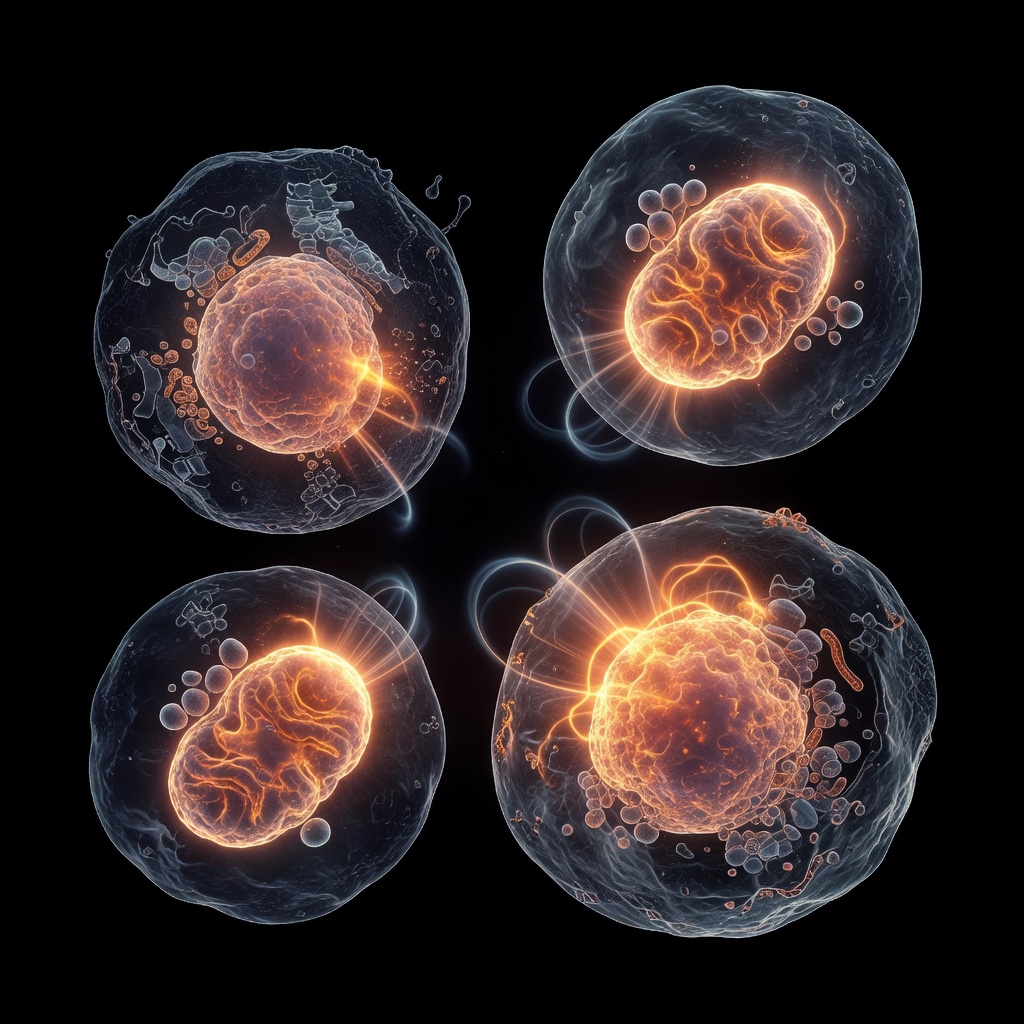
For decades, the biological world has been shackled to a reductionist metaphor: the mitochondrion as the "powerhouse of the cell." This simplistic analogy, taught in every secondary school from London to Edinburgh, suggests that these organelles are merely passive furnaces, burning the fuel we provide to generate Adenosine Triphosphate (ATP). However, as we stand amidst a burgeoning global crisis of metabolic dysfunction, this narrow view is not only outdated—it is dangerous.
The reality, which modern research is only beginning to grudgingly accept, is that mitochondria are the central arbiters of our metabolic destiny. They are highly sophisticated, sentient environmental sensors that negotiate the delicate balance between energy production and cellular defence. When we look at the soaring rates of Type 2 diabetes, obesity, and non-alcoholic fatty liver disease (NAFLD) in the UK, we are not looking at a simple failure of "willpower" or a "caloric imbalance." We are witnessing a systemic mitochondrial collapse—a state where the organelles have shifted from "energy mode" to "defence mode," effectively shutting down metabolic flexibility to protect the cell from perceived environmental threats.
This article will dismantle the mainstream narrative that reduces metabolic disease to a mere matter of gluttony and sloth. We will expose the biological mechanisms through which mitochondrial dysfunction drives systemic insulin resistance, explores the role of Brown Adipose Tissue (BAT) in thermogenesis, and highlights how modern environmental disruptors—from glyphosate in our wheat to the blue light of our screens—are sabotaging our cellular machinery.
According to Diabetes UK, more than 5 million people in Britain are living with diabetes, a figure that has doubled in the last 15 years. This is not a genetic shift; it is a rapid environmental assault on mitochondrial integrity.
The Biology — How It Works
To understand the regulatory role of mitochondria, we must move beyond the basic diagrams of the Citric Acid Cycle (Krebs Cycle). At the heart of mitochondrial function is the Electron Transport Chain (ETC), a series of protein complexes (I through V) embedded in the inner mitochondrial membrane.
The Flow of Electrons
Metabolism is essentially the controlled "burning" of hydrogen. When we consume macronutrients, they are broken down into electrons, which are carried by molecules like NADH and FADH2 to the ETC. Here, electrons are passed from one complex to the next, like a microscopic bucket brigade. This movement of electrons powers the pumping of protons into the intermembrane space, creating an electrochemical gradient—a biological battery. This gradient then drives the ATP Synthase motor (Complex V) to produce energy.
Metabolic Flexibility: The Mitochondrial Gearbox
In a healthy state, mitochondria possess metabolic flexibility. This is the ability to seamlessly transition between burning glucose (carbohydrates) and fatty acids (fats) based on availability and demand. This "gear-switching" is regulated by the Randle Cycle. When glucose is high, it inhibits the transport of fatty acids into the mitochondria; when glucose is scarce, the body taps into stored fat.
However, in the modern metabolic landscape, this gearbox is jammed. Chronic overnutrition, combined with a lack of movement, leads to a "backlog" of electrons. When the ETC is overwhelmed, electrons "leak" out, primarily at Complexes I and III, reacting with oxygen to form Reactive Oxygen Species (ROS), such as superoxide.
ROS: Signals, Not Just Scavengers
Mainstream biology often labels ROS as purely destructive "free radicals." This is a half-truth. At low levels, ROS are critical signalling molecules that tell the cell to adapt, strengthen, and produce more antioxidants. But when mitochondrial health fails, ROS production becomes chronic and uncontrolled, leading to oxidative stress that damages mitochondrial DNA (mtDNA) and initiates the Cell Danger Response (CDR).
The human body contains approximately 10 quadrillion mitochondria, accounting for about 10% of total body weight. Every single one of them is a sensor for your environment.
Mechanisms at the Cellular Level
When we discuss "metabolic disease," we are actually discussing a state of mitochondrial fragmentation. In healthy cells, mitochondria exist in a dynamic network, constantly fusing together (fusion) to share resources and splitting apart (fission) to clear out damaged components. In metabolic disease, this balance shifts toward fission, leaving the cell with small, inefficient, and leaky mitochondria.
Insulin Resistance as a Mitochondrial Defence
The most profound shift in our understanding of insulin resistance is the realisation that it is not a "broken" system, but a protective one. When mitochondria are overloaded with fuel—specifically a combination of high glucose and high linoleic acid (found in seed oils)—they generate a massive surge of ROS.
To prevent this oxidative surge from destroying the cell, the mitochondria signal the cell to stop taking in fuel. They do this by downregulating GLUT4 transporters and inducing insulin resistance. In this light, insulin resistance is the cell’s way of shouting "Stop!" to an influx of energy it cannot safely process. The tragedy of modern medicine is that we respond to this by giving more insulin, forcing more fuel into an already overloaded and failing system.
Mitophagy and Biogenesis: The Quality Control System
Mitochondrial health is maintained through two opposing processes:
- Mitophagy: The selective degradation of damaged mitochondria via lysosomes. Think of this as the cellular recycling programme.
- Mitochondrial Biogenesis: The creation of new mitochondria, primarily regulated by the master switch PGC-1α (Peroxisome proliferator-activated receptor-gamma coactivator 1-alpha).
In metabolic disease, both processes are inhibited. The cell becomes cluttered with "zombie" mitochondria that produce little ATP but vast amounts of inflammatory signals. This is why chronic fatigue is almost always a precursor to, or a symptom of, metabolic dysfunction.
The Role of Uncoupling Proteins (UCPs)
Mitochondria have a "pressure release valve" known as Uncoupling Proteins, specifically UCP1, found predominantly in Brown Adipose Tissue (BAT). Instead of using the proton gradient to make ATP, UCP1 allows the protons to leak back across the membrane, dissipating the energy as heat (thermogenesis). This process is vital for metabolic health because it allows the mitochondria to "burn off" excess fuel without creating excessive ROS. Modern lifestyles—characterised by constant indoor temperatures and a lack of cold exposure—have led to the "whitening" of our brown fat, stripping us of this essential metabolic buffer.
Environmental Threats and Biological Disruptors
The UK's metabolic crisis is not merely a failure of diet; it is a failure of our environment. Our mitochondria are being besieged by a cocktail of "mitotoxins" that were non-existent a century ago.
Endocrine Disruptors and "Obesogens"
Chemicals such as Bisphenol A (BPA), phthalates, and Per- and polyfluoroalkyl substances (PFAS)—often referred to as "forever chemicals"—directly interfere with mitochondrial signalling. These substances, prevalent in UK tap water and food packaging, can mimic hormones and bind to mitochondrial receptors, disrupting the delicate balance of fatty acid oxidation.
Glyphosate and the Gut-Mitochondria Axis
The herbicide glyphosate, widely used in UK agriculture, is a potent mitochondrial toxin. It disrupts the shikimate pathway in our gut microbiota, which is responsible for producing essential aromatic amino acids. Because our mitochondria are evolutionary descendants of ancient bacteria, they share many of the same biochemical pathways. Research suggests glyphosate may interfere with Manganese absorption and disrupt the Cytochrome P450 enzymes, essential for mitochondrial detoxification.
The Blue Light Pandemic
Perhaps the most overlooked disruptor is the disruption of our circadian rhythms. Mitochondria operate on a strict 24-hour cycle. Exposure to artificial blue light from smartphones and LED bulbs after sunset suppresses melatonin production. Melatonin is not just a "sleep hormone"; it is the most potent mitochondrial antioxidant. By staring at screens at 11 PM in a London flat, we are depriving our mitochondria of the very molecule they need to repair themselves overnight.
Pharmaceuticals: The Statin Connection
In the UK, statins are among the most widely prescribed medications. While they lower LDL cholesterol by inhibiting the enzyme HMG-CoA reductase, this same pathway is responsible for the production of Coenzyme Q10 (CoQ10). CoQ10 is an essential electron carrier in the ETC. By depleting CoQ10, statins can inadvertently cause mitochondrial myopathy and increase the risk of developing Type 2 diabetes—a side effect often dismissed by the MHRA as "rare" despite significant clinical evidence of its prevalence.
A study published in The Lancet indicates that the UK has one of the highest rates of obesity in Europe, with 28% of adults classified as obese. This coincides with the UK having one of the highest consumptions of ultra-processed foods (UPFs), which are devoid of mitochondrial co-factors like magnesium and B-vitamins.
The Cascade: From Exposure to Disease
The progression from a healthy individual to one with "Modern Metabolic Disease" is a slow-motion car crash that begins at the mitochondrial level.
Step 1: Mitochondrial Congestion
It begins with an environment characterized by chronic overnutrition (specifically the "dead" calories of UPFs) and physical stagnation. The ETC becomes congested. Electrons begin to spill. ROS levels rise.
Step 2: Adaptive Insulin Resistance
As discussed, the cell protects itself by shutting its doors to glucose. The Pancreas compensates by producing more insulin to force the blood sugar down. For years, your "Blood Glucose" (HbA1c) may look normal on an NHS screening, but your "Fasting Insulin" is skyrocketing. This is the stage of Hyperinsulinaemia, the silent precursor to almost all modern chronic illness.
Step 3: Lipid Overflow and NAFLD
With the muscle cells refusing more fuel, the liver is forced to convert excess glucose into fat through De Novo Lipogenesis (DNL). This fat begins to accumulate within the liver cells—not in the adipose tissue where it belongs. This is Non-Alcoholic Fatty Liver Disease. The liver's mitochondria, now burdened with "ectopic fat," lose their ability to regulate systemic metabolism, leading to a vicious cycle of inflammation.
Step 4: Systemic Inflammation and "Inflammageing"
Damaged mitochondria eventually rupture, spilling their contents—including mtDNA—into the cytosol of the cell. Because mtDNA looks remarkably like bacterial DNA to our immune system, it triggers the NLRP3 Inflammasome. This sends the body into a state of chronic, low-grade systemic inflammation. This is why metabolic disease is rarely isolated; it is almost always accompanied by joint pain, brain fog, and cardiovascular issues.
Step 5: Full Metabolic Collapse
Eventually, the pancreatic beta cells—which have the highest mitochondrial density of any cell type—succumb to the oxidative stress. They fail to produce enough insulin to overcome the massive resistance. This is the point of a Type 2 Diabetes diagnosis. But as we have seen, the "disease" was present at the mitochondrial level decades earlier.
What the Mainstream Narrative Omits
The UK’s approach to metabolic health, largely dictated by the NHS and the Food Standards Agency (FSA), is built on the crumbling pillars of the 1970s. It ignores the fundamental biological truths of mitochondrial regulation in favour of industry-friendly guidelines.
The Fallacy of "Calories In, Calories Out" (CICO)
The CICO model treats the human body like a simple thermodynamic machine. It ignores the fact that 100 calories of broccoli and 100 calories of a high-fructose "low-fat" yoghurt have diametrically opposite effects on mitochondrial signalling. Fructose, in particular, bypassed the normal "checkpoints" of glycolysis and is shuttled directly to the liver, where it causes immediate mitochondrial uncoupling and ROS production. The mainstream narrative’s obsession with "total calories" allows the food industry to continue marketing mitochondrial poisons under the guise of "moderation."
The "Saturated Fat" Diversion
For fifty years, we were told that saturated fat was the enemy of the heart. This led to the mass adoption of "heart-healthy" vegetable oils (sunflower, rapeseed, corn). We now know that these Polyunsaturated Fatty Acids (PUFAs) are highly unstable. When they are incorporated into the mitochondrial membrane (specifically into cardiolipin), they make the membrane prone to peroxidation. This destabilises the entire ETC. The transition from butter and tallow to seed oils is perhaps the single greatest contributor to the UK’s mitochondrial crisis.
The Myth of Permanent Disease
The British Medical Journal (BMJ) has published numerous papers showing that Type 2 diabetes is reversible through intensive dietary intervention. Yet, the standard "care" remains the prescription of Metformin and, eventually, insulin. This approach manages the symptoms (blood sugar) while allowing the pathology (mitochondrial decay) to continue unabated. The truth is that the body can heal its mitochondria, but only if we stop the toxic inputs and provide the necessary biological signals.
The UK Context
The UK presents a unique landscape for mitochondrial dysfunction. Despite being a global leader in bioscience, our public health outcomes are lagging.
The "Eatwell Guide" Catastrophe
The Public Health England (now UKHSA) "Eatwell Guide" still recommends that the base of our diet should be starchy carbohydrates. For an increasingly sedentary population with damaged mitochondria, this is a recipe for disaster. This high-carb approach keeps the mitochondria in a state of perpetual glucose-burning, preventing them from ever accessing the "cleaner" fuel of fatty acids and ketones.
The Role of the Environment Agency and Water Quality
Recent scandals regarding the dumping of sewage and industrial runoff into UK rivers highlight a deeper problem. Our water supply is contaminated with sub-threshold levels of heavy metals (like lead and cadmium) and pharmaceutical residues. Many of these are mitotoxins that bypass standard filtration. The Environment Agency’s failure to protect our waterways is, by extension, a failure to protect the mitochondrial health of the nation.
Post-Brexit Food Standards
As the UK diverges from EU regulations, there is significant pressure to lower food standards to accommodate trade deals. This includes the potential introduction of "chlorinated chicken" or beef raised with growth hormones. From a mitochondrial perspective, these "efficient" agricultural practices introduce more synthetic stressors into our food chain, further taxing our cellular defence systems.
Protective Measures and Recovery Protocols
If the problem is mitochondrial, the solution must be mitochondrial. We must move beyond "dieting" and toward Mitochondrial Rehabilitation.
1. Strategic Fasting and Autophagy
To clear out the "zombie" mitochondria, we must trigger mitophagy. The most effective way to do this is through Time-Restricted Feeding (TRF) or periodic prolonged fasting. When the body is deprived of external fuel for 16-24 hours, it begins to "cannibalise" damaged cellular components to create energy. This is not about weight loss; it is about cellular housecleaning.
2. Hormetic Stress: The "UK Advantage"
Our ancestors evolved in a world of temperature extremes. We can use this.
- Cold Exposure: Immersing yourself in cold water (a "wild swim" in a Scottish loch or a cold shower in London) activates Brown Adipose Tissue. This forces the mitochondria to "uncouple" and burn fat for heat, bypassing the usual ROS-producing pathways.
- Heat Exposure: Regular use of a sauna triggers Heat Shock Proteins, which help refold damaged proteins and protect mitochondrial integrity.
3. Light Hygiene and Circadian Alignment
- Morning Sunlight: View sunlight within 30 minutes of waking. The infrared spectrum in morning light stimulates the mitochondria to produce "subcellular melatonin," protecting them for the day ahead.
- Blue Blockers: Use red-tinted glasses after sunset and swap "cool white" LED bulbs for warm, amber-toned lighting.
4. Targeted Nutritional Co-Factors
Mainstream doctors rarely test for the micronutrients that run the ETC. To recover mitochondrial function, focus on:
- Magnesium: Required for every single ATP-related reaction. Most UK soil is depleted, making supplementation (e.g., Magnesium Glycinate) essential.
- CoQ10 (Ubiquinol): Especially if you have ever taken statins.
- Acetyl-L-Carnitine: To shuttle fatty acids into the mitochondria for burning.
- B Vitamins: Specifically B1 (Thiamine), B2 (Riboflavin), and B3 (Niacin), which are the precursors to the electron carriers NADH and FADH2.
5. Elimination of "Mitotoxins"
Remove the three horsemen of mitochondrial decay:
- Ultra-Processed Foods: Anything with more than five ingredients or a "health claim" on the box.
- Seed Oils: Eliminate sunflower, rapeseed (Canola), and vegetable oils. Switch to stable fats like grass-fed butter, tallow, or coconut oil.
- Refined Sugars: Particularly high-fructose corn syrup and sucrose, which cause immediate hepatic mitochondrial stress.
High-quality research from the University of Newcastle has demonstrated that a low-calorie, nutrient-dense diet can put Type 2 diabetes into remission in as little as 8 weeks by specifically reducing "organ fat" and restoring mitochondrial function in the pancreas.
Summary: Key Takeaways
The path to systemic health does not run through the pharmacy; it runs through the mitochondria. We must stop viewing metabolic disease as a collection of isolated symptoms—high blood pressure, high sugar, high weight—and recognise it for what it is: a unified cellular response to an incompatible environment.
- Mitochondria are the master regulators of metabolism, not just "powerhouses." They decide whether to create energy or initiate a defence response.
- Insulin resistance is a protective mechanism used by the cell to prevent mitochondrial overload and oxidative damage.
- The UK's environment is "mitotoxic," filled with endocrine disruptors, blue light, and processed foods that jam our metabolic gears.
- Metabolic flexibility is the ability to switch fuels; losing this flexibility is the hallmark of modern chronic disease.
- Recovery is possible through hormetic stressors (cold, heat), light hygiene, strategic fasting, and the elimination of industrial seed oils and sugars.
The mainstream medical narrative in the UK remains decades behind the science. We are told that we are "unlucky" or "genetically predisposed," while the very institutions designed to protect us allow our environment to become increasingly hostile to our biology. It is time to reclaim our metabolic sovereignty by understanding and nurturing the ancient organelles that power our every thought, movement, and breath. The truth is no longer hidden; it is simply waiting for you to look beyond the ATP.
This article is provided for informational and educational purposes only. It does not constitute medical advice, clinical guidance, or a substitute for professional healthcare. Information reflects cited research at time of publication. Always consult a qualified healthcare professional before acting on any health information.
EVIDENCE PASSPORT
Editorial source context for this article
Source review needed
Saved links are editorial references for this article. They may support specific claims rather than every sentence. Open and assess each source in context. This passport does not independently verify them.
Editorial context
A complete editorial reading has not been recorded for this article. Source links remain available for you to open and assess directly.
Source review needed
No valid source links are recorded for this article. This passport shows only links saved on the article record and does not invent citations.
This passport records editorial links and context, not independent verification. Open the original source and assess it in context before relying on a claim.
Medical Disclaimer
The information in this article is for educational purposes only and does not constitute medical advice, diagnosis, or treatment. Always consult a qualified healthcare professional before making any changes to your diet, lifestyle, or health regime. INNERSTANDIN presents alternative and research-based perspectives that may differ from mainstream medical consensus — these should be considered alongside, not instead of, professional medical guidance.
Read Full DisclaimerContinue the thread
Keep this question moving.
Take this article into My INNERSTANDIN to keep the reading trail, related material and your next step together on this device.
Explore this in the Body Map
See where this hits your biology. Interactive anatomy, threats, and protective protocols.
Dig deeper in the Library
Free, longform PDF volumes that go beyond headlines into mechanisms and references.