
Metabolic Poison: The Link Between Seed Oils and Insulin Resistance
Updated May 2026
Linoleic acid overload disrupts insulin signalling pathways and promotes ectopic fat storage. We detail the biochemical pathway from industrial oil ingestion to the development of Type 2 Diabetes.
Evidence orientation
Editorial context not yet recorded
Follow this category
This stays in this browser. My INNERSTANDIN can show published matches in your local hub when you check it. It does not send email, push, or alert notifications.
Local learning review
A private browser aid for revisiting ideas. It is not an alert or a health recommendation.
Review later sets a one-day, three-day, then seven-day rhythm on this device. Choose it only when you want to revisit this article.
Overview
In the grand arc of human evolutionary history, the shift in our primary fuel source over the last 150 years represents a biological experiment of unprecedented scale and catastrophic consequences. For millions of years, the human metabolic engine was finely tuned to operate on a mixture of saturated and monounsaturated animal fats, supplemented by the occasional seasonal carbohydrate. However, since the late 19th century, this ancient machinery has been forced to process a novel, chemically unstable fuel: Industrial Seed Oils.
The meteoric rise of Type 2 Diabetes (T2D) and Insulin Resistance correlates with a single dietary variable more closely than any other—the staggering increase in the consumption of Linoleic Acid (LA), the primary omega-6 polyunsaturated fatty acid (PUFA) found in seeds oils like soybean, corn, rapeseed (canola), and sunflower oil. What was once a minor constituent of the human diet (comprising less than 1-2% of total calories) now accounts for upwards of 10-15% of the average caloric intake in the Western world.
This article argues that insulin resistance is not merely a consequence of "eating too much" or "moving too little." Instead, it is a protective, yet ultimately pathological, biological response to the ingestion of a metabolic poison. By replacing stable saturated fats in our cell membranes and mitochondrial structures with highly reactive, oxidisable seed oils, we have effectively compromised our ability to regulate energy. The result is a systemic breakdown of insulin signalling, chronic inflammation, and the ectopic storage of fat in organs never meant to hold it.
Fact: Since 1900, the consumption of linoleic acid in the Western diet has increased by more than 1,000%, mirroring the exact timeline of the global obesity and diabetes pandemic.
At INNERSTANDING, we believe that understanding the biochemical reality of seed oils is the first step toward reclaiming metabolic sovereignty. The mainstream narrative focuses on "blood sugar management," but sugar is often the smoke; the oxidative fire of seed oils is the spark.
The Biology — How It Works
To understand why seed oils are so uniquely damaging, we must first look at their chemical structure. Not all fats are created equal. The primary difference lies in the number of double bonds in the carbon chain of the fatty acid.
Saturated vs. Unsaturated: The Stability Factor
Saturated fats (found in butter, tallow, and coconut oil) have no double bonds. This makes them "saturated" with hydrogen atoms, resulting in a straight, rigid structure that is highly stable and resistant to heat and oxygen.
Monounsaturated fats (found in olive oil) have one double bond. They are relatively stable but slightly more reactive than saturated fats.
Polyunsaturated fats (PUFAs)—the primary components of seed oils—have multiple double bonds. These double bonds are the "Achilles' heel" of the molecule. Because they lack hydrogen atoms at these points, the carbon atoms are exposed and highly susceptible to oxidation. When exposed to heat, light, or oxygen, these bonds break, leading to the formation of toxic byproducts.
The Problem of Lipid Peroxidation
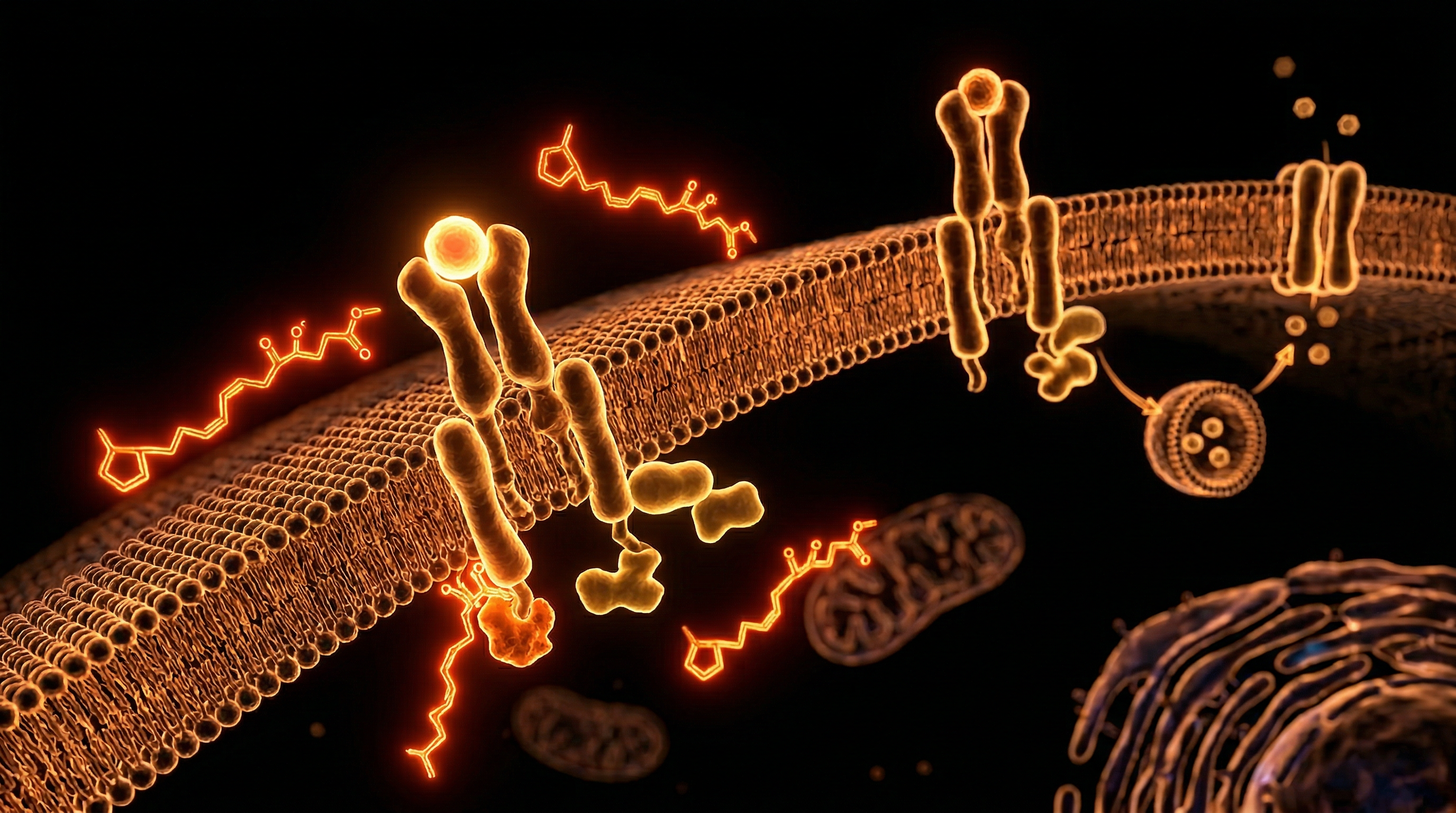
When we ingest these unstable oils, they do not just "burn" for fuel. They are incorporated into our cell membranes and the membranes of our mitochondria (the powerhouses of the cell). Because these fats are so prone to oxidation, they undergo a process called lipid peroxidation inside the body. This creates a chain reaction of free radical damage.
The human body is warm (37°C) and saturated with oxygen—the perfect environment for a polyunsaturated fat to turn rancid. Unlike saturated fats, which provide a clean-burning and stable source of energy, linoleic acid acts as a pro-oxidant, triggering a cascade of cellular "rusting."
Cardiolipin: The Heart of Metabolism
One of the most critical sites of seed oil damage is cardiolipin, a unique phospholipid found exclusively in the inner mitochondrial membrane. Cardiolipin is essential for the proper functioning of the Electron Transport Chain (ETC), where ATP (energy) is produced.
For the ETC to work efficiently, cardiolipin must be composed primarily of stable fats. When the diet is high in linoleic acid, the body begins to build cardiolipin using LA. This "omega-6 enriched" cardiolipin is exquisitely sensitive to oxidation. When it oxidises, the mitochondrial membrane becomes "leaky," leading to:
- A decrease in ATP production (low energy).
- An increase in Reactive Oxygen Species (ROS) (oxidative stress).
- The initiation of apoptosis (cell death).
Mechanisms at the Cellular Level
The link between seed oils and insulin resistance is not a vague association; it is a precisely mapped biochemical pathway. The primary driver is the accumulation of toxic breakdown products from linoleic acid, most notably 4-Hydroxynonenal (4-HNE).
4-HNE: The Destroyer of Signalling
As linoleic acid oxidises in the tissues, it produces 4-HNE, a highly reactive aldehyde. 4-HNE acts as a "metabolic monkey wrench." It binds to proteins, DNA, and, most crucially, the Insulin Receptor Substrate (IRS-1).
When 4-HNE binds to the insulin receptor, it physically prevents insulin from sending its signal into the cell. The cell becomes "deaf" to insulin. This is the very definition of Insulin Resistance. In response, the pancreas pumps out more insulin to force the signal through, leading to hyperinsulinaemia—the root cause of weight gain, high blood pressure, and metabolic syndrome.
Adipose Tissue Dysfunction
Under normal conditions, our fat cells (adipocytes) are healthy storage depots. However, a diet high in seed oils changes the way fat cells behave.
- Hyperplasia vs. Hypertrophy: Healthy weight gain involves making more fat cells (hyperplasia). Seed oil-induced weight gain causes existing fat cells to grow larger (hypertrophy).
- The Inflammatory Threshold: When fat cells become too large and engorged with linoleic acid, they become inflamed. They begin to leak inflammatory cytokines like TNF-alpha and IL-6.
- Lipolysis and Ectopic Fat: These dysfunctional, "angry" fat cells lose their ability to hold onto fat. They begin leaking free fatty acids into the bloodstream even when you aren't eating. This fat then travels to the liver and pancreas, causing Non-Alcoholic Fatty Liver Disease (NAFLD) and further worsening insulin resistance.
Important Fact: Research has shown that the half-life of linoleic acid in human adipose tissue is approximately 2 years. This means it takes years of avoidance to "purge" these toxic fats from your systemic stores.
The Role of PPAR-gamma
Linoleic acid and its metabolites act as potent activators of PPAR-gamma, a master regulator of fat cell creation. By constantly stimulating this pathway, seed oils "force" the body to create new fat cells and expand existing ones, essentially "trapping" the body in a fat-storage mode from which it is biochemically difficult to escape through exercise alone.
Environmental Threats and Biological Disruptors
The danger of seed oils is compounded by the industrial processes used to extract them. Unlike butter or olive oil, which can be obtained through simple mechanical pressing, industrial oils require a heavy chemical and thermal intervention.
The Deodorising Deception
Industrial oils like soybean and rapeseed are naturally foul-smelling and grey after extraction. To make them "food grade," they undergo RBD processing: Refining, Bleaching, and Deodorising.
- Hexane Extraction: Seeds are soaked in hexane, a neurotoxic petroleum solvent, to extract the maximum amount of oil.
- High-Heat Deodorisation: To remove the rancid smell, the oil is heated to over 200°C. This process inevitably creates trans fats and lipid peroxides before the bottle even reaches the supermarket shelf.
The "Yellow Oil" Ubiquity
The primary "environmental threat" is the sheer difficulty of avoidance. In the modern food environment, seed oils are the "filler" of choice. They are found in:
- Processed Foods: Biscuits, cakes, crackers, and breads.
- Condiments: Almost all commercial mayonnaise, salad dressings, and sauces.
- Restaurant Food: Almost every commercial kitchen uses "vegetable oil" or "frying oil" because it is cheap.
- Infant Formula: Many formulas use corn or soy oil as their primary fat source, priming the next generation for metabolic dysfunction from birth.
Glyphosate and Synergistic Toxicity
Modern seed crops (soy, corn, rapeseed) are often genetically modified to be "Roundup Ready." This means they are sprayed heavily with glyphosate. Emerging research suggests a synergistic toxicity between glyphosate and the high omega-6 content of these oils, further damaging the gut microbiome and increasing intestinal permeability (Leaky Gut), which triggers the systemic inflammation that drives insulin resistance.
The Cascade: From Exposure to Disease
The progression from a "standard" diet to Type 2 Diabetes is a multi-stage cascade driven by the accumulation of polyunsaturated fats in the tissues.
Stage 1: The Accumulation Phase
For years, the individual consumes "heart-healthy" spreads, margarines, and processed snacks. Linoleic acid levels in the cell membranes rise from a healthy 2-4% to 20% or more. The body’s antioxidant defences (like Vitamin E and Glutathione) are slowly depleted as they try to neutralise the constant lipid peroxidation.
Stage 2: Mitochondrial Burnout
The mitochondria, particularly in the muscles and liver, become inefficient. ROS production increases. The individual begins to feel "sluggish" and experiences "brain fog." This is the beginning of metabolic inflexibility—the inability to switch easily between burning fat and burning glucose.
Stage 3: The Breakthrough of Insulin Resistance
As 4-HNE levels rise, insulin signalling is impaired. Post-prandial (after-meal) blood sugar stays elevated for longer. The pancreas compensates by producing more insulin. This state—Pre-diabetes—can go undetected for a decade because standard fasting glucose tests often appear "normal" while fasting insulin is sky-high.
Stage 4: Ectopic Fat and Organ Failure
The adipose tissue can no longer safely sequester fat. Fat begins to accumulate in the liver (NAFLD) and the pancreas. When the pancreatic beta cells—the cells that produce insulin—become clogged with fat and oxidative products, they begin to die.
Stage 5: Type 2 Diabetes
The pancreas can no longer keep up with the demand for insulin. Blood sugar levels spike uncontrollably. At this stage, the mainstream medical system typically intervenes with drugs to lower blood sugar, yet the underlying "poison"—the systemic load of oxidised omega-6—remains unaddressed.
What the Mainstream Narrative Omits
The refusal of major health organisations to acknowledge the seed oil crisis is one of the greatest scandals in modern nutritional science.
The Cholesterol Distraction
The mainstream focus has been obsessively fixed on LDL cholesterol. Seed oils do lower LDL cholesterol compared to saturated fats. Because of this, they were granted "Heart Healthy" status. However, this is a dangerous half-truth.
While seed oils lower the quantity of LDL, they drastically worsen the quality of LDL. Seed oils make LDL particles small, dense, and—most importantly—oxidised. It is Oxidised LDL (oxLDL) that drives atherosclerosis and arterial plaque, not LDL itself. By recommending seed oils to lower cholesterol, the "authorities" have inadvertently increased the rate of heart disease and metabolic dysfunction.
The Suppression of the Sydney Diet Heart Study
In the late 1960s, a major clinical trial called the Sydney Diet Heart Study was conducted. One group replaced saturated fats with safflower oil (high in linoleic acid). The results were suppressed for decades. When the data was finally re-analysed in 2013 by Dr. Christopher Ramsden and published in the British Medical Journal, it revealed that the group eating the seed oils had a higher risk of death from all causes and heart disease, despite having lower cholesterol.
The Conflict of Interest
Why is this information not in the headlines?
- Corporate Funding: The American Heart Association and similar bodies have historically received significant funding from the edible oil industry (e.g., Procter & Gamble, the original makers of Crisco).
- Agricultural Subsidies: The production of soy, corn, and rapeseed is heavily subsidised. These oils are "too big to fail" in the current economic model.
Callout: The "Heart Healthy" checkmark on a bottle of corn oil is not a sign of nutritional value; it is a sign of successful corporate lobbying.
The UK Context
In the United Kingdom, the situation is particularly acute. The UK has one of the highest rates of obesity and metabolic disease in Europe, and the British food environment is saturated with industrial fats.
The "Vegetable Oil" Label
In UK supermarkets, the term "Vegetable Oil" is a legal catch-all. It almost never contains "vegetables." It is almost exclusively highly refined Rapeseed Oil or Sunflower Oil. Consumers are often misled into thinking these are "natural" products of the garden, rather than industrial products of the refinery.
The "Chippie" Culture and Reused Oil
One of the most dangerous sources of seed oils in the UK is the tradition of deep-fried foods. When seed oils are heated repeatedly—as is common in fish and chip shops or fast-food outlets—the concentration of Cyclic Fatty Acid Monomers and Acrylamide increases exponentially. Reheating seed oils is a recipe for creating highly mutagenic and metabolic-disrupting compounds.
The NHS Guidelines
Current NHS Eatwell Guide recommendations still encourage the use of "unsaturated fats" and "lower-fat spreads" (margarine) over butter. This advice is based on the outdated "Saturated Fat-Heart Disease" hypothesis and fails to account for the modern understanding of PUFA-induced oxidative stress and mitochondrial damage. The UK's reliance on these guidelines is a primary driver of the nation's burgeoning T2D crisis, costing the NHS billions of pounds annually.
Protective Measures and Recovery Protocols
If you have spent decades consuming seed oils, your tissues are likely saturated with linoleic acid. However, the body is resilient. Recovery is possible through a deliberate, long-term strategy of "oxidative detoxification."
1. Eliminate the "Hateful Eight"
The most important step is the total elimination of the most common industrial oils:
- Soybean Oil
- Corn Oil
- Cottonseed Oil
- Sunflower Oil
- Safflower Oil
- Rapeseed Oil (Canola)
- Rice Bran Oil
- Grapeseed Oil
Check every label. You will find these in breads, oat milks, vegan "meats," and almost all processed snacks.
2. Return to Ancestral Fats
Replace industrial oils with stable, nutrient-dense fats that the human body is evolved to process:
- Tallow and Suet: Highly stable, rich in Stearic Acid (which actually improves mitochondrial function).
- Butter and Ghee: Contains butyrate for gut health and Vitamin K2 for heart health.
- Extra Virgin Olive Oil: (Use cold or for low heat; ensure it is a high-quality, single-origin source to avoid adulteration).
- Coconut Oil: Highly stable medium-chain triglycerides.
- Avocado Oil: A stable monounsaturated option for higher heat.
3. Focus on Vitamin E and Antioxidants
To clear out the stored linoleic acid, you must protect your tissues from the oxidation that occurs as those fats are released from storage.
- Vitamin E (Alpha-Tocopherol): The body’s primary defence against lipid peroxidation. Supplementing with high-quality, mixed tocopherols and tocotrienols can help protect membranes during the "purge" phase.
- Selenium: Essential for the production of glutathione peroxidase, which neutralises lipid peroxides.
- Glycine: Found in collagen and bone broth; helps support liver detoxification.
4. Optimize the Omega-6 to Omega-3 Ratio
While avoiding omega-6 is the priority, increasing Omega-3 (EPA and DHA) from animal sources (oily fish, cod liver oil) can help dampen the systemic inflammation caused by years of seed oil excess. Aim for a ratio as close to 1:1 as possible, rather than the 15:1 or 20:1 ratio common in the modern diet.
5. Time-Restricted Feeding
Giving the body periods of "fasted" time allows the insulin levels to drop and encourages the process of autophagy—the cellular "housecleaning" that can help remove damaged mitochondria and oxidised proteins.
Summary: Key Takeaways
The path to reversing insulin resistance and reclaiming metabolic health requires a fundamental shift in how we view dietary fat.
- Seed oils are an evolutionary mismatch. Our biology is not equipped to handle the massive influx of polyunsaturated linoleic acid seen in the modern diet.
- The mechanism is oxidative, not just caloric. Seed oils cause insulin resistance by damaging the mitochondrial membrane (cardiolipin) and producing toxic aldehydes (4-HNE) that "break" the insulin receptor.
- Stability is everything. Saturated fats are the preferred fuel for the human body because they are chemically stable. PUFAs are "volatile" and prone to turning into metabolic poison inside the body.
- The "Heart Healthy" narrative is a myth. Replacing saturated fat with seed oils may lower total cholesterol, but it increases the oxidation of LDL and the risk of metabolic disease.
- Detoxification takes time. Because linoleic acid is stored in body fat, it can take 2-4 years of strict avoidance to fully restore the fatty acid composition of your tissues to healthy levels.
The rise of Type 2 Diabetes is not an inevitability of ageing or a simple lack of willpower. It is the predictable outcome of a global population being fed a diet of industrial lubricants. By removing these metabolic disruptors and returning to ancestral, stable fats, we can begin the process of healing the human engine from the inside out.
The choice is yours: continue to fuel the fire of oxidation, or return to the stable foundations of human biology.
Author: Senior Biological Researcher, INNERSTANDING. Date: October 2023 Keywords: Insulin Resistance, Seed Oils, Linoleic Acid, Metabolism, Type 2 Diabetes, 4-HNE, Mitochondrial Dysfunction.
This article is provided for informational and educational purposes only. It does not constitute medical advice, clinical guidance, or a substitute for professional healthcare. Information reflects cited research at time of publication. Always consult a qualified healthcare professional before acting on any health information.
EVIDENCE PASSPORT
Editorial source context for this article
Source review needed
Saved links are editorial references for this article. They may support specific claims rather than every sentence. Open and assess each source in context. This passport does not independently verify them.
Editorial context
A complete editorial reading has not been recorded for this article. Source links remain available for you to open and assess directly.
Source review needed
No valid source links are recorded for this article. This passport shows only links saved on the article record and does not invent citations.
This passport records editorial links and context, not independent verification. Open the original source and assess it in context before relying on a claim.
Medical Disclaimer
The information in this article is for educational purposes only and does not constitute medical advice, diagnosis, or treatment. Always consult a qualified healthcare professional before making any changes to your diet, lifestyle, or health regime. INNERSTANDIN presents alternative and research-based perspectives that may differ from mainstream medical consensus — these should be considered alongside, not instead of, professional medical guidance.
Read Full DisclaimerContinue the thread
Keep this question moving.
Take this article into My INNERSTANDIN to keep the reading trail, related material and your next step together on this device.
Explore this in the Body Map
See where this hits your biology. Interactive anatomy, threats, and protective protocols.