The Hidden Crisis: Soil Depletion, Glyphosate, and the Erosion of Divalent Cation Bioavailability
An in-depth exploration of how modern industrial agriculture and the chemical chelator glyphosate disrupt the bioavailability of essential minerals, focusing on the critical balance of Zinc and Copper in human health.
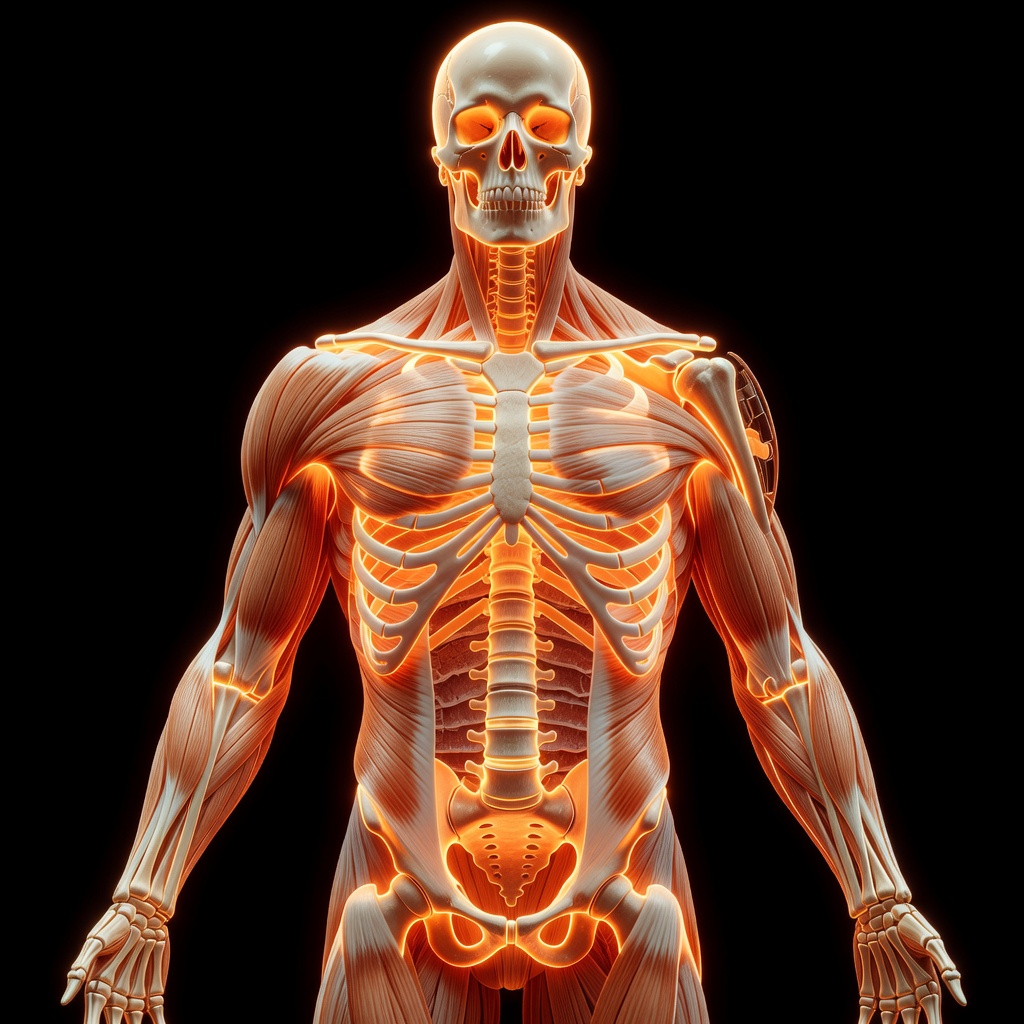
# The Hidden Crisis: Soil Depletion, Glyphosate, and the Erosion of Divalent Cation Bioavailability\n\nIn the landscape of modern health, we are often confronted with a paradox: we are a population that is overfed but undernourished. While caloric intake has increased, the density of essential micronutrients in our diet has plummeted. At INNERSTANDING, we believe that to address the current epidemic of metabolic and immune dysfunction, we must look at the foundation of our food system. The bioavailability of divalent cations—specifically Zinc (Zn2+), Copper (Cu2+), Magnesium (Mg2+), and Calcium (Ca2+)—is being systematically undermined by two primary factors: the exhaustion of our topsoil and the ubiquitous use of the herbicide glyphosate. Understanding this relationship is critical for anyone looking to optimize their Zinc and Copper balance and overall cellular health.\n\n## Beyond Caloric Abundance: The Micronutrient Gap\n\nFor the last seventy years, the success of the global food system has been measured by volume and yield.
The \"Green Revolution\" introduced high-yield crop varieties and synthetic fertilizers, effectively ending mass famine in many parts of the world. However, this success came with a hidden cost. By focusing on Nitrogen, Phosphorus, and Potassium (NPK) to drive plant growth, we neglected the complex web of trace minerals and microbial life that makes food truly nourishing. \n\nToday, a person would need to eat significantly more oranges or stalks of broccoli to receive the same mineral content their grandparents did in the 1940s. This is not merely a matter of quantity; it is a matter of biological availability. When the soil is stripped of its mineral diversity, the plants grown within it are functionally malnourished, and this deficiency is passed directly up the food chain to the human consumer.\n\n## The Geological Bankruptcy: Soil Depletion and the NPK Paradigm\n\nThe story begins with the soil.
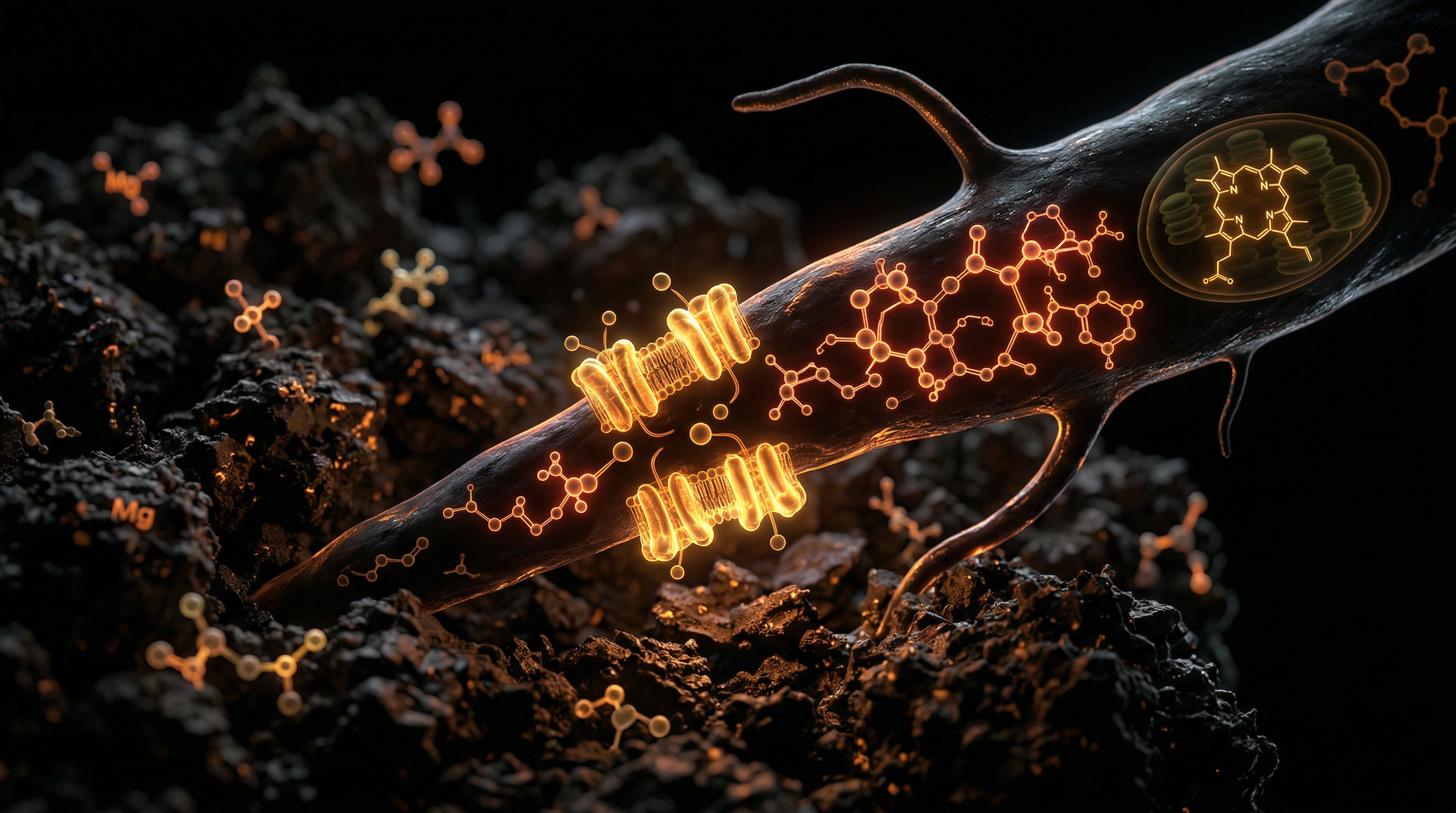
For millions of years, the earth’s topsoil was a complex, living ecosystem teeming with microbial life that assisted in the breakdown of rocks and organic matter, making minerals available to plants. The introduction of synthetic NPK fertilizers allowed for massive harvests but ignored the secondary and trace minerals required for human physiology. \n\nIn the UK, data from geological surveys suggests that the mineral content of our soils has declined by as much as 40% to 60% in the last century. When plants are grown in mineral-depleted soil, they cannot manufacture the complex phytonutrients we rely on, nor can they uptake essential divalent cations. Because these minerals are \"essential,\" meaning our bodies cannot produce them, we are entirely dependent on the soil’s ability to provide them via the food chain. When the soil is bankrupt, the human body eventually follows suit.\n\n## The Glyphosate Mechanism: A Patent for Chelation\n\nWhile soil depletion is a passive process of exhaustion, the introduction of glyphosate—the active ingredient in many popular herbicides—is an active disruptor of mineral bioavailability.
To understand the impact of glyphosate, we must look at its history. Before it was an herbicide, glyphosate was patented as a descaling agent to clean mineral deposits out of industrial pipes. It is a powerful \"chelator,\" a word derived from the Greek \"chele,\" meaning claw.\n\nGlyphosate acts as a molecular claw that tightly binds to divalent cations. When glyphosate is sprayed on crops or persists in the soil, it binds to minerals like Zinc, Copper, and Magnesium, rendering them insoluble and unavailable to the plant. This means that even if a mineral is physically present in the soil, the plant cannot absorb it.
Consequently, the food harvested from these fields is not only lower in mineral content but also contains glyphosate residues that continue to act as chelators within the human body.\n\n## Disrupting the Zinc-Copper Balance\n\nThe balance between Zinc and Copper is one of the most delicate and vital ratios in human biology. Both are divalent cations that compete for the same transport proteins in the gut, yet they perform distinct, essential roles. Zinc is a co-factor for over 300 enzymes, critical for DNA synthesis, immune function, and testosterone production. Copper is essential for mitochondrial energy production (ATP), collagen formation, and iron metabolism.\n\nGlyphosate has a particularly high affinity for Zinc. By sequestering Zinc in the digestive tract, glyphosate can induce a functional Zinc deficiency even in individuals who believe they are consuming adequate amounts.
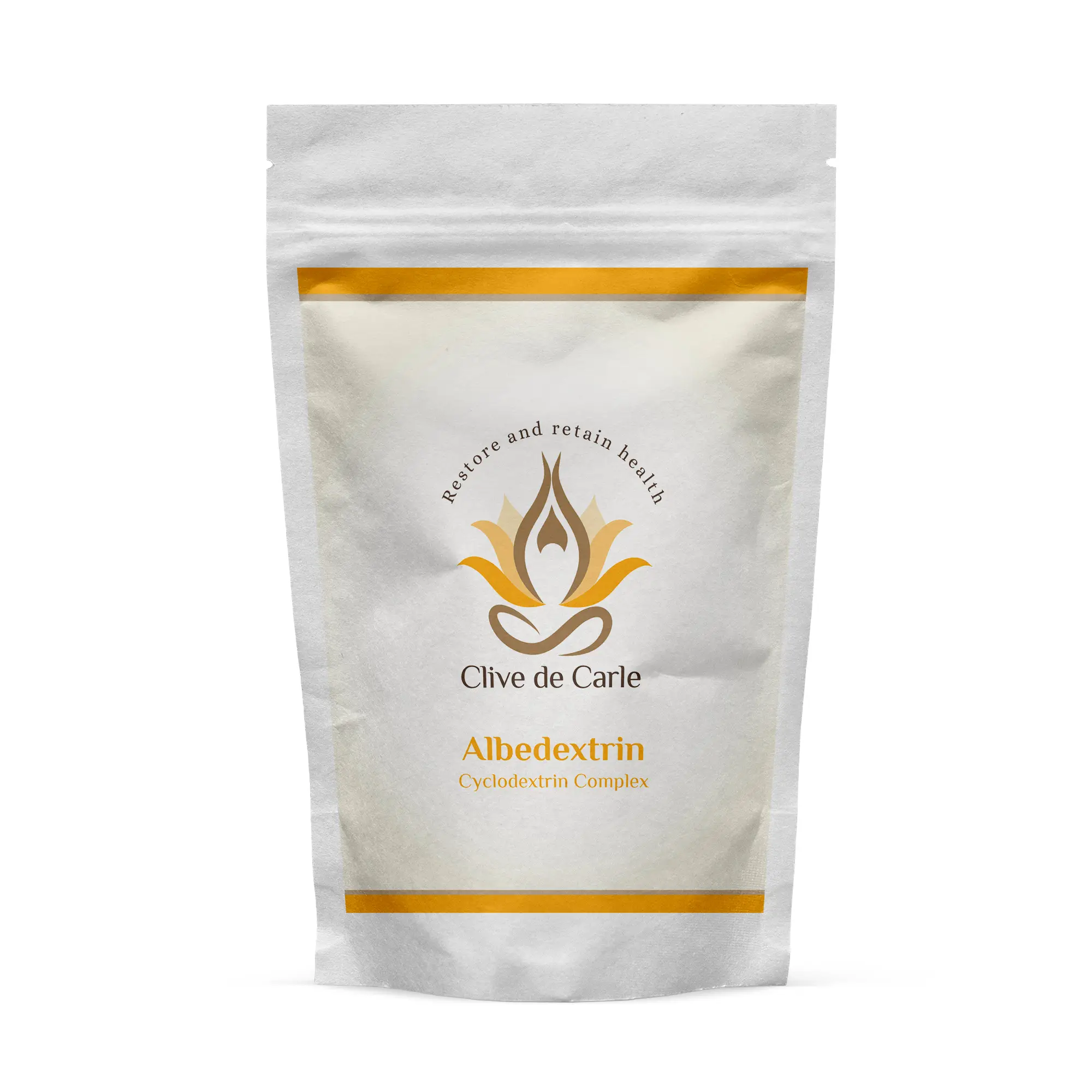
Albedextrin – Specialist Cyclodextrin Complex
Albedextrin is a high-grade cyclodextrin complex designed to support systemic clarity and cellular efficiency when integrated into a structured nutritional protocol. This specialist formula offers a targeted approach to managing internal balance for those committed to deep-level health maintenance.
Vetting Notes
Pending
This disruption often leads to a relative Copper toxicity or, conversely, a functional Copper deficiency if the transport mechanisms (such as the protein ceruloplasmin) are impaired by oxidative stress. This imbalance is a root cause of many \"unexplained\" symptoms, including chronic fatigue, brain fog, and a weakened immune response—issues we frequently see in the UK population today.\n\n## The Biological Cost: Enzymatic Paralysis\n\nWhen we lose the bioavailability of these cations, we face what can be described as enzymatic paralysis. Enzymes are the workhorses of the body; without their specific mineral keys, they cannot function. For example, Superoxide Dismutase (SOD), one of the body’s most powerful internal antioxidants, requires both Zinc and Copper to neutralize free radicals. If these minerals are tied up by glyphosate or missing from the diet, SOD activity drops, leading to systemic inflammation and accelerated cellular aging.\n\nFurthermore, glyphosate’s impact on the gut microbiome—acting as a broad-spectrum antibiotic—further complicates mineral absorption.
A healthy gut microbiome produces organic acids that help keep minerals in a soluble, absorbable state. By destroying beneficial bacteria, glyphosate creates a dysbiotic environment where mineral absorption is further compromised, and the gut barrier (leaky gut) is weakened, allowing toxins to enter the bloodstream directly.\n\n## Restoring the Foundations: A Path Forward\n\nIn the United Kingdom, the heavy use of glyphosate in cereal production (wheat, barley, and oats) is a major concern. Many of these crops are treated just before harvest in a process called desiccation, which results in high levels of glyphosate residue in our staple foods. For the INNERSTANDING community, the path forward involves a conscious shift in how we source our nutrition.\n\nFirstly, prioritizing organic and regenerative agriculture is essential. Foods grown without synthetic pesticides and with regenerative practices often have significantly higher mineral counts and zero glyphosate residues.
Secondly, we must support soil health initiatives; supporting local UK farmers who focus on soil microbiology is an investment in your long-term health. Thirdly, targeted mineral testing, such as Hair Tissue Mineral Analysis (HTMA), can provide a clearer picture of your Zinc and Copper balance than standard blood tests.\n\n## Conclusion: Reclaiming Our Biological Heritage\n\nThe depletion of our soil and the chemical interference of glyphosate represent a significant challenge to modern health. However, by understanding the root causes—the erosion of divalent cation bioavailability—we can make informed choices to protect our biology. At INNERSTANDING, we believe that reclaiming our health starts with reclaiming the integrity of our food. By choosing mineral-dense, chemical-free nutrition, we provide our bodies with the essential elements needed for the intricate dance of Zinc and Copper, ensuring vitality from the ground up.
This article is provided for informational and educational purposes only. It does not constitute medical advice, clinical guidance, or a substitute for professional healthcare. Information reflects cited research at time of publication. Always consult a qualified healthcare professional before acting on any health information.
RESEARCH FOUNDATIONS
Biological Credibility Archive
Citations provided for educational reference. Verify via PubMed or institutional databases.
Medical Disclaimer
The information in this article is for educational purposes only and does not constitute medical advice, diagnosis, or treatment. Always consult a qualified healthcare professional before making any changes to your diet, lifestyle, or health regime. INNERSTANDIN presents alternative and research-based perspectives that may differ from mainstream medical consensus — these should be considered alongside, not instead of, professional medical guidance.
Read Full DisclaimerReady to learn more?
Continue your journey through our classified biological research.
DISCUSSION ROOM
Members of THE COLLECTIVE discussing "The Hidden Crisis: Soil Depletion, Glyphosate, and the Erosion of Divalent Cation Bioavailability"
SILENT CHANNEL
Be the first to discuss this article. Your insight could help others understand these biological concepts deeper.
THE ARSENAL
Based on Zinc & Copper Balance — products curated by our research team for educational relevance and biological support.
Albedextrin – Specialist Cyclodextrin Complex

Immuno – Daily Support for the Immune System
Rejuvenation Pack – Essential Vitamins and Minerals for Health Restoration
INNERSTANDING may earn a commission on purchases made through these links. All products are selected based on rigorous educational relevance to our biological research.
RABBIT HOLE
Follow the biological thread deeper