
Glyphosate and the Celiac Surge
Updated May 2026
The rise in UK gluten sensitivity correlates with glyphosate application on wheat crops, yet the NHS ignores this environmental trigger. Biological pathways of intestinal permeability are explored in the context of herbicide exposure.
Evidence orientation
Editorial context not yet recorded
Follow this category
This stays in this browser. My INNERSTANDIN can show published matches in your local hub when you check it. It does not send email, push, or alert notifications.
Local learning review
A private browser aid for revisiting ideas. It is not an alert or a health recommendation.
Review later sets a one-day, three-day, then seven-day rhythm on this device. Choose it only when you want to revisit this article.
Overview
In the last three decades, the United Kingdom has witnessed a staggering and disproportionate rise in the prevalence of Celiac disease (CD) and Non-Celiac Gluten Sensitivity (NCGS). What was once considered a rare genetic intolerance affecting a small fraction of the population has mutated into a public health crisis, with the NHS reporting a four-fold increase in diagnoses since 1990. However, the prevailing clinical narrative—which attributes this surge almost exclusively to "better screening" and "genetic predisposition"—is increasingly viewed by biological researchers as an incomplete, if not intentionally reductive, explanation.
At INNERSTANDING, our investigation into the molecular drivers of this epidemic points to a significant, yet systemically ignored, environmental catalyst: Glyphosate. As the world’s most widely used broad-spectrum herbicide, glyphosate is the active ingredient in formulations like Roundup. While marketed as "safe for humans" because it targets a metabolic pathway absent in mammalian cells, this claim ignores the fundamental reality of the human holobiont—our reliance on a vast internal ecosystem of microbes that do possess this pathway.
The correlation between the adoption of pre-harvest desiccation (the practice of spraying wheat crops with glyphosate just days before harvest to accelerate drying) and the exponential rise in gluten-related enteropathies is too precise to be coincidental. This article explores the biochemical mechanism by which glyphosate disrupts intestinal integrity, destroys microbial balance, and primes the human immune system to perceive a staple protein—gluten—as a mortal threat.
Fact: Since the mid-1990s, the application of glyphosate to wheat crops in the UK has increased by over 400%, mirroring the exact timeline of the rise in Celiac diagnoses and "idiopathic" gluten intolerance.
The Biology — How It Works
To understand why a herbicide would cause a localized autoimmune reaction in the gut, we must first dismantle the primary safety myth surrounding glyphosate. The chemical’s manufacturer, and by extension the regulatory bodies that rely on industry-funded data, argue that glyphosate is non-toxic to humans because it inhibits the Shikimate pathway. This pathway is used by plants, bacteria, and fungi to synthesise essential aromatic amino acids: phenylalanine, tyrosine, and tryptophan.
Because humans do not possess the enzymes for the Shikimate pathway (we must obtain these amino acids from our diet), the chemical was deemed safe. However, this logic fails to account for the human microbiome.
The Microbial Middleman
The 100 trillion bacteria residing in the human gastrointestinal tract do utilise the Shikimate pathway. These microbes are not mere passengers; they are central to our metabolic health, neurotransmitter production, and immune regulation. When we consume glyphosate residues on bread, pasta, and cereals, we are effectively ingesting an antibiotic that selectively kills "beneficial" bacteria (such as Lactobacillus and Bifidobacterium) while allowing "pathogenic" strains (like Clostridia and Salmonella) to thrive, as the latter are frequently glyphosate-resistant.
The Loss of Tryptophan and Serotonin
By disrupting the Shikimate pathway in our gut flora, glyphosate limits the availability of tryptophan. Tryptophan is the direct precursor to serotonin, 90% of which is produced in the gut. A deficiency in gut-level serotonin is a hallmark of Celiac disease and is linked to the impaired motility and "brain fog" frequently reported by those with gluten sensitivity.
Molecular Mimicry and Protein Misfolding
Furthermore, glyphosate is an analogue of the amino acid glycine. Emerging research suggests that the body may mistakenly incorporate glyphosate into human proteins in place of glycine. If glyphosate is inserted into the structure of enzymes or structural proteins like collagen, the resulting protein becomes misfolded and dysfunctional. This molecular "glitch" is a potent trigger for the immune system to begin attacking its own tissues, a foundational step in the development of autoimmunity.
Mechanisms at the Cellular Level
The damage glyphosate inflicts is not limited to microbial disruption; it extends to the very architecture of the intestinal wall. The primary site of Celiac disease is the small intestine, specifically the villi—finger-like projections responsible for nutrient absorption.
Zonulin and the Breach of the Barrier
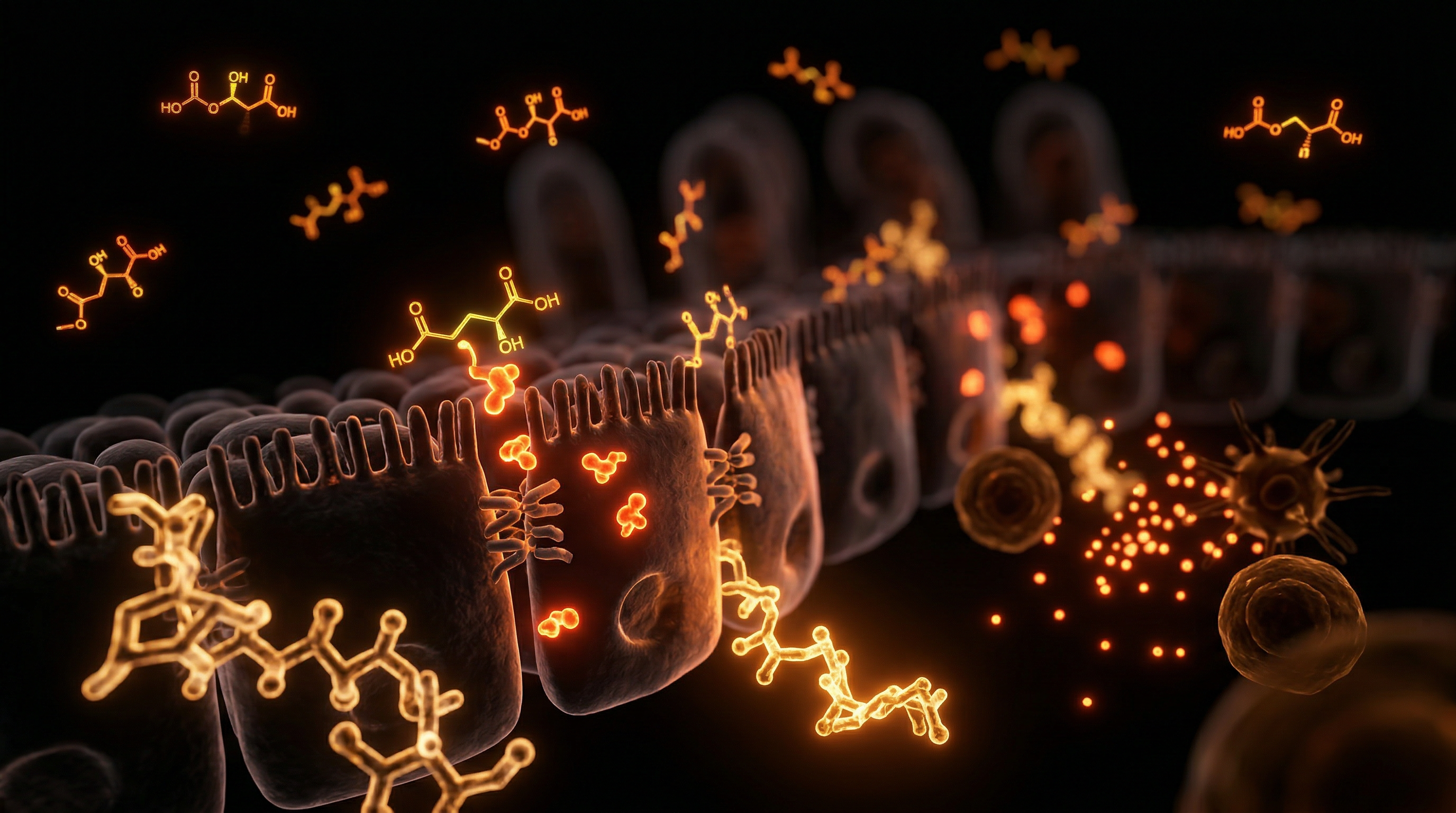
The human gut is lined by a single layer of epithelial cells held together by tight junctions. These junctions act as the "gatekeepers" of the bloodstream. Zonulin is the only known physiological modulator of these junctions. When zonulin levels rise, tight junctions open, leading to intestinal permeability, colloquially known as "Leaky Gut."
Gluten (specifically the gliadin fraction) is a known trigger for zonulin release in genetically susceptible individuals. However, glyphosate acts as a powerful adjuvant. Research indicates that glyphosate exposure directly stimulates the release of zonulin and causes oxidative stress in the epithelial cells, effectively "jamming" the gates open. This allows undigested gluten proteins, glyphosate molecules, and environmental toxins to flood the systemic circulation.
Cytochrome P450 (CYP) Inhibition
One of the most devastating cellular impacts of glyphosate is its inhibition of Cytochrome P450 (CYP) enzymes. These enzymes are a superfamily of heme-thiolate proteins that play a critical role in detoxifying xenobiotics (foreign chemicals) and metabolising vitamin D3 and cholesterol.
Key Statistic: Glyphosate has been shown to inhibit CYP enzymes at concentrations far below those found on commercially treated grain. This inhibition impairs the liver's ability to detoxify other environmental pollutants, creating a synergistic toxic load.
By disabling the CYP enzymes, glyphosate ensures that:
- Retinoic acid (Vitamin A) levels are disrupted, leading to birth defects and mucosal damage.
- Vitamin D3 activation is impaired, weakening the immune system's ability to maintain self-tolerance.
- Bile acid production is hampered, leading to poor fat digestion and "fatty stool"—a classic Celiac symptom.
Environmental Threats and Biological Disruptors
The surge in gluten sensitivity cannot be separated from modern agricultural "efficiency" protocols. In the UK, the threat is not just "Roundup Ready" GMO crops (which are largely prohibited for direct human consumption in the UK), but rather the practice of pre-harvest desiccation.
The Green Burndown
In the UK's damp climate, wheat often matures unevenly. To ensure a uniform harvest and to kill off weeds that might clog machinery, farmers spray the wheat with glyphosate approximately 7 to 10 days before the combine harvester arrives. This is known as the "Green Burndown."
Because the wheat plant is dying as it is sprayed, it undergoes a final "seed dump," channelling its remaining resources into the grain. This ensures that the highest concentration of glyphosate is located exactly where it will be most consumed by humans: the flour. Unlike "Roundup Ready" soy or corn used for animal feed, this wheat is destined for the British high street—for loaves, biscuits, and pastries.
Chelation: The Mineral Thief
Glyphosate was originally patented as a chelator—a chemical designed to strip mineral deposits from industrial pipes. It performs this same function in the soil and the human body. It binds tightly to essential divalent cations, including:
- Manganese (Mn): Required for the function of the enzyme Superoxide Dismutase (SOD), which protects the gut from oxidative damage.
- Zinc (Zn): Crucial for intestinal wall repair and immune function.
- Cobalt (Co): A vital component of Vitamin B12.
When a Celiac patient presents with "malabsorption," the NHS typically blames the damaged villi. However, biological researchers suggest that the minerals were never available for absorption in the first place because they were chelated by glyphosate residues in the food.
The Cascade: From Exposure to Disease
The progression from glyphosate exposure to a clinical diagnosis of Celiac disease follows a predictable, albeit catastrophic, biological cascade. It is a perfect storm of chemical toxicity and immunological confusion.
Stage 1: Dysbiosis and the Overgrowth of Pathogens
The first casualty is the microbiome. As Lactobacillus species decline, the pH of the gut shifts. Pathogenic organisms like Pseudomonas aeruginosa—which are known to thrive in the presence of glyphosate—begin to dominate. These pathogens produce enzymes that can modify gluten proteins, making them more immunogenic (likely to trigger an immune response).
Stage 2: The Breakdown of Oral Tolerance
Under normal conditions, the immune system undergoes "oral tolerance," a process where it learns to ignore harmless food proteins. Glyphosate acts as an adjuvant—a substance that enhances the immune response to an antigen. By causing cellular distress and releasing "danger signals" (cytokines), glyphosate convinces the immune system that the gluten protein entering the bloodstream via the "leaky gut" is a pathogen.
Stage 3: Autoimmune Attack
The immune system produces antibodies against tissue transglutaminase (tTG), an enzyme that normally repairs the gut. In the presence of glyphosate and gluten, tTG becomes cross-linked with gliadin. The body’s T-cells, now hyper-sensitised, begin attacking the intestinal lining itself. This results in villous atrophy, the hallmark of Celiac disease, where the intestinal lining becomes flat and unable to absorb nutrients.
Stage 4: Systemic Complications
The cascade does not stop at the gut. The systemic inflammation and mineral deficiencies (particularly manganese and sulphate) lead to the diverse array of symptoms associated with Celiac disease:
- Neurological: Depression, anxiety, and ataxia (loss of coordination) due to serotonin and manganese depletion.
- Dermatological: Dermatitis herpetiformis, a blistering skin rash.
- Endocrine: Thyroid dysfunction and infertility, linked to the disruption of CYP enzymes and hormonal balance.
What the Mainstream Narrative Omits
The NHS and major medical bodies continue to treat Celiac disease as a "genetic lottery." If you have the HLA-DQ2 or HLA-DQ8 genes, you are simply "unlucky." This narrative is scientifically hollow for several reasons.
The Genetic Fallacy
While 30-40% of the UK population carries the "Celiac genes," only about 1% actually develop the disease. Genetics provides the template, but the environment flips the switch. The mainstream narrative refuses to investigate why that switch is being flipped at an unprecedented rate in the 21st century. To acknowledge glyphosate would be to confront the entire foundation of the industrial food system.
The Misdiagnosis Patterns
The NHS frequently misdiagnoses Celiac patients with Irritable Bowel Syndrome (IBS) for years before an endoscopy confirms villous atrophy. Even then, the "treatment" is a strict gluten-free diet. However, many patients—up to 30%—do not fully recover on a gluten-free diet.
Critical Fact: "Gluten-free" does not mean "glyphosate-free." Many gluten-free substitutes are made from corn, soy, and sugar beets—crops that are even more heavily sprayed with glyphosate than wheat. This explains why many Celiac sufferers continue to experience "refractory" symptoms despite strict gluten avoidance.
The Silencing of the Shikimate Argument
When researchers point to the Shikimate pathway in gut bacteria, regulatory bodies like the European Food Safety Authority (EFSA) and the UK's Health and Safety Executive (HSE) often pivot to "exposure levels." They claim the amount of glyphosate on a slice of bread is "within safe limits." This ignores bioaccumulation and the cocktail effect—the reality that glyphosate is consumed daily, multiple times a day, alongside hundreds of other pesticides that synergistically increase its toxicity.
The UK Context
The situation in the United Kingdom is unique due to our specific agricultural and regulatory landscape. Since leaving the EU, there has been significant pressure on the UK government to diverge from EU pesticide standards, which are generally more precautionary.
The DEFRA and HSE Oversight
The Department for Environment, Food & Rural Affairs (DEFRA) and the HSE oversee pesticide approvals. Despite the WHO’s International Agency for Research on Cancer (IARC) classifying glyphosate as a "probable human carcinogen" in 2015, the UK government has consistently re-authorised its use.
In the UK, the "Red Tractor" assurance scheme—which covers the majority of British wheat—permits the use of glyphosate as a desiccant. This means that even "high quality" British bread is likely contaminated.
The NHS's Blind Spot
The NHS diagnostic pathway for Celiac disease involves blood tests for tTG antibodies followed by a biopsy. At no point in the diagnostic or post-diagnostic process is a patient asked about their environmental exposures or advised to eat organic to avoid chemical triggers. The medical model is purely reactive, treating the end-stage damage rather than identifying the environmental driver.
The Economic Cost
The cost of the Celiac surge to the UK economy is immense. From the NHS burden of chronic disease management to the lost productivity due to "brain fog" and fatigue, the "cheap" herbicide is proving to be incredibly expensive. However, because the profits are privatised (by chemical companies) and the costs are socialised (by the NHS), there is little political will to change the status quo.
Protective Measures and Recovery Protocols
For those suffering from Celiac disease or gluten sensitivity, the journey to health requires more than just avoiding wheat. It requires a systematic detoxification and a restoration of the biological systems damaged by glyphosate.
1. Transition to 100% Organic (The Non-Negotiable)
To stop the damage, one must stop the exposure. Organic certification (such as the Soil Association in the UK) strictly prohibits the use of glyphosate. Transitioning to organic grains (like ancient varieties of Einkorn or Spelt, if tolerated, or organic gluten-free grains) is the only way to ensure glyphosate-free intake.
2. Restore the Shikimate Microbes
The gut needs to be repopulated with the bacteria that glyphosate specifically targets.
- Probiotics: Focus on high-quality, multi-strain probiotics containing Lactobacillus and Bifidobacterium.
- Fermented Foods: Organic sauerkraut, kimchi, and kefir provide live cultures and organic acids that help lower gut pH and inhibit pathogens.
3. Fulvic and Humic Acids
These are natural substances derived from soil organic matter. They act as "binders" in the gut. Research suggests that Fulvic acid can help sequester glyphosate, preventing its absorption and aiding its excretion. They also provide the trace minerals (like manganese and zinc) that glyphosate strips away.
4. Support the CYP Detox Pathways
Since glyphosate inhibits the liver's detox enzymes, supporting the liver is crucial.
- Milk Thistle (Silymarin): Protects liver cells and supports regeneration.
- Dandelion Root: Promotes bile flow.
- Sulfur-Rich Foods: Organic garlic, onions, and cruciferous vegetables provide the sulfur needed for phase II detoxification (which is often depleted in glyphosate-exposed individuals).
5. Manganese Supplementation
Given glyphosate's role as a manganese chelator, many sufferers are profoundly deficient in this mineral. Manganese is essential for mitochondrial health and protecting the gut lining.
Warning: Always consult a functional medicine practitioner before beginning high-dose mineral supplementation, as balance is key to avoiding toxicity.
Summary: Key Takeaways
The "Celiac Surge" is not a mystery; it is a predictable biological consequence of a food system that prioritises chemical convenience over human health.
- The Mechanism: Glyphosate destroys the Shikimate pathway in our gut bacteria, causing profound dysbiosis and a loss of essential amino acids and neurotransmitters like serotonin.
- The Barrier Breach: Glyphosate triggers zonulin release, leading to a "leaky gut" that allows gluten and toxins to enter the bloodstream, initiating an autoimmune cascade.
- The UK Risk: Pre-harvest desiccation (spraying wheat before harvest) is a common practice in the UK, ensuring high residues of glyphosate in the British diet.
- The Genetic Lie: While genetics play a role, the exponential rise in Celiac disease is driven by environmental epigenetic triggers, specifically the increased application of glyphosate.
- The Solution: Recovery requires a shift toward organic consumption, the use of fulvic binders to clear the chemical from the body, and a concerted effort to restore the mineral balance and microbial diversity of the gut.
The NHS must evolve beyond the reductionist view of Celiac disease as a purely genetic condition. Until environmental triggers like glyphosate are addressed at a policy level, the surge in gluten sensitivity will continue to grow, compromising the health of future generations for the sake of an industrial agricultural model that is fundamentally at odds with human biology.
This article is provided for informational and educational purposes only. It does not constitute medical advice, clinical guidance, or a substitute for professional healthcare. Information reflects cited research at time of publication. Always consult a qualified healthcare professional before acting on any health information.
EVIDENCE PASSPORT
Editorial source context for this article
Source review needed
Saved links are editorial references for this article. They may support specific claims rather than every sentence. Open and assess each source in context. This passport does not independently verify them.
Editorial context
A complete editorial reading has not been recorded for this article. Source links remain available for you to open and assess directly.
Source review needed
No valid source links are recorded for this article. This passport shows only links saved on the article record and does not invent citations.
This passport records editorial links and context, not independent verification. Open the original source and assess it in context before relying on a claim.
Medical Disclaimer
The information in this article is for educational purposes only and does not constitute medical advice, diagnosis, or treatment. Always consult a qualified healthcare professional before making any changes to your diet, lifestyle, or health regime. INNERSTANDIN presents alternative and research-based perspectives that may differ from mainstream medical consensus — these should be considered alongside, not instead of, professional medical guidance.
Read Full DisclaimerContinue the thread
Keep this question moving.
Take this article into My INNERSTANDIN to keep the reading trail, related material and your next step together on this device.
Explore this in the Body Map
See where this hits your biology. Interactive anatomy, threats, and protective protocols.
Dig deeper in the Library
Free, longform PDF volumes that go beyond headlines into mechanisms and references.