
Glyphosate’s Siege on the British Microbiome
Updated May 2026
Widespread herbicide use in UK agriculture is systematically decimating beneficial gut flora through the shikimate pathway. Fermented foods offer a critical mechanism for microbial recovery and toxicological buffering.
Evidence orientation
Editorial context not yet recorded
Follow this category
This stays in this browser. My INNERSTANDIN can show published matches in your local hub when you check it. It does not send email, push, or alert notifications.
Local learning review
A private browser aid for revisiting ideas. It is not an alert or a health recommendation.
Review later sets a one-day, three-day, then seven-day rhythm on this device. Choose it only when you want to revisit this article.
Overview
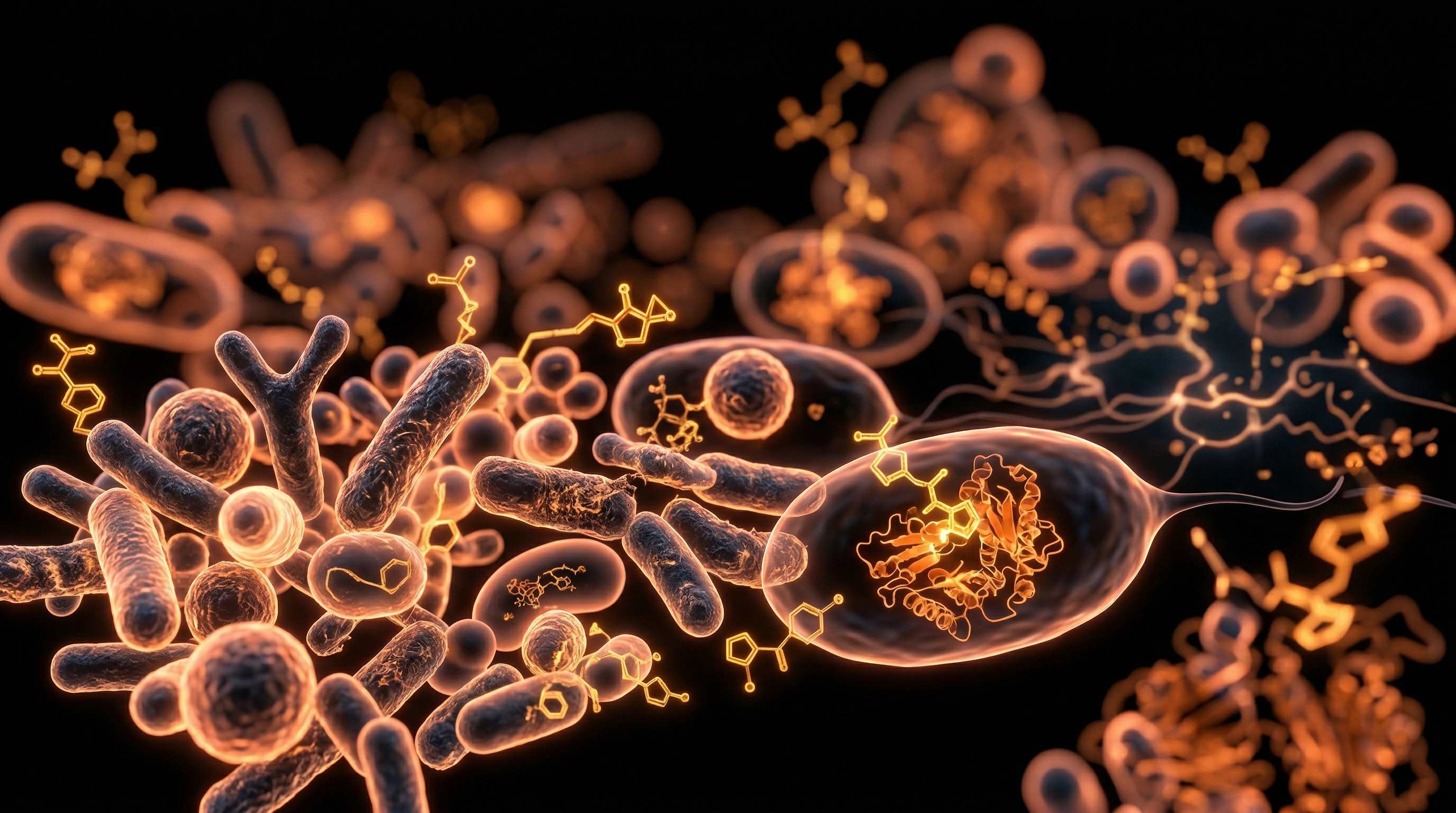
For decades, the British landscape has been the staging ground for a quiet, molecular war. While the rolling hills of the Cotswolds and the vast arable plains of East Anglia appear serene, they are saturated with a chemical agent that is fundamentally altering the biological heritage of the British people. Glyphosate, the active ingredient in the world’s most widely used herbicide, has moved far beyond its intended purpose as a weedkiller. It has become a pervasive environmental contaminant, an omnipresent dietary staple, and, most alarmingly, a potent disruptor of the human microbiome.
The prevailing narrative, championed by agrochemical giants and reinforced by historical regulatory frameworks, posits that glyphosate is essentially non-toxic to humans. This claim rests on a single, narrow biological premise: that glyphosate targets the shikimate pathway, a metabolic route used by plants and bacteria to synthesise essential amino acids, which humans ostensibly lack. However, this "safe" designation ignores a critical reality of human physiology. We are not solitary organisms; we are holobionts. We rely on trillions of symbiotic microorganisms inhabiting our gastrointestinal tract—the gut microbiota—to perform essential metabolic functions. These microbes do possess the shikimate pathway.
By targeting this pathway, glyphosate acts as a broad-spectrum antibiotic, selectively decimating beneficial bacterial species while allowing pathogenic, resilient strains to flourish. In the United Kingdom, where glyphosate is used extensively for pre-harvest desiccation of wheat and barley, the exposure levels are among the highest in Europe. This has led to a systematic "siege" on the British microbiome, contributing to the skyrocketing rates of autoimmune disorders, metabolic syndromes, and neurodegenerative conditions currently straining the National Health Service (NHS).
This article serves as a comprehensive scientific exposé on the mechanisms of glyphosate toxicity, its specific impact on the British population, and the critical role that fermented foods and probiotic medicine play in reclaiming our biological sovereignty.
Fact: Recent testing has shown that glyphosate residues are present in nearly 60% of all British bread samples, including those marketed as high-fibre or "healthy" wholemeals.
The Biology — How It Works
To understand the siege, one must first understand the target. The primary mechanism of glyphosate is the inhibition of the enzyme 5-enolpyruvylshikimate-3-phosphate synthase (EPSPS). This enzyme is a catalyst in the shikimate pathway, which is responsible for the biosynthesis of three essential aromatic amino acids: phenylalanine, tyrosine, and tryptophan.
The Shikimate Pathway: The Foundation of Life
Without these amino acids, organisms cannot produce proteins, neurotransmitters, or secondary metabolites necessary for survival. In plants, the inhibition of EPSPS leads to a total metabolic collapse and death within days. In the human context, the "official" safety profile suggests that because we do not have EPSPS enzymes in our own human cells, we are immune to this effect.
However, the human gut is home to a complex ecosystem of bacteria that are the primary manufacturers of these amino acids for our benefit. When we ingest glyphosate residues in our food and water, we are essentially introducing a chronic, low-dose antibiotic into this delicate ecosystem.
Selective Toxicity and Dysbiosis
Not all bacteria respond to glyphosate with equal sensitivity. Scientific research has revealed a disturbing trend: beneficial bacteria, such as Lactobacillus and Bifidobacterium, are highly sensitive to glyphosate. Conversely, many highly pathogenic bacteria, including Salmonella typhimurium, Clostridium perfringens, and Escherichia coli, have evolved or possess inherent resistance to glyphosate.
This creates a state of dysbiosis—a microbial imbalance. When the "peacekeeping" bacteria are suppressed, the "opportunistic" pathogens proliferate. This shift does not happen overnight; it is a cumulative process, a slow-motion erosion of the microbial barrier that protects the gut lining and modulates the immune system.
The Tryptophan Depletion Problem
Tryptophan is the direct precursor to serotonin, the "feel-good" neurotransmitter, and melatonin, the hormone that regulates sleep. Approximately 90% of the body’s serotonin is produced in the gut by specialised cells and modulated by the microbiome. By disrupting the shikimate pathway in our gut bacteria, glyphosate effectively throttles the production of tryptophan. This biochemical bottleneck has profound implications for the mental health crisis in the UK, potentially linking agricultural practices to the rising incidence of depression and anxiety.
Mechanisms at the Cellular Level
Beyond the shikimate pathway, glyphosate exerts its influence through several other insidious cellular mechanisms. These effects occur at concentrations far below the "Acceptable Daily Intake" (ADI) set by regulatory bodies.
Chelation and Mineral Deficiency
Glyphosate was originally patented as a powerful chelator (a chemical that binds tightly to metal ions). In the soil and within the human gut, glyphosate binds to essential minerals, particularly manganese, cobalt, zinc, and iron.
- Manganese is a vital co-factor for the enzyme superoxide dismutase (SOD), which protects mitochondria from oxidative stress.
- It is also required for the function of the urea cycle and the synthesis of neurotransmitters.
- By sequestering these minerals, glyphosate induces a functional deficiency, even if the diet is nominally "balanced."
Cytochrome P450 (CYP) Inhibition
A significant, yet often overlooked, mechanism is the inhibition of Cytochrome P450 (CYP) enzymes. These enzymes are responsible for detoxifying xenobiotics (foreign chemicals) and metabolising vitamin D and cholesterol. By inhibiting CYP enzymes, glyphosate enhances the toxicity of other environmental pollutants, including plastics (BPA), heavy metals, and other pesticides. This is known as the synergistic toxicity effect, where the whole is far more lethal than the sum of its parts.
Mitochondrial Dysfunction
Recent studies have indicated that glyphosate can uncouple oxidative phosphorylation in the mitochondria. The mitochondria are the "powerhouses" of the cell, and their dysfunction is a hallmark of chronic fatigue, fibromyalgia, and Parkinson’s disease. In the British context, where the "tired all the time" (TATT) syndrome is a leading cause for GP consultations, the mitochondrial impact of glyphosate-contaminated food cannot be ignored.
Fact: Glyphosate has been shown to disrupt tight junctions in the intestinal epithelium—the proteins that keep the gut lining sealed. This is the primary driver of Leaky Gut Syndrome (increased intestinal permeability).
Environmental Threats and Biological Disruptors
The threat of glyphosate is not confined to the farm gate. Its chemical stability and solubility in water mean that it has permeated every level of the British environment.
Pre-Harvest Desiccation: The British Peculiarity
In the UK, a common agricultural practice is "desiccation." Farmers spray wheat, barley, and oilseed rape with glyphosate shortly before harvest to kill the plant and dry it out uniformly. This facilitates an easier harvest but ensures that the highest concentrations of the chemical are found on the grain itself, which is then milled into flour and consumed. Unlike many other pesticide applications that occur early in the growing season, desiccation happens just days before the food reaches the processing facility.
The "Cocktail Effect" of Roundup
It is crucial to distinguish between pure glyphosate and commercial formulations like Roundup. These formulations contain surfactants such as polyethoxylated tallowamine (POEA). Research indicates that these adjuvants are often more toxic than glyphosate itself, as they act to "grease the wheels," allowing the glyphosate to penetrate cell membranes more effectively. Regulatory assessments often only test the isolated active ingredient, ignoring the enhanced toxicity of the final product used in British fields.
Contamination of the Water Table
The British water infrastructure is under immense pressure. Glyphosate and its primary metabolite, AMPA (aminomethylphosphonic acid), are frequently detected in UK river systems and groundwater. While water treatment facilities attempt to filter these out, the sheer volume of agricultural runoff means that traces often remain in the domestic tap water supply, further contributing to the chronic low-dose exposure of the urban population.
The Cascade: From Exposure to Disease
The disruption of the microbiome and cellular mechanisms leads to a predictable cascade of physiological failure. This cascade often manifests as chronic, multi-systemic illnesses that appear unrelated but share a common origin in the gut.
Autoimmune Epidemic
The "Leaky Gut" caused by glyphosate allows undigested food particles, bacterial toxins (lipopolysaccharides), and the chemical itself to enter the bloodstream. This triggers a chronic inflammatory response. The immune system, in a state of constant high alert, begins to lose the ability to distinguish between foreign invaders and the body’s own tissues. This is the foundation of the UK's rising rates of Hashimoto’s thyroiditis, rheumatoid arthritis, and inflammatory bowel disease (IBD).
Neurodegeneration and the Gut-Brain Axis
The connection between the gut and the brain is bidirectional. When the microbiome is in a state of glyphosate-induced dysbiosis, it produces neurotoxic metabolites. Furthermore, the loss of manganese and the disruption of the glutamate-glutamine cycle in the brain—both linked to glyphosate—are associated with Alzheimer’s disease and Parkinson’s. In the UK, deaths from dementia have become a leading cause of mortality, mirroring the increased use of glyphosate in the agricultural sector over the last three decades.
Metabolic Syndrome and Obesity
The microbiome plays a pivotal role in how we harvest energy from food. Dysbiosis is closely linked to insulin resistance and obesity. By killing off the bacteria that regulate glucose metabolism and promote satiety, glyphosate may be a significant, yet unrecognised, factor in the UK's obesity crisis.
What the Mainstream Narrative Omits
The debate over glyphosate is often framed as a conflict between "science-based" regulators and "alarmist" activists. However, a deeper look at the archives reveals a different story.
The Antibiotic Patent
One of the most suppressed truths in this field is that glyphosate was officially patented as an antibiotic in 2010 (US Patent No. 7,771,736). The patent explicitly describes its ability to inhibit the growth of various bacteria. Despite this, regulatory bodies like the Health and Safety Executive (HSE) in the UK continue to evaluate it solely as a herbicide. To label a chemical as "safe" for the gut when it is a patented antibiotic is a profound scientific contradiction.
The Failure of the "Threshold" Model
Toxicology has historically relied on the "dose makes the poison" model, assuming there is a threshold below which a chemical is harmless. Modern endocrine disruption science proves this false. Certain chemicals can be more harmful at extremely low doses than at high doses because they interfere with the body's delicate hormonal signalling. Glyphosate has been identified as a potential endocrine disruptor, affecting oestrogen receptors and interfering with reproductive health.
Industry-Funded Studies
The safety data used by European and British regulators to re-approve glyphosate are largely based on unpublished studies conducted by the manufacturers themselves. Independent, peer-reviewed studies—which more frequently show adverse effects—are often dismissed by regulators as "lacking the necessary GLP (Good Laboratory Practice) certification," a bureaucratic hurdle that favours industry-funded labs.
The UK Context
The United Kingdom occupies a unique position in the glyphosate saga. Following Brexit, the UK has the autonomy to diverge from EU regulations. While the EU recently re-authorised glyphosate for another 10 years (despite significant opposition), the UK government has faced intense lobbying from the National Farmers' Union (NFU) to maintain and even expand its use.
The British Diet and Wheat Consumption
The British diet is heavily reliant on wheat-based products. From the morning toast to the afternoon biscuit, the average Briton consumes glyphosate-exposed grain multiple times a day. This "constant drip" of exposure is particularly concerning for children, whose developing microbiomes are more sensitive to chemical insults.
Soil Health and the Future of British Farming
The siege is not only on our bodies but also on our soil. Healthy soil is a living ecosystem, much like the human gut. Glyphosate kills the beneficial fungi and bacteria in the soil that plants need to absorb minerals. This leads to nutrient-deficient crops, creating a vicious cycle where more chemical fertilisers are needed to compensate for the dead soil, further degrading the environment.
The NHS Burden
The long-term health consequences of glyphosate exposure represent a massive "hidden cost" to the British economy. The treatment of chronic diseases—many of which are linked to microbiome disruption—consumes the vast majority of the NHS budget. Shifting toward a glyphosate-free agricultural model could be one of the most effective long-term strategies for "saving" the NHS.
Protective Measures and Recovery Protocols
While the systemic challenge is vast, individuals can take definitive steps to buffer themselves against glyphosate toxicity and restore their microbial health.
The Power of Fermented Foods
Fermented foods are the ultimate antidote to the glyphosate siege. They provide two critical functions: microbial replenishment and toxicological buffering.
- Sauerkraut and Kimchi: These fermented vegetables are rich in Lactobacillus species. Some studies suggest that specific strains of Lactobacillus plantarum actually have the capacity to degrade glyphosate in the gut.
- Kefir: A potent fermented milk drink (or water-based alternative) that contains a diverse array of bacteria and yeasts. Kefir helps to rebuild the mucosal barrier, combatting the "leaky gut" effect.
- Kombucha: The organic acids produced during the fermentation of tea—such as gluconic acid—support the liver’s detoxification pathways, helping the body to clear glyphosate more efficiently.
Organic as a Biological Necessity
In the UK, the "Organic" label is more than just a lifestyle choice; it is a clinical intervention. Organic standards strictly prohibit the use of glyphosate. Transitioning to organic oats, wheat, and pulses is the single most effective way to reduce dietary exposure.
Probiotic Medicine and Targeted Strains
For those already suffering from dysbiosis, targeted probiotic supplementation may be necessary. Look for strains that have been shown to support intestinal integrity and possess high antioxidant activity to counteract the oxidative stress caused by herbicide residues. Bifidobacterium animalis and Saccharomyces boulardii are particularly useful in restoring balance after chemical exposure.
Fulvic and Humic Acids
These natural compounds, derived from soil organic matter, are powerful chelators in their own right. They can bind to glyphosate in the digestive tract, preventing its absorption and facilitating its excretion. They also help to replenish the minerals that glyphosate typically sequesters.
Supporting the Liver
Given glyphosate’s inhibition of CYP enzymes, supporting the liver is paramount. British herbs such as Milk Thistle (Silybum marianum) and Dandelion Root are traditional and effective ways to enhance the liver’s ability to process and eliminate environmental toxins.
Summary: Key Takeaways
- Glyphosate is an Antibiotic: Its primary threat is not to human cells directly, but to the trillions of bacteria in our gut that use the shikimate pathway.
- Dysbiosis is the Result: Exposure suppresses beneficial flora (Lactobacillus) and promotes pathogens (Clostridia), leading to chronic inflammation and "Leaky Gut."
- Nutrient Depletion: Through chelation, glyphosate robs the body of essential minerals like manganese, leading to mitochondrial dysfunction and neurological issues.
- The UK Exposure is High: Pre-harvest desiccation of crops makes British bread and grains a primary source of glyphosate contamination.
- Fermentation is the Solution: Regular consumption of fermented foods (kefir, sauerkraut, etc.) provides the necessary microbial diversity to survive and recover from the glyphosate siege.
- Systemic Change is Needed: Protecting the British microbiome requires a shift away from glyphosate-dependent agriculture toward regenerative and organic practices that prioritise soil and human health.
The siege on the British microbiome is a profound public health crisis, but it is one that can be resisted. By understanding the biology of the threat and embracing the restorative power of probiotic medicine and traditional fermented foods, we can begin the work of biological reconstruction—one gut at a time.
This article is provided for informational and educational purposes only. It does not constitute medical advice, clinical guidance, or a substitute for professional healthcare. Information reflects cited research at time of publication. Always consult a qualified healthcare professional before acting on any health information.
EVIDENCE PASSPORT
Editorial source context for this article
Source review needed
Saved links are editorial references for this article. They may support specific claims rather than every sentence. Open and assess each source in context. This passport does not independently verify them.
Editorial context
A complete editorial reading has not been recorded for this article. Source links remain available for you to open and assess directly.
Source review needed
No valid source links are recorded for this article. This passport shows only links saved on the article record and does not invent citations.
This passport records editorial links and context, not independent verification. Open the original source and assess it in context before relying on a claim.
Medical Disclaimer
The information in this article is for educational purposes only and does not constitute medical advice, diagnosis, or treatment. Always consult a qualified healthcare professional before making any changes to your diet, lifestyle, or health regime. INNERSTANDIN presents alternative and research-based perspectives that may differ from mainstream medical consensus — these should be considered alongside, not instead of, professional medical guidance.
Read Full DisclaimerContinue the thread
Keep this question moving.
Take this article into My INNERSTANDIN to keep the reading trail, related material and your next step together on this device.
Explore this in the Body Map
See where this hits your biology. Interactive anatomy, threats, and protective protocols.
Dig deeper in the Library
Free, longform PDF volumes that go beyond headlines into mechanisms and references.