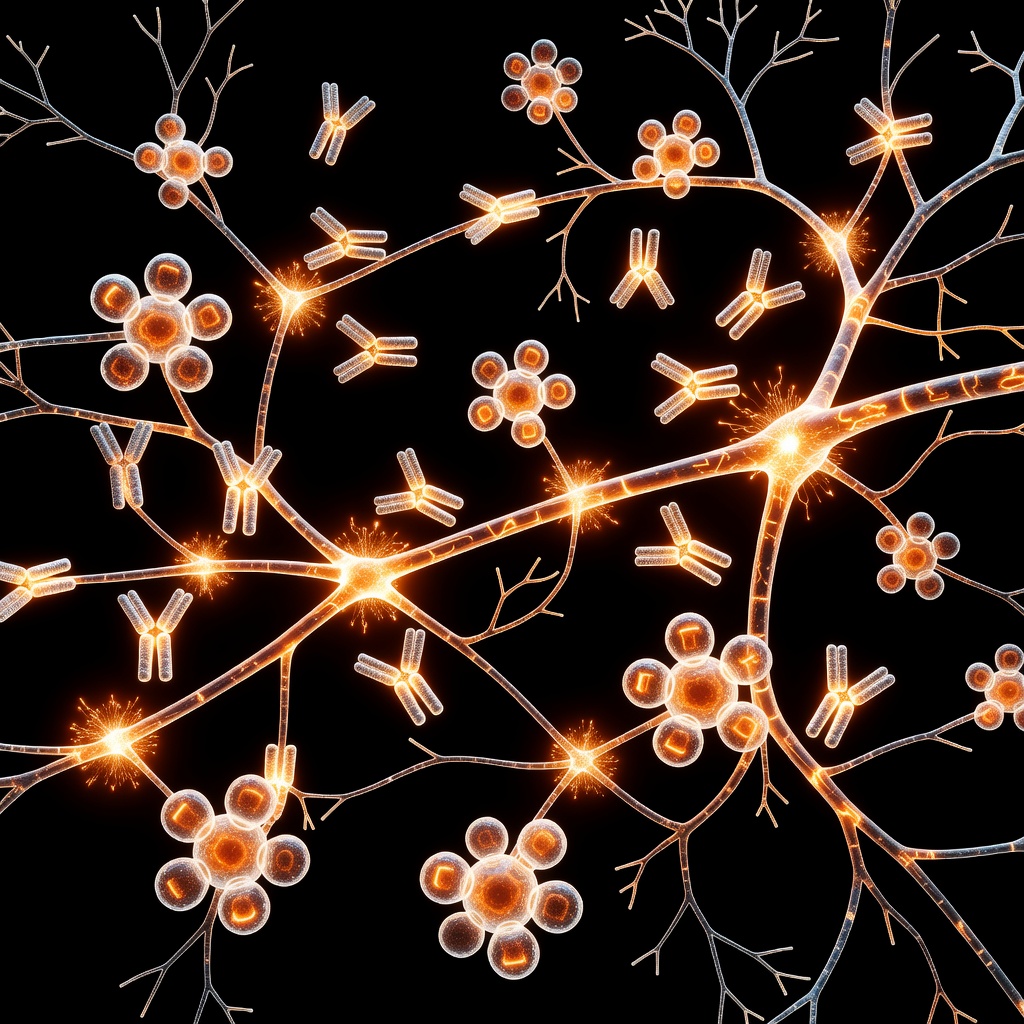
Glyphosate Exposure and the Perturbation of Bcl-2 Family Protein Expression in Hepatic Cells
An exploration into the molecular mechanisms by which glyphosate disrupts liver health by altering the balance between pro- and anti-apoptotic proteins in the Bcl-2 family, leading to programmed cell death.

# Glyphosate Exposure and the Perturbation of Bcl-2 Family Protein Expression in Hepatic Cells. ## Introduction. In the current landscape of environmental toxicology, glyphosate remains one of the most scrutinized compounds. As the active ingredient in broad-spectrum herbicides, its use has surged globally over the last four decades. While regulatory assessments initially focused on the inhibition of the shikimate pathway—a metabolic route found in plants but not mammals—modern research suggests that glyphosate possesses off-target effects that can significantly impact human cellular health. Specifically, the liver, which acts as the primary site for the detoxification of xenobiotics, is uniquely vulnerable.
One of the most critical mechanisms of glyphosate-induced hepatotoxicity is the perturbation of the Bcl-2 family of proteins. These proteins are the master regulators of apoptosis, or programmed cell death. Understanding how glyphosate shifts the balance of these proteins is essential for identifying the root causes of hepatic dysfunction and the rising prevalence of liver-related pathologies. ## The Liver as a Toxicological Gateway. Every substance we ingest, from nutrients to toxins, eventually passes through the liver. When glyphosate enters the systemic circulation via dietary intake or environmental exposure, it is sequestered by hepatocytes for processing.
While glyphosate was long considered to be rapidly excreted, evidence suggests that chronic, low-level exposure can lead to its accumulation in hepatic tissues. The liver's metabolic burden is not limited to the chemical itself but extends to its primary metabolite, aminomethylphosphonic acid (AMPA). During the metabolic breakdown of these compounds, the liver generates reactive oxygen species (ROS) as a byproduct. When the production of ROS outweighs the organ's antioxidant capacity, oxidative stress occurs. This stress is the primary catalyst for the disruption of cellular signaling pathways, most notably the intrinsic pathway of apoptosis governed by the Bcl-2 family. ## The Bcl-2 Family: The Rheostat of Cellular Fate.
To comprehend the impact of glyphosate, one must understand the delicate interplay between members of the B-cell lymphoma 2 (Bcl-2) protein family. This group of proteins functions as a 'molecular rheostat' that determines whether a cell will survive or undergo programmed death. The family is divided into two main functional groups: anti-apoptotic proteins (such as Bcl-2, Bcl-xL, and Mcl-1) and pro-apoptotic proteins (such as Bax, Bak, and the BH3-only proteins). The anti-apoptotic members reside on the outer mitochondrial membrane, where they act as guardians, preventing the release of pro-death factors. In contrast, pro-apoptotic proteins like Bax, when activated, undergo a conformational change and insert themselves into the mitochondrial membrane to form pores.
The ratio of Bax to Bcl-2 within a hepatocyte serves as a critical biomarker for the cell's proximity to death. ## Glyphosate and the Bax/Bcl-2 Disruption. Recent studies utilizing both in vitro human hepatic cell lines (such as HepG2) and in vivo models have demonstrated that glyphosate exposure directly interferes with this rheostat. Specifically, glyphosate has been shown to downregulate the expression of the survival protein Bcl-2 while simultaneously upregulating the expression of the death protein Bax. This inversion of the Bax/Bcl-2 ratio is not a random occurrence but a targeted molecular shift. Glyphosate-induced oxidative stress activates the c-Jun N-terminal kinase (JNK) pathway.
Once activated, JNK can phosphorylate Bcl-2, which leads to its inactivation and eventual degradation by the cell's proteasomal machinery. At the same time, JNK promotes the transcription of Bax and its translocation from the cytosol to the mitochondria. By hitting both ends of the rheostat, glyphosate effectively strips the hepatocyte of its defenses while accelerating its path toward self-destruction. ## Mitochondrial Permeabilization: The Point of No Return. The consequence of a skewed Bax/Bcl-2 ratio is the loss of mitochondrial membrane integrity. As Bax levels increase and Bcl-2 levels decline, Bax is free to oligomerize on the mitochondrial outer membrane.
This process, known as Mitochondrial Outer Membrane Permeabilization (MOMP), is widely recognized as the 'point of no return' in the apoptotic cascade. Once the membrane is breached, cytochrome c—a key component of the electron transport chain—leaks into the cytoplasm. In the cytosol, cytochrome c binds to Apaf-1, forming a large protein complex called the apoptosome. This complex recruits and activates Caspase-9, which in turn triggers the 'executioner' Caspase-3. Caspase-3 systematically dismantles the cell by cleaving structural proteins and activating enzymes that fragment the cell's DNA.
The result is a non-inflammatory but functional loss of hepatic tissue. ## Clinical Implications: From Molecular Stress to Hepatic Disease. While apoptosis is a necessary physiological process for removing damaged cells, the excessive and chronic induction of apoptosis by environmental toxins like glyphosate has serious clinical consequences. In the context of the liver, the constant loss of hepatocytes leads to a state of chronic cellular stress. As hepatocytes die, the liver's resident macrophages, known as Kupffer cells, are activated to clear the debris. This activation releases pro-inflammatory cytokines such as TNF-alpha and interleukin-6, creating a persistent inflammatory environment.
Over time, this cycle of cell death and inflammation triggers the activation of hepatic stellate cells. These cells are responsible for the production of collagen and the formation of extracellular matrix, leading to liver fibrosis. This molecular pathway provides a clear link between glyphosate exposure and the development of non-alcoholic fatty liver disease (NAFLD) and its progression to cirrhosis. In the UK, where liver disease is one of the few major causes of death currently on the rise, understanding these root-cause environmental triggers is more vital than ever. ## Root Cause Mitigation and Support. Addressing glyphosate-induced hepatic stress requires a dual strategy of avoidance and support.
From a root-cause perspective, the most effective intervention is the reduction of glyphosate intake by consuming organic produce, which is grown without the use of synthetic herbicides. Beyond avoidance, nutritional strategies can be employed to protect the Bcl-2 rheostat. Supporting the body's primary antioxidant, glutathione, is essential for neutralizing the ROS that initiate the JNK pathway. Supplements such as N-acetylcysteine (NAC) and alpha-lipoic acid, along with a diet rich in sulfur-containing vegetables, provide the building blocks for glutathione synthesis. Additionally, silymarin, the active compound in milk thistle, has been shown in studies to stabilize mitochondrial membranes and maintain a more favorable Bax/Bcl-2 ratio even under toxic challenge. ## Conclusion.
The educational mission of INNERSTANDING is to look beyond symptoms and into the profound molecular shifts that drive health and disease. Glyphosate's impact on the Bcl-2 family of proteins in the liver is a clear example of how environmental factors can perturb the very essence of cellular survival. By shifting the Bax/Bcl-2 ratio, glyphosate bypasses normal regulatory checks and balances, leading to premature hepatocyte death and the long-term deterioration of liver health. Recognizing these mechanisms allows us to take proactive steps in both our dietary choices and our protocols for hepatic support, ensuring that our internal rheostat remains tipped toward life and vitality.
This article is provided for informational and educational purposes only. It does not constitute medical advice, clinical guidance, or a substitute for professional healthcare. Information reflects cited research at time of publication. Always consult a qualified healthcare professional before acting on any health information.
RESEARCH FOUNDATIONS
Biological Credibility Archive
Citations provided for educational reference. Verify via PubMed or institutional databases.
Medical Disclaimer
The information in this article is for educational purposes only and does not constitute medical advice, diagnosis, or treatment. Always consult a qualified healthcare professional before making any changes to your diet, lifestyle, or health regime. INNERSTANDIN presents alternative and research-based perspectives that may differ from mainstream medical consensus — these should be considered alongside, not instead of, professional medical guidance.
Read Full DisclaimerReady to learn more?
Continue your journey through our classified biological research.
THE ARSENAL
Based on Apoptosis & Cellular Death Mechanisms — products curated by our research team for educational relevance and biological support.
Glutathione Builder – Advanced Amino Acid Formula
MSM Sulphur – Nature’s Forgotten Mineral
Energy Blend Supports
INNERSTANDING may earn a commission on purchases made through these links. All products are selected based on rigorous educational relevance to our biological research.
RABBIT HOLE
Follow the biological thread deeper