All INNERSTANDIN content is for educational purposes only — not medical advice, diagnosis or treatment. Full Disclaimer →

    BACK TO DATABASE
    TAGGED RESEARCH

    #Complex I

    2TRANSMISSIONS FOUND
    E
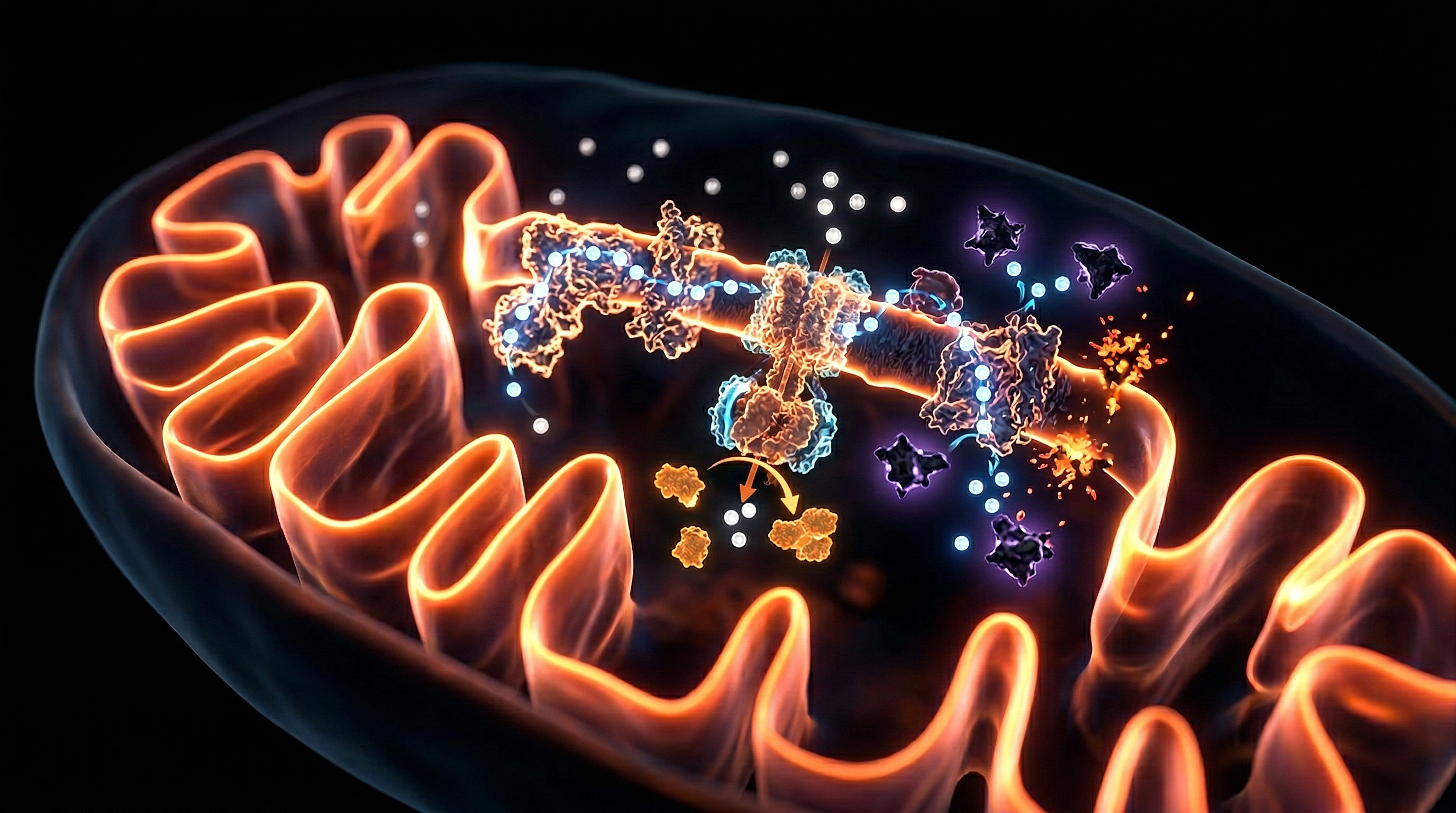
    Scientific illustration for Electron Transport Chain: Where Energy Meets Environmental Toxicity
    Mitochondria
    16 MIN READ

    Electron Transport Chain: Where Energy Meets Environmental Toxicity

    The electron transport chain (ETC) is a series of four protein complexes embedded in the inner mitochondrial membrane that harness the energy released from the oxidation of NADH and FADH2 to pump protons across the membrane, creating an electrochemical gradient that drives ATP synthase — the rotary molecular machine that synthesises ATP from ADP and inorganic phosphate. This exquisitely engineered biological machinery is the primary target of the most potent mitochondrial toxins known: mercury binds to Complex I and Complex II thiol groups, cyanide blocks Complex IV, rotenone (a common pesticide) inhibits Complex I, and aluminium disrupts Complex IV — collectively representing the mechanism by which environmental toxin exposure directly impairs cellular energy production and drives the cascade of bioenergetic failure that underlies chronic fatigue, neurodegenerative disease, and metabolic dysfunction.

    #electron transport chain#Complex I
    E
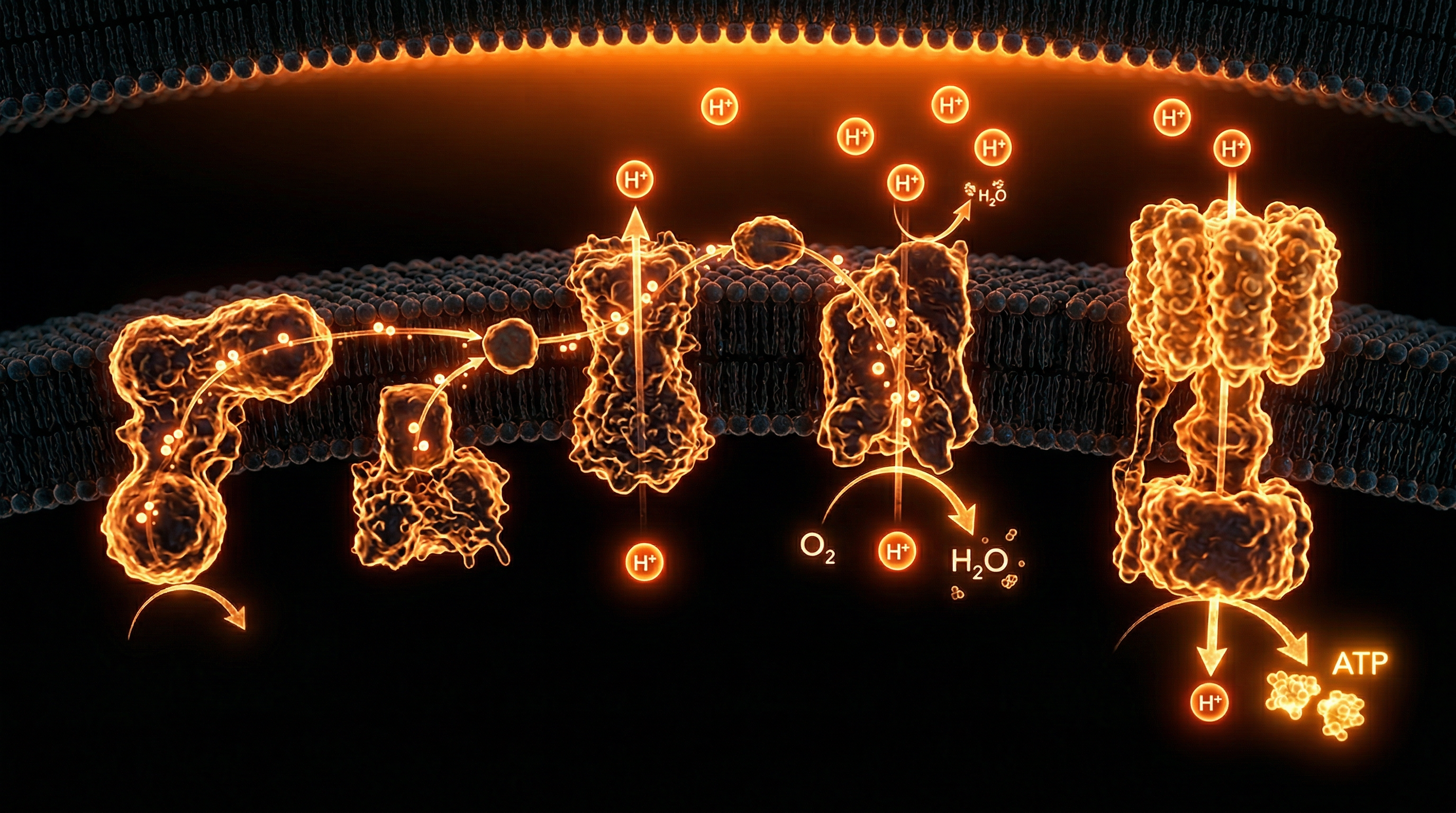
    Scientific illustration for The Electron Transport Chain: Where Energy Becomes Life
    Mitochondria
    15 MIN READ

    The Electron Transport Chain: Where Energy Becomes Life

    The mitochondrial electron transport chain — five protein complexes (I through V) embedded in the inner mitochondrial membrane — is the molecular machinery that extracts energy from glucose, fats, and amino acids to drive the synthesis of ATP, the universal energy currency of all biological life. Heavy metals, particularly mercury and lead, have a specific affinity for the thiol groups of Complex I and Complex II, inhibiting electron flow and causing the uncoupled production of superoxide — one of the most damaging reactive oxygen species. Glyphosate, rotenone, and a range of pharmaceutical agents including statins and metformin are documented Complex I inhibitors, creating a bioenergetic deficit that manifests as the fatigue, cognitive decline, and muscle weakness characteristic of modern chronic illness.

    #electron transport chain#ATP