All INNERSTANDIN content is for educational purposes only — not medical advice, diagnosis or treatment. Full Disclaimer →

    BACK TO DATABASE
    TAGGED RESEARCH

    #mercury

    26TRANSMISSIONS FOUND
    E
    Scientific illustration for Electron Transport Chain: Where Energy Meets Environmental Toxicity
    Mitochondria
    16 MIN READ

    Electron Transport Chain: Where Energy Meets Environmental Toxicity

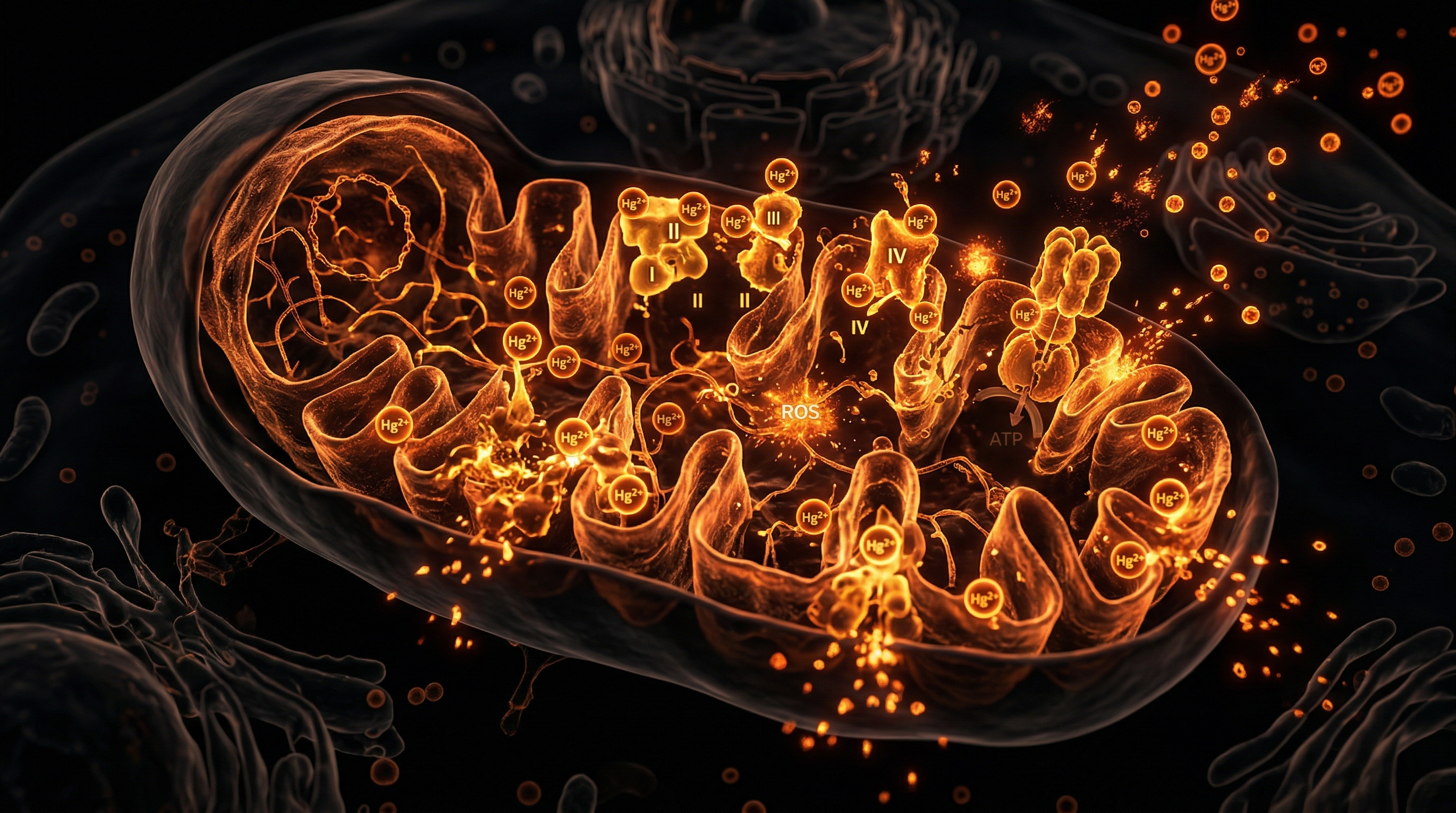
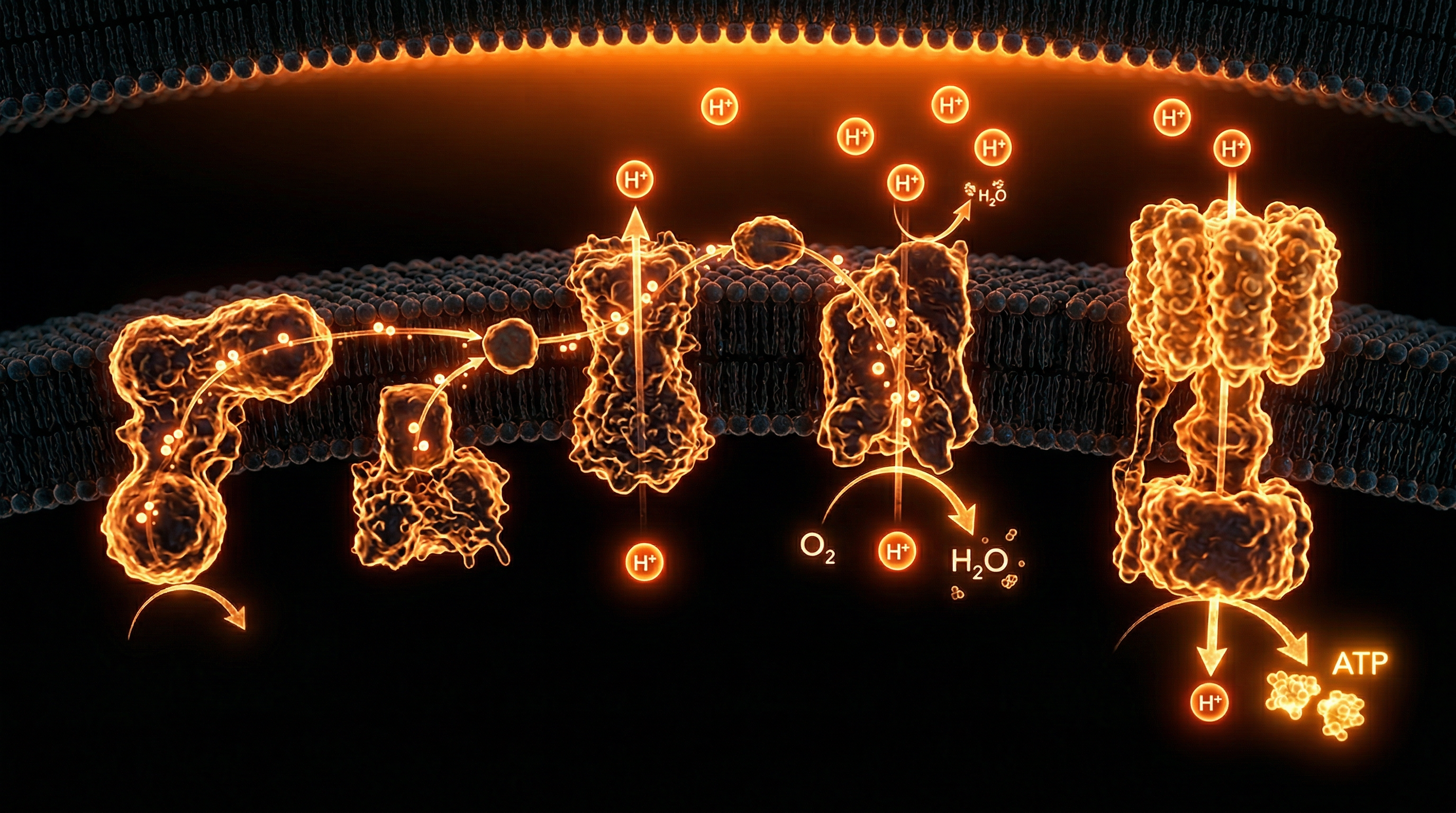
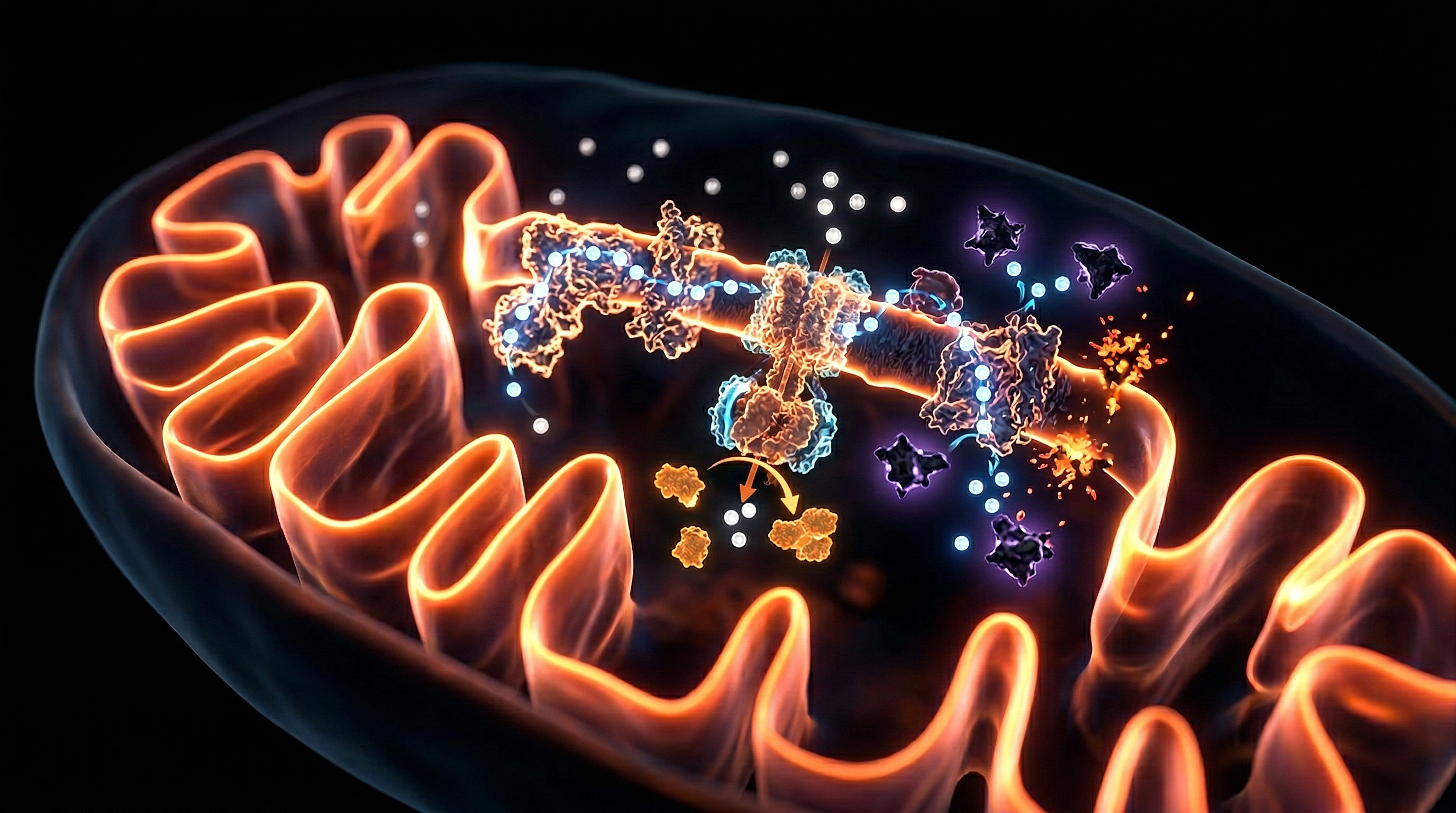
    The electron transport chain (ETC) is a series of four protein complexes embedded in the inner mitochondrial membrane that harness the energy released from the oxidation of NADH and FADH2 to pump protons across the membrane, creating an electrochemical gradient that drives ATP synthase — the rotary molecular machine that synthesises ATP from ADP and inorganic phosphate. This exquisitely engineered biological machinery is the primary target of the most potent mitochondrial toxins known: mercury binds to Complex I and Complex II thiol groups, cyanide blocks Complex IV, rotenone (a common pesticide) inhibits Complex I, and aluminium disrupts Complex IV — collectively representing the mechanism by which environmental toxin exposure directly impairs cellular energy production and drives the cascade of bioenergetic failure that underlies chronic fatigue, neurodegenerative disease, and metabolic dysfunction.

    #electron transport chain#Complex I
    H
    Scientific illustration for Heavy Metals: The Invisible Accumulation Driving Chronic Disease
    Environmental Threats
    14 MIN READ

    Heavy Metals: The Invisible Accumulation Driving Chronic Disease

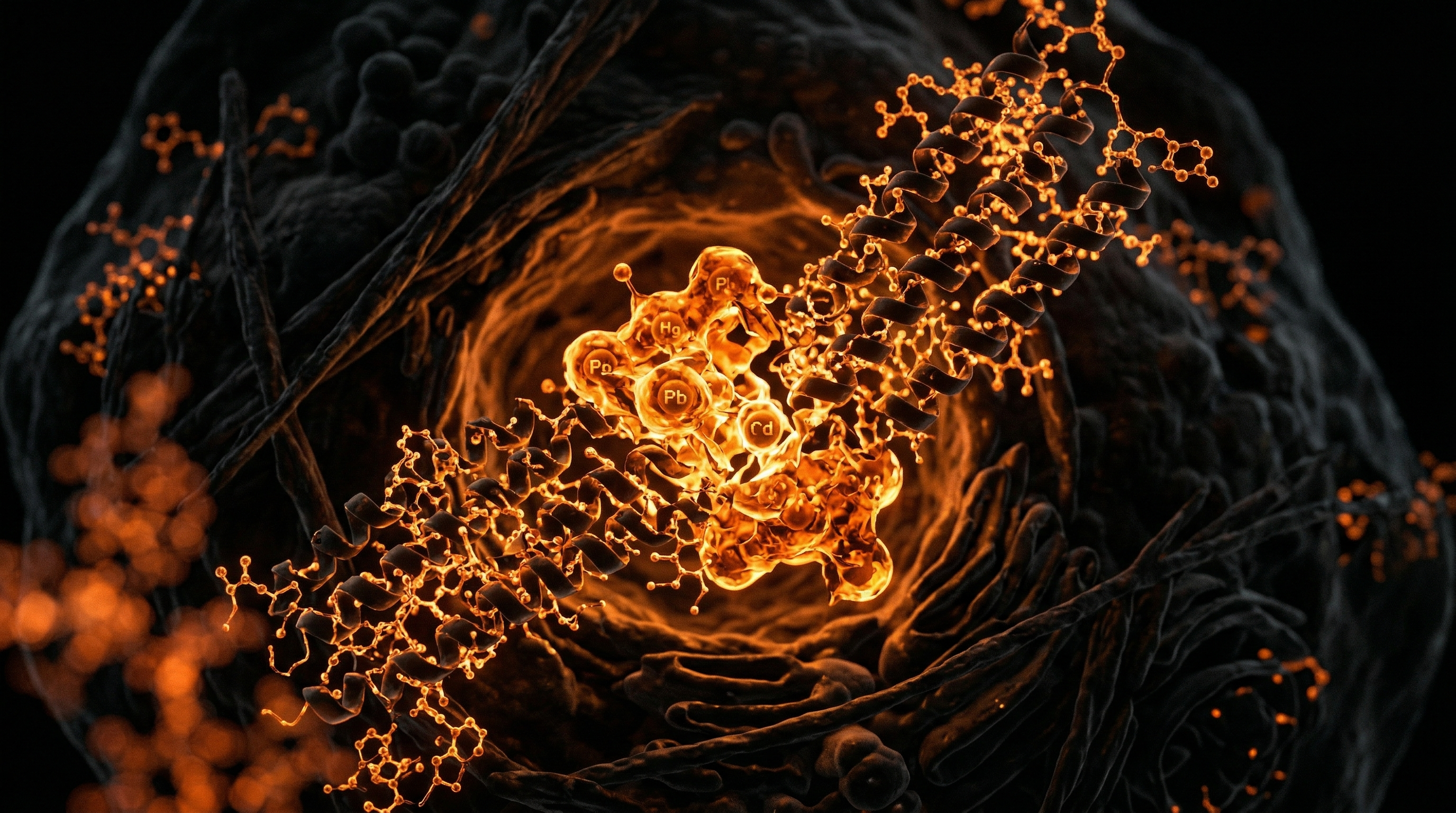
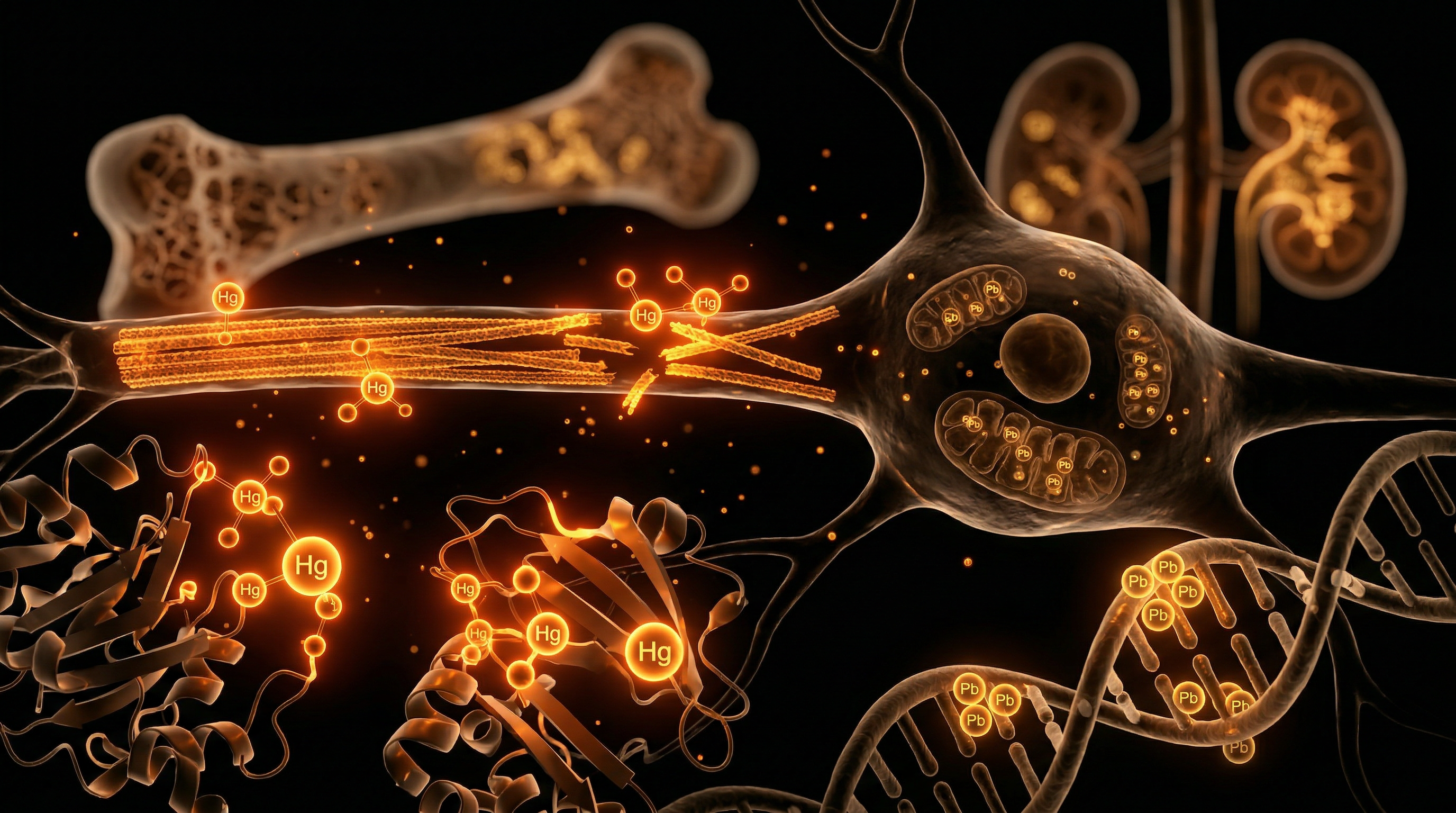
    Heavy metals — including mercury, lead, cadmium, arsenic, aluminium, and nickel — are dense metallic elements that accumulate in biological tissues because they lack metabolic pathways for excretion and have a high affinity for the sulphur-containing compounds found on essential enzymes and structural proteins throughout the body. Exposure routes are ubiquitous in modern Britain: mercury from dental amalgam fillings and contaminated fish, lead from old water pipes and contaminated soils in urban areas, cadmium from cigarette smoke and non-organic vegetables grown on phosphate-fertilised soils, arsenic from contaminated water and rice, and aluminium from cookware, antiperspirants, food additives (E173, E554), and atmospheric aerosols. Individually toxic, heavy metals interact synergistically — producing biological harm at combined exposures far below levels considered individually dangerous — and accumulate progressively over decades in the brain, bone, kidney, and liver, where they displace essential minerals, inhibit enzymes, generate oxidative stress, and drive the chronic disease conditions that now dominate NHS waiting lists.

    #heavy metals#mercury
    M
    Scientific illustration for Mercury Poisoning & Mitochondrial Damage: The ME/CFS Connection
    Environmental Threats
    15 MIN READ

    Mercury Poisoning & Mitochondrial Damage: The ME/CFS Connection

    Mercury from NHS-fitted amalgam dental fillings, predatory fish consumption, and thimerosal-containing pharmaceutical products is one of the most potent mitochondrial toxins known, with a specific affinity for the thiol groups of the electron transport chain enzymes responsible for ATP generation. By crippling cellular energy production, mercury creates the bioenergetic collapse that underlies ME/Chronic Fatigue Syndrome, progressive neurological decline, cardiac dysfunction, and immune dysregulation — conditions the NHS frequently misdiagnoses as psychiatric illness. The European Union's 2024 phase-down of dental amalgam, long resisted by UK dental bodies, represents a partial but belated acknowledgement of what independent toxicologists have been demonstrating for decades.

    #mercury#amalgam
    E
    Scientific illustration for The Electron Transport Chain: Where Energy Becomes Life
    Mitochondria
    15 MIN READ

    The Electron Transport Chain: Where Energy Becomes Life

    The mitochondrial electron transport chain — five protein complexes (I through V) embedded in the inner mitochondrial membrane — is the molecular machinery that extracts energy from glucose, fats, and amino acids to drive the synthesis of ATP, the universal energy currency of all biological life. Heavy metals, particularly mercury and lead, have a specific affinity for the thiol groups of Complex I and Complex II, inhibiting electron flow and causing the uncoupled production of superoxide — one of the most damaging reactive oxygen species. Glyphosate, rotenone, and a range of pharmaceutical agents including statins and metformin are documented Complex I inhibitors, creating a bioenergetic deficit that manifests as the fatigue, cognitive decline, and muscle weakness characteristic of modern chronic illness.

    #electron transport chain#ATP
    H
    Scientific illustration for Heavy Metals in the Brain: Aluminium, Mercury & Neurodegeneration
    Nervous System
    15 MIN READ

    Heavy Metals in the Brain: Aluminium, Mercury & Neurodegeneration

    The accumulation of neurotoxic heavy metals — particularly aluminium, mercury, lead, and arsenic — in brain tissue represents one of the most well-documented yet most clinically underaddressed drivers of the neurodegeneration epidemic afflicting the UK population. Professor Christopher Exley's landmark research demonstrated extraordinarily high aluminium concentrations in the brain tissue of familial Alzheimer's patients; a major 2018 study found aluminium in brain tissue from every individual with autism spectrum disorder examined; and mercury's specific affinity for neuronal thiol groups drives the excitotoxic and inflammatory cascades that underlie both acute neurotoxicity and progressive neurodegeneration. The NHS's near-complete absence of heavy metal screening in neurological practice, despite the strength of this evidence base, represents a catastrophic failure of evidence-based medicine in the context of the greatest neurodegeneration epidemic in human history.

    #heavy metals#aluminium