All INNERSTANDIN content is for educational purposes only — not medical advice, diagnosis or treatment. Full Disclaimer →

    BACK TO DATABASE
    TAGGED RESEARCH

    #lead

    13TRANSMISSIONS FOUND
    H
    Scientific illustration for Heavy Metals: The Invisible Accumulation Driving Chronic Disease
    Environmental Threats
    14 MIN READ

    Heavy Metals: The Invisible Accumulation Driving Chronic Disease

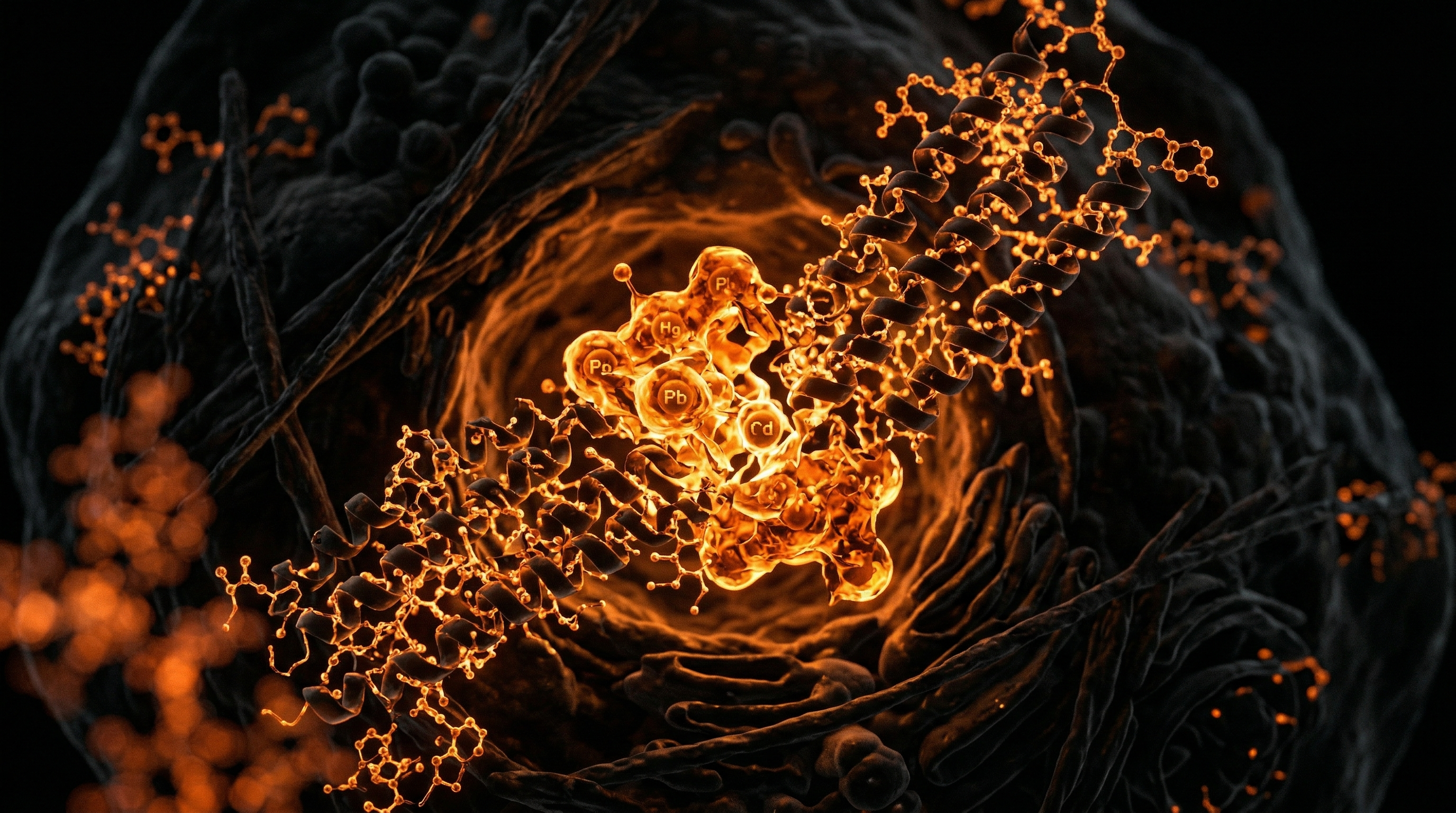
    Heavy metals — including mercury, lead, cadmium, arsenic, aluminium, and nickel — are dense metallic elements that accumulate in biological tissues because they lack metabolic pathways for excretion and have a high affinity for the sulphur-containing compounds found on essential enzymes and structural proteins throughout the body. Exposure routes are ubiquitous in modern Britain: mercury from dental amalgam fillings and contaminated fish, lead from old water pipes and contaminated soils in urban areas, cadmium from cigarette smoke and non-organic vegetables grown on phosphate-fertilised soils, arsenic from contaminated water and rice, and aluminium from cookware, antiperspirants, food additives (E173, E554), and atmospheric aerosols. Individually toxic, heavy metals interact synergistically — producing biological harm at combined exposures far below levels considered individually dangerous — and accumulate progressively over decades in the brain, bone, kidney, and liver, where they displace essential minerals, inhibit enzymes, generate oxidative stress, and drive the chronic disease conditions that now dominate NHS waiting lists.

    #heavy metals#mercury
    W
    Scientific illustration for What's Really in UK Tap Water: Fluoride, Chlorine & Pharmaceutical Residues
    Environmental Threats
    14 MIN READ

    What's Really in UK Tap Water: Fluoride, Chlorine & Pharmaceutical Residues

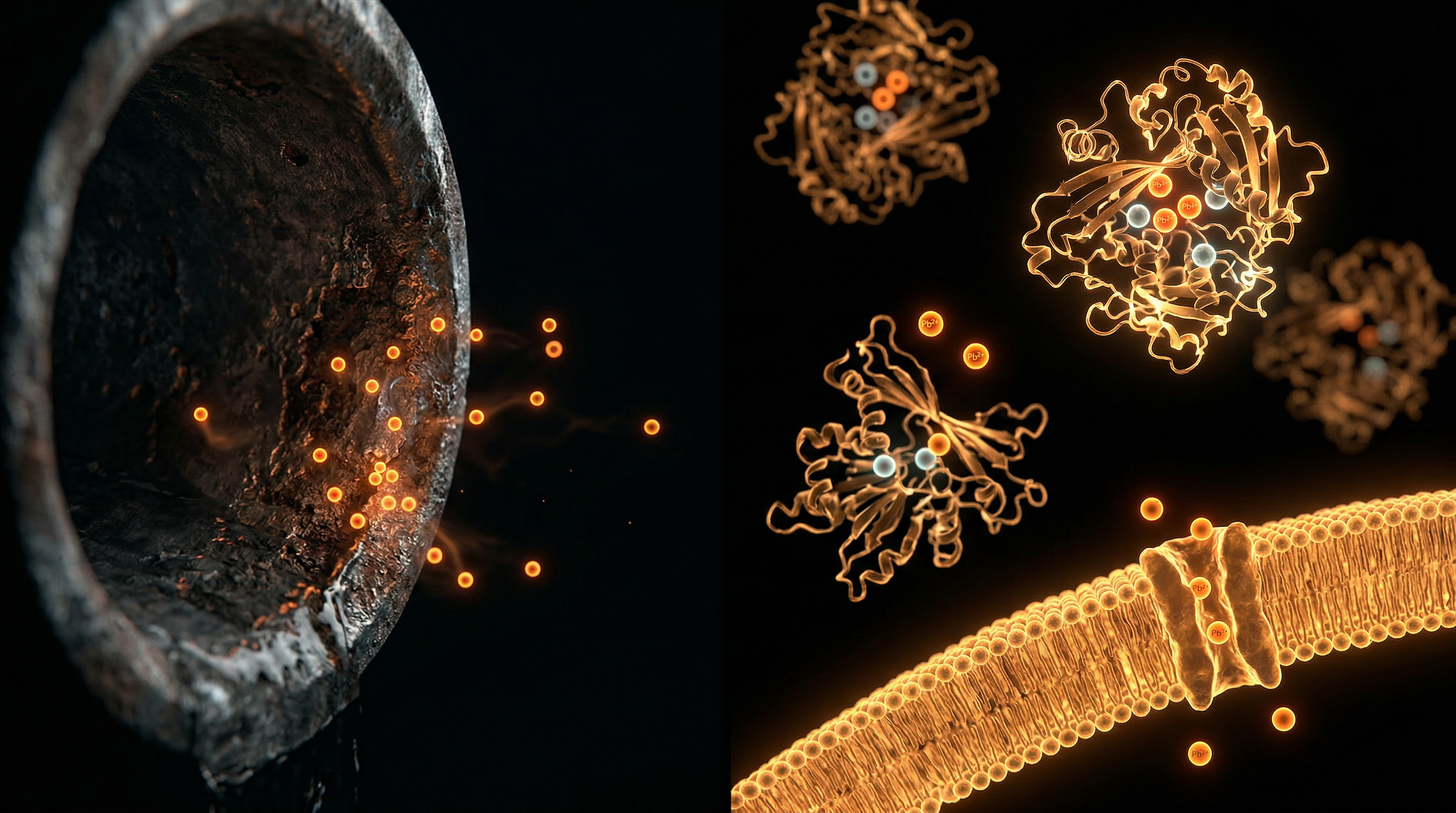
    UK tap water contains a complex cocktail of treatment chemicals, agricultural runoff, industrial pollutants, and pharmaceutical residues that pass through standard water treatment intact. Chlorine and its disinfection byproducts (trihalomethanes) are linked to bladder cancer; fluoride accumulates in calcifying tissues; lead leaches from pre-1970 pipe infrastructure in millions of UK homes; and over 600 pharmaceutical compounds — including antidepressants, hormonal contraceptives, and antibiotics — have been detected in UK waterways at concentrations that affect aquatic biology and reach human consumers through the water cycle. The Drinking Water Inspectorate's standards reflect what is technically achievable, not what is biologically safe.

    #tap water#fluoride
    H
    Scientific illustration for Heavy Metals in the Brain: Aluminium, Mercury & Neurodegeneration
    Nervous System
    15 MIN READ

    Heavy Metals in the Brain: Aluminium, Mercury & Neurodegeneration

    The accumulation of neurotoxic heavy metals — particularly aluminium, mercury, lead, and arsenic — in brain tissue represents one of the most well-documented yet most clinically underaddressed drivers of the neurodegeneration epidemic afflicting the UK population. Professor Christopher Exley's landmark research demonstrated extraordinarily high aluminium concentrations in the brain tissue of familial Alzheimer's patients; a major 2018 study found aluminium in brain tissue from every individual with autism spectrum disorder examined; and mercury's specific affinity for neuronal thiol groups drives the excitotoxic and inflammatory cascades that underlie both acute neurotoxicity and progressive neurodegeneration. The NHS's near-complete absence of heavy metal screening in neurological practice, despite the strength of this evidence base, represents a catastrophic failure of evidence-based medicine in the context of the greatest neurodegeneration epidemic in human history.

    #heavy metals#aluminium