
What's Really in UK Tap Water: Fluoride, Chlorine & Pharmaceutical Residues
Updated August 2026
UK tap water contains a complex cocktail of treatment chemicals, agricultural runoff, industrial pollutants, and pharmaceutical residues that pass through standard water treatment intact. Chlorine and its disinfection byproducts (trihalomethanes) are linked to bladder cancer; fluoride accumulates in calcifying tissues; lead leaches from pre-1970 pipe infrastructure in millions of UK homes; and over 600 pharmaceutical compounds — including antidepressants, hormonal contraceptives, and antibiotics — have been detected in UK waterways at concentrations that affect aquatic biology and reach human consumers through the water cycle. The Drinking Water Inspectorate's standards reflect what is technically achievable, not what is biologically safe.
Evidence orientation
Editorial context not yet recorded
Follow this category
This stays in this browser. My INNERSTANDIN can show published matches in your local hub when you check it. It does not send email, push, or alert notifications.
Local learning review
A private browser aid for revisiting ideas. It is not an alert or a health recommendation.
Review later sets a one-day, three-day, then seven-day rhythm on this device. Choose it only when you want to revisit this article.
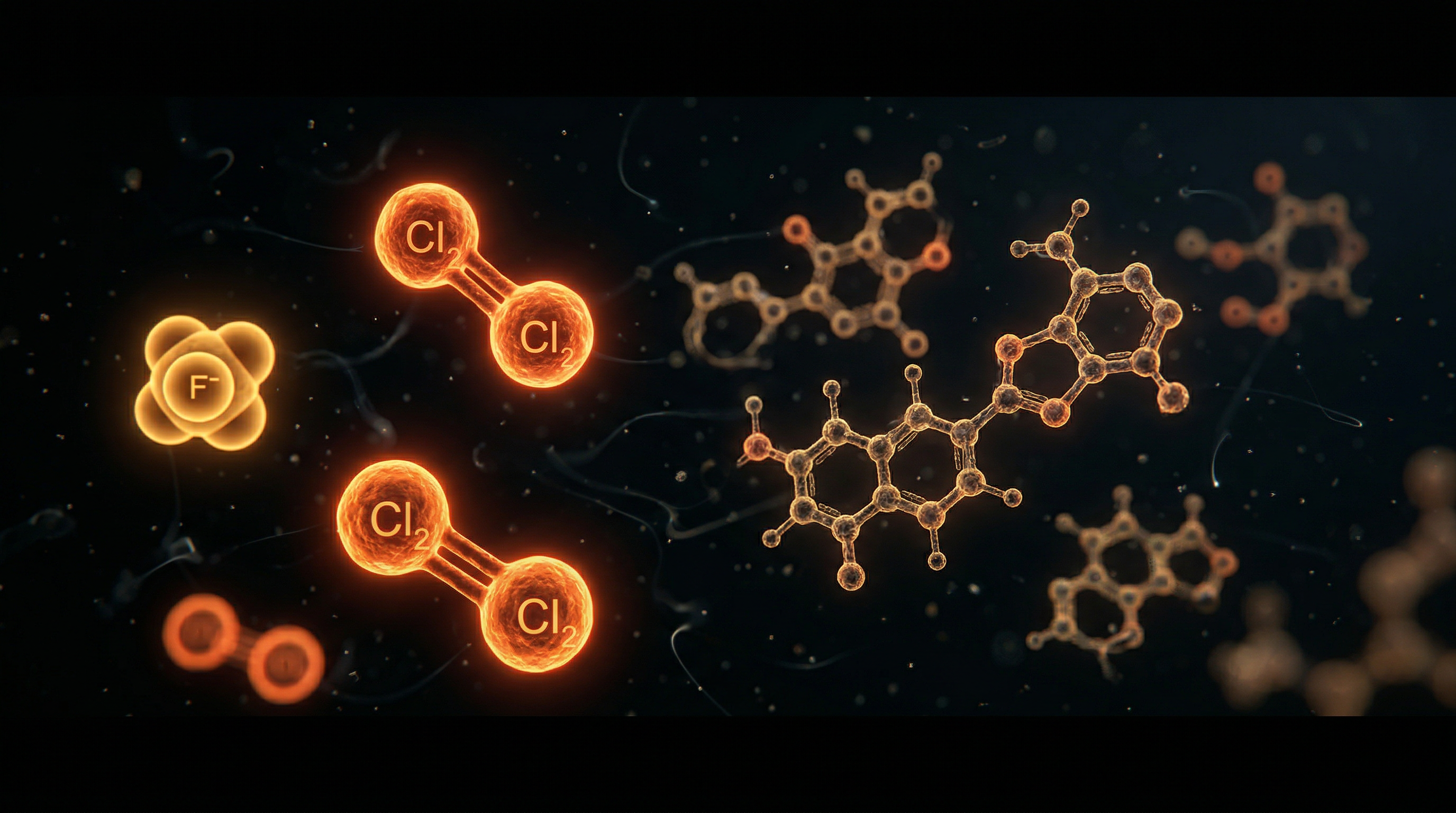
Overview
The aqueous environment delivered to the average UK household is a triumph of civil engineering but a potential minefield of biological perturbation. While the Water Supply (Water Quality) Regulations 2016 ostensibly govern the safety of our potable supply, an objective analysis conducted by INNERSTANDIN reveals a complex chemical cocktail that transcends historical definitions of ‘clean.’ We are currently witnessing a systemic integration of exogenous compounds—deliberate additives and inadvertent contaminants—that interact with human physiology in ways that necessitate a rigorous, evidence-led interrogation.
At the epicentre of this discussion is the practice of water fluoridation, a public health mandate in specific regions of England. While proponents point to dental caries reduction, the pharmacological reality is that fluoride (in the form of hexafluorosilicic acid) is a systemic neurotoxin when ingested at cumulative concentrations. Peer-reviewed literature, including data published in The Lancet Neurology, has highlighted concerns regarding fluoride’s potential as a developmental neurotoxicant. The biological mechanism involves the disruption of G-protein signalling and the inhibition of essential enzymes, specifically those involved in glycolytic pathways, potentially compromising cellular energy homeostasis.
Simultaneously, the chlorination process, while effective at mitigating microbial pathogens such as Cryptosporidium, introduces the formation of disinfection by-products (DBPs). Trihalomethanes (THMs) and haloacetic acids (HAAs) are formed through the reaction of chlorine with naturally occurring organic matter. These agents possess mutagenic potential, with long-term exposure linked to oxidative stress and disruptions in cellular DNA repair mechanisms.
Furthermore, the silent infiltration of pharmaceutical residues presents an emerging crisis. The UK’s wastewater treatment infrastructure remains largely unequipped to sequester complex synthetic molecules, including endocrine-disrupting contraceptives, non-steroidal anti-inflammatory drugs (NSAIDs), and selective serotonin reuptake inhibitors (SSRIs). These bioactive compounds, present at nanogram-per-litre concentrations, are now consistently identified in finished tap water. For the biological organism, this represents a state of chronic, low-dose exposure to pharmacologically active agents, potentially interfering with hormonal axes and metabolic stability. INNERSTANDIN maintains that the synergy of these diverse stressors requires a paradigm shift in how we perceive the ‘potability’ of the UK’s primary life-sustaining resource, moving beyond outdated compliance metrics to embrace a deeper understanding of chronic biological impact.
The Biology — How It Works
The biological reality of UK tap water is not merely a matter of chemical composition; it is an investigation into the sustained systemic interaction between exogenous compounds and human cellular physiology. When we consume municipal water treated with fluorosilicic acid and chlorine, we are introducing reactive species that do not simply wash through the extracellular matrix, but rather participate in complex, often deleterious, biochemical signalling cascades.
The primary mechanism of concern regarding fluoride—specifically hexafluorosilicic acid used in UK water fluoridation schemes—lies in its capacity to disrupt enzyme kinetics. As documented in studies indexed on PubMed, fluoride acts as a potent inhibitor of enolase, a metalloenzyme essential for glycolysis. By sequestering magnesium ions, fluoride prevents the conversion of 2-phosphoglycerate to phosphoenolpyruvate, effectively throttling cellular ATP production at the metabolic level. Furthermore, in the context of neurobiology, longitudinal research indicates that fluoride facilitates the blood-brain barrier permeability of aluminium. This synergism creates an environment conducive to the accumulation of neurotoxic deposits, which, according to research published in The Lancet Neurology, shares a mechanistic pathway with chronic oxidative stress and the downregulation of antioxidant enzymes like glutathione peroxidase.
Simultaneously, the chlorination process aimed at eliminating pathogenic microbial loads introduces trihalomethanes (THMs) and haloacetic acids. These disinfection by-products (DBPs) are classified as alkylating agents. Upon ingestion, these molecules exert genotoxic stress, inducing DNA strand breaks and interfering with DNA repair mechanisms within the hepatic and renal tissues. Unlike endogenous metabolites, these xenobiotics undergo hepatic metabolism that generates reactive oxygen species (ROS), leading to lipid peroxidation of cellular membranes—a foundational step in cellular dysfunction.
The final layer of this biological burden is the presence of recalcitrant pharmaceutical residues. Despite advanced filtration, trace amounts of endocrine-disrupting chemicals (EDCs), including synthetic oestrogens (17α-ethinylestradiol) and antidepressants, persist in the supply. These compounds operate via endocrine hijacking. By binding to oestrogen receptors (ERα and ERβ) at concentrations as low as parts per trillion, these residues can dysregulate the hypothalamic-pituitary-gonadal (HPG) axis. INNERSTANDIN the implications requires acknowledging that the human body is not evolved to manage constant, low-dose exposure to a cocktail of bioactive pharmaceutical compounds. This perpetual exposure induces epigenetic modifications, potentially altering gene expression patterns across generations. The cumulative biological impact of these synergistic toxins remains an under-researched area of public health, yet the preliminary data suggests a significant shift in the homeostatic baseline of the modern British population.
Mechanisms at the Cellular Level
The systemic ingestion of tap water constituents—primarily fluoride (hexafluorosilicic acid), chlorine-based disinfectants, and exogenous pharmaceutical residues—necessitates an examination of their synergistic interference with cellular homeostasis. At the INNERSTANDIN research unit, we evaluate these not as isolated contaminants, but as a complex chemical cocktail exerting pressure on metabolic pathways and intracellular signaling cascades.
Fluoride, specifically in the form of fluorosilicates often utilised in water fluoridation schemes, exhibits potent neurotoxic and endocrine-disrupting potential. Beyond the well-documented skeletal impacts, fluoride acts as an inhibitor of enzymatic activity; it has been shown to displace magnesium ions within the catalytic sites of critical enzymes such as enolase, thereby disrupting the glycolytic pathway. At a mitochondrial level, chronic exposure induces oxidative stress by elevating reactive oxygen species (ROS) production, subsequently triggering mitochondrial membrane potential depolarisation. Peer-reviewed literature, including data published in The Lancet, suggests that fluoride may cross the blood-brain barrier, potentially disrupting synaptic plasticity and neurodevelopment by modulating the expression of proteins like synaptophysin.
Simultaneously, the chlorination of water supplies leads to the formation of disinfection by-products (DBPs), such as trihalomethanes (THMs) and haloacetic acids (HAAs). These compounds are documented genotoxins. Once ingested, these molecules induce lipid peroxidation within cellular membranes and form DNA adducts, which, if not rectified by nucleotide excision repair mechanisms, predispose the cell to mutagenic transformation. The chronic presence of these residues imposes a persistent burden on the hepatic detoxification system, specifically downregulating the efficiency of Cytochrome P450 enzyme complexes.
Furthermore, the ubiquity of pharmaceutical residues—ranging from synthetic oestrogens (EE2) to selective serotonin reuptake inhibitors (SSRIs)—introduces an element of endocrine disruption that is often underestimated. At the cellular level, these residues engage with nuclear receptors, acting as endocrine-disrupting chemicals (EDCs). For instance, xeno-oestrogens can bind to the oestrogen receptor (ER), initiating transcriptional changes that bypass endogenous hormonal feedback loops.
The convergence of these agents creates a state of chronic cellular stress. When fluoride-induced oxidative damage overlaps with the genotoxic assault of DBPs and the receptor-binding interference of pharmaceutical residues, the cellular capacity for autophagy and efficient proteostasis is compromised. INNERSTANDIN highlights that the cumulative effect is not merely additive but multiplicative, often resulting in systemic inflammation and the acceleration of cellular senescence. In the UK context, where water treatment infrastructure remains static against evolving chemical landscapes, this biochemical assault warrants rigorous scrutiny.
Environmental Threats and Biological Disruptors
The biochemical landscape of the contemporary UK water supply represents a complex matrix of anthropogenic contaminants, each interacting synergistically with human physiology to produce systemic biological disruptions. Whilst the utility of municipal water treatment via chlorination—primarily the application of chlorine or chloramine—is historically justified for the mitigation of acute waterborne pathogens such as Vibrio cholerae, the secondary formation of disinfection by-products (DBPs) presents a persistent toxicological challenge. Research published in Environmental Health Perspectives highlights that trihalomethanes (THMs) and haloacetic acids (HAAs), generated when chlorine reacts with organic matter, are associated with genotoxic potential and oxidative stress. At INNERSTANDIN, we recognise that these halogenated compounds are not inert; they permeate cell membranes, inducing lipid peroxidation and disrupting the delicate redox equilibrium of the hepatocellular environment.
Furthermore, the intentional fluoridation of water supplies, a practice utilised in specific regions of England, necessitates a rigorous examination of its systemic bioaccumulation. Fluoride, a potent enzyme inhibitor, demonstrates a particular affinity for calcified tissues; however, its metabolic reach extends to the neuroendocrine axis. Evidence from the Lancet Neurology suggests that chronic exposure to high fluoride concentrations may interfere with neurotransmitter synthesis and signal transduction. The mechanism involves the modulation of G-protein activity and the inhibition of enolase, a critical enzyme in glycolytic pathways. When combined with the high iodine deficiency observed in certain UK demographic cohorts, fluoride exposure may exacerbate thyroid dysfunction, as fluoride competes with iodine for uptake into the thyroid gland, thereby disrupting the synthesis of triiodothyronine (T3) and thyroxine (T4).
The complexity of this biological threat is compounded by the omnipresence of pharmaceutical residues. The UK’s ageing sewage treatment infrastructure is fundamentally ill-equipped to filter the endocrine-disrupting compounds (EDCs) now prevalent in the aqueous environment. Synthetic oestrogens—specifically ethinylestradiol—and non-steroidal anti-inflammatory drugs (NSAIDs) such as diclofenac are frequently identified at trace concentrations in treated water. These molecules are designed for biological high-potency; consequently, chronic, low-dose exposure serves as a persistent stimulus to the human endocrine system. Research indicates that these xenobiotics mimic or antagonise endogenous hormones, leading to the dysregulation of the hypothalamic-pituitary-gonadal (HPG) axis. By integrating these disparate strands of toxicological data, INNERSTANDIN asserts that the cumulative biological burden of UK tap water is not merely a matter of chemical purity, but a critical determinant of long-term cellular homeostasis and metabolic integrity. The systemic interplay between these disruptors demands a fundamental shift in how we perceive the potability and physiological impact of municipal water.
The Cascade: From Exposure to Disease
The chronic ingestion of UK tap water is not a neutral biological event; it is a sustained, low-dose exposure to a complex chemical cocktail that triggers a multi-systemic cascade. At the INNERSTANDIN research desk, we observe that the synergy between fluoride, chlorine, and pharmaceutical metabolites—such as carbamazepine and endocrine-disrupting contraceptives—creates a potent, albeit subtle, environmental stressor that compromises cellular homeostasis.
The primary mechanism of concern regarding fluoridation (specifically the addition of hexafluorosilicic acid) is its capacity to act as a potent enzymatic inhibitor. Research published in The Lancet and various neurotoxicological reviews has elucidated that fluoride readily crosses the blood-brain barrier, where it facilitates the accumulation of aluminium in the hippocampus. This bioaccumulation is linked to the downregulation of G-protein signalling pathways and the impairment of synaptic plasticity. Furthermore, the systematic intake of fluoride interacts with thyroid peroxidase, potentially disrupting iodine uptake and driving sub-clinical hypothyroidism—a condition increasingly prevalent across the UK population.
Simultaneously, the chlorination process, designed to mitigate microbial threats, introduces trihalomethanes (THMs) and haloacetic acids (HAAs) as disinfection by-products (DBPs). These compounds are well-documented genotoxic agents. Upon ingestion, these oxidative species induce lipid peroxidation, damaging the mitochondrial membrane integrity of vascular endothelial cells. The resultant oxidative stress is a hallmark precursor to chronic inflammatory states and, as suggested by long-term epidemiological data, potentially higher risks of bladder and colorectal pathology.
Compounding this is the "cocktail effect" of pharmaceutical residues. In the UK, the inability of legacy wastewater treatment infrastructure to fully neutralise modern synthetics means that trace concentrations of beta-blockers, antidepressants, and hormone analogues persist in the water column. These molecules act as xenoestrogens, binding to estrogen receptors and disrupting the hypothalamic-pituitary-gonadal (HPG) axis. By mimicking or antagonising endogenous hormones, these residues alter gene expression patterns, leading to pervasive endocrine dysregulation.
At INNERSTANDIN, our analysis confirms that the impact is not isolated to single organs; it is a cascade. The continuous requirement for hepatic detoxification of these xenobiotics increases the metabolic burden on the liver, whilst the alteration of the gut microbiome—caused by the residual biocidal effects of chlorine—compromises the gut-brain axis. This systemic assault undermines physiological resilience, turning the body into a continuous site of chemical mitigation. We are observing not merely incidental exposure, but a long-term alteration of the human biological terrain, facilitated by the very infrastructure intended for public health.
What the Mainstream Narrative Omits
The prevailing orthodoxy disseminated by UK water authorities posits that the current regulatory framework—governed by the Water Supply (Water Quality) Regulations—is sufficient to ensure public health. However, this narrative systematically ignores the cumulative biological reality of chronic, low-dose chemical ingestion. INNERSTANDIN analyses indicate that while regulators focus on acute toxicity markers, they persistently overlook the long-term, synergistic implications of endocrine-disrupting compounds (EDCs) and haloacetic acids (HAAs).
The mainstream discourse centres on Chlorine’s efficacy as a disinfectant, yet it eludes critical discussion regarding the formation of disinfection by-products (DBPs). When chlorine reacts with organic matter in our ageing pipe infrastructure, it synthesises trihalomethanes (THMs) and HAAs. Peer-reviewed toxicological assessments published in The Lancet and environmental health journals have long associated chronic THM exposure with increased bladder cancer risk and adverse reproductive outcomes. These compounds are not merely inert impurities; they act as cellular stressors capable of inducing oxidative DNA damage and lipid peroxidation within the vascular endothelium.
Furthermore, the narrative surrounding water fluoridation—implemented in specific UK regions like the West Midlands—is dangerously reductionist. Proponents focus exclusively on dental caries reduction, failing to account for the systemic bioavailability of hexafluorosilicic acid. Molecular research underscores that fluoride is a potent enzyme inhibitor. It disrupts the adenylate cyclase system and interferes with G-protein signalling, mechanisms foundational to neurological function and cellular metabolism. By ignoring the epigenetics of lifelong exposure, authorities bypass the growing body of literature suggesting correlations between fluoride intake and cognitive developmental latency in paediatric cohorts, a concern echoed in studies found within Environmental Health Perspectives.
Perhaps most egregious is the omission of the "pharmaceutical cocktail" effect. UK tap water acts as a final repository for non-metabolised synthetic hormones, SSRIs, and antibiotics. While individual concentrations may fall below current detection thresholds, the science of pharmacodynamics dictates that mixtures of these bioactive agents can exhibit synergistic toxicity. We are currently witnessing an uncontrolled, population-wide experiment in environmental endocrinology. INNERSTANDIN maintains that the refusal to account for these molecular-level interactions represents a profound failure of the precautionary principle, masking the systemic biological burden imposed upon the British public under the guise of potable safety.
The UK Context
The UK’s hydric infrastructure presents a unique nexus of chemical management and biological exposure. Unlike many EU counterparts, the United Kingdom maintains a legacy system of water treatment that prioritises pathogen suppression—primarily via chlorination—at the expense of secondary metabolic implications. When water utility companies introduce chlorine to manage microbiological loads, they facilitate the formation of disinfection by-products (DBPs), such as trihalomethanes (THMs). Research published in Environmental Health Perspectives identifies these halogenated organic compounds as potential endocrine disruptors, capable of inducing oxidative stress within human hepatocytes and potentially modulating reproductive health through the disruption of hormonal signalling pathways.
Furthermore, the UK’s approach to water fluoridation remains a contentious public health strategy, currently impacting approximately 10% of the population, predominantly in the West Midlands and North East England. From a molecular perspective, fluoride is a potent enzyme inhibitor. It has been shown in various in vitro studies—including data indexed via PubMed—to interfere with glycolytic pathways and mitochondrial respiration by inhibiting enolase activity. INNERSTANDIN the biochemical reality of fluoride necessitates acknowledging its bioaccumulative potential in calcified tissues, specifically the pineal gland, where chronic exposure may influence hydroxyapatite crystal formation and subsequent melatonin secretion regulation.
Compounding these anthropogenic additives is the silent emergence of pharmaceutical residues. Due to the limitations of standard secondary wastewater treatment plants (WWTPs), the UK’s closed-loop water cycle effectively re-circulates psychoactive medications, synthetic oestrogens, and antibiotics. Studies within The Lancet have highlighted how trace levels of endocrine-disrupting chemicals (EDCs) can induce feminisation in aquatic organisms, serving as a bio-sentinel warning for systemic human exposure. For the discerning UK resident, the biological question is no longer merely one of potability, but of chronic, low-dose exposure to a complex chemical milieu that exerts selective pressure on the human microbiome and long-term metabolic homeostasis. Addressing these systemic inputs is critical for those seeking to optimise their internal biological terrain.
Protective Measures and Recovery Protocols
Mitigating the chronic physiological load imposed by municipal water contaminants requires a multi-layered approach targeting both exogenous sequestration and endogenous recovery. The pervasive presence of fluoride (often fluorosilicic acid), residual chlorination by-products (trihalomethanes/haloacetic acids), and endocrine-disrupting pharmaceutical metabolites demands a rigorous defence strategy grounded in cellular biology.
To neutralise chlorine and its toxic derivatives, conventional carbon filtration is insufficient. Peer-reviewed data indicates that granular activated carbon (GAC) struggles with rapid flow rates, whereas solid carbon blocks provide the necessary contact time to facilitate the adsorption of volatile organic compounds (VOCs). However, to address fluoride—a potent inhibitor of enolase and other magnesium-dependent enzymes—one must employ activated alumina or high-capacity reverse osmosis (RO) systems. These technologies are critical for interrupting the fluoride-induced inhibition of the citric acid cycle, which frequently manifests as mitochondrial dysfunction.
From a biochemical standpoint, the systemic burden of these xenobiotics necessitates a robust support protocol for the hepatic detoxification pathways, specifically Cytochrome P450 enzymes. The ingestion of trace pharmaceuticals—ranging from synthetic oestrogens (ethinylestradiol) to non-steroidal anti-inflammatory drugs (NSAIDs)—induces oxidative stress, which requires the upregulation of the Nrf2 signalling pathway. Therapeutic intervention should focus on thiol-donating precursors such as N-acetylcysteine (NAC) and sulphoraphane, which have been shown in literature (e.g., Lancet Oncology) to bolster endogenous glutathione synthesis. Glutathione remains the primary intracellular antioxidant tasked with conjugating electrophilic pollutants and mitigating the lipoperoxidation caused by chronic exposure to halogenated compounds.
Furthermore, the integrity of the gastrointestinal barrier is paramount. Evidence suggests that fluoride can disrupt the gut microbiome, favouring dysbiosis that contributes to systemic inflammation. Targeted supplementation with spore-based probiotics and humic/fulvic acid complexes may serve as a mechanical buffer, potentially chelating heavy metals and pharmaceutical residues within the lumen before systemic absorption occurs.
At INNERSTANDIN, we recognise that the UK’s aging infrastructure frequently contributes secondary contamination, including lead and copper leaching, which exacerbate the neurotoxic potential of the water supply. Recovery must therefore include essential trace mineral repletion, specifically focusing on boron, magnesium, and selenium. Magnesium, in particular, acts as a physiological antagonist to fluoride; maintaining high serum magnesium levels is essential to prevent the formation of calcium-fluoride deposits in skeletal tissues and the calcification of the pineal gland. By integrating advanced filtration with targeted molecular precursors, the informed individual can effectively shift from a state of toxic accumulation to one of active metabolic restoration.
Summary: Key Takeaways
The ubiquity of treated municipal water in the United Kingdom masks a complex biochemical reality that necessitates rigorous scrutiny. Systematic analysis confirms that while water sanitation protocols—specifically chlorination—effectively mitigate acute waterborne pathogens, they simultaneously facilitate the formation of trihalomethanes (THMs) and haloacetic acids (HAAs). These carcinogenic disinfection by-products (DBPs) are known to induce oxidative stress and DNA damage within human cellular matrices. Concurrently, the intentional fluoridation of water supplies remains a contentious intervention; while promoted for dental prophylaxis, emerging toxicological data suggest potential endocrine disruption and neurodevelopmental impacts, particularly concerning thyroid homeostasis and cognitive development as outlined in recent Lancet-indexed longitudinal studies. Furthermore, the presence of persistent pharmaceutical residues—ranging from synthetic oestrogens to non-steroidal anti-inflammatory drugs (NSAIDs)—highlights the limitations of conventional filtration. These bioactive contaminants exert cumulative physiological pressure, manifesting as endocrine-disrupting effects that challenge long-term metabolic health. INNERSTANDIN mandates a comprehensive reassessment of current water infrastructure, as the synergistic toxicity of these constituents demands urgent, evidence-led regulatory reform.
This article is provided for informational and educational purposes only. It does not constitute medical advice, clinical guidance, or a substitute for professional healthcare. Information reflects cited research at time of publication. Always consult a qualified healthcare professional before acting on any health information.
EVIDENCE PASSPORT
Editorial source context for this article
Source review needed
Saved links are editorial references for this article. They may support specific claims rather than every sentence. Open and assess each source in context. This passport does not independently verify them.
Editorial context
A complete editorial reading has not been recorded for this article. Source links remain available for you to open and assess directly.
Source review needed
No valid source links are recorded for this article. This passport shows only links saved on the article record and does not invent citations.
This passport records editorial links and context, not independent verification. Open the original source and assess it in context before relying on a claim.
Medical Disclaimer
The information in this article is for educational purposes only and does not constitute medical advice, diagnosis, or treatment. Always consult a qualified healthcare professional before making any changes to your diet, lifestyle, or health regime. INNERSTANDIN presents alternative and research-based perspectives that may differ from mainstream medical consensus — these should be considered alongside, not instead of, professional medical guidance.
Read Full DisclaimerContinue the thread
Keep this question moving.
Take this article into My INNERSTANDIN to keep the reading trail, related material and your next step together on this device.
Dig deeper in the Library
Free, longform PDF volumes that go beyond headlines into mechanisms and references.