
The Bioaccumulation of Methylmercury in Seafood Consumption
Updated May 2026
Mercury is a potent neurotoxin that concentrates in the aquatic food chain, primarily affecting the nervous and cardiovascular systems of humans. Understanding how to navigate seafood choices is essential for maintaining brain health while benefiting from essential fatty acids.
Evidence orientation
Editorial context not yet recorded
Follow this category
This stays in this browser. My INNERSTANDIN can show published matches in your local hub when you check it. It does not send email, push, or alert notifications.
Local learning review
A private browser aid for revisiting ideas. It is not an alert or a health recommendation.
Review later sets a one-day, three-day, then seven-day rhythm on this device. Choose it only when you want to revisit this article.
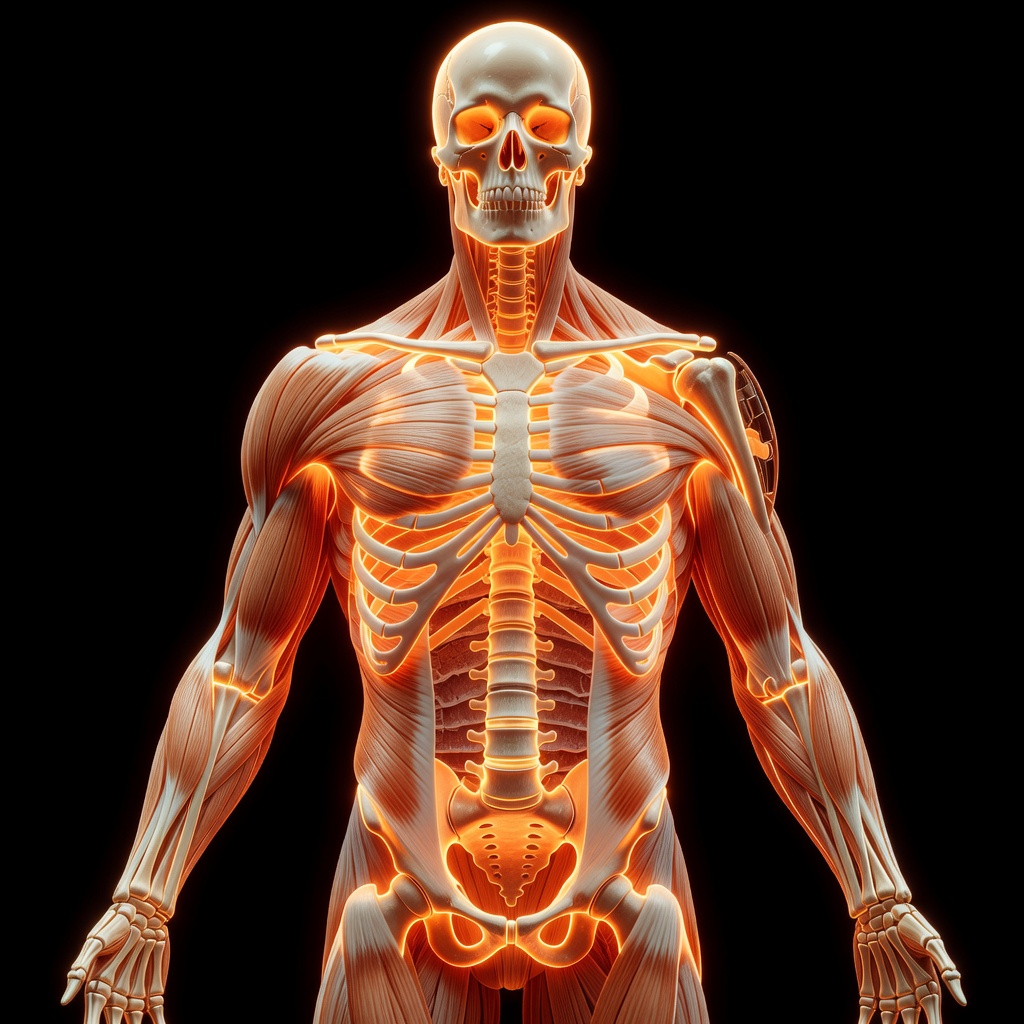
The Aquatic Cycle of Methylmercury Mercury enters our environment through both natural volcanic activity and industrial processes like coal burning. Once it reaches oceans and rivers, microorganisms convert inorganic mercury into methylmercury, a highly absorbable organic form. This is where the process of bioamplification begins. Small organisms consume the methylmercury, and as larger fish eat smaller ones, the concentration of the metal increases exponentially. By the time it reaches apex predators such as tuna, swordfish, or marlin, the levels can be thousands of times higher than the surrounding water.
For the UK consumer, this presents a paradox: seafood is a primary source of heart-healthy omega-3 fatty acids, yet it serves as the most significant route of mercury exposure. The Food Standards Agency (FSA) provides specific guidelines, particularly for pregnant women and children, but for the health-conscious adult, understanding the underlying biochemistry is key to informed consumption. ## Neurological Impact and the Blood-Brain Barrier Methylmercury is particularly dangerous because of its ability to cross the blood-brain barrier and the placenta with ease. It achieves this by mimicking essential amino acids, essentially 'tricking' the body's transport systems into moving it into the central nervous system. Once inside the brain, mercury binds to thiol groups in proteins and depletes glutathione, the body's master antioxidant. This leads to intense oxidative stress and the destruction of microtubules, which are structural components of neurons.
Symptoms of chronic low-level exposure are often subtle and non-specific, including paresthesia (tingling in extremities), cognitive fog, and disrupted coordination. In the UK, where fish and chips or tuna sandwiches are dietary staples, the cumulative effect over decades can contribute to accelerated neurodegeneration. Research suggests that mercury also interferes with the methyl group metabolism, which is vital for DNA repair and gene expression, further complicating its toxicological profile. ## Balancing Omega-3s and Contaminants The challenge for the modern individual is not necessarily to avoid fish entirely, but to choose wisely. Some species, like sardines, herring, and mackerel, are low in the food chain and offer high levels of EPA and DHA with very low mercury burdens. Furthermore, the presence of selenium in certain fish can mitigate mercury's toxicity.
Selenium has a high affinity for mercury, binding to it and preventing it from damaging human tissues. However, if the fish has more mercury than selenium, the protective effect is lost. This is why high-mercury species are so problematic. ## What You Can Do To manage your mercury load while reaping the benefits of a marine-inclusive diet, follow these evidence-based steps. First, prioritize 'SMASH' fish (Sardines, Mackerel, Anchovies, Salmon, and Herring) which are naturally lower in contaminants. Second, limit the consumption of large predatory fish like tuna to no more than once per week, or avoid them if you are in a high-risk group.
Third, consider high-quality, molecularly distilled fish oil supplements if you are concerned about heavy metals but want the omega-3 benefits. Finally, ensure your diet is rich in sulfur-containing vegetables like broccoli and garlic, which support natural detoxification pathways. By being selective, you can protect your neurological health without sacrificing nutritional density.
This article is provided for informational and educational purposes only. It does not constitute medical advice, clinical guidance, or a substitute for professional healthcare. Information reflects cited research at time of publication. Always consult a qualified healthcare professional before acting on any health information.
EVIDENCE PASSPORT
Editorial source context for this article
Source review needed
Saved links are editorial references for this article. They may support specific claims rather than every sentence. Open and assess each source in context. This passport does not independently verify them.
Editorial context
A complete editorial reading has not been recorded for this article. Source links remain available for you to open and assess directly.
Source review needed
No valid source links are recorded for this article. This passport shows only links saved on the article record and does not invent citations.
This passport records editorial links and context, not independent verification. Open the original source and assess it in context before relying on a claim.
Medical Disclaimer
The information in this article is for educational purposes only and does not constitute medical advice, diagnosis, or treatment. Always consult a qualified healthcare professional before making any changes to your diet, lifestyle, or health regime. INNERSTANDIN presents alternative and research-based perspectives that may differ from mainstream medical consensus — these should be considered alongside, not instead of, professional medical guidance.
Read Full DisclaimerContinue the thread
Keep this question moving.
Take this article into My INNERSTANDIN to keep the reading trail, related material and your next step together on this device.
Explore this in the Body Map
See where this hits your biology. Interactive anatomy, threats, and protective protocols.
Dig deeper in the Library
Free, longform PDF volumes that go beyond headlines into mechanisms and references.