
Glyphosate and the Chelation of Trace Minerals
Updated May 2026
Common agricultural herbicides act as potent chelators, stripping essential minerals like manganese and cobalt from the UK food chain. This expose explores the disruption of microbial and human enzymatic pathways.
Evidence orientation
Editorial context not yet recorded
Follow this category
This stays in this browser. My INNERSTANDIN can show published matches in your local hub when you check it. It does not send email, push, or alert notifications.
Local learning review
A private browser aid for revisiting ideas. It is not an alert or a health recommendation.
Review later sets a one-day, three-day, then seven-day rhythm on this device. Choose it only when you want to revisit this article.
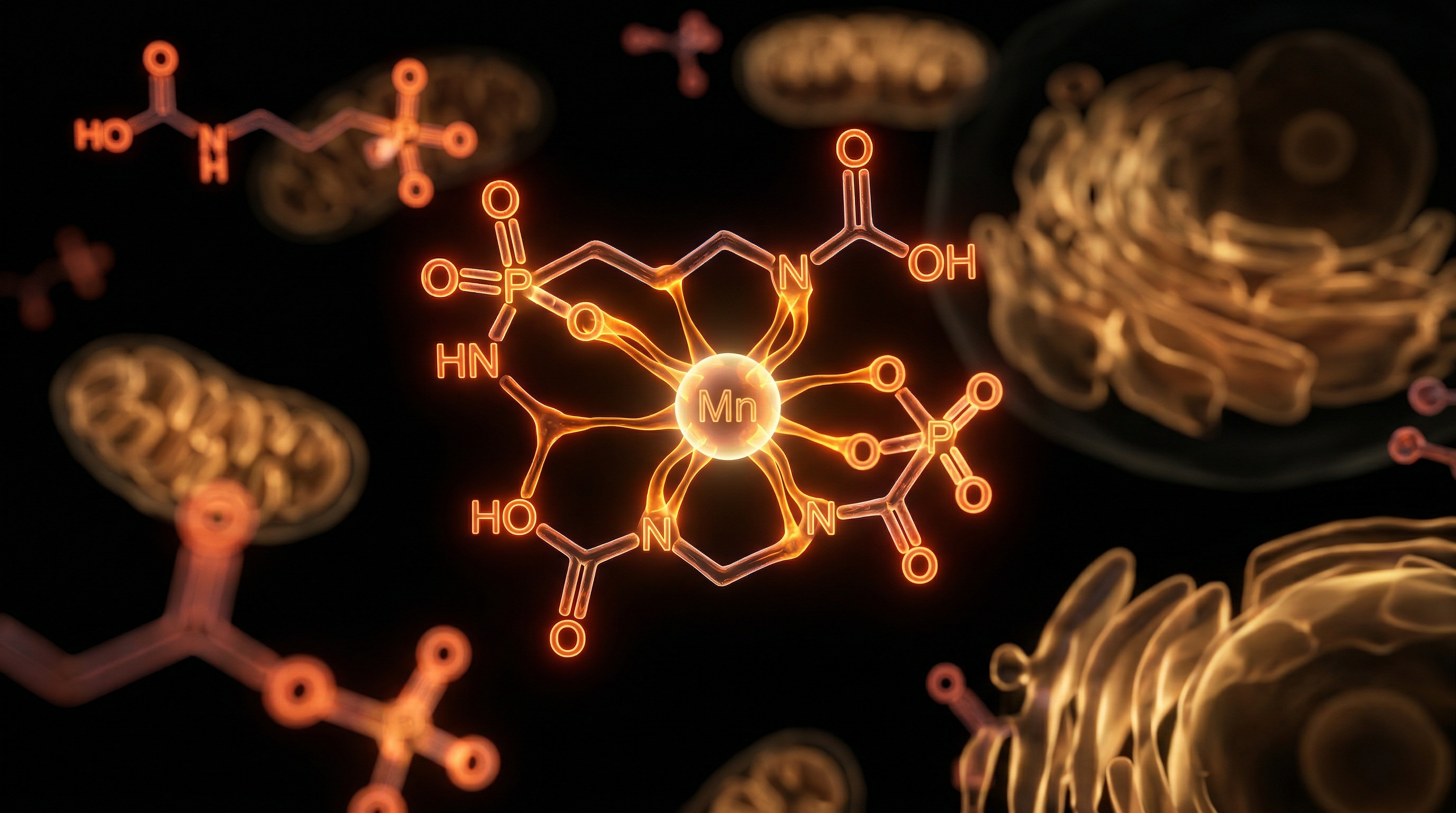
For decades, the global agricultural narrative has been dominated by a single molecule: N-phosphonomethylglycine, more commonly known as Glyphosate. Marketed as a benign "miracle" herbicide that targets a biological pathway non-existent in humans, it has become the most widely used chemical in the history of human endeavour. However, as senior researchers at INNERSTANDING, we must look beyond the marketing gloss of "safety" and peer into the fundamental biochemistry of this compound.
Glyphosate is not merely a weedkiller. It is a potent, broad-spectrum chelator. To understand the gravity of this statement, one must understand that chelation is the process by which a molecule tightly binds to a metal ion, essentially "locking it up" and rendering it biologically unavailable. While this property made glyphosate an excellent descaling agent for industrial boilers in the 1960s, its introduction into the food chain has initiated a catastrophic cascade of nutritional bankruptcy. We are currently witnessing the systematic stripping of essential trace minerals—Manganese, Cobalt, Zinc, and Copper—from our soils, our crops, and ultimately, our bodies.
Overview
The crisis of modern chronic disease is often framed as a mystery of genetics or lifestyle. Yet, the foundational pillar of health is the presence and bioavailability of trace minerals. These elements act as the "spark plugs" for thousands of enzymatic reactions. Without them, the machinery of life grinds to a halt.
Glyphosate’s primary mechanism of action in plants is the disruption of the Shikimate pathway, specifically the enzyme 5-enolpyrosylshikimate-3-phosphate synthase (EPSPS). While it is true that humans do not possess this pathway, our gut microbiome—the trillions of bacteria that regulate our immunity, neurotransmitters, and digestion—relies on it entirely.
The most insidious aspect of glyphosate, however, is its function as a chelator. When glyphosate is applied to a field, it doesn't just kill weeds; it binds to divalent and trivalent metal cations in the soil. This prevents plants from absorbing vital nutrients. The result is a "hollow" food supply: crops that look healthy but are functionally deficient in the elements required to sustain human health.
Callout Fact: Glyphosate was originally patented by Stauffer Chemical in 1964 (US Patent No. 3,160,632) as a metal chelator to clean mineral deposits out of industrial pipes and boilers. It was only later repurposed as an herbicide.
This article explores the mechanisms by which this chemical thievery occurs, the biological pathways it disrupts, and the specific context of the United Kingdom's agricultural landscape.
##
The Biology — How It Works
To grasp how glyphosate functions, we must look at its molecular structure. It is an analogue of the amino acid glycine, with a phosphonomethyl group attached. This structure allows it to act as a ligand, a molecule that can form multiple bonds with a single metal atom.
The Chelation Mechanism
In chemistry, a chelator (from the Greek chele, meaning "claw") wraps around a mineral ion like a pincer. Glyphosate has a high affinity for positively charged ions (cations), particularly:
- Manganese (Mn²⁺)
- Cobalt (Co²⁺)
- Zinc (Zn²⁺)
- Iron (Fe³⁺)
- Magnesium (Mg²⁺)
- Copper (Cu²⁺)
When glyphosate binds to these minerals, it forms a highly stable complex. In the soil, this means the minerals are "locked" in the earth, unable to be taken up by the roots of the plant. In the human digestive tract, glyphosate binds to the minerals present in our food, ensuring they are excreted rather than absorbed.
The Disruption of the Shikimate Pathway
The Shikimate pathway is responsible for the synthesis of essential aromatic amino acids: phenylalanine, tyrosine, and tryptophan. These are the precursors to serotonin, melatonin, and dopamine. By chelating Manganese, glyphosate inhibits the enzymes necessary for this pathway to function. Because our gut bacteria use this pathway to produce these amino acids for us, glyphosate exposure leads to a systematic depletion of neurotransmitter precursors, contributing to the rising tide of mood disorders and neurological decline.
##
Mechanisms at the Cellular Level
The impact of mineral chelation extends deep into the mitochondria and the nucleus of the cell. Trace minerals are the essential co-factors for enzymes. An enzyme without its mineral co-factor is like a car without a key; it is structurally present but functionally dead.
Manganese: The Master Co-factor
Perhaps the most devastating impact of glyphosate is its affinity for Manganese. Manganese is required for the function of Superoxide Dismutase (Mn-SOD), the primary antioxidant enzyme that protects mitochondria from oxidative stress.
- When Mn-SOD is inhibited due to manganese deficiency, mitochondrial DNA is left defenceless against reactive oxygen species.
- This leads to mitochondrial dysfunction, a hallmark of almost every chronic disease, from Type 2 Diabetes to Alzheimer’s.
Cobalt and the Vitamin B12 Crisis
Cobalt is the central atom of the Cobalamin (Vitamin B12) molecule. B12 is produced exclusively by bacteria. When glyphosate chelates cobalt in the gut environment, it prevents beneficial bacteria from synthesizing B12.
- A deficiency in B12 leads to elevated homocysteine, a potent neurotoxin and cardiovascular risk factor.
- It also halts the methylation cycle, the process by which our body repairs DNA and detoxifies environmental poisons.
The Cytochrome P450 (CYP) Enzymes
Glyphosate has been shown to inhibit the Cytochrome P450 (CYP) family of enzymes. These enzymes are heme-thiolate proteins that require iron to function. CYP enzymes are responsible for:
- Detoxifying xenobiotics (foreign chemicals).
- Synthesizing and breaking down hormones (oestrogen, testosterone).
- Activating Vitamin D3.
By interfering with the iron and the enzymatic structure, glyphosate renders the liver less capable of detoxifying other environmental pollutants, creating a synergistic toxic effect.
Key Term: Divalent Cations. These are atoms with a positive charge of +2, such as Magnesium (Mg²⁺) and Calcium (Ca²⁺). They are the primary targets for glyphosate's "claw."
##
Environmental Threats and Biological Disruptors
The environmental impact of glyphosate is often measured in terms of biodiversity loss (bees, butterflies), but the most profound damage is occurring in the pedosphere—the soil.
The Death of Soil Microbiota
Healthy soil is a living organism. Mycorrhizal fungi form symbiotic relationships with plant roots, extending their reach and helping them pull minerals from the earth. Glyphosate is toxic to these fungi.
- By killing the soil microbiome, glyphosate halts the natural "mineralisation" of the earth.
- This creates a dependency on synthetic NPK (Nitrogen, Phosphorus, Potassium) fertilisers, which do not replace the trace minerals being stripped away.
The "Antibiotic" Effect
In 2010, glyphosate was patented as a broad-spectrum antibiotic (US Patent No. 7,771,736). In the environment, it selectively kills beneficial, mineral-hungry bacteria (like Lactobacillus and Bifidobacterium) while allowing pathogenic, manganese-resistant bacteria (like Clostridia and Salmonella) to flourish.
- This shift in the microbial balance (dysbiosis) leads to "leaky gut" syndrome in both livestock and humans.
- The resulting systemic inflammation is the "slow-burn" cause of the modern disease epidemic.
Groundwater and Bioaccumulation
Contrary to industry claims that glyphosate binds tightly to soil and degrades quickly, it is increasingly found in groundwater and rain. Because it is highly water-soluble and resistant to standard water treatment, it cycles through the environment, accumulating in the tissues of non-target organisms.
##
The Cascade: From Exposure to Disease
The path from a glyphosate-sprayed field to a hospital bed is a series of interconnected biological failures. When we remove trace minerals from the equation, the cascade of disease becomes predictable.
Neurological Degeneration
The brain is highly dependent on manganese for the detoxification of glutamate and ammonia via the enzyme Glutamine Synthetase.
- In a manganese-deficient state, glutamate accumulates in the brain.
- Excessive glutamate is an excitotoxin, overstimulating neurons until they die.
- This mechanism is a primary driver in the development of Autism Spectrum Disorder (ASD), ADHD, and Parkinson’s Disease.
Endocrine Disruption and Infertility
Zinc is essential for the production of sperm and the regulation of the female reproductive cycle. By chelating zinc, glyphosate acts as a potent reproductive toxin. Furthermore, its interference with the CYP enzymes disrupts the balance of aromatase, leading to "oestrogen dominance" and the rising rates of hormone-related cancers (breast, prostate).
Bone Health beyond Calcium
While the public is told to focus on calcium, bone density relies heavily on Manganese, Zinc, and Copper for the formation of the collagen matrix.
- Glyphosate-induced mineral deficiency leads to brittle bones and joint degeneration.
- The chemical also mimics Glycine in the body, potentially being misincorporated into our own collagen structures, leading to systemic structural weakness.
Callout Fact: Research has shown that glyphosate levels in the urine of chronically ill humans are significantly higher than those in healthy populations, often correlating with deficiencies in serum manganese and cobalt levels.
##
What the Mainstream Narrative Omits
The official position of regulatory bodies like the EFSA (European Food Safety Authority) and the EPA (Environmental Protection Agency) is that glyphosate is safe because the "dose makes the poison" and human cells lack the Shikimate pathway. This narrative is fundamentally flawed for three reasons:
1. The Microbiome Blind Spot
Regulatory assessments traditionally ignore the human microbiome. If a chemical kills 90% of your beneficial gut bacteria, it is "toxic" to the human organism, even if it doesn't kill human cells directly in a petri dish. The gut is our "second brain," and its mineral-dependent pathways are the targets of glyphosate.
2. The Adjuvants and Synergy
Glyphosate is never used alone; it is sold as a "formulation" (e.g., Roundup). These formulations contain surfactants like POEA (polyethoxylated tallow amine), which are designed to break down the waxy surface of leaves.
- In humans, these surfactants make our cell membranes more permeable.
- This allows glyphosate to enter cells more easily, where its chelating effects can do the most damage.
- Research indicates that the full formulation can be up to 1,000 times more toxic than glyphosate alone.
3. Chronic, Low-Dose Exposure
Safety studies are typically conducted over 90 days. However, glyphosate exposure is a multi-decadal, low-dose event. The bioaccumulative effect of mineral depletion doesn't show up in a three-month rat study; it shows up over a lifetime of eating glyphosate-residue bread and drinking glyphosate-contaminated water.
##
The UK Context
The United Kingdom presents a unique and troubling case study in glyphosate exposure. Despite the "green" rhetoric of various governments, the UK remains heavily dependent on glyphosate, particularly in the production of cereal crops.
The "Pre-Harvest Desiccation" Problem
In the UK’s damp climate, farmers often spray wheat and barley with glyphosate just days before harvest. This process, known as desiccation, kills the plant and dries it out, making it easier to harvest.
- This practice results in the highest residues of glyphosate being found in the final product: the loaf of bread.
- Testing by organisations like the Soil Association has repeatedly found glyphosate residues in over 60% of UK bread samples.
The Post-Brexit Regulatory Landscape
Following the UK's departure from the EU, there is significant concern regarding "regulatory divergence." While the EU has faced immense pressure to ban glyphosate (with some member states like Luxembourg and Austria taking steps), the UK's Health and Safety Executive (HSE) has recently extended the authorisation of glyphosate, citing a lack of "proven" risk. This creates a scenario where the UK may become a dumping ground for agricultural practices and chemicals that are increasingly restricted on the continent.
Soil Depletion in the British Isles
British soils have lost an estimated 40% to 60% of their organic matter over the last half-century. The heavy use of glyphosate in the "breadbasket" regions of East Anglia and the Midlands has exacerbated this.
- UK wheat now contains significantly lower levels of Zinc and Magnesium than it did in the 1960s.
- We are essentially eating "ghost food"—calories that lack the elemental information required for biological health.
##
Protective Measures and Recovery Protocols
While the systemic challenge is vast, individuals can take definitive steps to mitigate the effects of glyphosate-induced chelation. Recovery requires a two-pronged approach: Avoidance and Restoration.
1. Strict Organic Consumption
The only way to significantly reduce glyphosate intake is to consume certified organic produce. Organic standards prohibit the use of synthetic chelators. Focus particularly on "high-risk" foods:
- Wheat and oats (the most frequently desiccated).
- Legumes (lentils, chickpeas).
- Non-organic soy and corn.
2. Fulvic and Humic Acids
These are natural substances found in rich, organic soil. They act as "nature's chelators," but unlike glyphosate, they are selective.
- Fulvic acid can bind to glyphosate and help ferry it out of the body.
- It also helps "unlock" minerals in the gut, making them more bioavailable.
- Supplementing with high-quality, purified humic/fulvic complexes is a primary strategy for reversing mineral stripping.
3. Targeted Mineral Supplementation
Standard multivitamins are often insufficient. To counter the specific chelation effects of glyphosate, one should consider:
- Manganese Bisglycinate: A highly bioavailable form to support Mn-SOD.
- Ionic Zinc and Copper: Maintaining the correct ratio (typically 15:1) is crucial for immune function.
- Magnesium Malate or Citrate: To support the 300+ enzymes glyphosate interferes with.
4. Microbiome Restoration
Consuming fermented foods (sauerkraut, kefir, kombucha) helps re-inoculate the gut with the very bacteria that glyphosate targets. These bacteria can help degrade glyphosate residues and produce the B-vitamins that are lost during exposure.
5. Water Filtration
Standard carbon filters are often insufficient for removing glyphosate. A high-quality Reverse Osmosis (RO) system or a Berkey style gravity filter with specialized "post-filter" elements is recommended for UK tap water.
##
Summary: Key Takeaways
The reality of glyphosate is far removed from its "safe" marketing. It is a chemical agent that fundamentally alters the elemental composition of our food and our bodies.
- Glyphosate is a Chelator First: Its ability to "lock up" minerals like Manganese and Cobalt is its most dangerous trait.
- Enzymatic Paralysis: By stripping trace minerals, glyphosate halts essential antioxidant, neurotransmitter, and detoxification pathways.
- The UK Risk: Pre-harvest desiccation means that British bread is a primary source of exposure, leading to a "hollowed-out" nutritional profile in the national diet.
- The Microbiome is the Target: Glyphosate acts as an antibiotic, destroying the "good" bacteria that provide us with essential amino acids and vitamins.
- Action is Required: To protect oneself, a shift toward organic food, specialized mineral supplementation, and the use of natural detoxifiers like fulvic acid is no longer optional—it is a biological necessity.
As researchers at INNERSTANDING, our conclusion is clear: the epidemic of trace mineral deficiency is not a coincidence. It is the direct result of an agricultural system that prioritises chemical convenience over biological integrity. The stripping of our minerals is the stripping of our health, our cognitive function, and our future. It is time to reclaim the elements of life.
This article is provided for informational and educational purposes only. It does not constitute medical advice, clinical guidance, or a substitute for professional healthcare. Information reflects cited research at time of publication. Always consult a qualified healthcare professional before acting on any health information.
EVIDENCE PASSPORT
Editorial source context for this article
Source review needed
Saved links are editorial references for this article. They may support specific claims rather than every sentence. Open and assess each source in context. This passport does not independently verify them.
Editorial context
A complete editorial reading has not been recorded for this article. Source links remain available for you to open and assess directly.
Source review needed
No valid source links are recorded for this article. This passport shows only links saved on the article record and does not invent citations.
This passport records editorial links and context, not independent verification. Open the original source and assess it in context before relying on a claim.
Medical Disclaimer
The information in this article is for educational purposes only and does not constitute medical advice, diagnosis, or treatment. Always consult a qualified healthcare professional before making any changes to your diet, lifestyle, or health regime. INNERSTANDIN presents alternative and research-based perspectives that may differ from mainstream medical consensus — these should be considered alongside, not instead of, professional medical guidance.
Read Full DisclaimerContinue the thread
Keep this question moving.
Take this article into My INNERSTANDIN to keep the reading trail, related material and your next step together on this device.
Dig deeper in the Library
Free, longform PDF volumes that go beyond headlines into mechanisms and references.