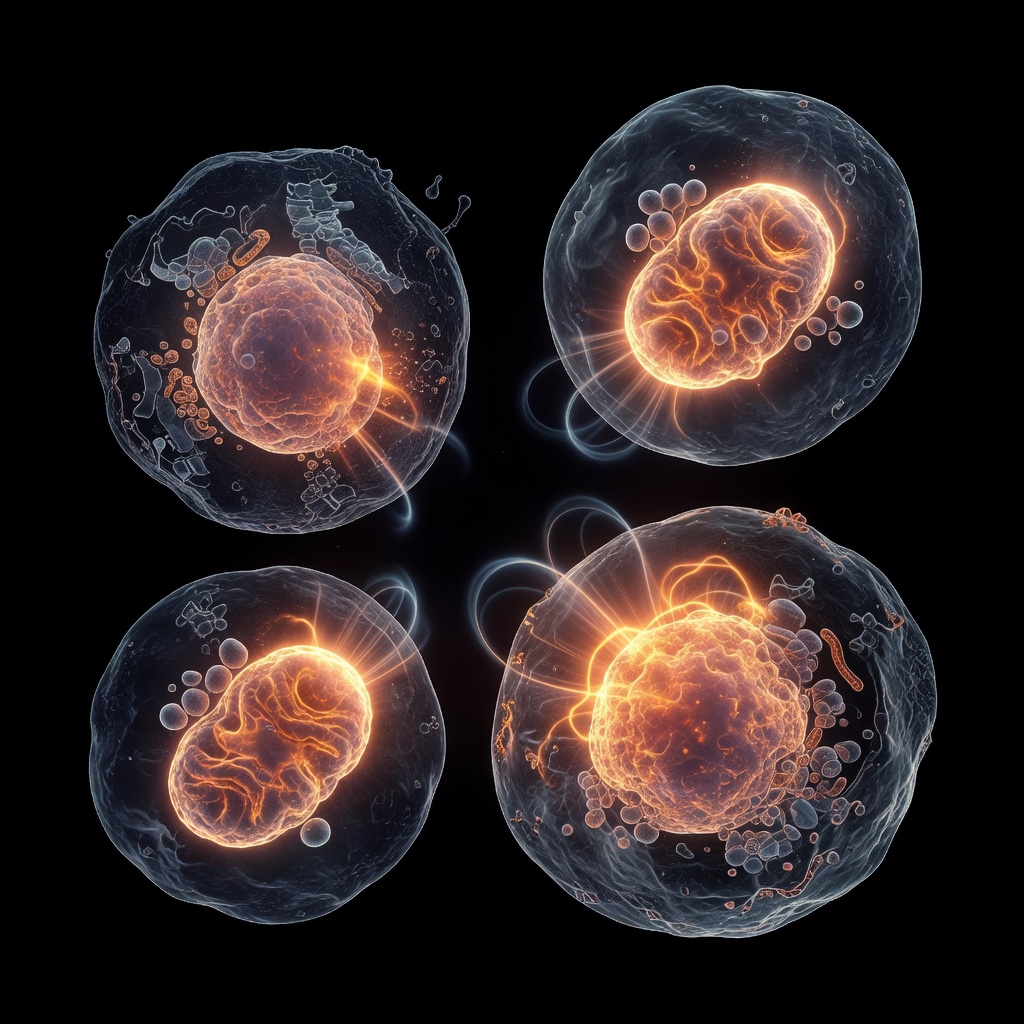
Glyphosate-Induced Nutrient Depletion: Restoring the Cholecalciferol Pathway Amidst Environmental Xenobiotic Interference
An in-depth educational exploration of how the pervasive herbicide glyphosate interferes with the Cytochrome P450 enzymes and gut microbiome to disrupt Vitamin D3 metabolism and Vitamin K2 synthesis, offering a roadmap for biological restoration.
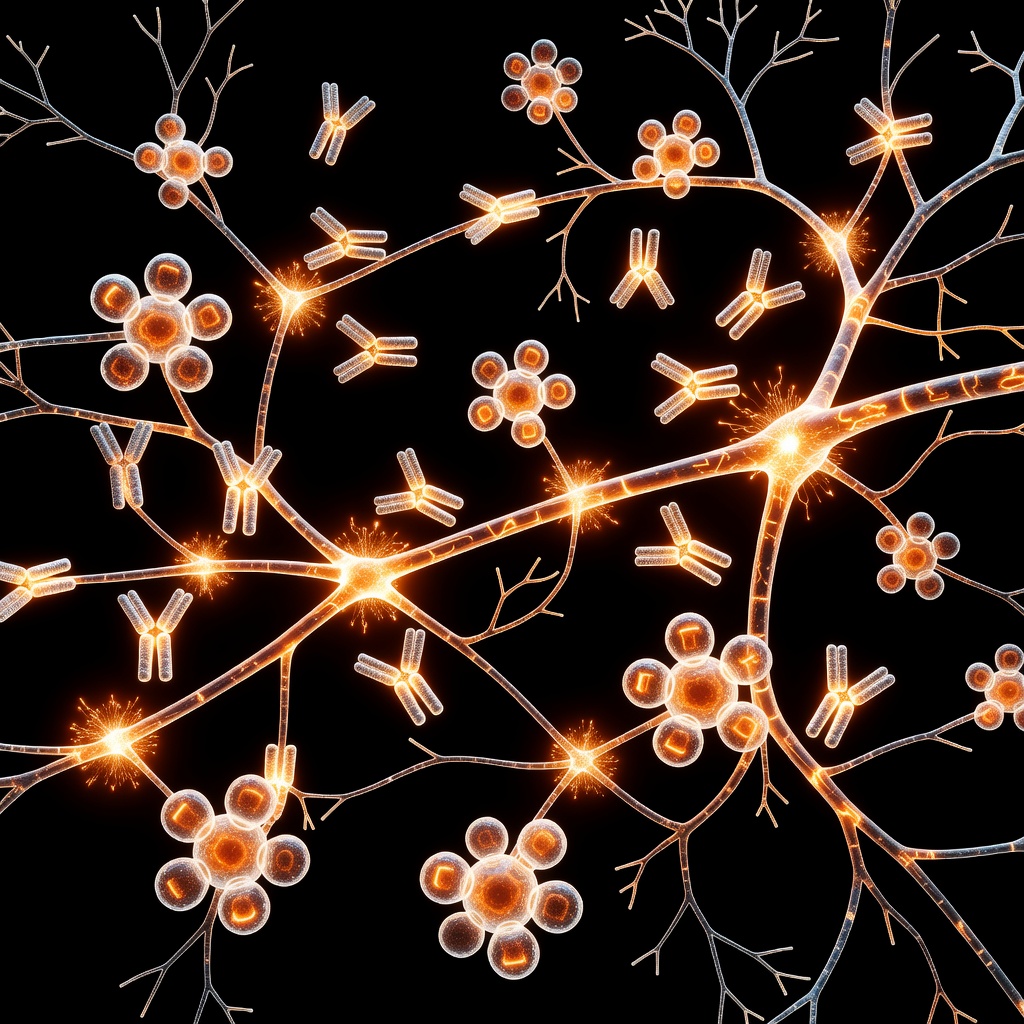
# Glyphosate-Induced Nutrient Depletion: Restoring the Cholecalciferol Pathway Amidst Environmental Xenobiotic Interference\n\nIn the modern landscape of environmental health, few topics are as contentious or as critical as the pervasive presence of glyphosate. Originally patented as a broad-spectrum chelator and later as an antibiotic, glyphosate (N-(phosphonomethyl)glycine) has become the most widely used herbicide in the UK and globally. While its primary use is in industrial agriculture, its implications for human physiology—specifically regarding the 'Vitamin D3 and K2 Synergy Protocol'—are profound and often overlooked. At INNERSTANDING, we focus on root-cause resolution, and understanding how this xenobiotic interferes with the cholecalciferol pathway is essential for anyone seeking optimal health.\n\n## The Xenobiotic Interference: Glyphosate and the CYP Enzyme Family\n\nThe conversion of Vitamin D from sun exposure or supplementation into its active hormonal form is not a single-step process. It requires a series of enzymatic transformations primarily facilitated by the Cytochrome P450 (CYP) enzyme superfamily.
These enzymes, located predominantly in the liver and kidneys, are responsible for the 25-hydroxylation and subsequent 1-alpha-hydroxylation of Vitamin D.\n\nResearch indicates that glyphosate significantly inhibits the activity of CYP enzymes. By disrupting these heme-containing proteins, glyphosate impairs the body's ability to convert cholecalciferol into 25-hydroxyvitamin D [25(OH)D], the primary circulating form, and further into 1,25-dihydroxyvitamin D [1,25(OH)2D], the biologically active steroid hormone. This inhibition creates a functional deficiency; even if an individual has adequate sunlight exposure or oral intake, the biochemical 'machinery' required to activate the nutrient is compromised. This is a primary reason why many individuals in the UK struggle to maintain optimal Vitamin D levels despite standard supplementation.\n\n## The Shikimate Pathway and the Gut-Brain-Bone Axis\n\nOne of the most common arguments in favor of glyphosate's safety is that it targets the shikimate pathway, which is absent in human cells. However, this pathway is present in the trillions of bacteria that constitute the human gut microbiome.
Vitamin K2 (specifically the menaquinone-7 or MK-7 variant) is largely produced by beneficial bacteria in the intestinal tract.\n\nGlyphosate acts as a potent antimicrobial, selectively targeting beneficial flora like Lactobacillus and Bifidobacterium while allowing pathogenic strains like Clostridia to thrive. When the gut microbiome is decimated by glyphosate residues found in non-organic grains, legumes, and vegetable oils, the endogenous production of Vitamin K2 is severely diminished. Since Vitamin K2 is the essential cofactor for activating Matrix Gla Protein (MGP) and Osteocalcin—the proteins responsible for directing calcium out of the arteries and into the bones—this depletion sets the stage for the 'Calcium Paradox': systemic Vitamin D activity with insufficient K2 guidance, leading to soft tissue calcification.\n\n## Mineral Chelation: The Forgotten Cofactor Depletion\n\nBefore it was an herbicide, glyphosate was patented as a chelator. It is designed to bind tightly to divalent metal cations, rendering them unavailable to biological systems. In the context of the Vitamin D3/K2 protocol, glyphosate's affinity for Magnesium and Manganese is particularly catastrophic.
Magnesium is a required cofactor for every single step of Vitamin D metabolism. It is needed for the binding of Vitamin D to its transport protein (VDBP) and for the enzymatic conversion in the liver and kidneys. By chelating Magnesium in the digestive tract and within systemic circulation, glyphosate indirectly halts the cholecalciferol pathway, leading to a state of 'Magnesium-dependent Vitamin D resistance.'\n\n## The Consequences of Dysregulated Mineral Metabolism\n\nWhen the D3-K2-Calcium-Magnesium axis is disrupted by glyphosate, the physiological consequences are systemic. Without the enzymatic activation of Vitamin D, immune modulation is compromised, increasing the risk of autoimmunity and chronic inflammation. Without the K2-mediated activation of Osteocalcin, bone mineral density declines.
Perhaps most critically, the inhibition of Matrix Gla Protein allows calcium—which is increased in absorption by Vitamin D—to deposit in the vascular media, contributing to arterial stiffness and cardiovascular dysfunction. This is the root-cause reality of environmental xenobiotic interference: it takes a synergistic biological harmony and turns it into a source of systemic stress.\n\n## Restoring the Pathway: The INNERSTANDING Protocol\n\nRestoring the cholecalciferol pathway in a glyphosate-laden environment requires a multi-faceted approach that goes beyond simple supplementation. At INNERSTANDING, we recommend the following root-cause interventions:\n\n1. Elimination of Xenobiotic Loading: Transitioning to a strictly organic, non-GMO diet is the most effective way to reduce glyphosate intake. Focus on 'clean' sources of fats and proteins, as glyphosate is water-soluble but often found in high concentrations in processed carbohydrate sources.\n\n2. Strategic D3 and K2 Synergy: Because activation is impaired, the ratio of D3 to K2 must be carefully managed. We advocate for the use of MK-7 (the long-chain menaquinone) to compensate for diminished gut production, ensuring that any Vitamin D-induced calcium absorption is properly utilized by the skeletal system.\n\n3. Magnesium Repletion: To overcome the chelating effects of glyphosate, high-bioavailability magnesium (such as glycinate or malate) is essential.
Magnesium 'unlocks' the CYP enzymes, allowing the conversion of D3 to proceed even in the presence of environmental inhibitors.\n\n4. Supportive Binders and Probiotics: Utilizing fulvic and humic acids can help bind glyphosate within the GI tract, while spore-based probiotics can help restore the bacterial colonies responsible for endogenous Vitamin K2 synthesis.\n\n## Conclusion\n\nGlyphosate is more than just an agricultural tool; it is a significant disruptor of human nutritional biochemistry. By understanding its impact on the Cytochrome P450 enzymes, the gut microbiome, and mineral availability, we can take proactive steps to safeguard the Vitamin D3 and K2 synergy. True health within the INNERSTANDING framework involves recognizing these environmental interferences and implementing the physiological scaffolding necessary to overcome them. Restoration is possible, but it begins with the conscious removal of the triggers and the strategic replenishment of the essential cofactors that define our biological resilience.
This article is provided for informational and educational purposes only. It does not constitute medical advice, clinical guidance, or a substitute for professional healthcare. Information reflects cited research at time of publication. Always consult a qualified healthcare professional before acting on any health information.
RESEARCH FOUNDATIONS
Biological Credibility Archive
Citations provided for educational reference. Verify via PubMed or institutional databases.
Medical Disclaimer
The information in this article is for educational purposes only and does not constitute medical advice, diagnosis, or treatment. Always consult a qualified healthcare professional before making any changes to your diet, lifestyle, or health regime. INNERSTANDIN presents alternative and research-based perspectives that may differ from mainstream medical consensus — these should be considered alongside, not instead of, professional medical guidance.
Read Full DisclaimerReady to learn more?
Continue your journey through our classified biological research.
DISCUSSION ROOM
Members of THE COLLECTIVE discussing "Glyphosate-Induced Nutrient Depletion: Restoring the Cholecalciferol Pathway Amidst Environmental Xenobiotic Interference"
SILENT CHANNEL
Be the first to discuss this article. Your insight could help others understand these biological concepts deeper.
THE ARSENAL
Based on Vitamin D3 & K2 Synergy Protocol — products curated by our research team for educational relevance and biological support.
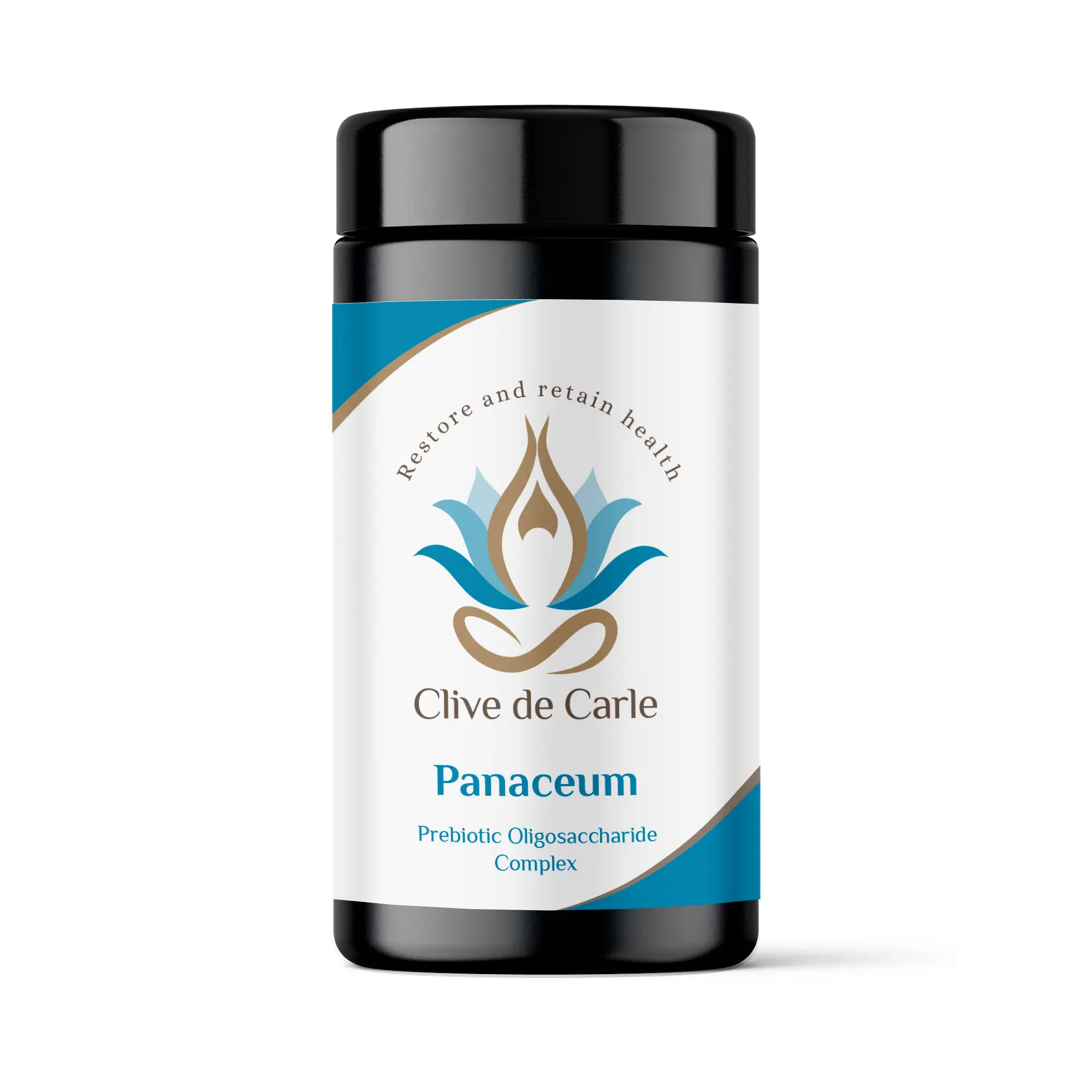
Panaceum – Prebiotic Oligosaccharide Complex
INNERSTANDING may earn a commission on purchases made through these links. All products are selected based on rigorous educational relevance to our biological research.
RABBIT HOLE
Follow the biological thread deeper