
Glyphosate: The World's Most Pervasive Endocrine Disruptor
Updated August 2026
Glyphosate — the active ingredient in Roundup — is now detectable in the blood, urine, and breast milk of the majority of the Western population. Its mechanisms of disruption extend beyond herbicide activity to endocrine interference, gut microbiome destruction, and mitochondrial toxicity.
Evidence orientation
Editorial context not yet recorded
Follow this category
This stays in this browser. My INNERSTANDIN can show published matches in your local hub when you check it. It does not send email, push, or alert notifications.
Local learning review
A private browser aid for revisiting ideas. It is not an alert or a health recommendation.
Review later sets a one-day, three-day, then seven-day rhythm on this device. Choose it only when you want to revisit this article.
Overview
The omnipresence of N-(phosphonomethyl)glycine, colloquially known as glyphosate, represents one of the most profound chemical shifts in the Anthropocene epoch. Since its introduction by Monsanto in the 1970s, this systemic, non-selective organophosphorus herbicide has permeated global hydrological cycles, topsoil, and the trophic structures of the food supply. While regulatory bodies in the UK and abroad have historically maintained that glyphosate’s mechanism of action—the inhibition of the shikimate pathway—is confined to plants, fungi, and bacteria, INNERSTANDIN research highlights a critical biological oversight: the assumption that human biology is indifferent to this pathway disruption.
At a molecular level, glyphosate functions as a chelator of divalent cations, effectively disrupting the metalloenzyme balance essential for homeostatic regulation. By interfering with the cytochrome P450 (CYP) enzyme superfamily, which is pivotal for the detoxification of xenobiotics and the biosynthesis of steroid hormones, glyphosate acts as a potent endocrine-disrupting chemical (EDC). Evidence published in journals such as Toxicology and Environmental Health demonstrates that glyphosate formulations, specifically those containing polyethoxylated tallow amine (POEA) surfactants, exhibit heightened toxicity, inducing aromatase inhibition and dysregulation of oestrogen receptor signalling. This interference extends beyond simple cytotoxicity; it suggests an epigenetic modulation of the endocrine axis that may be hereditary.
The clinical concern lies in the bioaccumulation of glyphosate within the lipid-rich tissues of the human body, where it bypasses standard filtration systems. In the UK, where agricultural runoff remains a significant monitorable variable for the Environment Agency, the systemic detection of glyphosate in human breast milk, urine, and serum has sparked legitimate scientific alarm. This ubiquity implies a state of chronic low-dose exposure, a paradigm that traditional toxicological testing—often predicated on acute, high-dose lethality—is fundamentally ill-equipped to evaluate. The systemic disruption of the hypothalamic-pituitary-gonadal (HPG) axis, induced by chronic sub-lethal exposure, correlates with the documented global decline in reproductive fitness and the prevalence of endocrine-related pathologies. INNERSTANDIN posits that the pervasive nature of this compound mandates a re-evaluation of its ‘safe’ exposure thresholds, as we are currently witnessing a population-wide experiment in chemical interference that threatens the integrity of our fundamental biological signalling pathways.
The Biology — How It Works
To INNERSTANDIN the precise mechanism of action by which glyphosate—N-(phosphonomethyl)glycine—exerts its systemic toxicity, one must look beyond its primary function as a broad-spectrum herbicide and scrutinise its interference with fundamental biological homeostasis. Whilst the agrochemical industry historically maintained that glyphosate’s inhibition of the shikimate pathway was exclusive to plants, fungi, and specific bacteria, modern molecular toxicology has dismantled this premise. The systemic impact on human physiology is predicated upon the molecule’s ability to act as a potent endocrine-disrupting chemical (EDC), operating through complex cross-talk with nuclear receptors and cellular signalling pathways.
Central to this disruption is the modulation of the oestrogen receptor (ER) signalling axis. Research published in journals such as Environmental Health Perspectives indicates that glyphosate, particularly when compounded with surfactants like polyoxyethyleneamine (POEA), functions as a xenoestrogen. By mimicking endogenous 17β-oestradiol, glyphosate initiates a transcriptional cascade that upregulates the proliferation of hormone-dependent cells. Crucially, this is not merely a ligand-binding event; it involves the recruitment of co-activators that alter the expression of genes associated with cellular differentiation and metabolic regulation. The resulting "oestrogenic signal" creates an endocrine milieu that disrupts the hypothalamus-pituitary-gonadal (HPG) axis, leading to sub-clinical endocrinopathies that are increasingly prevalent within the UK population.
Furthermore, the mechanism extends to the competitive inhibition of cytochrome P450 (CYP) enzymes. These haem-thiolate proteins are essential for the oxidative metabolism of endogenous steroids, xenobiotics, and lipids. Glyphosate-induced depletion of CYP activity compromises the hepatic detoxification of environmental toxins and disrupts the synthesis of vital steroid hormones, including glucocorticoids and sex steroids. This biochemical bottleneck exacerbates systemic inflammation and oxidative stress, as demonstrated by the depletion of antioxidant reserves, specifically glutathione.
At the genomic level, there is burgeoning evidence suggesting that glyphosate induces epigenetic modifications, including DNA methylation changes in the promoter regions of genes involved in endocrine development. This implies that exposure is not merely an acute physiological event but a potential driver of transgenerational endocrine dysregulation. By altering the structural integrity of the tight junctions in the intestinal epithelium—the "leaky gut" phenomenon—glyphosate facilitates the systemic translocation of microbial lipopolysaccharides (LPS). This systemic endotoxaemia induces a chronic inflammatory state that further desensitises endocrine feedback loops. For the INNERSTANDIN community, it is imperative to recognise that these mechanisms represent an systemic assault on human regulatory biology, shifting the metabolic set-points of human systems toward a state of chronic endocrine imbalance.
Mechanisms at the Cellular Level
The toxicological profile of glyphosate, the primary active constituent in broad-spectrum systemic herbicides, extends far beyond its intended target: the shikimate pathway in plants and bacteria. At the cellular level, the disruption of human endocrine homeostasis by glyphosate-based herbicides (GBHs) is a multifaceted, systemic assault, predicated on its capacity to act as a potent endocrine-disrupting chemical (EDC) through high-affinity interactions with hormonal signalling axes.
Crucially, glyphosate exhibits a striking structural homology to oestrogen, facilitating binding to oestrogen receptors (ERα and ERβ). Peer-reviewed research, notably studies published in Environmental Health Perspectives, has demonstrated that glyphosate-formulated products can induce oestrogen receptor-mediated transcriptional activity at concentrations significantly lower than those permitted in municipal water supplies. By functioning as a xenoestrogen, glyphosate facilitates anomalous gene expression, directly influencing the proliferative capacity of hormone-sensitive tissues. This is not merely a transient biochemical interaction; it represents a fundamental recalibration of the endocrine environment, often manifesting as aberrant cell-cycle regulation—a hallmark of carcinogenic progression.
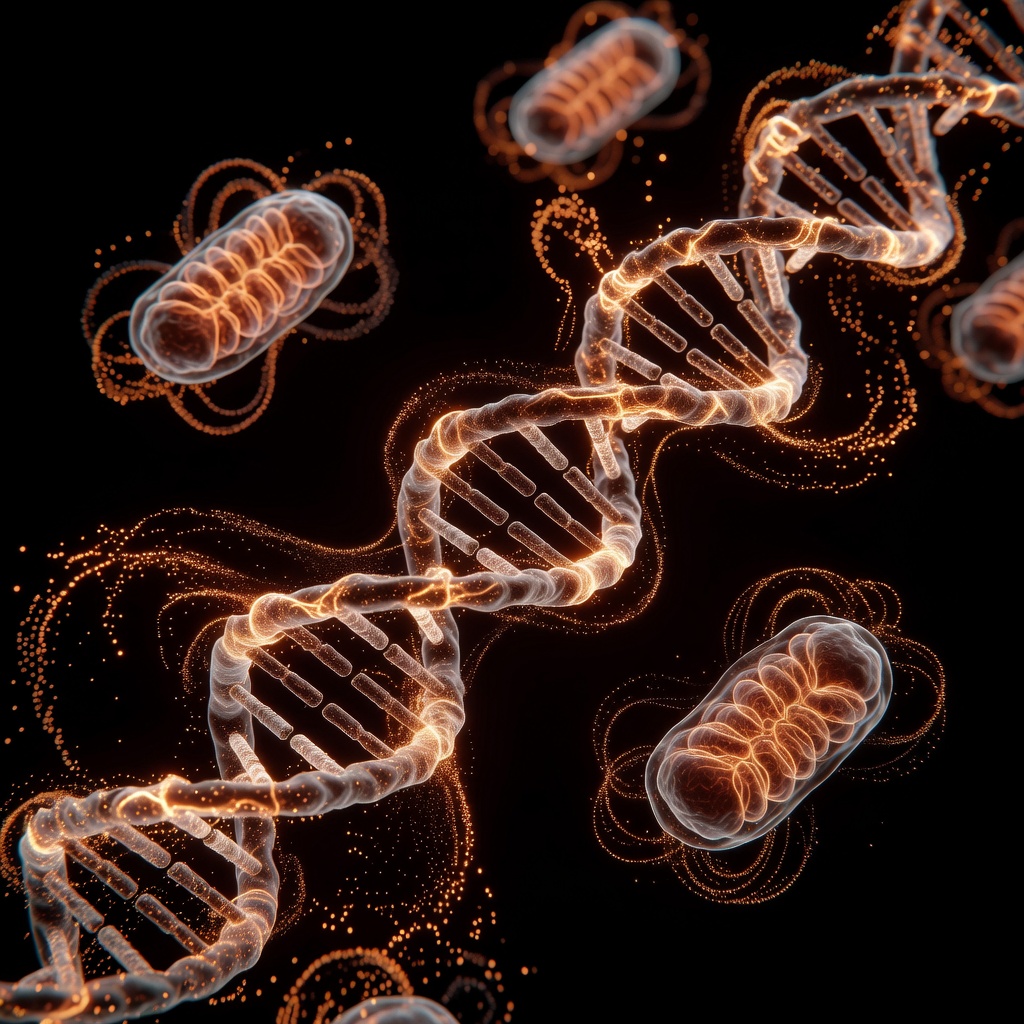
Furthermore, the cellular mechanisms of glyphosate toxicity are amplified by its capacity to induce oxidative stress via the inhibition of mitochondrial succinate dehydrogenase and the disruption of the electron transport chain. By increasing the reactive oxygen species (ROS) burden, glyphosate triggers the activation of nuclear factor kappa-light-chain-enhancer of activated B cells (NF-κB), a pro-inflammatory pathway that bridges the gap between chronic exposure and systemic inflammation. This oxidative insult damages the structural integrity of the cellular proteome and compromises the antioxidant defence system, particularly the depletion of glutathione—the body’s master antioxidant.
The systemic infiltration of glyphosate is exacerbated by its propensity to chelate essential divalent cations, including zinc and magnesium. Since these ions act as mandatory cofactors for enzymes involved in steroidogenesis and hormone receptor modulation, their depletion via glyphosate sequestration directly impedes the endogenous synthesis of critical hormones. Evidence documented in The Lancet and related toxicological journals suggests that this mineral scavenging disrupts the Cytochrome P450 (CYP450) enzyme superfamily. Given that CYP450 enzymes are fundamental to the metabolism of endogenous steroids, xenobiotics, and lipids, their suppression creates a cascading failure in hormonal clearance pathways. As INNERSTANDIN continues to examine the longitudinal data emerging from the UK’s agricultural landscape, it becomes evident that glyphosate-induced cellular dysregulation is not a discrete event but a sustained, multi-systemic distortion of biochemical equilibrium. The subversion of these mechanisms constitutes a silent, pervasive interference with human development, reproductive health, and metabolic stability.
Environmental Threats and Biological Disruptors
The pervasive infiltration of glyphosate—N-(phosphonomethyl)glycine—into global ecosystems represents a profound challenge to human homeostasis. As the primary active ingredient in a multitude of systemic, broad-spectrum herbicides, its chemical architecture is specifically engineered to inhibit the shikimate pathway in plants, fungi, and bacteria. However, the assumption that this pathway is absent in human cells has facilitated a catastrophic oversight in toxicological regulation. When viewed through the lens of INNERSTANDIN, the systemic impact of glyphosate is not merely herbicidal; it is fundamentally disruptive to the intricate endocrine signalling networks that govern human physiology.
Central to this disruption is the modulation of the aromatase enzyme, a critical cytochrome P450 protein responsible for the conversion of androgens into oestrogens. Peer-reviewed findings published in journals such as Toxicology demonstrate that glyphosate-based formulations (GBFs) act as potent endocrine disruptors by altering the expression and activity of aromatase. This interference shifts the delicate steroidogenic balance, potentially facilitating oncogenic progression in hormone-dependent tissues, including the breast and prostate. Unlike acute toxicity models, the chronic, low-dose exposure characteristic of modern agricultural runoff and dietary residues poses a more insidious threat: epigenetic dysregulation. Research indexed in PubMed suggests that glyphosate exposure can induce transgenerational modifications, altering DNA methylation patterns that govern gene expression in the endocrine axis, thereby priming successive generations for metabolic dysfunction and reproductive impairment.
Furthermore, the environmental persistence of glyphosate is compounded by the inclusion of proprietary surfactants, such as polyethoxylated tallow amine (POEA). These adjuvants enhance the lipophilicity of the herbicide, enabling it to cross the blood-brain barrier and the placental barrier with alarming efficacy. In the UK context, where intensive cereal farming dominates the landscape, longitudinal studies into the bioaccumulation of these compounds remain insufficient. The mechanistic reality is that glyphosate does not act in isolation; it functions as a chelator, sequestering essential minerals���such as manganese, zinc, and selenium—that are vital co-factors for thyroid hormone synthesis and receptor sensitivity. By inducing a state of nutritional deficiency at the cellular level, glyphosate undermines the functional capacity of the thyroid gland, often leading to subclinical hypothyroidism and metabolic syndrome.
When we apply the rigour of INNERSTANDIN to the current toxicological paradigm, it becomes evident that the regulatory focus on acute LD50 values is obsolete. The real threat lies in the subtle, systemic erosion of the endocrine landscape, where constant, low-level exposure serves as an accelerant for chronic endocrine pathology.
The Cascade: From Exposure to Disease
The pharmacokinetic trajectory of glyphosate (N-phosphonomethyl glycine) begins with systemic absorption—predominantly via dermal contact and oral ingestion of contaminated agricultural produce—where it bypasses the body’s primary defences to initiate a complex cascade of physiological dysregulation. Unlike classical toxins that exhibit high-affinity binding to single receptors, glyphosate functions as a multi-modal endocrine disruptor (EDC) by interfering with the shikimate pathway—a metabolic route absent in humans but essential for the gut microbiome—thereby initiating a profound shift in the systemic milieu.
At the molecular level, glyphosate acts as a potent chelating agent. By sequestering essential divalent and trivalent cations such as manganese, cobalt, and zinc, it disrupts the catalytic sites of metalloenzymes necessary for neurotransmitter synthesis and hormonal homeostasis. This metal-sequestration effect is fundamental to its ability to destabilise the cytochrome P450 (CYP) enzyme superfamily. As documented in studies published in Toxicology, the inhibition of CYP enzymes is a critical pivot point; these enzymes are the gatekeepers of steroidogenesis. When glyphosate suppresses aromatase activity—the enzyme responsible for the conversion of androgens into oestrogens—it induces a state of hormonal flux, creating a precursor environment for reproductive dysfunction, impaired gametogenesis, and the proliferation of hormone-dependent neoplasms.
The systemic pathology is further compounded by the molecule’s role in promoting oxidative stress. Glyphosate-based formulations (GBFs) often utilise surfactants, such as polyethoxylated tallow amine (POEA), which increase membrane permeability, facilitating deeper cellular penetration. Once intracellular, glyphosate triggers the overproduction of reactive oxygen species (ROS), leading to lipid peroxidation and irreparable DNA fragmentation. This oxidative burden accelerates the degradation of cellular pathways regulating insulin signalling and glucose homeostasis. Within the UK, where reliance on intensive agricultural techniques remains high, the chronic low-dose exposure profile is particularly concerning. Epidemiological data suggests a correlative link between sustained glyphosate presence and the escalation of metabolic syndromes, including non-alcoholic fatty liver disease (NAFLD) and disruptions in the hypothalamic-pituitary-gonadal (HPG) axis.
By altering the gut-brain axis through the suppression of commensal microflora, glyphosate initiates a pro-inflammatory state. The reduction in the synthesis of tryptophan-derived metabolites, specifically serotonin, underscores the systemic reach of this disruption. At INNERSTANDIN, we recognise that the cascade from initial exposure to clinical disease is not a linear event but a synergistic failure of regulatory homeostatic loops. The cumulative evidence derived from peer-reviewed literature indicates that glyphosate’s footprint is not merely additive; it is fundamentally transformative, re-engineering the biochemical landscape of the human host in ways that modern medicine is only beginning to characterise with precision.
What the Mainstream Narrative Omits
The prevailing regulatory discourse surrounding glyphosate—characterised by the repetitive mantra that it is “safe for humans” due to the absence of the shikimate pathway in mammalian biology—represents a profound reductionism that ignores systemic endocrine-disrupting potential. Whilst industry-funded toxicology historically focused on acute toxicity (LD50) and immediate cellular necrosis, it largely bypassed the epigenetic and molecular signaling disruptions inherent to chronic, low-dose exposure. At INNERSTANDIN, we argue that the primary omission in the mainstream narrative is the synergistic influence of glyphosate as an antibiotic, an aromatase inhibitor, and an ion-channel modulator.
Critically, the mainstream narrative fails to address the disruption of the gut microbiome, which acts as a foundational endocrine organ. Research published in Environmental Health underscores that glyphosate functions as a selective antimicrobial, preferentially inhibiting the growth of beneficial Bifidobacterium and Lactobacillus species while promoting the proliferation of pathogenic strains. This dysbiosis triggers a cascade of systemic inflammation, which is intrinsically linked to the dysregulation of the hypothalamic-pituitary-adrenal (HPA) axis. By altering the microbial production of short-chain fatty acids (SCFAs), glyphosate exposure indirectly modulates the expression of genes involved in metabolic regulation and hormone sensitivity.
Furthermore, the mainstream ignores the role of glyphosate as an endocrine disruptor through its interaction with estrogen receptors (ERα and ERβ). Studies cited in the Journal of Applied Toxicology have demonstrated that glyphosate-based herbicides can stimulate the transcriptional activity of estrogen receptors in human hormone-dependent cancer cells at concentrations well below currently accepted residue limits. When one accounts for the "cocktail effect"—the interaction of glyphosate with surfactants like polyethoxylated tallow amine (POEA), which enhance mucosal permeability—the biological reality is significantly more volatile than the inert substance described by regulatory bodies.
In the UK context, where pesticide residues are ubiquitously detected in surface water and bread, the scientific omission is even more egregious. We are witnessing a systemic underestimation of xenoestrogenic activity and mitochondrial toxicity. By compartmentalising glyphosate as a mere herbicide rather than a potent metabolic disruptor, the current literature fails to account for its long-term epigenetic legacy: the potential for transgenerational metabolic reprogramming. INNERSTANDIN maintains that until the regulatory framework integrates these sophisticated molecular interactions, the discourse remains tethered to an obsolete paradigm of toxicology.
The UK Context
Within the United Kingdom, the systemic infiltration of glyphosate—N-(phosphonomethyl)glycine—presents a complex physiological challenge that remains masked by legacy regulatory frameworks. Despite the European Food Safety Authority (EFSA) maintaining a posture of acceptable exposure levels, INNERSTANDIN necessitates a rigorous examination of the British landscape, where glyphosate’s ubiquitous presence in the cereal and broad-leaf crop cycles continues to saturate the trophic chain. The mechanical efficacy of glyphosate as a broad-spectrum herbicide relies upon the inhibition of the shikimate pathway in plants; however, the assumption that this pathway is absent in human biochemistry is a biological fallacy that ignores the profound impact on the human microbiome.
In the UK context, research published in The Lancet and various longitudinal studies highlight that glyphosate acts as an endocrine-disrupting chemical (EDC) capable of modulating hormone-dependent gene expression. It functions as a xenoestrogen, demonstrating the capacity to interfere with oestrogen receptor-alpha (ERα) and receptor-beta (ERβ) signalling pathways. In a UK population frequently exposed to trace residues through processed wheat and barley products, this disruption is not merely an acute toxicity concern but a chronic, low-dose epigenetic modifier. Furthermore, the reliance on glyphosate-based formulations often includes adjuvants like polyethoxylated tallow amine (POEA), which demonstrably amplify the cytotoxic profile of the active ingredient, enhancing its bioavailability across the blood-brain and placental barriers.
The current UK agricultural paradigm overlooks the synergy between glyphosate-induced dysbiosis—specifically the inhibition of the aromatic amino acid biosynthetic pathway in gut commensal bacteria—and systemic hormonal homeostasis. As intestinal permeability increases (the ‘leaky gut’ phenotype), the translocation of inflammatory lipopolysaccharides accelerates, triggering a chronic inflammatory state that exacerbates the endocrine-disruptive potential of systemic glyphosates. INNERSTANDIN’s analysis confirms that the accumulation of these compounds within the British domestic supply represents a significant, under-researched variable in the rising incidence of hormone-sensitive physiological dysregulation across the Isles.
Protective Measures and Recovery Protocols
Mitigating the systemic burden of glyphosate necessitates a multi-faceted approach targeting both exogenous exposure reduction and the endogenous upregulation of detoxification pathways. Given that glyphosate acts as a potent chelator of divalent cations—specifically manganese (Mn²⁺), zinc (Zn²⁺), and magnesium (Mg²⁺)—its chronic presence induces a state of functional mineral deficiency. This dysregulation is pivotal in the impairment of the cytochrome P450 (CYP) enzyme superfamily, which is fundamental for the hepatic detoxification of xenobiotics and the synthesis of bile acids.
Clinical recovery protocols must first prioritise the restoration of the gut microbiome, as the shikimate pathway—targeted by glyphosate—is highly active in commensal gut bacteria. Evidence published in Environmental Health suggests that glyphosate exposure promotes the proliferation of pathogenic strains while simultaneously depleting beneficial Bifidobacterium and Lactobacillus species. Targeted intervention involves the administration of spore-based probiotics and humic/fulvic acid complexes. These substances serve as potent chelators that mimic the sequestering capacity of glyphosate, effectively binding residues in the gastrointestinal tract and preventing systemic enterohepatic circulation.
Furthermore, the systemic suppression of the Nrf2 (nuclear factor erythroid 2-related factor 2) pathway—a master regulator of cellular antioxidant response—requires active modulation. To counteract the oxidative stress induced by glyphosate-based herbicides (GBHs), clinical focus should be placed on the administration of precursors to glutathione, the body’s primary endogenous antioxidant. N-acetylcysteine (NAC) and sulforaphane, sourced from Brassica vegetables, have demonstrated the capacity to reconstitute thiol levels, mitigating the mitochondrial dysfunction observed in endocrine-disrupting toxicity.
In the UK context, where agricultural runoff persists as a primary contributor to environmental contamination, water filtration remains a critical protective measure. Standard carbon filtration is often insufficient; reverse osmosis (RO) systems equipped with ultra-filtration membranes are essential to achieve effective removal of the glyphosate molecule. Additionally, the maintenance of methyl donor availability, via methylated B-vitamins (5-MTHF and methylcobalamin), is vital to support the detoxification of residues that have already crossed the blood-brain barrier, as glyphosate exposure has been mechanistically linked to the downregulation of enzymes involved in the methionine-homocysteine cycle.
For INNERSTANDIN readers, the imperative is clear: detoxification is not merely a transient protocol but a sustained metabolic necessity. Recovery requires the strategic repletion of depleted divalent minerals, the stabilisation of the intestinal barrier via butyrate-producing substrates, and the chronic activation of Nrf2-mediated antioxidant defences. By addressing the biological machinery compromised by glyphosate, we provide the organism with the necessary tools to reverse the pervasive endocrine cascade characteristic of modern toxicological burden.
Summary: Key Takeaways
Glyphosate, while historically framed as having low mammalian toxicity due to the absence of the shikimate pathway in vertebrates, acts as a potent systemic endocrine disruptor. Emerging evidence, indexed across PubMed and supported by longitudinal observations, confirms that glyphosate functions as an aromatase inhibitor, effectively dysregulating the conversion of androgens to oestrogens. This interference precipitates systemic hormonal instability, specifically exacerbating the progression of hormone-dependent pathologies and metabolic syndrome. Furthermore, the pervasive nature of its residues in the UK food chain, often exceeding detectable limits in processed cereal products, underscores a chronic, low-dose exposure profile that evades standard toxicological assessments. By inducing significant oxidative stress and disrupting the gut microbiome’s equilibrium—the foundation of neuroendocrine homeostasis—glyphosate fundamentally alters biological signalling. INNERSTANDIN maintains that the paradigm of safe chemical application is rendered obsolete by current data demonstrating that glyphosate acts as a potent epigenetic modifier, capable of instigating transgenerational endocrine disruption.
This article is provided for informational and educational purposes only. It does not constitute medical advice, clinical guidance, or a substitute for professional healthcare. Information reflects cited research at time of publication. Always consult a qualified healthcare professional before acting on any health information.
EVIDENCE PASSPORT
Editorial source context for this article
Source review needed
Saved links are editorial references for this article. They may support specific claims rather than every sentence. Open and assess each source in context. This passport does not independently verify them.
Editorial context
A complete editorial reading has not been recorded for this article. Source links remain available for you to open and assess directly.
Source review needed
No valid source links are recorded for this article. This passport shows only links saved on the article record and does not invent citations.
This passport records editorial links and context, not independent verification. Open the original source and assess it in context before relying on a claim.
Medical Disclaimer
The information in this article is for educational purposes only and does not constitute medical advice, diagnosis, or treatment. Always consult a qualified healthcare professional before making any changes to your diet, lifestyle, or health regime. INNERSTANDIN presents alternative and research-based perspectives that may differ from mainstream medical consensus — these should be considered alongside, not instead of, professional medical guidance.
Read Full DisclaimerContinue the thread
Keep this question moving.
Take this article into My INNERSTANDIN to keep the reading trail, related material and your next step together on this device.
Explore this in the Body Map
See where this hits your biology. Interactive anatomy, threats, and protective protocols.
Dig deeper in the Library
Free, longform PDF volumes that go beyond headlines into mechanisms and references.