
The Invisible Siege: How Urban Air Pollution is Compromising Mitochondrial Function in the Modern Briton
Updated April 2026
Evidence orientation
Editorial context not yet recorded
Follow this category
This stays in this browser. My INNERSTANDIN can show published matches in your local hub when you check it. It does not send email, push, or alert notifications.
Local learning review
A private browser aid for revisiting ideas. It is not an alert or a health recommendation.
Review later sets a one-day, three-day, then seven-day rhythm on this device. Choose it only when you want to revisit this article.
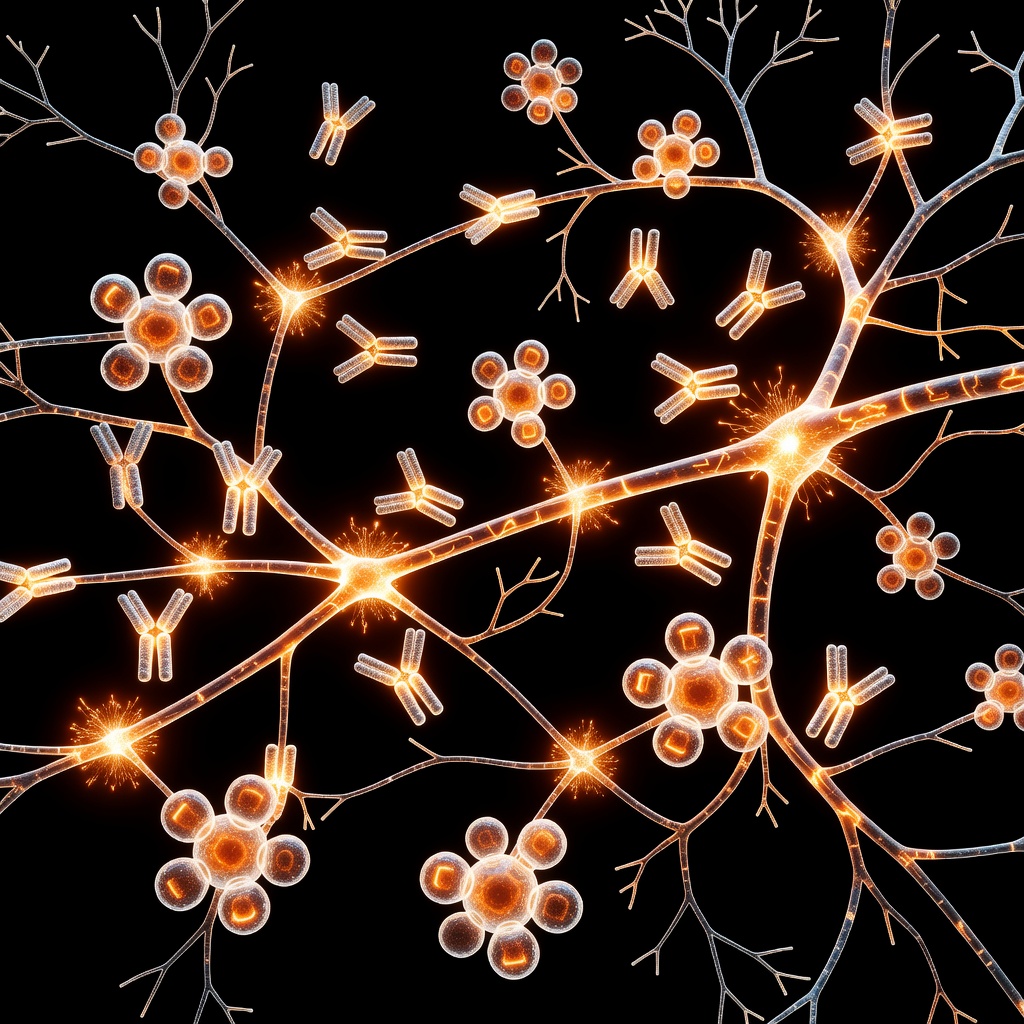
For the average resident of London, Manchester, or Birmingham, the morning commute is more than a logistical hurdle—it is a physiological confrontation. While we have long been warned about the impact of "smog" on our lungs, a more insidious reality is unfolding at the sub-cellular level. We are currently witnessing an invisible siege where the very air of our post-industrial landscape is dismantling the fundamental units of human vitality: the mitochondria.
In this INNERSTANDING deep-dive, we peel back the curtain on the biochemical warfare occurring within your cells. This is not merely about a cough or a wheeze; it is about the systematic degradation of your body’s ability to produce energy, govern metabolism, and maintain genetic integrity.
The Microscopic Engine Under Attack
To understand the gravity of the situation, one must first appreciate that mitochondria are far more than the "powerhouses of the cell." They are sophisticated environmental sensors. They orchestrate apoptosis (programmed cell death), regulate calcium signalling, and produce the adenosine triphosphate (ATP) that fuels every heartbeat, thought, and immune response.
However, these organelles possess a unique vulnerability. Unlike the cell's nucleus, which is shielded by robust protective proteins (histones), mitochondrial DNA (mtDNA) is essentially "naked." It sits directly adjacent to the site of energy production, where highly reactive molecules are generated. When urban pollutants enter the fray, this delicate machinery is the first to fracture.
The Mitochondrial Truth-Bomb: Your mitochondria are the primary interfaces between the external environment and your internal biology. If the air is toxic, your cellular energy production becomes fundamentally compromised before you ever manifest a clinical symptom.
The Primary Aggressors: PM2.5 and Nitrogen Dioxide
The British urban landscape is saturated with two primary antagonists: Particulate Matter (PM2.5) and Nitrogen Dioxide (NO2). While UK legislation has made strides since the Great Smog of 1952, the modern threat is smaller, more chemical-laden, and significantly more invasive.
- PM2.5 (Fine Particulate Matter): These particles are less than 2.5 micrometres in diameter—roughly 30 times thinner than a human hair. Their size allows them to bypass the lungs’ cilia and enter the bloodstream directly.
- Ultrafine Particles (UFPs): Even smaller than PM2.5, these can translocate through the olfactory bulb directly into the brain, bypassing the blood-brain barrier.
- Nitrogen Dioxide (NO2): Largely a byproduct of diesel combustion, this gas provokes immediate oxidative stress in the airway lining, triggering a systemic inflammatory cascade.
When these particles enter the systemic circulation, they don't just sit there. They seek out the most metabolically active tissues—the heart, the brain, and the liver—where mitochondrial density is highest.
The Mechanism: Oxidative Stress and the Electron Transport Chain
The "siege" operates primarily through oxidative stress. Under normal conditions, mitochondria produce a small amount of Reactive Oxygen Species (ROS) as a byproduct of energy metabolism. Our bodies neutralise these with endogenous antioxidants like glutathione.
Urban pollution, however, acts as a massive exogenous source of ROS. Transition metals found in brake dust (such as copper, iron, and manganese) and Polycyclic Aromatic Hydrocarbons (PAHs) from exhaust fumes enter the cell and overwhelm the antioxidant defences.
"1. Interruption of the Electron Transport Chain (ETC):"
Pollutants can physically interfere with the complexes of the ETC. When Complex I or Complex III is inhibited by heavy metals or carbonaceous particles, the flow of electrons is disrupted. Instead of being used to create ATP, these electrons "leak" out, reacting with oxygen to create even more damaging free radicals.
"2. Membrane Depolarisation:"
The mitochondrial membrane must maintain a specific electrical potential to function. Urban toxins can cause "leaks" in this membrane, dissipating the charge and effectively "stalling" the cellular engine.
"3. mtDNA Deletions:"
Because mtDNA lacks the sophisticated repair mechanisms of nuclear DNA, the oxidative assault from air pollution leads to mutations and deletions. Over time, this leads to a population of "zombie" mitochondria that produce very little energy but high amounts of waste, accelerating the ageing process of the Modern Briton.
The British Context: A Unique Environmental Trap
Why is this specifically a crisis for the "Modern Briton"? Our environment presents a unique confluence of factors that exacerbate mitochondrial decay.
- Victorian Infrastructure vs. Modern Pollutants: Many UK cities are built on Victorian layouts designed for horse and cart, now repurposed for heavy diesel traffic. These "street canyons" trap pollutants at street level, ensuring pedestrians and residents are constantly bathed in high concentrations of NO2.
- The Indoor-Outdoor Paradox: Britons spend upwards of 90% of their time indoors. However, modern British homes—often damp-prone or poorly ventilated—trap outdoor pollutants (like PM2.5) while adding indoor toxins (VOCs from synthetic carpets, cleaning agents, and gas hobs). This creates a "toxic soup" that never allows the mitochondria a window for recovery.
- The "Urban Heat Island" Effect: As British summers become more intense, urban heat islands (particularly in London) increase the formation of ground-level ozone, another potent mitochondrial poison that oxidises cellular lipids on contact.
Warning: Living within 50 metres of a major UK "A-road" or motorway is estimated to increase the rate of mitochondrial DNA damage by nearly 20% compared to rural counterparts.
The Systematic Fallout: From Fatigue to Neurodegeneration
When the invisible siege succeeds, the results are not localised to the lungs. We see a systemic collapse of health that defines the modern British malaise.
- Chronic Fatigue and Brain Fog: The brain consumes 20% of the body’s energy. When urban pollution stalls mitochondrial ATP production, the result is the ubiquitous "brain fog" and lethargy reported by city dwellers.
- Metabolic Derangement: Mitochondria are central to fat and glucose oxidation. If they are damaged by air pollution, the body cannot efficiently burn fuel, contributing to the UK’s rising rates of Type 2 Diabetes and obesity, regardless of caloric intake.
- Cardiovascular Compromise: The heart has the highest concentration of mitochondria in the body. Pollutant-induced mitochondrial dysfunction leads to endothelial dysfunction (stiffening of the arteries), a precursor to hypertension and stroke.
- Accelerated Neurodegeneration: Research increasingly links PM2.5 exposure to Alzheimer's and Parkinson's. The mechanism is almost always the same: mitochondrial failure in the neurons followed by neuro-inflammation.
Strategies for Mitochondrial Resilience
While we cannot unilaterally change the air quality of Greater London overnight, we can fortify our internal defences. Reclaiming mitochondrial sovereignty requires a proactive, "INNERSTANDING" approach to environmental health.
1. Environmental Filtration
Do not assume your home is a sanctuary. High-quality HEPA (High-Efficiency Particulate Air) and activated carbon filters are no longer luxuries; they are essential medical equipment for the urban Briton. They are the only way to significantly reduce the PM2.5 and VOC load within your living space.
2. Targeted Nutritional Support
To combat the oxidative siege, we must provide the raw materials for mitochondrial repair:
- Coenzyme Q10 (CoQ10): A vital component of the Electron Transport Chain that acts as a potent antioxidant within the mitochondrial membrane.
- N-Acetyl Cysteine (NAC): The precursor to glutathione, the body’s "master antioxidant" which is rapidly depleted by air pollution.
- Alpha-Lipoic Acid: A unique antioxidant that can function in both water and fat-soluble environments, protecting both the cell and the mitochondria.
- Magnesium: Required for every single step of ATP production; most Britons are chronically deficient.
3. The Power of "Blue and Green" Space
The British "Forest Bathing" equivalent—spending time in the Highlands, the Peak District, or even large coastal parks—is more than a leisure activity. It is a biological "reset." Research shows that even short exposures to "clean air" environments allow the body to upregulate mitochondrial repair genes.
4. Circadian Optimisation
Mitochondria have their own internal clocks. By ensuring you get bright, natural light in the morning (even through the British grey) and avoiding blue light at night, you synchronise mitochondrial fission and fusion—the processes by which the cell "cleans out" damaged mitochondria and creates healthy new ones.
Conclusion: Reclaiming the Cellular Sovereign
The "Invisible Siege" of urban air pollution is perhaps the greatest unrecognised public health crisis of our time. It is a slow-motion assault on the very essence of our biological vitality. By understanding that the battleground is not the lung, but the mitochondrion, we shift our perspective from passive victims of "pollution" to active guardians of our cellular energy.
The Modern Briton must recognise that the convenience of the city comes at a biological price. Only through deliberate environmental management, targeted supplementation, and a return to natural rhythms can we hope to lift the siege and restore the power to our internal engines.
Final Truth: You are not "getting older" or "stressed" at the rate you think you are; you are being oxidised by your environment. The first step to healing is the INNERSTANDING of the air you breathe.
This article is provided for informational and educational purposes only. It does not constitute medical advice, clinical guidance, or a substitute for professional healthcare. Information reflects cited research at time of publication. Always consult a qualified healthcare professional before acting on any health information.
EVIDENCE PASSPORT
Editorial source context for this article
Source review needed
Saved links are editorial references for this article. They may support specific claims rather than every sentence. Open and assess each source in context. This passport does not independently verify them.
Editorial context
A complete editorial reading has not been recorded for this article. Source links remain available for you to open and assess directly.
Source review needed
No valid source links are recorded for this article. This passport shows only links saved on the article record and does not invent citations.
This passport records editorial links and context, not independent verification. Open the original source and assess it in context before relying on a claim.
Medical Disclaimer
The information in this article is for educational purposes only and does not constitute medical advice, diagnosis, or treatment. Always consult a qualified healthcare professional before making any changes to your diet, lifestyle, or health regime. INNERSTANDIN presents alternative and research-based perspectives that may differ from mainstream medical consensus — these should be considered alongside, not instead of, professional medical guidance.
Read Full DisclaimerContinue the thread
Keep this question moving.
Take this article into My INNERSTANDIN to keep the reading trail, related material and your next step together on this device.
Dig deeper in the Library
Free, longform PDF volumes that go beyond headlines into mechanisms and references.