
Endocrine Disruptors: The Xenoestrogen Crisis
Updated August 2026
Bisphenol A, phthalates, parabens, dioxins, and hundreds of related synthetic chemicals structurally mimic oestradiol and bind to hormonal receptors throughout the body, disrupting reproductive function, thyroid signalling, adrenal output, and metabolic regulation at concentrations measured in parts per trillion. In women, xenoestrogen excess drives PCOS, endometriosis, fibroids, and hormone-receptor-positive breast cancer. In men, it suppresses testosterone, reduces sperm count, and causes testicular cancer — an epidemic that UK health authorities consistently attribute to genetics whilst ignoring the environmental chemical load.
Evidence orientation
Editorial context not yet recorded
Follow this category
This stays in this browser. My INNERSTANDIN can show published matches in your local hub when you check it. It does not send email, push, or alert notifications.
Local learning review
A private browser aid for revisiting ideas. It is not an alert or a health recommendation.
Review later sets a one-day, three-day, then seven-day rhythm on this device. Choose it only when you want to revisit this article.
Overview
The modern anthropogenic landscape is defined not merely by the physical structures we inhabit, but by a pervasive, invisible chemical milieu that is actively re-engineering human physiology. At the centre of this silent crisis are endocrine-disrupting chemicals (EDCs), specifically xenoestrogens—synthetic compounds that possess the structural capacity to mimic or antagonise the body’s endogenous hormonal signalling pathways. Unlike traditional toxicological threats that follow dose-response curves predicated on acute toxicity, EDCs operate via the ‘low-dose hypothesis.’ Research published in The Lancet Diabetes & Endocrinology underscores that these compounds can exert deleterious effects at levels previously considered biologically negligible, primarily because they hijack the high-affinity regulatory mechanisms of the endocrine system.
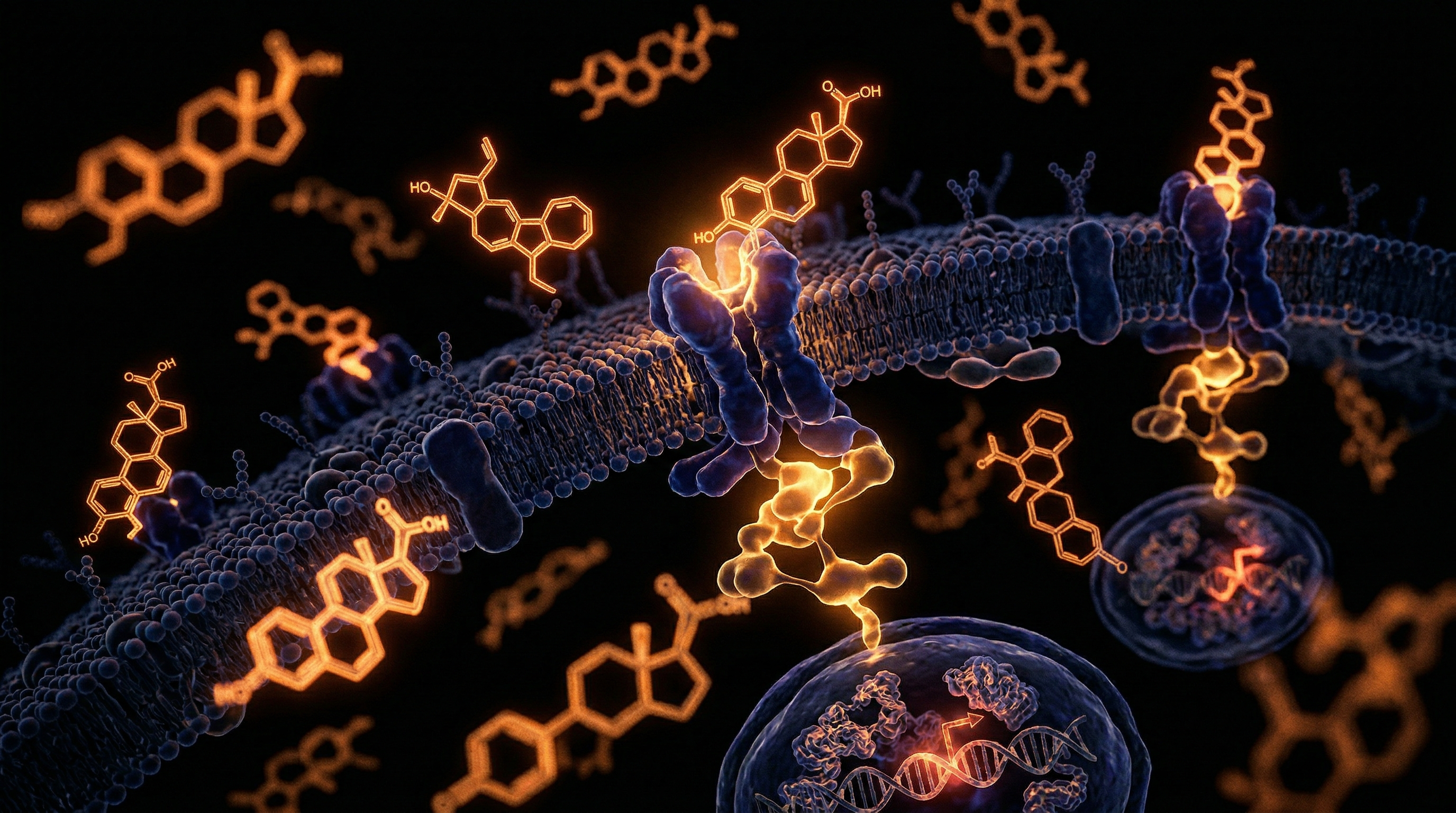
As INNERSTANDIN researchers observe, the mechanisms of action for xenoestrogens are multifaceted. Compounds such as Bisphenol A (BPA), phthalates, and per- and polyfluoroalkyl substances (PFAS) act as potent ligands for nuclear oestrogen receptors (ERα and ERβ). By binding to these receptors, they initiate an aberrant transcriptional cascade that bypasses the tightly regulated feedback loops of the hypothalamic-pituitary-gonadal (HPG) axis. In the United Kingdom, where industrial legacy and modern consumer reliance on plasticised materials remain high, the public is chronically exposed to a cocktail of these substances through water supplies, food packaging, and domestic dust.
The biological implications are systemic. Xenoestrogens do not merely ‘mimic’ oestrogen; they disrupt the precise epigenetic programming of developmental windows. Epidemiological data indicates a worrying correlation between early-life exposure to these disruptors and the rising incidence of reproductive dysgenesis syndrome, including cryptorchidism, hypospadias, and plummeting sperm counts observed in British males over the last four decades. Furthermore, these compounds are lipophilic and bioaccumulative, sequestering in adipose tissue and ensuring prolonged internal exposure. By interfering with the thyroid axis and insulin sensitivity, xenoestrogens are likely fundamental drivers of the burgeoning ‘metabolic syndrome’ epidemic, creating a state of chronic endocrine imbalance. For those engaging with INNERSTANDIN, it is imperative to recognise that the xenoestrogen crisis represents a fundamental violation of biological integrity, wherein synthetic chemistry has effectively colonised the internal regulatory architecture of the human organism, necessitating a complete re-evaluation of how we define environmental safety.
The Biology — How It Works
The endocrinological integrity of the human organism is governed by a precision-calibrated signalling network. At the core of this system are nuclear receptors, specifically the Oestrogen Receptors alpha (ERα) and beta (ERβ), which act as ligand-activated transcription factors. Under homeostatic conditions, endogenous 17β-oestradiol binds to these receptors with high affinity, initiating a conformational change that permits dimerisation and subsequent translocation to the nucleus. Here, the complex binds to Oestrogen Response Elements (EREs) within the promoter regions of target genes, orchestrating critical physiological processes ranging from metabolic homeostasis to neurodevelopment.
The crisis of xenoestrogens—synthetic chemical entities such as Bisphenol A (BPA), phthalates, and persistent organochlorine pollutants—lies in their structural mimicry. These compounds are essentially ‘molecular imposters’. Due to their phenolic rings or specific stereochemical configurations, they possess the capacity to dock into the ligand-binding domain (LBD) of the oestrogen receptor. However, unlike endogenous ligands that trigger a controlled, transient genomic response, xenoestrogens often induce a state of ‘oestrogen dominance’. Research published in The Lancet Diabetes & Endocrinology highlights that these exogenous substances frequently exhibit non-monotonic dose-response curves; meaning, in an endocrine context, low-level chronic exposure can be more biologically disruptive than high-dose acute exposure. This phenomenon defies traditional toxicological paradigms, which operate on the assumption that ‘the dose makes the poison’.
Beyond simple receptor agonism, xenoestrogens are potent epigenetic modulators. They can induce aberrant DNA methylation patterns, effectively silencing tumour suppressor genes or hyper-activating oncogenic pathways. For instance, in UK-based cohorts exposed to specific alkylphenols, there is compelling evidence linking early-life exposure to altered pubertal timing and impaired spermatogenesis. By bypassing the tight feedback loops of the hypothalamic-pituitary-gonadal (HPG) axis, these chemicals decouple the body’s internal environment from its regulatory signals.
The biological reality is a process of bioaccumulation. Xenoestrogens are predominantly lipophilic, facilitating their sequestration within adipose tissue. Once stored, they provide a continuous, low-level systemic ‘leakage’ of endocrine-disrupting stimuli, effectively rewiring cellular sensitivity. This does not merely mirror endogenous hormonal activity; it corrupts it. By competing for SHBG (sex hormone-binding globulin) or inhibiting aromatase activity, xenoestrogens facilitate a biochemical environment conducive to proliferative diseases, including breast and prostate carcinogenesis. At INNERSTANDIN, we recognise this not as a mere environmental nuisance, but as a systematic recalibration of human biological function that demands an immediate, mechanism-led reassessment of our regulatory thresholds.
Mechanisms at the Cellular Level
To understand the pathophysiological impact of xenoestrogens, one must first deconstruct the molecular mimicry inherent in the endocrine-disrupting chemical (EDC) paradigm. At the cellular level, these compounds—primarily phthalates, bisphenols (BPA, BPS), and alkylphenols—function as potent ligands that exploit the evolutionary conservation of the nuclear receptor superfamily. While endogenous 17β-oestradiol (E2) is tightly regulated by serum-binding proteins, such as sex hormone-binding globulin (SHBG), xenoestrogens often circumvent these homeostatic checkpoints, demonstrating a high affinity for oestrogen receptors (ERα and ERβ) across diverse tissues.
Once internalised, these lipophilic molecules cross the phospholipid bilayer via passive diffusion, migrating to the nucleus to initiate ligand-dependent transcription. Unlike endogenous E2, which triggers a precise conformational change in the ER, allowing for the recruitment of canonical co-activator complexes, many xenoestrogens induce an altered protein topography. This "non-canonical" binding often leads to aberrant gene expression profiles. Research published in The Lancet Diabetes & Endocrinology highlights that this interference extends beyond simple agonism; it acts as an epigenetic disruptor. By modulating DNA methylation patterns and histone acetylation, xenoestrogens can effectively silence tumour-suppressor genes or hyper-activate oestrogen-responsive elements (EREs) associated with cellular proliferation.
Furthermore, the "low-dose hypothesis"—a foundational concern at INNERSTANDIN—challenges the traditional linear dose-response model utilised by regulatory bodies like the UK’s Health and Safety Executive (HSE). At nanomolar concentrations, xenoestrogens exhibit non-monotonic dose-response curves (NMDRCs), meaning their biological efficacy can be higher at ultra-low levels than at therapeutic or high-toxicity thresholds. This phenomenon is facilitated by receptor cross-talk, where xenoestrogens interfere with the crosstalk between ER-mediated pathways and other signalling cascades, such as the PI3K/Akt or MAPK/ERK pathways. This cross-talk disrupts the delicate intracellular signalling homeostasis, leading to oxidative stress and sustained mitochondrial dysfunction.
In the UK context, the pervasive presence of these chemicals in the urban water cycle and food supply chain necessitates an urgent interrogation of the "cocktail effect." Cells are rarely exposed to single xenoestrogens; instead, they face a synergistic onslaught of multiple compounds that together exert an additive or potentiation effect on endocrine signalling. This systemic, chronic exposure undermines the cellular machinery governing endocrine feedback loops, contributing to the progressive decline in reproductive health and metabolic resilience documented throughout the UK population. By hijacking the fundamental signalling architecture of the cell, xenoestrogens transform the internal biological environment from a balanced, homeostatic state into one of chronic, chemically-induced dysregulation.
Environmental Threats and Biological Disruptors
The pervasive infiltration of synthetic chemical entities into the biosphere represents an unprecedented challenge to human physiological homeostasis. At INNERSTANDIN, we scrutinise the transition from industrial necessity to biological peril, specifically focusing on the mechanisms by which endocrine-disrupting chemicals (EDCs)—predominantly xenoestrogens—interfere with the intricate signalling pathways of the endocrine system. These compounds, ranging from bisphenol A (BPA) and phthalates to polychlorinated biphenyls (PCBs), function as exogenous endocrine mimics or antagonists that possess the alarming capacity to subvert the endocrine system at concentrations previously deemed physiologically negligible.
The biological disruption occurs primarily through the modulation of nuclear hormone receptors, specifically estrogen receptors alpha and beta (ERα and ERβ). Xenoestrogens possess a structural configuration capable of binding to these receptors with a high affinity, thereby initiating transcriptional responses that override natural hormonal cascades. Unlike endogenous oestradiol, which undergoes rapid metabolism and excretion, many of these synthetic analogues demonstrate bioaccumulation within adipose tissue, leading to chronic, low-dose exposure. The Lancet Diabetes & Endocrinology has previously highlighted the profound socio-economic and clinical burden of these disruptions, linking pervasive EDC exposure to a significant rise in non-communicable diseases, including reproductive anomalies, metabolic dysregulation, and hormone-dependent oncogenesis.
In the UK, the regulatory landscape is increasingly struggling to reconcile legacy chemical loads with emerging toxicological data. The systemic impact is not merely confined to acute toxicity but is characterised by 'epigenetic programming' during critical developmental windows. Exposure during gestational and neonatal periods can induce permanent alterations in gene expression patterns, manifesting as increased susceptibility to insulin resistance, obesity, and fertility decline in adulthood. Research published in peer-reviewed journals such as Environmental Health Perspectives corroborates that these chemicals often exhibit non-monotonic dose-response curves; the classical toxicological assumption that 'the dose makes the poison' is nullified by the fact that low-dose, chronic exposure can produce adverse effects that are absent at high-dose concentrations.
Furthermore, the synergistic effect of these mixtures—the 'cocktail effect'—remains a critical oversight in current standardisation. While regulatory bodies often assess chemicals in isolation, the INNERSTANDIN perspective emphasises the cumulative disruption occurring within the internal milieu. The interaction between multiple xenoestrogens often results in multiplicative physiological interference, effectively overwhelming the detoxification capacity of the cytochrome P450 enzyme system. As we navigate this chemical landscape, the data indicates that we are no longer observing isolated environmental issues, but a fundamental, systemic disruption of the biological architecture that defines human development and endocrine stability.
The Cascade: From Exposure to Disease
The pathophysiological trajectory initiated by xenoestrogen exposure—primarily bisphenol A (BPA), phthalates, and per- and polyfluoroalkyl substances (PFAS)—represents a profound disruption of homeostatic endocrine signalling. Unlike endogenous 17β-oestradiol, which operates within tight physiological feedback loops, these synthetic ligands possess high affinity for oestrogen receptors (ERα and ERβ) while bypassing the body’s regulatory proteostasis mechanisms. Upon systemic absorption, these molecules undergo rapid partitioning into lipid-rich compartments, bioaccumulating in adipose tissue and the endocrine system.
At the molecular level, the "cascade" begins with the translocation of the ligand-receptor complex into the nucleus, where it initiates non-genomic and genomic signalling pathways. Research indexed in The Lancet Diabetes & Endocrinology highlights that these compounds often function as potent agonists or antagonists, inducing epigenetic modifications such as DNA methylation and histone acetylation. These alterations serve as the primary drivers for the developmental origins of health and disease (DOHaD) hypothesis. By disrupting the hypothalamic-pituitary-gonadal (HPG) axis, xenoestrogens act as potent endocrine-disrupting chemicals (EDCs) that reset the epigenetic landscape during critical windows of development, including the prenatal and pubertal stages.
In the UK, public health data correlates rising incidences of reproductive pathologies—such as cryptorchidism, hypospadias, and plummeting sperm counts—with the chronic environmental burden of these chemicals. The mechanism of action is often multi-faceted; for instance, phthalates inhibit steroidogenesis, thereby suppressing testosterone biosynthesis, while simultaneously triggering the proliferative pathways associated with ER-positive breast cancers. This dual action creates a ‘hormonal surplus’ scenario, wherein the persistent presence of exogenous mimics leads to receptor down-regulation, desensitisation, and eventually, total receptor resistance.
Furthermore, the cascading impacts extend into metabolic homeostasis. The interaction between xenoestrogens and the peroxisome proliferator-activated receptor (PPAR) family is well-documented in PubMed-listed toxicology literature; this interference promotes adipogenesis and glucose intolerance, providing a definitive biological link between environmental pollution and the current metabolic syndrome crisis. Because these chemicals do not adhere to traditional monotonic dose-response curves—often demonstrating potent effects at low, nanostolar concentrations—they circumvent existing regulatory threshold models. Consequently, the populace remains exposed to a constant, sub-lethal dose that subtly, yet inexorably, recalibrates the human endocrine architecture. At INNERSTANDIN, we recognise this as a systemic violation of biological integrity, where the accumulation of synthetic signals fundamentally alters the expression of the human phenotype, creating an evolutionary bottleneck that modern medicine is only beginning to characterise.
What the Mainstream Narrative Omits
The mainstream discourse surrounding endocrine-disrupting chemicals (EDCs)—specifically xenoestrogens—is frequently sanitised, focusing disproportionately on acute toxicity thresholds rather than the insidious reality of chronic, low-dose synergy. Regulatory frameworks, such as those governed by the UK’s Health and Safety Executive (HSE) and REACH, predominantly rely on monotonic dose-response curves. This is a fundamental biological fallacy. Research consistently demonstrates that EDCs often follow non-monotonic dose-response (NMDR) patterns, where low-dose exposures produce physiological effects that are absent at higher concentrations, rendering traditional toxicity testing obsolete.
Furthermore, the narrative of "acceptable daily intake" (ADI) ignores the "cocktail effect"—the phenomenon wherein disparate xenoestrogens, such as bisphenol A (BPA), phthalates, and parabens, exert additive or synergistic effects on the hypothalamic-pituitary-gonadal (HPG) axis. When we view these chemicals in isolation, we fail to account for the totality of the body burden. INNERSTANDIN research highlights that the cumulative impact of these compounds is not merely additive but multiplicative, often saturating oestrogen receptors (ERα and ERβ) at systemic levels previously deemed "safe" by regulatory bodies.
Crucially, the mainstream paradigm overlooks the epigenetic implications of transgenerational exposure. Xenoestrogens are potent epigenetic modifiers; they modulate DNA methylation patterns and histone acetylation, effectively reprogramming developmental pathways in utero. The "Barker Hypothesis" regarding the developmental origins of health and disease (DOHaD) is exacerbated by this chemical deluge. We are witnessing an evolutionary shift in endocrine regulation; maternal transfer of persistent organic pollutants (POPs) is altering the metabolic and reproductive trajectories of subsequent generations.
The omission of these mechanisms from public health policy is not merely a matter of scientific oversight; it represents a profound dissonance between pharmacological reality and legislative convenience. By failing to integrate the complexity of receptor-ligand promiscuity—whereby one chemical interacts with multiple hormonal pathways simultaneously—the current narrative masks the systemic decline in male fertility and the rising incidence of hormonally driven neoplasms across the UK. INNERSTANDIN asserts that the endocrine system is not a linear machine, but a highly sensitive network where even picomolar disruptions induce profound homeostatic instability. Until the systemic nature of these xenobiotic insults is formally acknowledged, the public remains shielded from the full scope of this biological crisis.
The UK Context
In the United Kingdom, the silent proliferation of xenoestrogens—synthetic chemical compounds that mimic endogenous 17β-oestradiol—represents a profound, albeit under-regulated, threat to public health. While the European Chemicals Agency (ECHA) and the UK’s Health and Safety Executive (HSE) maintain regulatory frameworks for substances like Bisphenol A (BPA) and phthalates, the systemic burden of "endocrine-disrupting chemicals" (EDCs) within British households remains chronic. Research published in The Lancet Diabetes & Endocrinology highlights that even at low-dose, chronic exposure levels, these compounds exert potent agonistic effects on oestrogen receptors (ERα and ERβ). This interference is not merely additive; it functions through non-monotonic dose-response curves, where low-level, long-term exposure frequently yields more deleterious metabolic consequences than acute, high-dose incidents.
Within the UK, the pervasive use of phthalates (DEHP, DBP) in domestic plastics, personal care formulations, and food packaging materials creates a state of constant endocrine signalling interference. Biomonitoring data suggests a significant correlation between these plasticisers and the rising incidence of reproductive dysgenesis syndrome (RDS) in the British male population, characterised by falling sperm counts and increased cryptorchidism. Mechanistically, these compounds competitively bind to hormone receptors, effectively inducing a state of hyper-oestrogenisation that disrupts the hypothalamic-pituitary-gonadal (HPG) axis.
Furthermore, the prevalence of persistent organic pollutants (POPs) in the UK water supply—compounded by the legacy of industrial runoff and the pharmacokinetics of synthetic oestrogens from medicinal effluent—poses a significant challenge to the endocrine integrity of the population. INNERSTANDIN maintains that the reliance on outdated toxicological safety models fails to account for the ‘cocktail effect’, where the synergistic interaction of multiple xenoestrogens results in a cumulative biological potency that defies current individual-substance thresholds. Without a radical recalibration of how the UK government measures physiological EDC impact, the nation remains effectively exposed to an invisible, persistent systemic derailment of human endocrinology.
Protective Measures and Recovery Protocols
Mitigating the systemic burden of endocrine-disrupting chemicals (EDCs), specifically xenoestrogens like Bisphenol A (BPA), phthalates, and per- and polyfluoroalkyl substances (PFAS), requires a multi-tiered approach grounded in biochemical sequestration and metabolic optimisation. Given the pervasive nature of these synthetic ligands, which hijack nuclear receptors—primarily Estrogen Receptors alpha and beta (ERα and ERβ)—recovery necessitates both exogenous avoidance and the upregulation of endogenous detoxification pathways.
The primary directive remains the reduction of the "estrogenic load." Research published in The Lancet Diabetes & Endocrinology underscores that xenoestrogens often exhibit non-monotonic dose-response curves, where even low-level chronic exposure induces epigenetic alterations. INNERSTANDIN advocates for the rigorous elimination of polyvinyl chloride (PVC) plastics and the transition to inert borosilicate glass or high-grade stainless steel to negate the leaching of phthalate plasticisers into dietary substrates. Furthermore, the UK water infrastructure, while advanced, remains susceptible to residual pharmaceutical contaminants; thus, high-capacity reverse osmosis filtration systems are essential to strip water supplies of pervasive organic pollutants that mimic 17β-oestradiol.
Biologically, recovery hinges on the efficient phase I and phase II biotransformation of these lipophilic compounds. Phase I detoxification, mediated by the cytochrome P450 enzyme superfamily, converts xenoestrogens into intermediate metabolites; if not promptly conjugated, these intermediates can produce reactive oxygen species (ROS), exacerbating oxidative stress. Therefore, supporting phase II conjugation—specifically glucuronidation and sulphation—is paramount. The consumption of cruciferous vegetables, rich in indole-3-carbinol and sulforaphane, serves to upregulate the Nrf2 pathway, a master regulator of the cellular antioxidant response that facilitates the neutralisation of EDC-induced damage.
Furthermore, the intestinal microbiome plays a pivotal role in the enterohepatic circulation of oestrogens. The "estrobolome"—the aggregate of enteric bacteria capable of metabolising oestrogens—can be dysregulated by chemical exposure, leading to the deconjugation of excreted xenoestrogens and their subsequent reabsorption into systemic circulation. Therapeutic intervention must therefore involve the restoration of microbial diversity via prebiotic supplementation and the strategic use of sequestering agents. Research indicates that calcium-D-glucarate may inhibit beta-glucuronidase, an enzyme that reactivates excreted toxins in the gut, effectively lowering the systemic re-exposure rate.
Ultimately, internal homeostasis is compromised when xenoestrogens occupy receptor sites, creating a pseudo-oestrogenic state. INNERSTANDIN asserts that by combining strict exposure mitigation with the biochemical enhancement of hepatic clearance pathways and microbial support, individuals can shift from a state of toxic accumulation to metabolic resilience. This is not merely avoidance; it is a calculated physiological recalibration against the pervasive chemical stressors inherent in modern environments.
Summary: Key Takeaways
The pervasive infiltration of xenoestrogens into the UK’s anthropogenic environment represents a profound disruption to human homeostatic regulation. As INNERSTANDIN analysis confirms, these endocrine-disrupting chemicals (EDCs)—primarily bisphenols, phthalates, and organophosphate pesticides—operate as potent molecular mimics, binding to nuclear oestrogen receptors (ERα and ERβ) with high affinity. This exogenous signalling triggers transcriptional dysregulation, overriding endogenous hormonal feedback loops. Epidemiological data referenced in The Lancet Diabetes & Endocrinology correlates this chronic bioaccumulation with rising incidences of androgen-dependent pathologies, including male subfertility, cryptorchidism, and the premature onset of thelarche in paediatric cohorts. Beyond mere receptor agonism, these compounds frequently exhibit non-monotonic dose-response curves, rendering traditional toxicological safety thresholds biologically obsolete. Furthermore, epigenetic transgenerational inheritance suggests that these systemic insults are not ephemeral; they induce stable changes in gene expression across successive generations. Addressing this silent crisis necessitates an urgent shift in regulatory philosophy, prioritising the mechanistic understanding of cumulative, low-dose synergy over isolated compound risk assessments.
This article is provided for informational and educational purposes only. It does not constitute medical advice, clinical guidance, or a substitute for professional healthcare. Information reflects cited research at time of publication. Always consult a qualified healthcare professional before acting on any health information.
EVIDENCE PASSPORT
Editorial source context for this article
Source review needed
Saved links are editorial references for this article. They may support specific claims rather than every sentence. Open and assess each source in context. This passport does not independently verify them.
Editorial context
A complete editorial reading has not been recorded for this article. Source links remain available for you to open and assess directly.
Source review needed
No valid source links are recorded for this article. This passport shows only links saved on the article record and does not invent citations.
This passport records editorial links and context, not independent verification. Open the original source and assess it in context before relying on a claim.
Medical Disclaimer
The information in this article is for educational purposes only and does not constitute medical advice, diagnosis, or treatment. Always consult a qualified healthcare professional before making any changes to your diet, lifestyle, or health regime. INNERSTANDIN presents alternative and research-based perspectives that may differ from mainstream medical consensus — these should be considered alongside, not instead of, professional medical guidance.
Read Full DisclaimerContinue the thread
Keep this question moving.
Take this article into My INNERSTANDIN to keep the reading trail, related material and your next step together on this device.
Explore this in the Body Map
See where this hits your biology. Interactive anatomy, threats, and protective protocols.
Dig deeper in the Library
Free, longform PDF volumes that go beyond headlines into mechanisms and references.