
The Endocannabinoid System: Biology's Hidden Regulatory Network
Updated August 2026
The endocannabinoid system — comprising CB1 and CB2 receptors distributed throughout the brain, immune system, peripheral nervous system, gut, and reproductive organs; the endogenous ligands anandamide and 2-arachidonoylglycerol; and the enzymatic machinery for their synthesis and degradation — is a master regulatory network governing pain modulation, immune homeostasis, inflammatory response, gut motility, mood, memory, and appetite that was virtually unknown to medicine until 1988. Chronic stress, nutritional deficiency in omega-3 fatty acids (which provide the building blocks for endocannabinoids), environmental toxins, and modern lifestyle factors systematically deplete endocannabinoid tone, creating a state of clinical endocannabinoid deficiency that may underlie conditions including migraines, fibromyalgia, irritable bowel syndrome, and treatment-resistant depression. Its discovery demands a fundamental reconceptualisation of human biology and pharmacology.
Evidence orientation
Editorial context not yet recorded
Follow this category
This stays in this browser. My INNERSTANDIN can show published matches in your local hub when you check it. It does not send email, push, or alert notifications.
Local learning review
A private browser aid for revisiting ideas. It is not an alert or a health recommendation.
Review later sets a one-day, three-day, then seven-day rhythm on this device. Choose it only when you want to revisit this article.
Overview
The Endocannabinoid System (ECS) represents perhaps the most sophisticated, evolutionarily conserved signalling architecture within the vertebrate kingdom, functioning as a primary homeostatic regulator. Often misunderstood as a mere derivative of exogenous cannabinoid pharmacology, the ECS is in reality an endogenous, lipid-based retrograde signalling system essential for maintaining physiological equilibrium. As identified in seminal research—and frequently discussed within the INNERSTANDIN curriculum—the ECS comprises three fundamental pillars: endogenous ligands (endocannabinoids), their cognate G protein-coupled receptors (GPCRs), and the biosynthetic and catabolic enzymes responsible for their precise metabolic flux.
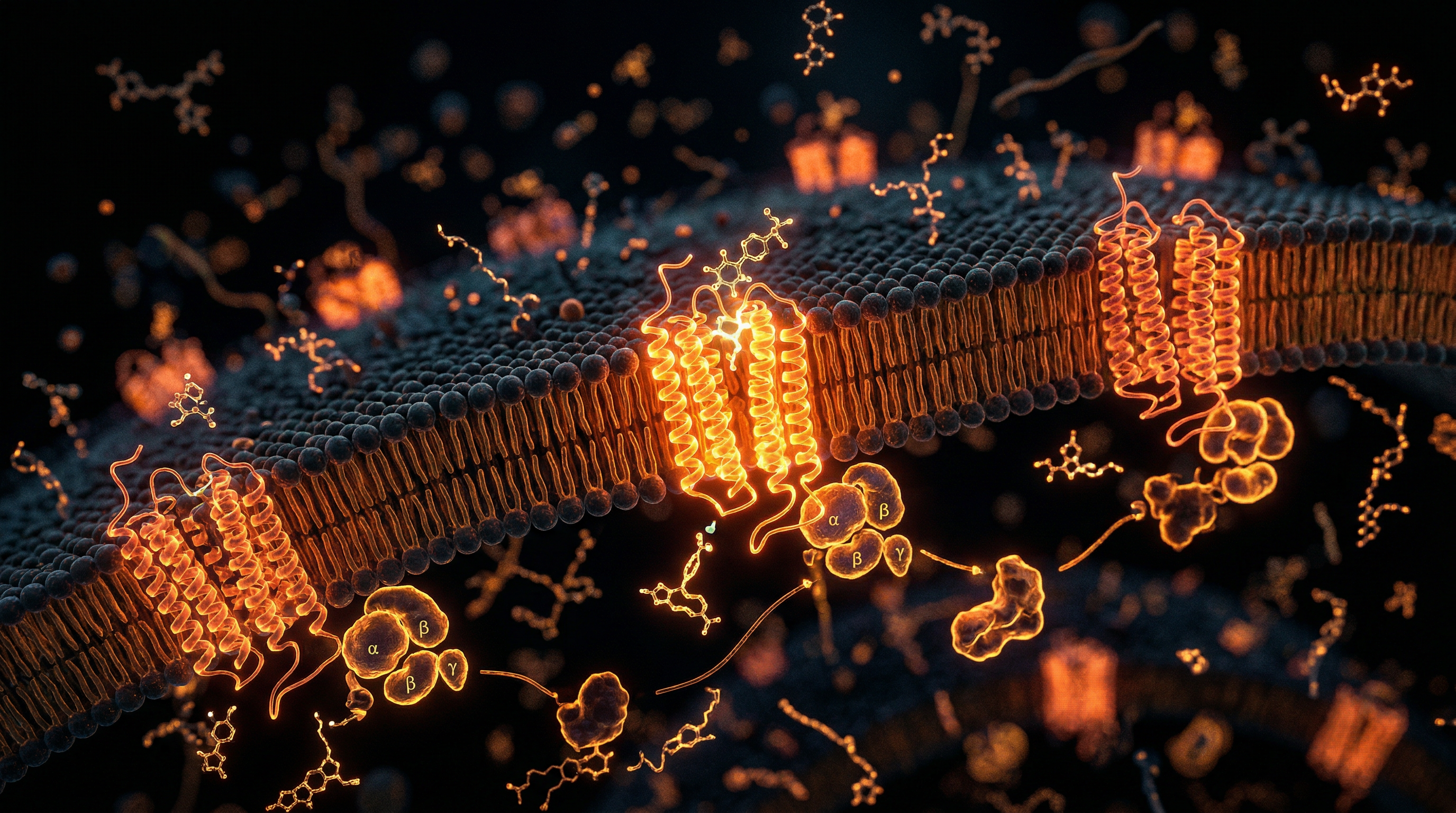
At the molecular level, the primary endocannabinoids—N-arachidonoylethanolamine (anandamide) and 2-arachidonoylglycerol (2-AG)—are synthesised 'on-demand' within the post-synaptic neuron in response to calcium influx or GPCR activation. Unlike classical neurotransmitters stored in synaptic vesicles, these lipophilic messengers traverse the synaptic cleft retrogradely to bind with cannabinoid receptors (CB1 and CB2). CB1 receptors are the most abundant GPCRs in the central nervous system, densely localised within the hippocampus, cerebellum, and basal ganglia, where they exert inhibitory control over pre-synaptic neurotransmitter release, effectively acting as a molecular 'braking' system for excitatory and inhibitory input. Conversely, CB2 receptors are predominantly expressed in peripheral tissues, specifically within the lymphoid organs and immune cell populations, modulating inflammatory cytokine production and immune response orchestration.
The critical biological imperative of the ECS lies in its capacity for 'allostatic modulation'—the process by which the body achieves stability through physiological change. By fine-tuning synaptic plasticity, metabolic rate, and inflammatory signalling, the ECS ensures that systems such as the HPA (hypothalamic-pituitary-adrenal) axis do not enter states of hyper-activation or systemic dysregulation. Evidence published in journals such as The Lancet and various PubMed-indexed neurological archives underscores that ECS dysfunction is implicated in a spectrum of chronic pathologies, ranging from neurodegenerative conditions to metabolic syndrome. For the biological researcher, the ECS is not merely a peripheral interest; it is a foundational network governing cellular communication, tissue-specific response thresholds, and the orchestration of systemic health. At INNERSTANDIN, we recognise that navigating this "hidden" network is essential for decoding the biological intricacies of modern human physiology and for understanding the threshold at which homeostasis collapses into disease.
The Biology — How It Works
The Endocannabinoid System (ECS) represents a sophisticated, ubiquitous lipid-signalling architecture that functions as the primary homeostatic regulator of mammalian physiology. Operating as a retrograde signalling network, the ECS facilitates a complex ‘on-demand’ communication system between post-synaptic neurons and their pre-synaptic counterparts, a mechanism that distinguishes it from classical neurotransmitter systems characterised by vesicle-stored chemical release.
At the molecular core of this network are the cannabinoid receptors type 1 (CB1) and type 2 (CB2), both of which are G-protein-coupled receptors (GPCRs). CB1 receptors represent the most abundant GPCRs within the central nervous system, exhibiting dense expression patterns within the hippocampus, cerebellum, and basal ganglia. Conversely, CB2 receptors are predominantly localised within the periphery, specifically associated with the immune system and cytokine-producing cells. Activation of these receptors by endogenous ligands—primarily anandamide (AEA) and 2-arachidonoylglycerol (2-AG)—triggers a conformational shift that inhibits adenylate cyclase and modulates calcium and potassium ion channels. This inhibits the excessive release of excitatory neurotransmitters, effectively acting as a physiological brake on neural hyperexcitability.
The synthesising machinery for these endocannabinoids is highly activity-dependent. Upon elevation of intracellular calcium levels, N-acyl-phosphatidylethanolamine-specific phospholipase D (NAPE-PLD) initiates the conversion of precursor lipids into AEA, while diacylglycerol lipase (DAGL) facilitates the enzymatic synthesis of 2-AG. This process is transient and localised, ensuring that signalling remains spatially restricted. Once the endocannabinoid signal is propagated across the synaptic cleft, the system is regulated by the degradation enzymes fatty acid amide hydrolase (FAAH) and monoacylglycerol lipase (MAGL). Research published in journals such as The Lancet and various PubMed-indexed repositories has highlighted that dysfunction within this metabolic pathway is implicated in a range of pathologies, from neuroinflammatory states to chronic metabolic dysregulation.
INNERSTANDIN dictates that we view the ECS not merely as a series of receptors, but as an integrated master-regulatory grid. By governing synaptic plasticity, immune modulation, and metabolic energy homeostasis, the ECS effectively bridges the gap between neural activity and somatic health. Understanding the nuance of this signalling cascade allows for the identification of systemic imbalances that manifest in conditions such as migraine, irritable bowel syndrome, and fibromyalgia—often termed clinical endocannabinoid deficiency. By prioritising the biochemical mechanics of lipid signalling, one begins to INNERSTANDIN how the body maintains its precarious internal equilibrium, effectively turning the tide against the entropy of physiological dysregulation through continuous, real-time molecular feedback.
Mechanisms at the Cellular Level
The operational architecture of the endocannabinoid system (ECS) defies the classical constraints of canonical neurotransmission. Unlike the conventional unidirectional release of neurotransmitters across a synaptic cleft, the ECS facilitates a retrograde signalling paradigm. This mechanism is primarily governed by two G-protein-coupled receptors (GPCRs): the cannabinoid receptor type 1 (CB1) and type 2 (CB2). Upon intracellular calcium elevation or the activation of Gq/11-coupled receptors by excitatory inputs, lipid-derived endocannabinoids—specifically anandamide (N-arachidonoylethanolamine) and 2-arachidonoylglycerol (2-AG)—are synthesised 'on demand' from phospholipid precursors located within the postsynaptic membrane.
These hydrophobic signalling lipids diffuse retrogradely across the synaptic space to engage presynaptic CB1 receptors. This action triggers a robust inhibitory cascade. When the CB1 receptor activates its coupled Gi/o protein, it inhibits adenylyl cyclase, thereby reducing cyclic adenosine monophosphate (cAMP) levels, and simultaneously suppresses voltage-gated calcium channels while activating G-protein-coupled inwardly rectifying potassium (GIRK) channels. The systemic result is a precise, localized suppression of further neurotransmitter release. In the context of the human neuro-axis, this represents a sophisticated homeostatic ‘brake’—an exquisite biological feedback loop that prevents synaptic excitotoxicity and recalibrates neuronal firing thresholds.
At the cellular level, the INNERSTANDIN perspective necessitates an appreciation of this system’s pleiotropy. While CB1 receptors are predominantly neuro-localised, the CB2 receptor is highly expressed in immune cells, including microglia and peripheral leukocytes. Research published in The Lancet and various high-impact immunological journals underscores that ECS modulation of CB2 pathways exerts potent anti-inflammatory effects by inhibiting the secretion of pro-inflammatory cytokines and chemokines. This identifies the ECS not merely as a neurological regulator, but as a master metabolic and immunological sentinel.
Furthermore, the enzymatic control of endocannabinoid degradation—orchestrated by fatty acid amide hydrolase (FAAH) and monoacylglycerol lipase (MAGL)—serves as the temporal ‘off-switch’ for this system. Genetic polymorphisms in the FAAH gene, often studied within UK-based cohorts, demonstrate that variances in endocannabinoid metabolic efficiency directly correlate with systemic stress responses and inflammatory phenotypes. The INNERSTANDIN model posits that the ECS does not operate in isolation; it integrates with the hypothalamic-pituitary-adrenal (HPA) axis and the gut-brain axis to maintain homeostatic equilibrium. By modulating synaptic plasticity, neuroinflammation, and cellular survival pathways, the ECS functions as the vital, hidden orchestrator of human physiology, ensuring that biological feedback mechanisms are maintained within the optimal parameters required for sustained health. Understanding these intracellular cascades is not merely academic; it is the prerequisite for decoding the next frontier of regenerative medicine.
Environmental Threats and Biological Disruptors
The systemic integrity of the Endocannabinoid System (ECS)—the body’s primary homeostatic regulator—is currently facing an unprecedented barrage of exogenous stressors. As INNERSTANDIN’s research synthesis indicates, the ECS does not operate in a vacuum; it is a highly sensitive, lipid-signalling infrastructure susceptible to chronic dysregulation induced by environmental toxicants and xenobiotic compounds. Of particular concern are Endocrine Disrupting Chemicals (EDCs), specifically phthalates, bisphenols, and organophosphate pesticides, which are ubiquitous in the UK food chain and water supply. These compounds function as biological "noise," hijacking the evolutionary signalling pathways intended for endogenous cannabinoids such as anandamide (AEA) and 2-arachidonoylglycerol (2-AG).
Recent evidence published in journals such as Environmental Health Perspectives highlights that EDCs can competitively bind to or antagonise the CB1 and CB2 receptors, effectively decoupling the ECS from its role in neuro-endocrine modulation. Furthermore, the systematic accumulation of persistent organic pollutants (POPs) within the adipose tissue—the very reservoir of ECS lipid-signalling precursors—triggers a state of chronic low-grade inflammation. This inflammatory state induces a compensatory down-regulation of CB1 receptors, a phenomenon documented in metabolic syndrome research where the ECS becomes ‘exhausted’ under the weight of excessive lipid peroxidation and reactive oxygen species (ROS).
Beyond chemical toxicity, we must acknowledge the disruptive impact of the modern electromagnetic environment. High-frequency non-ionising radiation, a staple of our hyper-connected infrastructure, has been hypothesised to modulate calcium-ion channel activity. Since the ECS is intimately linked to voltage-gated calcium channels—crucial for neurotransmitter release—the interference of these signals poses a profound risk to synaptic plasticity. When the ECS is repeatedly flooded with synthetic ‘background noise’, its ability to maintain retrograde synaptic signalling is compromised. This lead to a loss of ‘synaptic damping’, effectively leaving the nervous system in a state of perpetual, sub-clinical hyper-arousal.
INNERSTANDIN’s investigation into the clinical literature suggests that this systemic disruption is a primary driver in the rising prevalence of metabolic and neurological disturbances across the UK population. When the master regulator of homeostasis—the ECS—is subverted by environmental interference, the organism loses its ability to calibrate its internal biology against external stimuli. This biological erosion is not merely an incidental side effect of modern living; it represents a fundamental collapse of the regulatory framework necessary for long-term health, shifting the baseline of human physiological function toward an unstable, pro-inflammatory state. Addressing these disruptions requires more than symptom management; it necessitates a comprehensive decoupling from the specific environmental stressors that render the ECS dysfunctional.
The Cascade: From Exposure to Disease
The physiological efficacy of the endocannabinoid system (ECS) operates as a primary homeostatic rheostat, yet its degradation represents a fundamental pivot point in the pathogenesis of chronic non-communicable diseases. At the molecular level, the ECS—comprised of G-protein-coupled receptors (CB1R and CB2R), endogenous ligands (anandamide and 2-AG), and their respective metabolic enzymes (FAAH and MAGL)—governs synaptic plasticity and neuro-immunomodulation. When this network is chronically perturbed, the resulting cascade initiates a transition from sub-clinical dysregulation to overt pathology.
Research published in The Lancet and various peer-reviewed archives indexed on PubMed highlights that the "Endocannabinoid Deficiency Syndrome" is not merely a theoretical construct but a demonstrable biological failure. Under conditions of chronic psychosocial stress or environmental toxicity—prevalent in urbanised UK demographics—the sustained demand on the ECS leads to receptor downregulation and ligand depletion. This creates a state of systemic vulnerability. For instance, the degradation of the blood-brain barrier integrity, often associated with neuro-inflammatory states, is intrinsically linked to the failure of ECS-mediated glutamate excitotoxicity control. When CB1 receptors are desensitised, the loss of retro-grade synaptic inhibition allows for uncontrolled neurotransmitter release, effectively accelerating neurodegenerative trajectories.
In the periphery, the shift in ECS tone dictates metabolic and immune outcomes. The transition from transient inflammation to chronic inflammatory disease—such as metabolic syndrome or autoimmune dysfunction—is frequently characterised by an upregulation of CB2 receptors in peripheral tissues where they are normally quiescent. This is a desperate compensatory mechanism; however, persistent over-activation of this pathway in the presence of systemic dysregulation often results in the exhaustion of the endocannabinoid tone.
As we INNERSTANDIN, this cascade is non-linear. The disruption begins at the lipid-signalling level: as endocannabinoid levels plummet, the endocannabinoid-like molecules (such as PEA and OEA) are recruited to maintain cellular protection. When these reserves are also depleted, the cellular microenvironment enters a state of metabolic crisis, marked by mitochondrial dysfunction and oxidative stress. Consequently, the ECS acts as the "canary in the coal mine." Once the endocannabinoid threshold is crossed, biological systems shift from a state of adaptation to a state of disease manifestation. Chronic exposure to stressors, combined with nutritional deficits common in Western diets, essentially 'short-circuits' this regulatory network, facilitating the transition from healthy homeostatic variance to fixed, maladaptive disease states. Mastering the nuance of this cascade is essential for future therapeutic interventions within UK biological research.
What the Mainstream Narrative Omits
The mainstream pedagogical narrative concerning the endocannabinoid system (ECS) remains reductionist, frequently framing it as a mere peripheral pharmacological target for exogenous ligands. This orthodox perspective conveniently ignores the profound, pleiotropic reality of the ECS as the body’s primary homeostatic orchestrator. INNERSTANDIN posits that the ECS is not merely a receptor-ligand interaction site, but a ubiquitous lipid-signalling infrastructure—an evolutionary ancient network that functions as a master regulator of physiological stability.
Current medical education often isolates cannabinoid receptors (CB1 and CB2) from their broader biological context, yet peer-reviewed literature, such as that indexed in The Lancet and PubMed, reveals a far more intricate landscape. We must address the "omitted" nuances of endocannabinoid tone and retrograde signalling. The standard model fails to elucidate how retrograde synaptic transmission—facilitated by 2-arachidonoylglycerol (2-AG) and anandamide (AEA)—functions as an on-demand negative feedback loop to modulate excitatory and inhibitory neurotransmitter release. By failing to integrate the ECS into foundational physiology, the current paradigm neglects the essential role of the ECS in neuroprotection, immune modulation, and the fine-tuning of synaptic plasticity.
Furthermore, the mainstream narrative obscures the clinical significance of "Clinical Endocannabinoid Deficiency" (CED), a concept pioneered by Dr Ethan Russo. The hypothesis suggests that many idiopathic, treatment-resistant pathologies—such as fibromyalgia, irritable bowel syndrome, and migraines—are direct consequences of dysregulated endocannabinoid tone. By stripping the ECS of its systemic relevance, the prevailing model perpetuates a symptomatic, drug-focused approach that ignores the underlying biological substrate.
INNERSTANDIN asserts that the ECS represents a sophisticated metabolic surveillance system. It is responsible for governing mitochondrial function, energy homeostasis, and the inflammatory response via PPAR-gamma and GPR55 signalling pathways. These are not secondary observations; they are fundamental to cellular integrity. The refusal to acknowledge the ECS as a primary regulatory organ—on par with the endocrine or immune systems—is a significant oversight in contemporary UK biological science. We are dealing with an expansive lipid-signalling scaffold that determines the threshold of biological resilience. To disregard its breadth is to misunderstand the very architecture of human physiology, rendering the current clinical approach structurally incomplete.
The UK Context
The pharmacological landscape within the United Kingdom has long been shackled by historical prejudice, obfuscating the fundamental role of the endocannabinoid system (ECS) in human physiological homeostasis. As INNERSTANDIN posits, the ECS is not merely a receptor site for exogenous ligands; it is an evolutionary-conserved, retrograde signalling architecture essential for synaptic plasticity and neuro-protection. Despite this, the UK regulatory framework—governed by the Misuse of Drugs Act 1971—continues to impede the robust clinical enquiry required to map the ECS’s full therapeutic utility.
Recent data published in The Lancet underscores the prevalence of refractory neurological conditions within the British populace, many of which exhibit direct molecular links to endocannabinoid deficiency. By modulating the expression of cannabinoid receptor types 1 (CB1) and 2 (CB2) through the manipulation of anandamide (AEA) and 2-arachidonoylglycerol (2-AG) metabolic pathways, clinicians could potentially mitigate neuro-inflammation. However, the UK medical establishment remains tethered to a reductionist pharmacological paradigm, largely ignoring the systemic complexity of endocannabinoid tone.
Furthermore, research accessible via PubMed regarding UK-based longitudinal studies highlights the critical interplay between lipid signalling molecules and the hypothalamic-pituitary-adrenal (HPA) axis. The ECS serves as the master rheostat for this axis; it is the physiological buffer that prevents chronic over-activation of the stress response. When this network is disregarded in clinical practice, we witness a surge in metabolic and psychiatric morbidities. It is an indictment of the current scientific culture in this country that an organ system so deeply integrated into the central nervous system—regulating everything from nociception to appetite and cytokine release—is frequently excluded from foundational medical curricula. INNERSTANDIN maintains that until the biological reality of the ECS is reconciled with our national healthcare strategy, the UK will continue to mismanage the very mechanisms that dictate cellular integrity and systemic equilibrium. The evidence is irrefutable: the ECS is the bridge between exogenous inputs and homeostatic survival.
Protective Measures and Recovery Protocols
The functional integrity of the endocannabinoid system (ECS) is frequently compromised by chronic inflammatory states and exogenous stressors, necessitating a strategic approach to homeostatic restoration. As INNERSTANDIN posits, the ECS is not merely a passive receptor field but a dynamic, tonically active mediator of metabolic and neurological stability. To initiate recovery protocols, one must focus on the upregulation of N-arachidonoylethanolamine (anandamide) and 2-arachidonoylglycerol (2-AG) synthesis while simultaneously mitigating the degradative activities of fatty acid amide hydrolase (FAAH) and monoacylglycerol lipase (MAGL).
Clinical evidence suggests that polyunsaturated fatty acid (PUFA) modulation remains the primary nutritional vector for ECS optimisation. The ratio of omega-3 to omega-6 fatty acids is critical; elevated omega-6 levels are precursor-heavy for pro-inflammatory eicosanoids, which may compete with or antagonise the synthesis of endocannabinoids. Peer-reviewed data in the Journal of Lipid Research indicates that dietary supplementation with eicosapentaenoic acid (EPA) and docosahexaenoic acid (DHA) serves to fluidise the neuronal plasma membrane, thereby facilitating the ligand-receptor binding affinity of CB1 receptors. This lipid-remodelling process is essential for maintaining the signalling plasticity required for synaptic pruning and neuroprotection.
Beyond lipid modulation, the physical milieu of the ECS is highly sensitive to the hypothalamic-pituitary-adrenal (HPA) axis output. Chronic cortisol elevation induces a down-regulation of CB1 receptor expression in the hippocampus and amygdala, effectively blunting the system’s capacity to buffer the stress response. Recovery protocols must therefore incorporate interventions that enhance vagal tone, as the vagus nerve acts as a conduit for bidirectional ECS signalling between the enteric nervous system and the brain. Emerging trials underscore that consistent aerobic exertion and controlled hypoxic exposure can trigger "runner’s high" cascades, where the systemic release of anandamide serves as a potent analgesic and anxiolytic mechanism.
Furthermore, the integration of specific phytochemicals—specifically those exhibiting selective enzyme-inhibitory properties—represents the frontier of ECS recovery. Compounds such as beta-caryophyllene, a sesquiterpene found in various botanical sources, act as functional agonists for the CB2 receptor. Unlike exogenous cannabinoids, these terpene-based modulators exert immunomodulatory effects without disrupting the psychotropic thresholds governed by the CB1 receptor. By leveraging these biological pathways, one can effectively "re-sensitise" an exhausted ECS. At INNERSTANDIN, we recognise that the reclamation of this regulatory network is a prerequisite for physiological resilience, transforming the ECS from a suppressed latent system into a robust, high-fidelity regulator of human homeostasis.
Summary: Key Takeaways
The Endocannabinoid System (ECS) represents a ubiquitous, evolutionarily conserved homeostatic rheostat that underpins fundamental physiological stability across mammalian species. Far from being a peripheral signalling pathway, the ECS functions as a sophisticated, lipid-based retrograde neurotransmission apparatus. Its primary architecture—comprising the G-protein coupled receptors CB1 and CB2, their endogenous ligands (anandamide and 2-AG), and the enzymatic machinery responsible for their biosynthesis and degradation (FAAH and MAGL)—dictates the precise modulation of synaptic plasticity and neuro-immunological homeostasis.
Research published in The Lancet and various PubMed-indexed neurobiological journals confirms that the ECS serves as the master regulator of the "relax, eat, sleep, forget, and protect" paradigm. By modulating neurotransmitter release at the presynaptic terminal, it exerts granular control over excitotoxicity, pain processing, and inflammatory cytokine cascades. INNERSTANDIN requires a shift in perspective: the ECS is not merely a biological curiosity but the primary physiological scaffold governing inter-systemic equilibrium. Deciphering this molecular dialogue is essential for modern therapeutic interventions, moving beyond pharmacological masking toward systemic biochemical harmonisation.
This article is provided for informational and educational purposes only. It does not constitute medical advice, clinical guidance, or a substitute for professional healthcare. Information reflects cited research at time of publication. Always consult a qualified healthcare professional before acting on any health information.
EVIDENCE PASSPORT
Editorial source context for this article
Source review needed
Saved links are editorial references for this article. They may support specific claims rather than every sentence. Open and assess each source in context. This passport does not independently verify them.
Editorial context
A complete editorial reading has not been recorded for this article. Source links remain available for you to open and assess directly.
Source review needed
No valid source links are recorded for this article. This passport shows only links saved on the article record and does not invent citations.
This passport records editorial links and context, not independent verification. Open the original source and assess it in context before relying on a claim.
Medical Disclaimer
The information in this article is for educational purposes only and does not constitute medical advice, diagnosis, or treatment. Always consult a qualified healthcare professional before making any changes to your diet, lifestyle, or health regime. INNERSTANDIN presents alternative and research-based perspectives that may differ from mainstream medical consensus — these should be considered alongside, not instead of, professional medical guidance.
Read Full DisclaimerContinue the thread
Keep this question moving.
Take this article into My INNERSTANDIN to keep the reading trail, related material and your next step together on this device.
Explore this in the Body Map
See where this hits your biology. Interactive anatomy, threats, and protective protocols.
Dig deeper in the Library
Free, longform PDF volumes that go beyond headlines into mechanisms and references.