All INNERSTANDIN content is for educational purposes only — not medical advice, diagnosis or treatment. Full Disclaimer →

    BACK TO DATABASE
    TAGGED RESEARCH

    #gut

    7TRANSMISSIONS FOUND
    S
    Scientific illustration for Secretory IgA: The Mucosal Shield Being Systematically Dismantled
    Immune System
    14 MIN READ

    Secretory IgA: The Mucosal Shield Being Systematically Dismantled

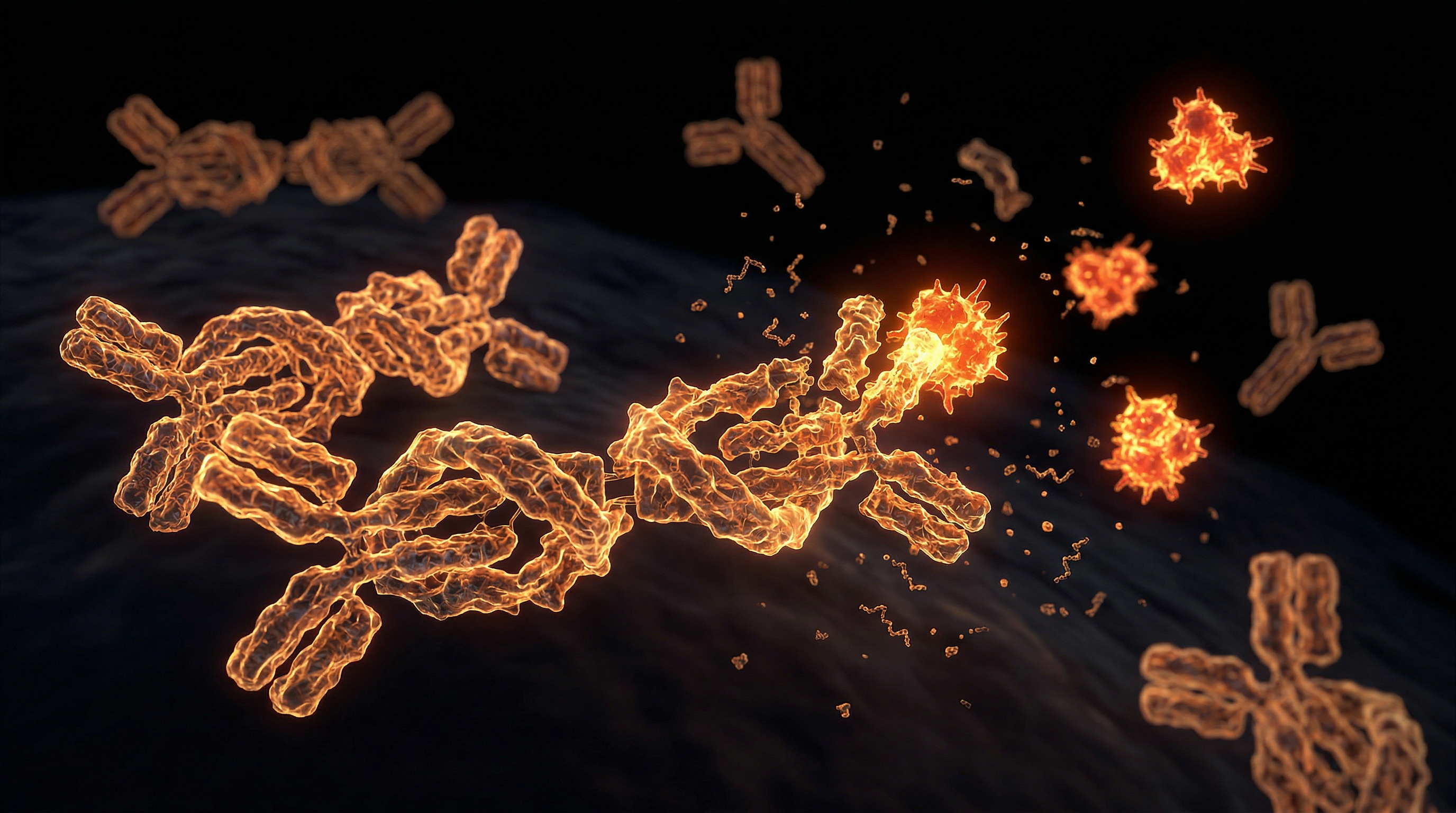
    Secretory IgA (sIgA) — the most abundant immunoglobulin in the human body — is a dimeric antibody produced by plasma cells in the lamina propria of mucosal tissues and secreted in vast quantities into the gut lumen, respiratory tract, urogenital tract, breast milk, and saliva, where it serves as the primary non-inflammatory immune defence against pathogen colonisation, toxin absorption, and antigen translocation. Unlike IgG-mediated responses that rely on complement activation and phagocytosis, sIgA works through 'immune exclusion' — binding to pathogens, food antigens, and toxic compounds at the mucosal surface and preventing their adherence and translocation across the epithelial barrier without triggering the inflammatory cascade. Chronic psychological stress, malnutrition, sleep deprivation, and dysbiosis all suppress sIgA secretion — creating the mucosal vulnerability through which environmental toxins, undigested food proteins, and microbial products gain access to the systemic immune system, initiating the sensitisation and inflammatory responses that manifest as food intolerances, allergies, and autoimmune conditions.

    #secretory IgA#mucosal immunity
    E
    Scientific illustration for The Endocannabinoid System: Biology's Hidden Regulatory Network
    Cellular Biology
    15 MIN READ

    The Endocannabinoid System: Biology's Hidden Regulatory Network

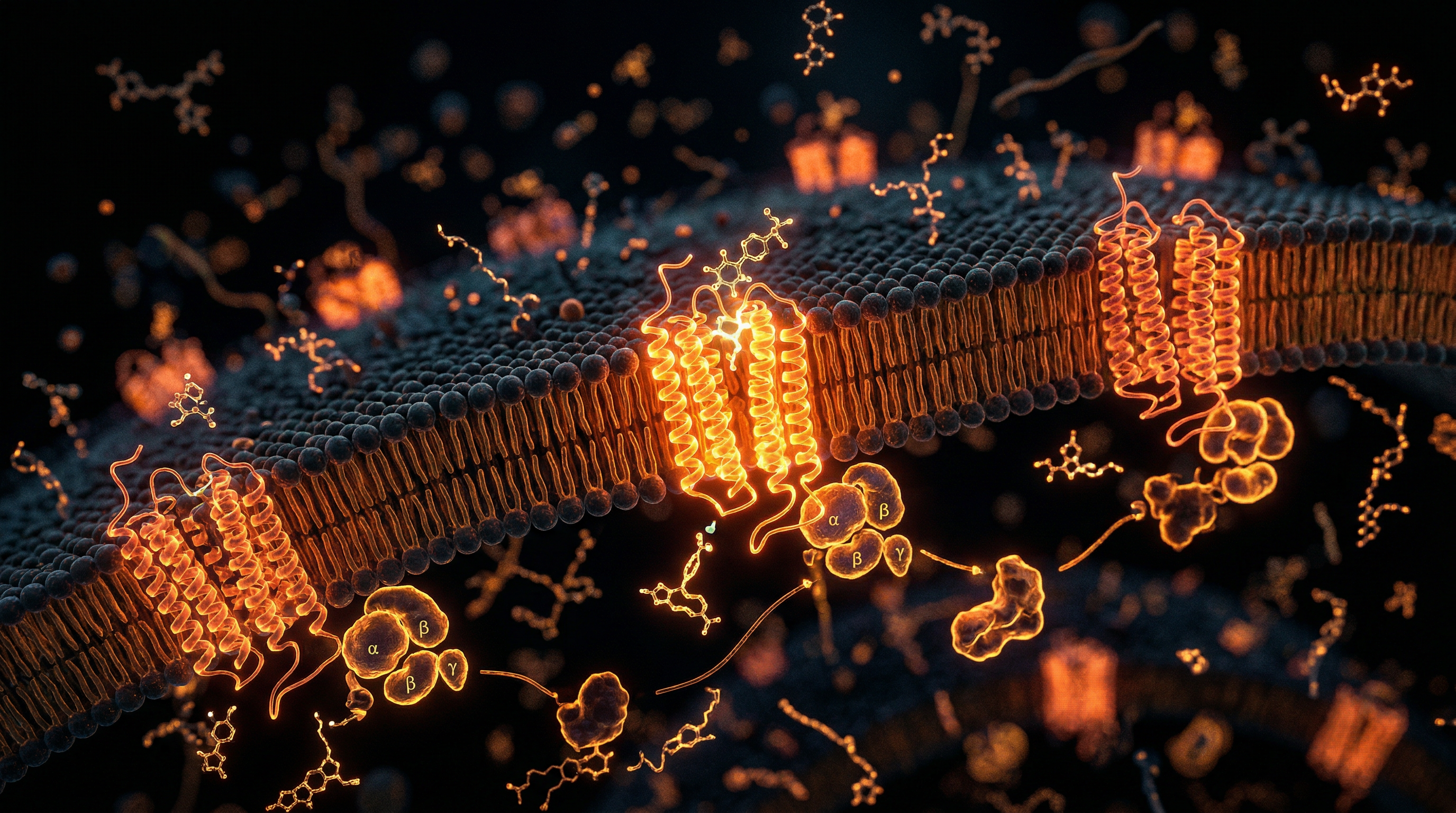
    The endocannabinoid system — comprising CB1 and CB2 receptors distributed throughout the brain, immune system, peripheral nervous system, gut, and reproductive organs; the endogenous ligands anandamide and 2-arachidonoylglycerol; and the enzymatic machinery for their synthesis and degradation — is a master regulatory network governing pain modulation, immune homeostasis, inflammatory response, gut motility, mood, memory, and appetite that was virtually unknown to medicine until 1988. Chronic stress, nutritional deficiency in omega-3 fatty acids (which provide the building blocks for endocannabinoids), environmental toxins, and modern lifestyle factors systematically deplete endocannabinoid tone, creating a state of clinical endocannabinoid deficiency that may underlie conditions including migraines, fibromyalgia, irritable bowel syndrome, and treatment-resistant depression. Its discovery demands a fundamental reconceptualisation of human biology and pharmacology.

    #endocannabinoid system#CB1
    P
    Scientific illustration for Parasites: The Overlooked Epidemic in the UK Population
    Immune System
    14 MIN READ

    Parasites: The Overlooked Epidemic in the UK Population

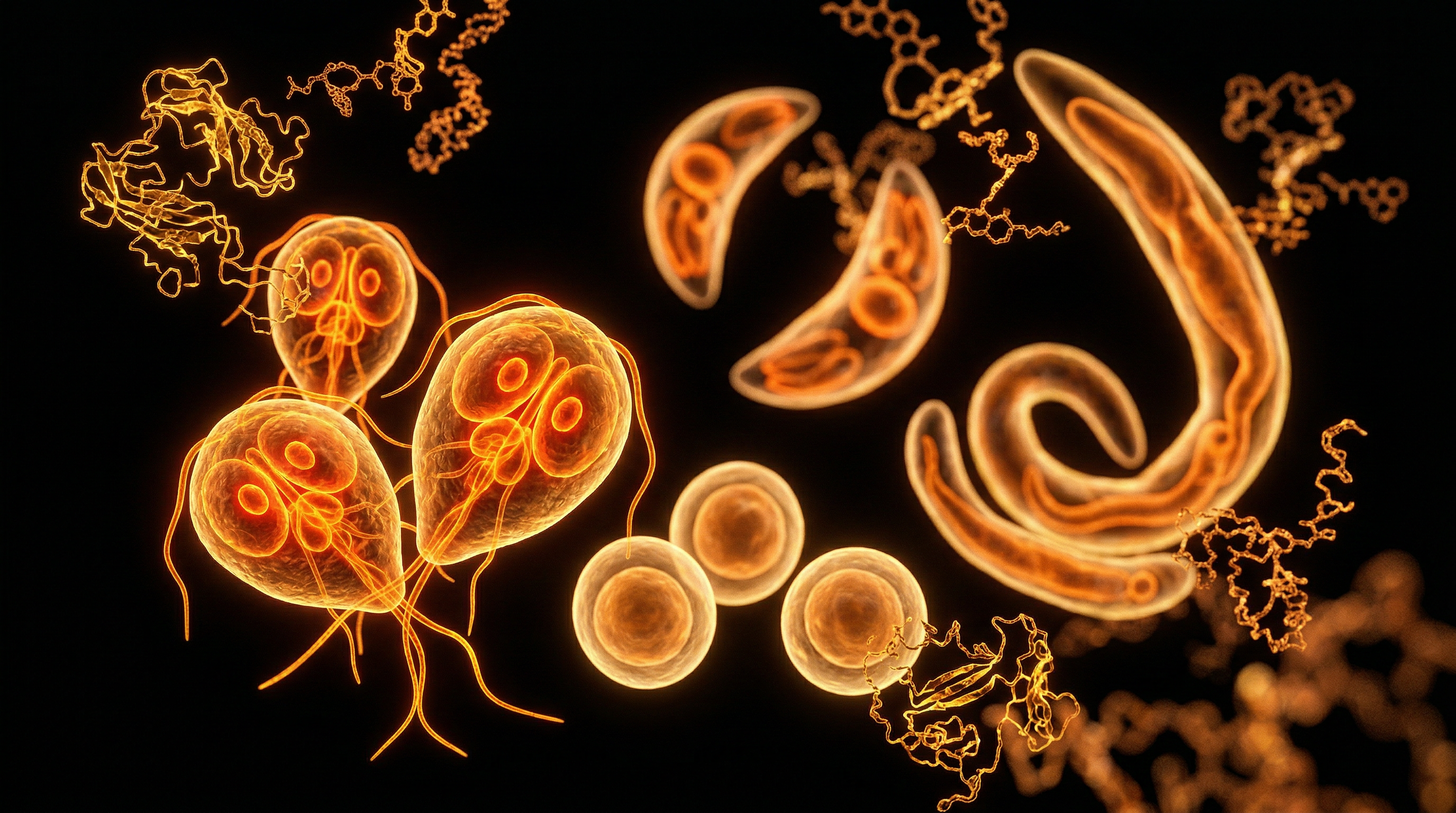
    Parasitic infections — including helminths such as Toxocara, Strongyloides, and Ascaris; protozoa including Blastocystis hominis, Giardia lamblia, and Entamoeba histolytica; and intracellular organisms such as Toxoplasma gondii — are dramatically underdiagnosed in the UK population, where NHS testing is inadequate, practitioner awareness is minimal, and the global population's increasing mobility has created unprecedented exposure routes. These organisms actively suppress host immune function to ensure their survival, creating a state of chronic Th2 immune skewing that predisposes to allergic conditions, autoimmune disease, nutritional deficiency (through direct competition for nutrients and malabsorption), hormonal disruption, and the systemic inflammation that drives chronic fatigue and cognitive dysfunction. Comprehensive parasitological assessment through specialist stool analysis is one of the most clinically revealing investigations available to the health-seeking UK resident.

    #parasites#Blastocystis