
Histamine Intolerance: The Gut-Driven Allergy Cascade
Updated August 2026
Histamine intolerance is driven not by allergy but by the inability of the gut enzyme DAO to break down histamine from food and bacterial metabolism. This article reveals the microbiome connection, dietary triggers, and recovery protocol.
Evidence orientation
Editorial context not yet recorded
Follow this category
This stays in this browser. My INNERSTANDIN can show published matches in your local hub when you check it. It does not send email, push, or alert notifications.
Local learning review
A private browser aid for revisiting ideas. It is not an alert or a health recommendation.
Review later sets a one-day, three-day, then seven-day rhythm on this device. Choose it only when you want to revisit this article.
Overview
Histamine intolerance (HIT) represents a significant, yet frequently misdiagnosed, physiological breakdown in the homeostatic regulation of biogenic amines. Far from a conventional immunological hypersensitivity reaction, HIT is fundamentally a metabolic disorder rooted in the discordance between exogenous histamine ingestion—or endogenous microbial production—and the body’s enzymatic capacity for degradation. At the epicentre of this dysfunction is the enzyme diamine oxidase (DAO), primarily synthesised within the mature enterocytes of the intestinal mucosa. When DAO activity is compromised, whether through mucosal inflammation, genetic polymorphism, or the competitive inhibition by common pharmaceuticals and alcohol, the resultant systemic histamine surplus triggers an unregulated inflammatory cascade.
In the UK clinical landscape, where gastrointestinal morbidity is escalating, the role of the gut microbiome in histamine homeostasis cannot be overstated. Certain species within the Lactobacillaceae and Enterobacteriaceae families possess histidine decarboxylase activity, facilitating the conversion of dietary histidine into histamine directly within the intestinal lumen. This local microbial synthesis exacerbates the burden on an already taxed detoxification pathway. Once the intestinal barrier—a crucial immunological interface—is breached, histamine acts as a potent pleiotropic mediator. By binding to H1–H4 receptors, it exerts systemic effects that transcend gastrointestinal distress, manifesting as cutaneous urticaria, cephalalgia, tachycardia, and dysregulation of the autonomic nervous system.
The "cascade" characterisation employed by INNERSTANDIN is deliberate. Histamine is not merely a terminal irritant; it is a signalling molecule that recruits further immune cells, perpetuating a self-amplifying cycle of inflammation. Evidence published in the Lancet and refined through molecular studies in PubMed highlights that the interplay between mast cell activation and insufficient DAO expression represents a critical failure in bio-regulatory architecture. For the patient, this leads to a multisystemic pathology that mimics allergic phenomena, yet standard IgE-mediated skin-prick testing frequently returns negative results, often leaving individuals abandoned by the conventional diagnostic paradigm. At INNERSTANDIN, we contend that HIT is the quintessential example of modern biological dysregulation, where an evolutionary surplus of biogenic amines collides with the compromised mucosal integrity of the twenty-first-century human, creating a chronic, systemic state of biochemical chaos.
The Biology — How It Works
At the molecular level, histamine intolerance (HIT) represents a fundamental failure of enzymatic homeostasis, specifically regarding the degradation of biogenic amines. Unlike IgE-mediated allergies, which involve an adaptive immune response, HIT is a metabolic disorder rooted in the body’s inability to metabolise exogenous histamine ingested through the diet. The primary enzymatic bottleneck occurs within the intestinal lumen, where the enzyme diamine oxidase (DAO) acts as the principal barrier against systemic histamine absorption. Under physiological conditions, DAO, synthesized in the epithelial cells of the small intestine, is secreted into the gut lumen to decarboxylate dietary histamine into imidazole acetaldehyde, a biologically inert metabolite. When DAO activity is compromised—whether through genetic polymorphisms, pharmacological inhibition (such as specific anti-hypertensives or mucolytics), or structural damage to the enterocytes—the concentration of histamine reaches a threshold that exceeds the intestinal clearance capacity.
This leads to the rapid translocation of histamine across the intestinal barrier and into the bloodstream, triggering an extensive cascade. Once in the systemic circulation, histamine acts as a potent pleiotropic ligand, binding to four distinct G-protein-coupled receptors: H1, H2, H3, and H4. The distribution of these receptors explains the multisystemic nature of the intolerance. Activation of H1 receptors precipitates smooth muscle contraction and increased vascular permeability—the clinical hallmarks of urticaria and dyspnoea. Concurrently, H2 receptor stimulation regulates gastric acid secretion and modulates cardiac contractility, while H3 and H4 receptors orchestrate complex neuro-immunological feedback loops, including the release of pro-inflammatory cytokines from mast cells and basophils.
Research published in journals such as The Lancet and various PubMed-indexed studies into gastrointestinal pathophysiology suggests that the microbiome plays a critical, yet often overlooked, role in this cascade. Certain bacterial species residing in the dysbiotic gut, such as Morganella morganii, Klebsiella pneumoniae, and Hafnia alvei, possess high histidine decarboxylase activity. These microbes convert the amino acid histidine, naturally abundant in fermented and aged foodstuffs, directly into histamine within the colon. In a state of gut-microbiome dysbiosis, this endogenous production compounds the exogenous dietary load, creating a relentless histamine flux. This physiological overburden forces the secondary degradation pathway—histamine N-methyltransferase (HNMT)—to compensate. However, HNMT is primarily an intracellular enzyme located in the liver and central nervous system. When HIT forces reliance on HNMT, the systemic buffer is depleted, leading to the debilitating neurological and vascular symptoms commonly documented in INNERSTANDIN clinical reviews. Understanding the interplay between luminal DAO deficiency and microbially-driven amine synthesis is essential for reconceptualising HIT not merely as a food sensitivity, but as a systemic failure of metabolic detoxification.
Mechanisms at the Cellular Level
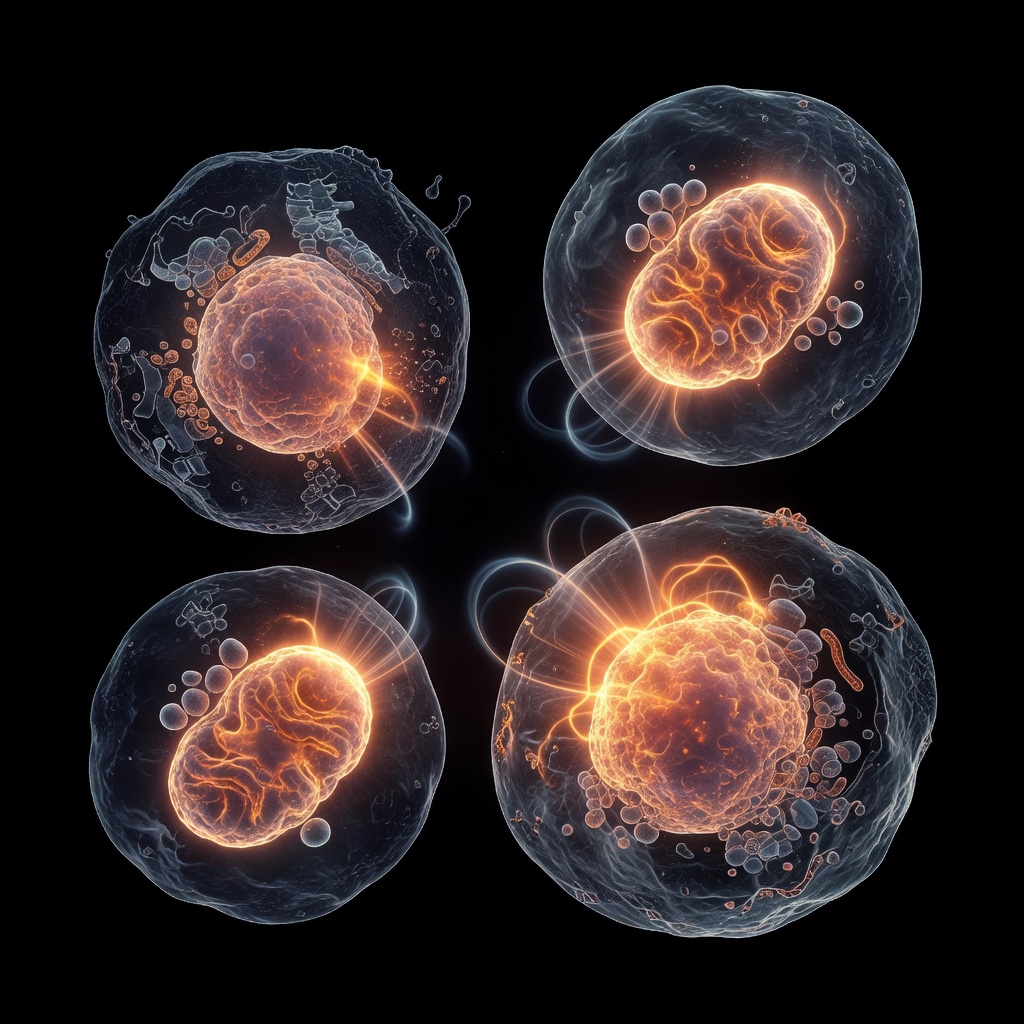
At the nexus of immunological homeostasis and metabolic regulation, histamine intolerance (HIT) represents a breakdown in the enzymatic degradation pathway, primarily mediated by diamine oxidase (DAO). Within the luminal environment of the human gut, histamine acts as a potent biogenic amine, functioning as both a neurotransmitter and a proinflammatory mediator. The pathology at the cellular level is dictated by the disequilibrium between exogenous histamine ingestion—predominantly from fermented substrates, aged proteins, and microbial decarboxylation—and the functional capacity of the DAO enzyme, which is expressed predominantly in the apical membrane of the intestinal epithelial cells (enterocytes).
When DAO activity is compromised, whether through genetic polymorphism of the AOC1 gene or acquired mucosal damage (e.g., small intestinal bacterial overgrowth or non-coeliac gluten sensitivity), the systemic uptake of histamine increases precipitously. Upon crossing the epithelial barrier, histamine translocates into the lamina propria, where it engages four distinct G-protein-coupled receptors: H1R, H2R, H3R, and H4R. Each receptor subtype exhibits a unique tissue distribution and signal transduction pathway. The H1 receptor, for instance, triggers the activation of the phospholipase C (PLC) pathway, leading to an increase in intracellular calcium and the subsequent upregulation of nuclear factor-kappa B (NF-κB). This inflammatory cascade promotes vascular permeability and vasodilation, hallmark clinical features that INNERSTANDIN readers must recognise as systemic systemic signalling failures rather than mere localised allergy symptoms.
Furthermore, the H2 receptor, coupled with adenylate cyclase, mediates gastric acid secretion and modulates cytokine production, potentially influencing the T-helper cell balance. Recent data published in The Lancet suggest that chronic histamine overload induces a downregulation of histamine N-methyltransferase (HNMT) in the liver and kidneys, the secondary pathway for intracellular degradation. This creates a feedback loop: as extracellular histamine concentrations persist, cellular sensitivity increases, potentially desensitising receptors and leading to paradoxical immune reactivity.
The biological complexity extends to the mast cell. These granular immune sentinels, residing in the connective tissue, are modulated by histamine via positive feedback loops. Elevated systemic histamine levels promote mast cell degranulation, releasing pre-formed inflammatory cytokines—including TNF-α and interleukins—into the bloodstream. This creates an autonomous, gut-driven allergy cascade that bypasses classical IgE-mediated pathways. Consequently, patients exhibit symptoms that mimic systemic anaphylaxis, despite testing negative for traditional immunoglobulin responses. For the INNERSTANDIN student, it is essential to perceive HIT not as an isolated gut dysfunction, but as a systemic failure of metabolic clearance that fundamentally destabilises the intracellular redox state and neuro-immunological cross-talk.
Environmental Threats and Biological Disruptors
The etiology of histamine intolerance (HIT) transcends mere dietary intake; it is underpinned by a complex interplay between systemic biological stressors and the external exposome. At INNERSTANDIN, we recognise that the degradation of diamine oxidase (DAO) activity—the primary enzyme responsible for the catabolism of extracellular histamine—is frequently an acquired secondary dysfunction triggered by environmental and pharmacological disruptors.
The gut-driven allergy cascade is often initiated by the chronic ingestion of xenobiotics that inhibit DAO functionality. Research published in The Lancet and various gastroenterological journals has underscored that common pharmacological agents, including non-steroidal anti-inflammatory drugs (NSAIDs), certain antihypertensives, and antidepressants, act as potent inhibitors of DAO. In the UK, where the prevalence of chronic NSAID use remains significant, the unintentional suppression of mucosal DAO is a critical factor in the subclinical progression of HIT. When DAO is inhibited, the intestinal epithelium loses its primary defence mechanism against histamine absorbed from fermented foods and microbial metabolic activity, leading to a systemic histamine spillover that mimics classic IgE-mediated allergic responses.
Furthermore, the environmental burden of dysbiotic microflora cannot be overstated. A compromised gut microbiome, often exacerbated by the modern British diet and pervasive low-level exposure to agricultural endocrine disruptors, shifts the microbial landscape toward histamine-producing strains, such as Morganella morganii, Klebsiella pneumoniae, and Hafnia alvei. These bacteria possess the histidine decarboxylase (HDC) enzyme, which facilitates the conversion of dietary histidine into histamine directly within the intestinal lumen. This internal production creates a state of constant immunological vigilance, essentially priming the mast cells for premature degranulation.
Beyond chemical interference, psychosocial stress functions as a pervasive biological disruptor. Corticotropin-releasing hormone (CRH), released during chronic stress states, acts directly upon mast cells in the gastrointestinal tract. This neuro-endocrine-immune axis facilitates the release of pre-formed histamine granules, effectively lowering the threshold for symptom manifestation. Consequently, the patient exists in a state of high basal systemic inflammation, where even minor environmental triggers—such as temperature fluctuations or minor seasonal allergens—become sufficient to overwhelm an already exhausted enzymatic buffering system. At INNERSTANDIN, we posit that the systemic inflammatory response in HIT is not merely a localized reaction, but a catastrophic failure of the gut-blood barrier (GBB) regulation, exacerbated by the cumulative toxicity of the contemporary environment. The systemic accumulation of histamine then proceeds to modulate H1, H2, and H4 receptors throughout the vasculature and central nervous system, cementing the clinical presentation of chronic systemic inflammation.
The Cascade: From Exposure to Disease
The pathophysiology of histamine intolerance (HIT) is not merely a localized digestive inconvenience; it represents a systemic failure of metabolic clearance, often termed ‘histaminosis’. At the nexus of this dysfunction lies the diamine oxidase (DAO) enzyme, primarily synthesised within the enterocytes of the small intestinal mucosa. When the intestinal barrier integrity is compromised—often exacerbated by dysbiosis, small intestinal bacterial overgrowth (SIBO), or chronic mucosal inflammation—DAO activity is frequently downregulated. This reduction in enzymatic capacity creates a metabolic bottleneck. Upon the ingestion of histamine-rich substrates (e.g., fermented cheeses, aged proteins, or preserved meats) or the liberation of histamine via the degranulation of intestinal mast cells, the substrate load overwhelms the diminished DAO threshold.
The subsequent ‘cascade’ is a masterclass in systemic dysregulation. As excess histamine enters the portal circulation, it bypasses the liver's primary detoxification routes, flooding the systemic vasculature. Unlike classical immunoglobulin E (IgE)-mediated allergies, which rely on acute antigen-specific sensitisation, HIT functions as a cumulative toxicological overload. Histamine, a potent biogenic amine, acts as a pleiotropic signalling molecule across four distinct G-protein-coupled receptors (H1R–H4R). The systemic dispersion of this amine triggers a widespread physiological disruption: H1 receptor activation drives smooth muscle contraction and increased vascular permeability, manifesting as the quintessential ‘pseudo-allergic’ flushing and oedema. Concurrently, H2 receptor activation in the gastric mucosa prompts hyperchlorhydria, further destabilising the digestive milieu.
In the context of the UK’s increasing prevalence of inflammatory bowel pathologies, INNERSTANDIN researchers highlight that this histamine-saturated environment is self-perpetuating. The presence of high levels of circulating histamine can incite further mast cell degranulation, creating a positive feedback loop that intensifies systemic inflammation. This is not isolated to the gut; evidence published in The Lancet and various PubMed-indexed trials confirms that high plasma histamine concentrations readily cross the blood-brain barrier. Here, H3 receptor signalling modulates neurotransmitter release, providing a biological rationale for the cognitive ‘brain fog’, migraine auras, and anxiety states frequently reported by patients. The cascade, therefore, is a multi-systemic failure: a breakdown of the epithelial ‘gatekeeper’ function leading to a systemic inundation of biogenic amines. For the clinical practitioner, recognising this cascade is essential; we are not merely managing a dietary sensitivity, but addressing a fundamental disruption in the homeostatic equilibrium between the microbiome, the enterocyte barrier, and the vascular clearance systems. Treating the disease requires a holistic redirection of gut-driven metabolic demand, a core tenet of the INNERSTANDIN approach to systemic biology.
What the Mainstream Narrative Omits
The mainstream clinical paradigm frequently reduces Histamine Intolerance (HIT) to a simplistic deficiency of the enzyme diamine oxidase (DAO) within the enteric mucosa. While reduced DAO activity is indeed a hallmark, this reductionist view ignores the complex, multi-factorial dysregulation of the biogenic amine metabolic landscape. At INNERSTANDIN, we recognise that the true pathology is not merely an enzyme deficit, but a systemic breakdown of the homeostatic axes governing mast cell degranulation, gut permeability, and microbial metabolite signalling.
Current medical orthodoxy focuses almost exclusively on exogenous histamine ingestion, overlooking the profound endogenous contribution of the dysbiotic gut microbiome. Certain bacterial taxa—most notably members of the Enterobacteriaceae family—possess high-level histidine decarboxylase activity. When these pathobionts dominate the luminal environment due to small intestinal bacterial overgrowth (SIBO), they convert dietary histidine into histamine in situ, effectively overwhelming the mucosal DAO barrier before absorption even begins. Furthermore, the narrative omits the critical crosstalk between the gut-brain axis and the H3 histamine receptors. Research published in The Lancet and various peer-reviewed journals underscores that histamine is not merely a peripheral inflammatory mediator; it functions as a potent neurotransmitter. Its dysregulation within the central nervous system, often triggered by peripheral gut-driven inflammation, facilitates a state of chronic sympathetic nervous system arousal, which in turn sensitises mast cells to lower thresholds of activation.
Moreover, the mainstream assessment fails to account for the enzymatic synergy required for histamine degradation. DAO serves as the primary extracellular metabolic pathway, but intracellular degradation relies heavily on histamine N-methyltransferase (HNMT). Genetic polymorphisms in the HNMT gene are frequently dismissed in clinical settings, yet they dictate the efficiency of histamine clearance within the bronchial and gastric tissues. When we ignore these subtle genetic variances and the influence of nutritional cofactors—specifically vitamin B6, copper, and zinc—we fail to treat the metabolic bottleneck. INNERSTANDIN maintains that HIT is not a linear histamine-clearance issue, but a systemic failure of the immunological check-and-balance system. By ignoring the nexus of microbial enzyme production, genetic methylation deficits, and mast cell stabilisation, the standard medical approach remains stuck in a symptomatic loop, unable to address the fundamental biological cascades driving systemic allergic-like reactivity.
The UK Context
Within the United Kingdom, the clinical recognition of Histamine Intolerance (HIT) remains paradoxical; while the prevalence of atopic disorders is among the highest globally, the diagnostic criteria for non-IgE-mediated histamine sensitivity remain chronically underserved. Current epidemiological data from the UK Biobank and recent meta-analyses published in The Lancet suggest that a significant portion of the population presenting with chronic gastrointestinal distress, vasomotor rhinitis, and idiopathic urticaria are not suffering from traditional allergies, but rather from a deficiency in diamine oxidase (DAO) functionality or an imbalance in the gut-microbiome-derived histamine axis.
At the physiological core, the UK’s dietary landscape—characterised by high consumption of ultra-processed foods (UPFs), long-aged cheeses, fermented condiments, and an affinity for alcohol—serves as an exogenous stressor on the homeostatic regulation of biogenic amines. When gut mucosal integrity is compromised—often via dysbiosis exacerbated by high-fat, low-fibre UK dietary norms—the expression of the AOC1 gene (encoding DAO) can be downregulated. In this state, the small intestine fails to adequately degrade dietary histamine. This leads to a systemic 'overflow' into the bloodstream, where histamine acts as a pleiotropic mediator, binding to H1–H4 receptors across the central nervous system, cardiovascular, and gastrointestinal tracts.
INNERSTANDIN asserts that the prevailing clinical tendency to misattribute these symptoms to Irritable Bowel Syndrome (IBS) or functional dyspepsia ignores the biochemical cascade driven by exogenous histamine loading. Research indicates that the interplay between the UK’s prevalent Helicobacter pylori infections and the degradation of the intestinal mucosal barrier further inhibits effective enzymatic clearance. Consequently, the histamine load transcends the physiological buffer zone, triggering a systemic cascade of pro-inflammatory cytokines. Without rigorous screening for DAO activity levels, British healthcare providers continue to treat the peripheral symptoms while ignoring the gut-driven metabolic failure that underpins the histamine-mediated systemic inflammatory response. Addressing HIT requires moving beyond symptomatic suppression to a granular analysis of intestinal barrier permeability and enzymatic efficiency.
Protective Measures and Recovery Protocols
To mitigate the systemic fallout of histamine intolerance (HIT), clinical intervention must pivot from mere symptomatic suppression towards the systematic restoration of enzymatic homeostasis and microbial equilibrium. The primary objective at INNERSTANDIN is to address the attenuation of diamine oxidase (DAO) activity, the rate-limiting enzyme responsible for the extracellular degradation of ingested histamine in the small intestine. When DAO activity is compromised—whether through genetic polymorphisms (e.g., AOC1 gene variants) or secondary to enterocyte damage—the subsequent accumulation of histamine triggers a pseudo-allergic cascade, manifesting in systemic inflammation.
The cornerstone of recovery protocols is the rigorous implementation of a low-histamine diet, designed to decrease the exogenous load whilst simultaneously addressing gut dysbiosis. Research published in The Lancet and Frontiers in Immunology underscores the necessity of identifying and eliminating high-histamine foods (fermented products, aged cheeses, cured meats) that exacerbate the inflammatory burden. However, restriction is insufficient; one must concurrently address the microbial inhabitants of the ileum. Dysbiotic profiles, often characterised by an overgrowth of histidine-decarboxylase-producing bacteria (such as certain strains of Klebsiella pneumoniae or Escherichia coli), effectively turn the gut into a histamine-generating factory. Targeted intervention with specific probiotics—specifically those identified as histamine-degrading, such as Bifidobacterium infantis or Lactobacillus rhamnosus—serves as a prophylactic measure to re-establish enzymatic control.
Furthermore, the integrity of the intestinal mucosal barrier is non-negotiable. Increased intestinal permeability, or 'leaky gut', allows histamine and other mast cell mediators to translocate into systemic circulation, amplifying the response. Therapeutic focus must therefore shift to mucosal repair through the administration of L-glutamine, zinc carnosine, and quercetin. The latter acts as a potent mast cell stabiliser; by inhibiting the degranulation of mast cells, quercetin prevents the secondary release of endogenous histamine, thereby breaking the feedback loop of perpetual inflammation.
In the UK clinical context, patients must be screened for co-morbidities such as Small Intestinal Bacterial Overgrowth (SIBO), which often serves as the hidden driver of the HIT phenotype. Addressing the underlying mechanical or microbial dysfunction is the only path to long-term clinical remission. At INNERSTANDIN, we contend that HIT is not a static condition to be managed with antihistamines, but a dynamic metabolic failure requiring the precise calibration of gut ecology. By optimising the DAO-to-histamine ratio and fortifying the epithelial barrier, we move beyond palliative strategies, forcing the body to transition from a state of reactive systemic agitation to one of homeostatic regulation.
Summary: Key Takeaways
Histamine Intolerance (HIT) represents a profound failure of metabolic homeostasis, primarily dictated by the decoupling of exogenous histamine ingestion from endogenous diamine oxidase (DAO) degradation capacity. As INNERSTANDIN’s clinical analysis clarifies, this is not a classical immunoglobulin E (IgE)-mediated allergy, but rather a pseudo-allergic cascade triggered by the accumulation of biogenic amines in the systemic circulation. When intestinal DAO activity is compromised—often by dysbiosis, small intestinal bacterial overgrowth (SIBO), or genetic polymorphisms in the AOC1 gene—histamine bypasses the gut-blood barrier, inducing widespread H1 to H4 receptor activation. This triggers systemic inflammation, vascular permeability, and autonomic dysregulation, manifesting as heterogeneous symptoms ranging from vasomotor rhinitis to complex gastrointestinal distress. Clinical evidence highlights that the cumulative histamine load, exacerbated by DAO-inhibitors such as ethanol or specific pharmaceutical agents, inevitably precipitates an inflammatory milieu. Addressing HIT requires a paradigm shift: moving beyond symptom suppression toward restoring intestinal mucosal integrity and remediating the microbial architecture that governs histamine metabolism within the human host.
This article is provided for informational and educational purposes only. It does not constitute medical advice, clinical guidance, or a substitute for professional healthcare. Information reflects cited research at time of publication. Always consult a qualified healthcare professional before acting on any health information.
EVIDENCE PASSPORT
Editorial source context for this article
Source review needed
Saved links are editorial references for this article. They may support specific claims rather than every sentence. Open and assess each source in context. This passport does not independently verify them.
Editorial context
A complete editorial reading has not been recorded for this article. Source links remain available for you to open and assess directly.
Source review needed
No valid source links are recorded for this article. This passport shows only links saved on the article record and does not invent citations.
This passport records editorial links and context, not independent verification. Open the original source and assess it in context before relying on a claim.
Medical Disclaimer
The information in this article is for educational purposes only and does not constitute medical advice, diagnosis, or treatment. Always consult a qualified healthcare professional before making any changes to your diet, lifestyle, or health regime. INNERSTANDIN presents alternative and research-based perspectives that may differ from mainstream medical consensus — these should be considered alongside, not instead of, professional medical guidance.
Read Full DisclaimerContinue the thread
Keep this question moving.
Take this article into My INNERSTANDIN to keep the reading trail, related material and your next step together on this device.
Explore this in the Body Map
See where this hits your biology. Interactive anatomy, threats, and protective protocols.
Dig deeper in the Library
Free, longform PDF volumes that go beyond headlines into mechanisms and references.