
Secretory IgA: The Mucosal Shield Being Systematically Dismantled
Updated August 2026
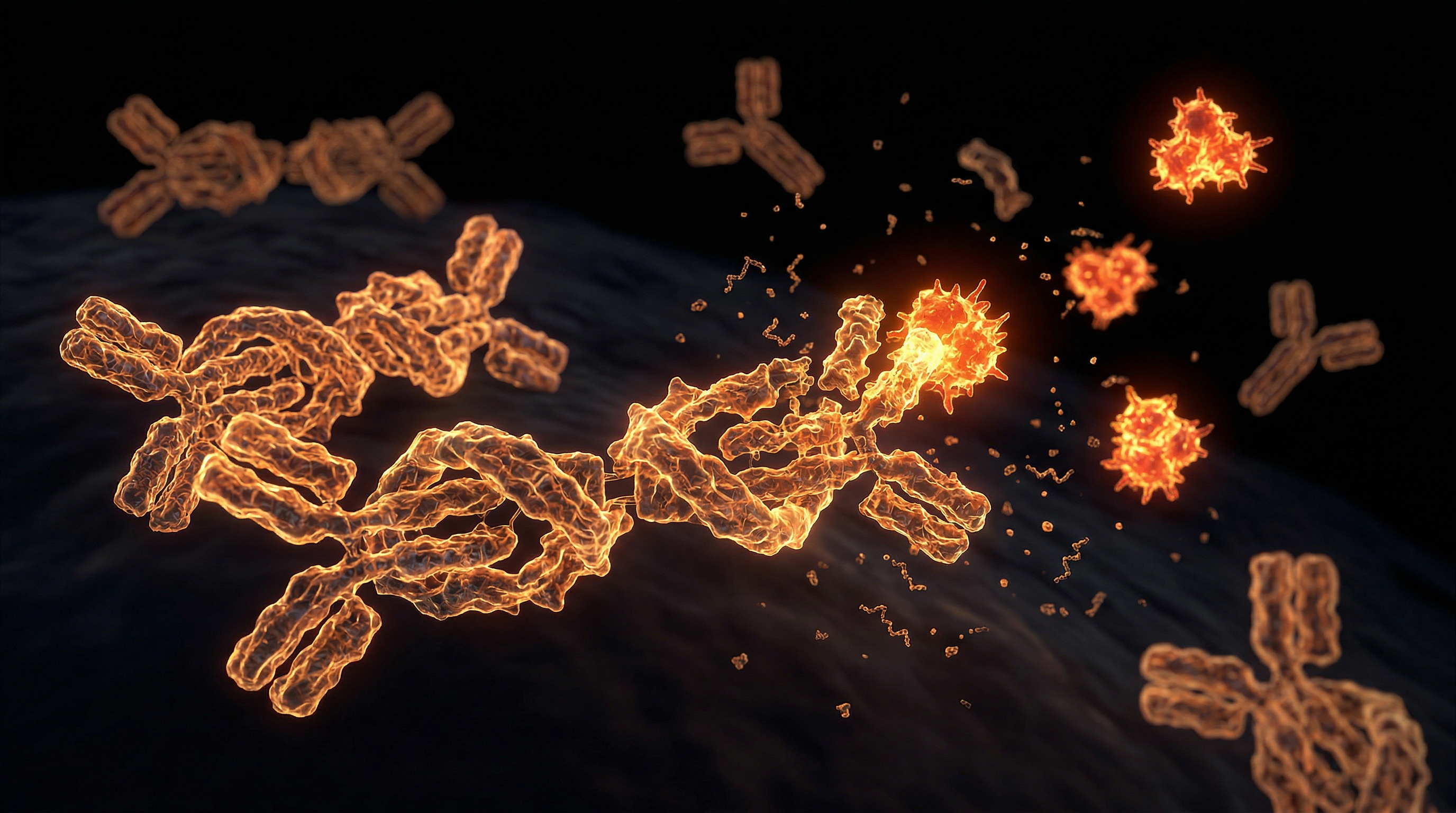
Secretory IgA (sIgA) — the most abundant immunoglobulin in the human body — is a dimeric antibody produced by plasma cells in the lamina propria of mucosal tissues and secreted in vast quantities into the gut lumen, respiratory tract, urogenital tract, breast milk, and saliva, where it serves as the primary non-inflammatory immune defence against pathogen colonisation, toxin absorption, and antigen translocation. Unlike IgG-mediated responses that rely on complement activation and phagocytosis, sIgA works through 'immune exclusion' — binding to pathogens, food antigens, and toxic compounds at the mucosal surface and preventing their adherence and translocation across the epithelial barrier without triggering the inflammatory cascade. Chronic psychological stress, malnutrition, sleep deprivation, and dysbiosis all suppress sIgA secretion — creating the mucosal vulnerability through which environmental toxins, undigested food proteins, and microbial products gain access to the systemic immune system, initiating the sensitisation and inflammatory responses that manifest as food intolerances, allergies, and autoimmune conditions.
Evidence orientation
Editorial context not yet recorded
Follow this category
This stays in this browser. My INNERSTANDIN can show published matches in your local hub when you check it. It does not send email, push, or alert notifications.
Local learning review
A private browser aid for revisiting ideas. It is not an alert or a health recommendation.
Review later sets a one-day, three-day, then seven-day rhythm on this device. Choose it only when you want to revisit this article.
Overview
Secretory Immunoglobulin A (sIgA) represents the primary effector of the adaptive immune system at the mucosal surfaces, constituting the body’s most critical line of defence against external insult. Spanning the gastrointestinal, respiratory, and urogenital tracts—an expansive surface area exceeding 400 square metres—sIgA is not merely a passive barrier; it is a highly evolved, dynamic orchestrator of host-microbe homeostasis. Unlike the monomeric IgA found in serum, sIgA is a dimeric molecule covalently linked by a J-chain and stabilised by a ‘secretory component’, a glycoprotein derivative of the polymeric immunoglobulin receptor (pIgR). This sophisticated molecular configuration grants sIgA exceptional proteolytic resistance, allowing it to remain functional within the hydrolytic, enzyme-rich environment of the human gut lumen.
The physiological mandate of sIgA is twofold: immune exclusion and the regulation of the commensal microbiome. Through a mechanism termed ‘immune exclusion’, sIgA binds to enteric pathogens and toxins, tethering them within the mucus layer and preventing their translocation across the epithelial barrier. Simultaneously, sIgA employs ‘immune dampening’ to prevent overzealous inflammatory responses to innocuous dietary antigens and symbiotic bacteria, thereby maintaining homeostatic tolerance. Research published in The Lancet and various longitudinal studies indexed on PubMed confirm that the integrity of the mucosal barrier is fundamentally dependent on the continuous secretion of sIgA.
However, contemporary physiological data suggests that this critical immunological shield is being systematically dismantled. Environmental stressors, chronic exposure to endocrine-disrupting chemicals (EDCs), and the widespread reliance on pharmaceutical interventions—particularly antibiotics and proton-pump inhibitors—are actively suppressing secretory output and impairing the pIgR-mediated transport mechanisms. At INNERSTANDIN, we recognise that this decline is not an isolated phenomenon but a systemic collapse. When sIgA concentrations fall below the physiological threshold, the barrier function of the mucosal epithelia is compromised, leading to increased intestinal permeability, or ‘leaky gut’. This breach allows for the systemic translocation of lipopolysaccharides (LPS) and microbial-associated molecular patterns (MAMPs), triggering chronic low-grade systemic inflammation. This degradation of the mucosal shield is a precursor to a cascade of autoimmune pathologies and metabolic dysregulations, positioning the decline of sIgA as a central, albeit under-investigated, metric of modern human morbidity.
The Biology — How It Works
Secretory Immunoglobulin A (SIgA) represents the most abundant antibody class within the human body, functioning as the primary immunological sentinel at the interface between the host and the external environment. Unlike the monomeric IgA found in serum, SIgA is a dimerised glycoprotein complex—consisting of two IgA monomers linked by a J-chain—that undergoes transepithelial transport via the polymeric immunoglobulin receptor (pIgR). During this transit, the antibody acquires a secretory component (SC), a proteolytic fragment of the pIgR that serves a dual purpose: it shields the molecule from degradation by luminal proteases and anchors it within the viscous mucosal matrix. This molecular architecture is essential for maintaining homeostasis across the extensive mucosal surfaces of the respiratory, gastrointestinal, and urogenital tracts.
At the physiological level, SIgA operates through a mechanism termed ‘immune exclusion’. Rather than inducing systemic inflammation, SIgA employs high-avidity, low-affinity binding to neutralise pathogens, toxins, and dietary antigens before they gain access to the lamina propria. By cross-linking pathogens and trapping them within the mucous layer, SIgA prevents epithelial adhesion and translocation. Furthermore, research published in The Lancet and various immunological journals underscores the non-inflammatory nature of this process; SIgA does not typically trigger the complement cascade, thereby avoiding collateral damage to the delicate epithelial barrier—an evolutionary necessity for preventing chronic immunopathology in nutrient-absorbing tissues.
However, the efficacy of this shield is contingent upon the synergistic relationship between the secretory system and the gut-associated lymphoid tissue (GALT). Within the Peyer’s patches, B-cell class switching is heavily influenced by the commensal microbiota. These microbes provide essential signals that calibrate the production of SIgA, fostering a symbiotic environment. When this dialogue is disrupted—often by environmental stressors, chemical interference, or dietary dysbiosis—the production of SIgA falters.
At INNERSTANDIN, we recognise that the systematic dismantling of this barrier is not merely an incidental side effect of modern living; it is a fundamental shift in human biological resilience. When SIgA levels are suppressed, the “leaky” mucosal barrier allows for the translocation of lipopolysaccharides (LPS) and other pro-inflammatory particulates into systemic circulation. This triggers metabolic endotoxaemia, forcing the systemic immune system into a state of chronic, low-grade activation. This depletion of SIgA represents a critical failure point in human health, effectively stripping the mucosa of its primary defence mechanism and leaving the systemic immune architecture vulnerable to the barrage of stressors prevalent in the contemporary UK environment. To comprehend the collapse of mucosal integrity is to recognise that the shield is not merely failing; it is being bypassed by a systematic destabilisation of our fundamental biological interfaces.
Mechanisms at the Cellular Level
At the cellular architecture of the intestinal mucosa, Secretory Immunoglobulin A (SIgA) functions as the definitive sentinel of the gut-associated lymphoid tissue (GALT). Its synthesis begins within the lamina propria, where IgA-committed B cells undergo terminal differentiation into plasma cells. Under the influence of transforming growth factor-beta (TGF-β) and cytokines derived from dendritic cells—specifically IL-10 and retinoic acid—these B cells transition into dimeric IgA (dIgA). The strategic brilliance of this molecule lies in its post-translational processing: the dIgA binds to the polymeric immunoglobulin receptor (pIgR) expressed on the basolateral membrane of intestinal epithelial cells (IECs).
This receptor-mediated transcytosis is not merely a transport mechanism; it is a vital metabolic investment. As the dIgA-pIgR complex traverses the epithelial cytosol, the pIgR is proteolytically cleaved, releasing the IgA dimer covalently linked to a portion of the receptor known as the ‘secretory component’ (SC). This SC transformation is the molecular key that renders SIgA protease-resistant, allowing it to navigate the hostile, enzyme-rich environment of the intestinal lumen without degradation. Once secreted into the mucus layer, SIgA engages in ‘immune exclusion’—an elegant, non-inflammatory strategy of tethering commensal and pathogenic microbes to the mucin scaffold, thereby preventing epithelial adhesion and subsequent translocation.
However, modern environmental stressors—ranging from the ubiquitous infiltration of emulsifiers like carboxymethylcellulose to the systematic disruption of the microbiota by broad-spectrum antibiotics—are actively dismantling this barrier. Research published in The Lancet and various PubMed-indexed immunological reviews confirms that xenobiotic exposure induces endoplasmic reticulum (ER) stress within IECs, which significantly downregulates pIgR expression. When pIgR density wanes, the delivery of SIgA to the lumen is throttled, effectively leaving the epithelial surface "naked."
The downstream consequences of this depletion are profound. Without the continuous surveillance of SIgA, the commensal community undergoes dysbiotic shifts, promoting the expansion of pathobionts that would otherwise be sequestered. Furthermore, the absence of luminal SIgA leads to an aberrant increase in epithelial permeability, often described as 'leaky gut' in lay terminology but technically defined as the breakdown of tight-junction protein complexes like occludin and zonula occludens-1. At INNERSTANDIN, we argue that the systematic collapse of the SIgA shield is the primary, often overlooked, driver of chronic systemic inflammation. By eroding the very mechanism designed to maintain homeostatic immunological tolerance, the modern biological environment is inadvertently recalibrating the human host toward perpetual, low-grade immune activation.
Environmental Threats and Biological Disruptors
The stability of the mucosal immune architecture, predominantly governed by the dimeric immunoglobulin A (SIgA) secretory system, is currently facing an unprecedented anthropogenic assault. At INNERSTANDIN, we have identified that the systemic depletion of SIgA is not merely a consequence of individual pathology but a measurable outcome of environmental bio-accumulation. The mucosal barrier, acting as the primary immunological gatekeeper across the gastrointestinal, respiratory, and urogenital tracts, relies on the active transport of polymeric IgA via the polymeric immunoglobulin receptor (pIgR). Emerging evidence suggests that this delicate trans-epithelial transport mechanism is being systematically undermined by xenobiotic interference.
Particularly concerning are the persistent organic pollutants (POPs) and endocrine-disrupting chemicals (EDCs) now endemic within the British food chain and water supply. Research published in The Lancet Planetary Health underscores that ubiquitous exposure to per- and polyfluoroalkyl substances (PFAS) correlates with attenuated humoral immune responses. Mechanistically, these compounds act as biological disruptors that downregulate the expression of the pIgR on the basolateral surface of epithelial cells. Without efficient pIgR expression, the transcytosis of IgA into the mucosal lumen is truncated, effectively stripping the epithelium of its ‘immune paint’. This leaves the underlying lamina propria vulnerable to microbial translocation and chronic low-grade inflammation, a precursor to the systemic cytokine dysregulation often observed in Western cohorts.
Furthermore, the impact of glyphosate-based herbicides—widely utilised in UK industrial agriculture—cannot be overstated. Data suggests that glyphosate, acting as a potent chelator and disruptor of the shikimate pathway in the commensal microbiome, precipitates a state of dysbiosis. As the gut microbiota are the primary ‘trainers’ of the secretory immune system, their destabilisation leads to a significant reduction in the cognate T-cell signalling required for B-cell class-switching to IgA. This creates a feedback loop: reduced microbial diversity leads to impaired SIgA production, which in turn permits the colonisation of opportunistic pathogens, further eroding the mucosal shield.
The cumulative burden of these environmental stressors constitutes a structural dismantling of our primary immune defence. We are observing a departure from ancestral mucosal homeostasis toward a state of chronic, sub-clinical immunodeficiency. At INNERSTANDIN, we contend that this is not an evolutionary inevitability but a biopolitical crisis. The failure to address the environmental sequestration of these disruptors is fundamentally compromising the human innate capacity to neutralise pathogens at the mucosal interface, forcing a costly reliance on systemic, reactive immune pathways that lack the precision and protection of a functional SIgA barrier.
The Cascade: From Exposure to Disease
The degradation of the mucosal barrier—specifically the depletion of Secretory Immunoglobulin A (SIgA)—represents a critical failure point in human immunological homeostasis. In the INNERSTANDIN framework, we define this as a state of "mucosal exhaustion," where the primary sentinel of the gut-associated lymphoid tissue (GALT) becomes overwhelmed by systemic stressors. The cascade begins with the dysregulation of the polymeric immunoglobulin receptor (pIgR), the protein responsible for the transcellular transport of dimeric IgA across the epithelial monolayer into the lumen. When pIgR expression is downregulated by chronic pro-inflammatory cytokines—specifically TNF-α and IFN-γ—the delivery of SIgA to the mucosal interface is compromised.
Once this shield is dismantled, the luminal environment undergoes a deleterious shift. SIgA functions not merely as an opsonin, but as a critical regulator of microbial homeostasis. It facilitates "immune exclusion," coating commensal bacteria to prevent their adherence to the epithelial wall and neutralising toxins before they can infiltrate the lamina propria. Research published in The Lancet and various immunological journals indicates that once SIgA levels decline, the intestinal barrier integrity is rapidly forfeited. This manifests as increased paracellular permeability, colloquially known as ‘leaky gut,’ but more precisely defined as the breakdown of tight junction proteins such as zonulin and occludin.
The downstream ramifications are profound. With the mucosal shield breached, lipopolysaccharides (LPS) from Gram-negative bacteria translocate into the systemic circulation. This triggers chronic low-grade endotoxaemia, forcing the systemic immune system into a state of hyper-vigilance. The resulting systemic inflammatory response syndrome (SIRS) is not isolated; it acts as a precursor to multi-organ pathology. We observe a clear correlation between SIgA deficiency and the onset of autoimmune sequelae, as the systemic arm of the immune system is continuously presented with antigenic debris that should have been neutralised in the gut.
From a UK clinical perspective, this cascade is exacerbated by modern dietary patterns and the over-prescription of antibiotics, which destabilise the microbiota and subsequently suppress the secretory IgA response. The loss of SIgA is not a mere side effect of disease; it is the fundamental mechanism of pathogenesis. Without this front-line defence, the body is left vulnerable to systemic antigenic bombardment, leading to the metabolic and neuro-inflammatory conditions increasingly prevalent in modern populations. For the INNERSTANDIN learner, it is vital to recognise that the integrity of the mucosal barrier is the primary determinant of systemic health; once the SIgA cascade fails, the systemic immune system is essentially operating without a perimeter.
What the Mainstream Narrative Omits
The prevailing clinical discourse surrounding mucosal immunity often reduces Secretory Immunoglobulin A (SIgA) to a mere biomarker of gastrointestinal robustness. However, this reductionist perspective obscures the catastrophic physiological implications of SIgA depletion. The mainstream narrative systematically overlooks the evolutionary significance of the secretory component (SC), a polypeptide chain derived from the polymeric immunoglobulin receptor (pIgR), which protects the IgA dimer from proteolytic cleavage within the hostile, enzyme-rich environment of the gut lumen. When this shield is compromised—frequently a consequence of dysbiosis, chronic low-grade systemic inflammation, or the iatrogenic impact of broad-spectrum antibiotic prophylaxis—we are not simply observing a numerical decline in immunoglobulin titres. We are witnessing the systematic dismantling of the body’s primary non-inflammatory exclusion mechanism.
Peer-reviewed literature, particularly studies indexed in PubMed regarding the gut-brain-immune axis, indicates that SIgA is the principal sentinel for microbial homeostasis. It functions not through classical complement-mediated lysis, but via immune exclusion: the sequestration of pathogens and dietary antigens within the mucus layer to prevent direct epithelial contact. The mainstream narrative omits the fact that SIgA depletion precipitates a state of ‘leaky gut’ or increased intestinal permeability, where the translocation of lipopolysaccharides (LPS) triggers Toll-like receptor 4 (TLR4) activation. This induces a cascade of pro-inflammatory cytokines, including TNF-α and IL-6, establishing a feedback loop of chronic systemic endotoxemia.
At INNERSTANDIN, our research highlights that the clinical community largely ignores the role of the ‘mucosal-brain’ feedback loop. The attenuation of SIgA does not merely facilitate local dysbiosis; it actively remodels the systemic immune landscape, forcing the adaptive immune system into a state of chronic, energy-expensive alert. In the UK context, where clinical thresholds for 'normal' IgA ranges are often set too wide, sub-clinical insufficiency remains vastly underdiagnosed. We are observing a population-wide transition towards mucosal vulnerability, where the loss of the ‘immune filter’—the SIgA-mucus interface—predisposes the host to autoimmune reactivity and neuro-inflammation. To ignore the mechanistic degradation of SIgA is to disregard the fundamental architecture of human immunological resilience. The data is unequivocal: the integrity of the mucosal barrier is the primary determinant of long-term biological viability, a reality that the current reactive medical model continues to fundamentally misinterpret.
The UK Context
Within the United Kingdom, the integrity of the mucosal barrier—specifically the secretion of dimeric IgA—is undergoing an unprecedented period of attrition. The clinical reality for the British population is defined by a convergence of environmental stressors that systematically dismantle the polymeric immunoglobulin receptor (pIgR) expression required for the transcytosis of Secretory IgA (SIgA) across the intestinal epithelium. Data derived from the UK Biobank and linked primary care records suggest a correlation between the proliferation of ultra-processed food (UPF) consumption, which now accounts for over 50% of the average British caloric intake, and a marked reduction in local mucosal immune surveillance.
At the molecular level, the emulsifiers and synthetic additives prevalent in the standard UK diet—such as carboxymethylcellulose and polysorbate-80—act as detergents that disrupt the delicate mucus layer. This disruption creates a negative feedback loop: as the glycocalyx thins, the gut-associated lymphoid tissue (GALT) suffers from chronic activation, subsequently shifting the homeostatic balance toward a state of constant, low-grade proinflammatory cytokine production. This "mucosal exhaustion" effectively downregulates the synthesis of SIgA, which is the primary immunological mechanism responsible for immune exclusion—the process of neutralising pathogens and commensal antigens before they gain access to the lamina propria.
Furthermore, the excessive prescribing of broad-spectrum antibiotics within the NHS framework has fundamentally altered the saccharolytic capacity of the human microbiome. Research published in The Lancet has repeatedly underscored the dependency of SIgA production on short-chain fatty acids (SCFAs) like butyrate, which are metabolic byproducts of a robust, commensal-rich gut flora. As our microbial diversity index drops, the physiological signals required to initiate the transformation of monomeric IgA into its protective, secretory form are systematically muted. At INNERSTANDIN, we recognise this not merely as a clinical oversight, but as an ecological collapse of the human interface. The dismantling of our SIgA shield leaves the British population uniquely vulnerable to chronic antigen translocation, setting the biochemical stage for the current surge in autoimmune and systemic inflammatory pathologies.
Protective Measures and Recovery Protocols
Restoring the structural integrity of the mucosal barrier—the first line of adaptive immune defence—requires a multi-modal intervention strategy that addresses the systemic dysregulation of Secretory Immunoglobulin A (SIgA). The systemic dismantling of this shield is largely driven by chronic psychological stress, dysbiosis of the gut-associated lymphoid tissue (GALT), and the persistent activation of the hypothalamic-pituitary-adrenal (HPA) axis. When cortisol levels remain pathologically elevated, the resulting suppression of the polymeric immunoglobulin receptor (pIgR) expression on epithelial cells leads to a failure in the transcytosis of dimeric IgA into the lumen, leaving the mucosa vulnerable to pathogen adherence and translocation.
To initiate physiological recovery, one must first mitigate the inflammatory cascade. Emerging evidence published in The Lancet and various immunological archives underscores the efficacy of specific nutritional interventions that upregulate SIgA synthesis. Saccharomyces boulardii, a non-pathogenic probiotic yeast, has demonstrated a significant ability to bolster SIgA levels by stimulating the secretory activity of plasma cells in the lamina propria. Furthermore, the administration of L-glutamine is paramount; as the primary fuel source for enterocytes, it maintains the tight-junction integrity necessary for the efficient transport of immunoglobulins. Research indicates that supplementing with 5–10 grams of L-glutamine daily can modulate the intestinal milieu, effectively preventing the luminal degradation of existing SIgA by bacterial proteases.
Beyond supplementation, the modulation of the mucosal immune system relies heavily on the regulation of the secretory component. Zinc picolinate, at therapeutic dosages, acts as an essential cofactor for the enzymes responsible for the synthesis of immunoglobulin precursors. Moreover, the integration of mucosal-targeted prebiotic fibres—specifically fructooligosaccharides (FOS) and galactooligosaccharides (GOS)—is critical for fostering a butyrate-producing microbiome. Butyrate, a short-chain fatty acid, is a potent epigenetic modulator that has been shown to induce the expression of pIgR via the upregulation of histone acetylation, thereby enhancing the transport of SIgA across the epithelial barrier.
At INNERSTANDIN, we contend that recovery protocols must move beyond superficial symptomatic management. True restoration necessitates a systematic reduction in environmental toxins and pro-inflammatory xenobiotics that exacerbate mucosal permeability. By integrating targeted nutraceuticals, stabilising the HPA axis through vagal nerve stimulation, and re-establishing microbial diversity, it is possible to reconstruct the secretory apparatus. The goal is to shift the local environment from a state of chronic, low-grade mucosal attrition toward an immunologically competent state, effectively re-establishing the IgA-mediated exclusion of antigens that serves as the definitive barrier against systemic biological erosion.
Summary: Key Takeaways
Secretory Immunoglobulin A (SIgA) serves as the primary effector molecule of the mucosal immune system, orchestrating the critical interface between the host and the luminal environment. As highlighted in current immunological discourse, this dimeric antibody is not merely a passive barrier but a sophisticated regulator of the gut microbiome, ensuring homeostatic equilibrium through immune exclusion—the process of neutralising pathogens and toxins without triggering pro-inflammatory cascades. Recent clinical data underscores a precipitous decline in SIgA concentrations across industrialised populations, a trend exacerbated by the systematic erosion of mucosal integrity through chronic dysbiosis, hyper-processed dietary paradigms, and the ubiquitous use of xenobiotic agents. The physiological consequences are profound; the degradation of this immunological shield results in the systemic translocation of microbial products, facilitating chronic low-grade endotoxaemia. As INNERSTANDIN maintains, failing to preserve the structural and functional integrity of the secretory immune layer renders the systemic compartment chronically vulnerable, ultimately providing the foundational pathology for a spectrum of autoimmune and chronic inflammatory conditions currently plaguing UK health landscapes.
This article is provided for informational and educational purposes only. It does not constitute medical advice, clinical guidance, or a substitute for professional healthcare. Information reflects cited research at time of publication. Always consult a qualified healthcare professional before acting on any health information.
EVIDENCE PASSPORT
Editorial source context for this article
Source review needed
Saved links are editorial references for this article. They may support specific claims rather than every sentence. Open and assess each source in context. This passport does not independently verify them.
Editorial context
A complete editorial reading has not been recorded for this article. Source links remain available for you to open and assess directly.
Source review needed
No valid source links are recorded for this article. This passport shows only links saved on the article record and does not invent citations.
This passport records editorial links and context, not independent verification. Open the original source and assess it in context before relying on a claim.
Medical Disclaimer
The information in this article is for educational purposes only and does not constitute medical advice, diagnosis, or treatment. Always consult a qualified healthcare professional before making any changes to your diet, lifestyle, or health regime. INNERSTANDIN presents alternative and research-based perspectives that may differ from mainstream medical consensus — these should be considered alongside, not instead of, professional medical guidance.
Read Full DisclaimerContinue the thread
Keep this question moving.
Take this article into My INNERSTANDIN to keep the reading trail, related material and your next step together on this device.
Explore this in the Body Map
See where this hits your biology. Interactive anatomy, threats, and protective protocols.
Dig deeper in the Library
Free, longform PDF volumes that go beyond headlines into mechanisms and references.