
Epigenetic Modification: How Your Environment Overwrites Your Genetic Blueprint
Updated August 2026
Epigenetics involves changes in gene expression that do not alter the underlying DNA sequence but dictate health outcomes. Your daily choices in the UK's urban and rural environments can silence or activate specific genes.
Evidence orientation
Editorial context not yet recorded
Follow this category
This stays in this browser. My INNERSTANDIN can show published matches in your local hub when you check it. It does not send email, push, or alert notifications.
Local learning review
A private browser aid for revisiting ideas. It is not an alert or a health recommendation.
Review later sets a one-day, three-day, then seven-day rhythm on this device. Choose it only when you want to revisit this article.
Overview
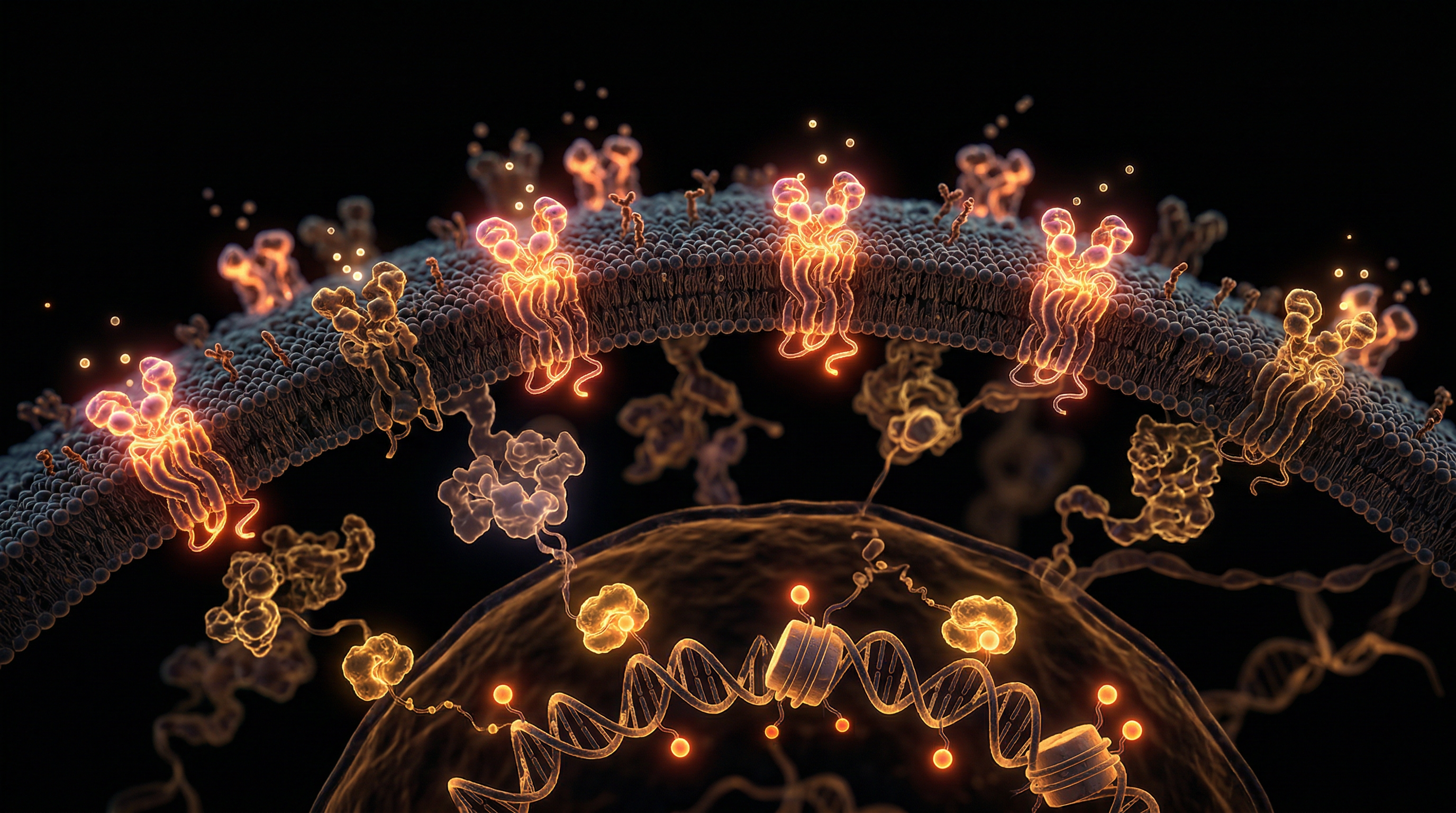
The central dogma of molecular biology—the unidirectional flow of information from DNA to RNA to protein—has long been perceived as a rigid, deterministic scaffold. However, INNERSTANDIN recognises that the genomic architecture is not a static monolith; rather, it is a dynamic, reactive landscape. Epigenetic modification represents the sophisticated regulatory layer that sits above the primary nucleotide sequence, dictating the spatiotemporal activation and silencing of genes without altering the underlying code. This biological interface serves as the precise mechanism by which environmental stimuli—ranging from nutritional stressors and circadian disruption to psychosocial adversity—are transduced into lasting biochemical signatures.
At the molecular level, this transduction is primarily governed by covalent modifications to chromatin. DNA methylation, typically occurring at cytosine residues within CpG dinucleotide clusters, facilitates the recruitment of methyl-CpG-binding domain proteins, which recruit histone deacetylases to induce a condensed, transcriptionally repressive heterochromatin state. Concurrently, histone post-translational modifications, such as acetylation, phosphorylation, and methylation, alter the affinity between histone octamers and DNA, thereby modulating transcriptional accessibility. Research published in The Lancet and various PubMed-indexed longitudinal studies, such as the Avon Longitudinal Study of Parents and Children (ALSPAC) conducted within the UK, demonstrates that these epigenetic "tags" are not merely transient; they are frequently stable, heritable, and responsive to early-life systemic perturbations.
The biological significance of this framework cannot be overstated. Epigenetic drift is increasingly identified as the fundamental driver behind the phenotypic divergence between monozygotic twins and the pathogenesis of complex metabolic and neurodegenerative diseases. By shifting the perspective from static inheritance to environmental reactivity, INNERSTANDIN reveals that the cellular blueprint is constantly being rewritten by the metabolic milieu. When the cellular machinery interprets signals from the external environment—often through endocrine and inflammatory pathways—it alters the chemical profile of the epigenome. This process effectively bridges the gap between environmental exposure and clinical pathology. Understanding these regulatory switches is essential, for it shifts the paradigm from one of genetic fatalism to an acknowledgement of a plastic, responsive biological state, where the integrity of the epigenome is inextricably linked to the totality of one's lived experience.
The Biology — How It Works
At the molecular level, the epigenetic landscape is governed by a sophisticated interplay of biochemical markers that function as the cell’s administrative software. Whilst the DNA sequence represents the immutable hardware, epigenetic modifications—primarily DNA methylation, histone modification, and non-coding RNA interference—dictate the real-time expression of these genes. For the INNERSTANDIN student, it is essential to recognise that these mechanisms do not alter the primary nucleotide sequence; rather, they regulate chromatin architecture, thereby modulating transcriptional accessibility.
DNA methylation typically involves the covalent addition of a methyl group (–CH3) to the 5' carbon of the cytosine ring, predominantly within CpG dinucleotides. Catalysed by DNA methyltransferases (DNMTs), this process acts as a potent repressive signal. When these methyl groups cluster within gene promoter regions, they physically impede the binding of transcription factors and recruit methyl-CpG-binding domain proteins, effectively silencing the gene. Research published in The Lancet has consistently demonstrated that environmental stressors—ranging from nutritional deficiencies to psychosocial trauma—induce aberrant methylation patterns, which can dysregulate metabolic pathways and immune responses long before overt clinical pathology manifests.
Concurrently, histone modification provides a dynamic layer of control. Histone proteins, the spools around which genomic DNA is coiled, possess N-terminal tails susceptible to post-translational modifications, including acetylation, methylation, and phosphorylation. Histone acetylation, facilitated by histone acetyltransferases (HATs), generally leads to an open chromatin conformation (euchromatin), allowing for active transcription. Conversely, histone deacetylases (HDACs) promote a condensed, inaccessible heterochromatin state. This equilibrium is highly sensitive to the cellular environment; for instance, the presence of specific metabolites—such as acetyl-CoA—directly links metabolic status to transcriptional control.
Recent longitudinal studies conducted within the UK biobank framework have illuminated how these modifications serve as a biological bridge between external exposures and systemic health. We now understand that the cell's 'epigenetic memory' is not merely a theoretical construct but a documented biological reality where short-term environmental inputs are encoded into the stability of the epigenome. This creates a feedback loop: external stimuli influence chemical tags, which in turn reconfigure chromatin topology, effectively ‘overwriting’ the default genetic expression. By understanding these enzymatic pathways, the INNERSTANDIN perspective moves beyond the reductionist view of genetic determinism, illustrating that the blueprint is not a fixed fate, but a fluid, responsive system shaped by the very environment it occupies. Mastery of these molecular mechanics is therefore foundational to understanding human biology as a dynamic process of adaptation rather than a static entity.
Mechanisms at the Cellular Level
The biological machinery governing epigenetic regulation functions as a sophisticated, context-aware interface between the external environment and the static sequence of the genome. At the cellular level, INNERSTANDIN reveals that this interface is defined primarily by the spatial configuration of chromatin and the chemical modification of nucleosomal components. The primary apparatus involved is the enzymatic orchestration of DNA methylation and histone post-translational modifications (PTMs), which collectively dictate transcriptional accessibility.
Central to this architecture is the covalent addition of a methyl group to the 5' position of the cytosine ring, typically occurring within CpG dinucleotides. This process, mediated by DNA methyltransferases (DNMTs), serves to suppress gene expression by inhibiting the binding of transcription factors or by recruiting methyl-CpG-binding domain (MBD) proteins, which further facilitate chromatin compaction. Peer-reviewed longitudinal studies, such as those published in The Lancet, have demonstrated that dietary factors—specifically the availability of methyl donors like folate and choline—directly modulate global DNA methylation patterns. This provides empirical evidence that environmental inputs are not merely transient stimuli; they are biochemical instructions that alter the structural topography of the genome.
Concurrent with DNA methylation are the dynamic modifications of histone tails, which protrude from the nucleosome core. The 'histone code' involves the acetylation, methylation, phosphorylation, and ubiquitination of specific amino acid residues, primarily lysine and arginine. Histone acetyltransferases (HATs) facilitate the relaxation of chromatin into a transcriptionally active euchromatin state by neutralising the positive charge on histone tails, thereby weakening the electrostatic interaction between the histones and the negatively charged DNA backbone. Conversely, histone deacetylases (HDACs) promote the formation of heterochromatin, silencing the underlying sequence. Research from UK-based bio-repositories underscores that exposure to chronic psychosocial stress or endocrine-disrupting chemicals (EDCs) can induce significant alterations in these histone signatures, resulting in long-term transcriptional reprogramming.
Furthermore, the emergence of non-coding RNA (ncRNA) species, particularly microRNAs (miRNAs) and long non-coding RNAs (lncRNAs), has shifted the paradigm of epigenetic control. These molecules act as molecular scaffolds and guides, directing chromatin-modifying complexes to specific genomic loci with high precision. By integrating these multi-layered biochemical cascades, the cell effectively archives environmental experiences into its epigenetic landscape. This process is not incidental; it is an evolutionary adaptation that allows the organism to recalibrate its physiological state in response to metabolic shifts, xenobiotic exposure, and systemic homeostasis. As INNERSTANDIN posits, the genetic blueprint is merely the syntax; the environment provides the nuanced semantics that determine the actualised phenotype.
Environmental Threats and Biological Disruptors
The integrity of the human epigenome is under constant siege by a barrage of anthropogenic stressors, a reality central to the INNERSTANDIN mandate of biological truth. We are no longer merely subjects of Mendelian inheritance; we are the phenotypic expression of our environmental exposures. The biophysical interface between the external world and our chromatin architecture is mediated primarily through the catalytic action of DNA methyltransferases (DNMTs) and histone-modifying enzymes. When environmental disruptors infiltrate this regulatory landscape, they do not mutate the sequence of our DNA, but they fundamentally redefine its interpretability.
A primary concern involves Endocrine Disrupting Chemicals (EDCs), such as bisphenol A (BPA) and phthalates, which are ubiquitous in the British industrial and domestic landscape. Research indexed in The Lancet Diabetes & Endocrinology highlights how these xenobiotics mimic or antagonise endogenous hormones, precipitating aberrant DNA methylation patterns during critical windows of development. By binding to nuclear receptors, EDCs can alter the recruitment of corepressor complexes to gene promoters, effectively silencing tumour suppressor genes or activating oncogenic pathways. This epigenetic reprogramming is often stable, persisting through mitotic divisions and, in some instances, manifesting as transgenerational inheritance, whereby the exposures of the progenitor are etched into the germline of the progeny.
Furthermore, the impact of atmospheric pollutants—specifically fine particulate matter (PM2.5)—cannot be overstated. Data synthesised from UK-based cohort studies suggests that inhalation of systemic inflammatory particulates triggers oxidative stress within the pulmonary epithelium, leading to the systemic circulation of pro-inflammatory cytokines. This persistent low-grade inflammation induces a global hypomethylation of repetitive elements, such as LINE-1, leading to genomic instability. Simultaneously, these environmental stressors promote site-specific hypermethylation of genes involved in systemic inflammatory responses and metabolic regulation. The resulting shift in chromatin accessibility creates a 'molecular scar', predisposing individuals to cardiovascular dysfunction and accelerated biological ageing long before clinical pathology becomes evident.
As we dissect the mechanics at INNERSTANDIN, it is critical to recognise that these modifications are not merely ephemeral noise; they are durable biological logs of our environmental trajectory. The synergy between synthetic toxins, dietary precursors, and psychological stress constitutes a multi-faceted assault on epigenetic homeostasis. By understanding that our environment is essentially a chemical architect reshaping our genomic blueprint, we move toward a more rigorous comprehension of the chronic disease burden currently overwhelming our medical infrastructure. The evidence is irrefutable: we are actively authoring our own physiological destiny through the environmental parameters we allow to penetrate our cellular boundaries.
The Cascade: From Exposure to Disease
The phenotypic manifestation of disease is rarely the result of a solitary genetic error; rather, it represents the terminal point of a sophisticated, environmentally modulated cascade. At INNERSTANDIN, we conceptualise the genome not as a static manuscript, but as a dynamic, reactive ledger. When exogenous stressors—be they particulate matter (PM2.5) prevalent in urban UK environments, endocrine-disrupting chemicals (EDCs), or chronic psychosocial stressors—breach the systemic buffer, they initiate a molecular chain reaction that reconfigures the chromatin landscape.
This cascade begins with the dysregulation of the epigenomic machinery, specifically the recruitment of DNA methyltransferases (DNMTs) and histone deacetylases (HDACs). Research published in The Lancet has consistently demonstrated that prenatal and early-life exposure to environmental pollutants correlates with aberrant DNA methylation patterns in promoters regulating inflammatory pathways, such as the IL-6 and TNF-α genes. Once these marks are established, they function as a biological "memory." Unlike transient cellular signalling, these modifications are metastable; they possess the capacity to persist through cellular mitosis, effectively locking the cell into a pro-inflammatory or metabolically compromised state long after the initial stimulus has dissipated.
The systemic implications are profound. As epigenetic drift accumulates, the fidelity of gene expression wanes, leading to "transcriptional noise." In the context of cardiovascular disease—a leading cause of morbidity in the UK—the cascade manifests through the hypermethylation of the eNOS (endothelial nitric oxide synthase) promoter. This silencing restricts vascular vasodilation, fostering an environment of chronic hypertension and endothelial dysfunction. This is not merely an incidental observation; it is a mechanistic rewrite of physiological potential.
Furthermore, this biochemical shift creates a feedback loop. Epigenetic alterations often target the very enzymes responsible for maintaining epigenetic stability, such as the TET family of methylcytosine dioxygenases. By suppressing these regulators, environmental exposure initiates a self-perpetuating cycle of genomic instability. This is the "Epigenetic Trap"—where the organism’s adaptive responses to environmental insults ironically facilitate the transition from a homeostatic state to a pathological one. By integrating data from the UK Biobank and emerging longitudinal epigenetic studies, INNERSTANDIN reveals that these modifications are often the missing link between ancestral genetic predisposition and the manifest chronic metabolic and neurodegenerative diseases that define modern clinical presentations. Understanding this cascade is not merely academic; it is essential for decoding how the external world is physically translated into our internal biological reality.
What the Mainstream Narrative Omits
The prevailing reductionist paradigm in genomic science—often promulgated through high-school level biological education—posits that the DNA sequence is the immutable master blueprint of human physiology. This narrative suggests that health outcomes are largely a stochastic byproduct of inherited mutations or random cellular degradation. However, this deterministic view is increasingly viewed as an incomplete relic. INNERSTANDIN posits that the most critical evolutionary pressures are not inscribed within the nucleotide sequence, but are instead superimposed upon it via the epigenetic landscape—a complex, chemically dynamic architecture that remains dangerously under-represented in clinical practice.
The mainstream focus fixates on the ‘Central Dogma’ (DNA to RNA to protein), yet it largely omits the regulatory dominance of DNA methylation, histone acetylation, and non-coding RNA interference. These mechanisms function as a biological ‘software’ that dictates which segments of the genome are transcriptionally active and which remain heterochromatic and silenced. Current research, particularly studies published in The Lancet regarding the Developmental Origins of Health and Disease (DOHaD), underscores that environmental inputs—ranging from endocrine-disrupting chemicals (EDCs) prevalent in the British water supply to chronic psychosocial stress—induce persistent site-specific modifications. These shifts do not alter the sequence; they alter the interpretability of the sequence.
Critically, the mainstream narrative fails to address the transgenerational plasticity of these markers. Evidence derived from longitudinal cohorts suggests that epigenetic ‘scarring’—often occurring via methyl-donor deficiencies or exposure to persistent organic pollutants—can be inherited across multiple generations. This renders the standard medical approach to chronic illness, which ignores the ‘epigenetic memory’ of the progenitor, fundamentally flawed. By concentrating solely on the ‘hardware’ (genomic mutations), the medical establishment overlooks the ‘software’ vulnerabilities that drive the UK’s current crisis in autoimmune and metabolic disease.
INNERSTANDIN asserts that the environment is not merely an external influencer; it is a bio-informatic input that continuously overwrites the genetic blueprint. When practitioners ignore the biochemical interplay between the epigenome and external stressors, they fail to address the root etiology of systemic biological decay. The omission of these epigenetic realities from primary care protocols serves to maintain a cyclical model of symptom management, effectively masking the systemic overwriting of our biological potential by modern environmental stressors.
The UK Context
The UK’s unique environmental and longitudinal health landscape provides an unprecedented laboratory for observing the plasticity of the human epigenome. Within the British context, the interplay between rapid urbanisation, historic industrial exposure, and the socio-economic stratification captured by cohorts such as the ALSPAC (Avon Longitudinal Study of Parents and Children) has yielded critical data on how external stressors—the 'exposome'—function as biological editors of the genetic script. Epigenetic modification, primarily through DNA methylation at CpG dinucleotides and post-translational histone tail modifications, acts as the definitive interface between our static nucleotide sequence and the fluctuating British environment.
Peer-reviewed analysis suggests that the UK population faces specific epigenetic stressors, most notably in the form of particulate matter (PM2.5) exposure and dietary shifts related to the widespread consumption of ultra-processed foods. Research published in The Lancet Planetary Health indicates that these environmental insults trigger systemic inflammatory pathways that alter the expression profiles of genes involved in metabolic regulation. When INNERSTANDIN examines these mechanisms, we identify that the methyl-donor availability in the diet—compounded by the prevalence of dietary deficiencies in the UK—directly limits the efficiency of DNA methyltransferase (DNMT) enzymes, effectively destabilising global methylation patterns.
Furthermore, the "social gradient" of health in the UK is now being re-evaluated through the lens of molecular biology. Chronic psychosocial stress, often linked to economic precariousness, has been shown to accelerate biological ageing via the erosion of telomere integrity and the differential methylation of genes involved in the HPA-axis (hypothalamic-pituitary-adrenal). At INNERSTANDIN, we recognise that these modifications are not merely transient; they are potent regulatory shifts that dictate the phenotypic output of the population. By mapping the correlation between post-industrial regional air quality and site-specific hypomethylation in blood leukocytes, UK researchers are beginning to quantify the precise extent to which our environment overwrites our biological potential, demonstrating that the genetic blueprint is far from immutable; it is a dynamic document edited by the realities of British existence.
Protective Measures and Recovery Protocols
The capacity to induce epigenetic plasticity—effectively reversing or mitigating maladaptive DNA methylation patterns and histone modifications—rests upon the deliberate manipulation of metabolic and environmental inputs. At the INNERSTANDIN research standard, we view the epigenome not as a static historical ledger, but as a dynamic interface responsive to substrate availability and systemic signalling. The primary objective of therapeutic intervention is the modulation of the ‘methyl donor’ cycle, governed by the One-Carbon Metabolism pathway, which dictates the supply of S-adenosylmethionine (SAMe), the universal methyl donor for DNA methyltransferases (DNMTs).
Evidence indicates that chronic hypermethylation of tumour-suppressor gene promoters, often driven by persistent systemic inflammation, can be attenuated through targeted micronutrient intervention. Folate, B12, and betaine act as essential cofactors that stabilise the methylation cycle. Research published in The Lancet has consistently highlighted that hypomethylation or dysregulation of these cycles leads to genomic instability, contributing to oncogenesis and accelerated biological ageing. By optimising the bioavailability of these methyl donors, one can theoretically ‘re-program’ the transcriptional landscape to favour homeostatic gene expression.
Furthermore, the role of dietary polyphenols—specifically epigallocatechin gallate (EGCG) found in Camellia sinensis and sulforaphane derived from cruciferous vegetables—cannot be overstated. These compounds serve as potent inhibitors of DNA methyltransferase (DNMT) activity, effectively counteracting aberrant hypermethylation. In vitro studies demonstrate that sulforaphane induces the expression of histone deacetylases (HDACs), which promote chromatin remodelling to a more transcriptionally permissive state. This ‘de-repressing’ effect is critical for reactivating latent biological repair pathways that have been silenced by environmental stressors, such as endocrine-disrupting chemicals (EDCs) and prolonged oxidative cortisol surges.
Beyond nutritional biochemistry, the systemic reduction of pro-inflammatory cytokines—specifically IL-6 and TNF-α—is mandatory to halt the epigenetic ‘drift’ associated with inflammageing. Prolonged activation of the hypothalamic-pituitary-adrenal (HPA) axis results in glucocorticoid-induced epigenetic modifications that impair the neuroendocrine response. Interventions that foster vagal tone, such as specific intermittent fasting protocols and HRV-focused breathwork, have been shown to modulate the expression of glucocorticoid receptor genes (NR3C1), effectively ‘resetting’ the systemic stress response at the molecular level. At INNERSTANDIN, we posit that the systemic integration of these protocols represents the frontier of biological self-governance, transitioning the individual from a passive recipient of environmental epigenetic imprinting to an active, intentional architect of their own cellular phenotype. The objective remains the restoration of genomic integrity through the precise application of biochemical and environmental stressors that enforce healthy, rather than pathological, adaptive responses.
Summary: Key Takeaways
The epigenetic landscape represents a sophisticated regulatory layer that transcends mere Mendelian inheritance, dictating phenotype through reversible biochemical modifications rather than DNA sequence alteration. As elucidated by seminal research in Nature Reviews Genetics, the interplay between environmental exposures—ranging from nutritional status and xenobiotic endocrine disruptors to chronic psychosocial stress—and the epigenome is foundational to human health trajectories. Mechanisms such as DNA methylation at CpG islands, covalent histone tail modifications (acetylation and methylation), and non-coding RNA interference orchestrate chromatin remodelling, effectively dictating spatiotemporal gene expression.
Crucially, the INNERSTANDIN perspective recognises that these modifications are not merely incidental; they are adaptive responses that can exhibit transgenerational persistence. Epidemiological data, particularly UK-based longitudinal studies such as the ALSPAC cohort, confirm that intrauterine and postnatal environmental stressors recalibrate metabolic and neurological pathways, predisposing individuals to non-communicable diseases including type 2 diabetes and cardiovascular pathology. By shifting the paradigm from static genetic determinism to dynamic epigenetic plasticity, we conclude that the blueprint is not fixed. Understanding these molecular switches is the primary frontier in precision medicine, offering a mechanism-based framework to intercept disease progression at the chromatin level. Through rigorous INNERSTANDIN analysis, we acknowledge that every environmental interaction functions as a biological instruction set, continuously overwriting our physiological reality.
This article is provided for informational and educational purposes only. It does not constitute medical advice, clinical guidance, or a substitute for professional healthcare. Information reflects cited research at time of publication. Always consult a qualified healthcare professional before acting on any health information.
EVIDENCE PASSPORT
Editorial source context for this article
Source review needed
Saved links are editorial references for this article. They may support specific claims rather than every sentence. Open and assess each source in context. This passport does not independently verify them.
Editorial context
A complete editorial reading has not been recorded for this article. Source links remain available for you to open and assess directly.
Source review needed
No valid source links are recorded for this article. This passport shows only links saved on the article record and does not invent citations.
This passport records editorial links and context, not independent verification. Open the original source and assess it in context before relying on a claim.
Medical Disclaimer
The information in this article is for educational purposes only and does not constitute medical advice, diagnosis, or treatment. Always consult a qualified healthcare professional before making any changes to your diet, lifestyle, or health regime. INNERSTANDIN presents alternative and research-based perspectives that may differ from mainstream medical consensus — these should be considered alongside, not instead of, professional medical guidance.
Read Full DisclaimerContinue the thread
Keep this question moving.
Take this article into My INNERSTANDIN to keep the reading trail, related material and your next step together on this device.
Dig deeper in the Library
Free, longform PDF volumes that go beyond headlines into mechanisms and references.