
Epigenetics: How Your Environment Reprograms Your Genes
Updated June 2026
Epigenetics — the study of heritable changes in gene expression that do not involve alterations to the DNA sequence itself — has fundamentally transformed our understanding of the relationship between genes, environment, and health, demonstrating that our genetic inheritance is not destiny but rather a dynamic landscape continuously sculpted by environmental input. The primary epigenetic mechanisms — DNA methylation, histone modification, and non-coding RNA regulation — act as molecular switches that silence or activate gene expression in response to diet, toxin exposure, psychological experience, social environment, and physical stress, with effects that can persist across multiple generations through a process called transgenerational epigenetic inheritance. This means that the toxic environmental exposures of today — heavy metals, pesticides, endocrine disruptors, and nutritional deficiencies — do not merely harm the individual exposed but may alter the epigenetic programming of their children and grandchildren, creating intergenerational biological consequences that conventional genetics entirely fails to capture.
Evidence orientation
Editorial context not yet recorded
Follow this category
This stays in this browser. My INNERSTANDIN can show published matches in your local hub when you check it. It does not send email, push, or alert notifications.
Local learning review
A private browser aid for revisiting ideas. It is not an alert or a health recommendation.
Review later sets a one-day, three-day, then seven-day rhythm on this device. Choose it only when you want to revisit this article.
Overview
For decades, the biological consensus rested upon a rigid framework of genetic determinism, asserting that the DNA sequence inherited at conception formed an immutable blueprint for an individual’s physiological destiny. At INNERSTANDIN, we move beyond this reductionist view to expose the true complexity of the epigenome—a sophisticated layer of biochemical signalling that dictates gene expression without altering the underlying nucleotide sequence. Epigenetics represents the interface between the genome and the environment, serving as a dynamic molecular switchboard that translates external stimuli—ranging from nutritional status and xenobiotic exposure to psychosocial stress—into enduring physiological adaptations. This is not merely a theoretical observation; it is a fundamental shift in our comprehension of biological plasticity.
The mechanistic core of epigenetic regulation involves a tripartite system of DNA methylation, histone modification, and non-coding RNA (ncRNA) interference. DNA methylation, typically occurring at CpG dinucleotides through the action of DNA methyltransferases (DNMTs), serves as a primary silencing mechanism. By adding a methyl group to the 5-carbon position of the cytosine ring, the cellular machinery effectively ‘locks’ specific genes, preventing transcriptional access. Concurrently, histone modifications—such as acetylation, phosphorylation, and ubiquitination—remodel the chromatin architecture. When histones are acetylated, the chromatin adopts an open ‘euchromatin’ configuration, facilitating gene transcription; conversely, deacetylation leads to a condensed ‘heterochromatin’ state, rendering the DNA inaccessible. Peer-reviewed research published in Nature and The Lancet underscores that these modifications are not static but are highly responsive to the milieu in which the organism operates.
In the UK context, institutions like the MRC London Institute of Medical Sciences have spearheaded research into how these epigenetic marks contribute to the prevalence of non-communicable diseases. The systemic impact is profound: epigenetic dysregulation is now recognised as a hallmark of oncogenesis, metabolic syndrome, and neurodegenerative decline. Unlike the genome, which is relatively stable, the epigenome is inherently labile, offering a window of vulnerability and opportunity across the lifespan. This biological malleability suggests that our lifestyle choices and environmental conditions do not just influence our immediate health; they programme our cellular identity. At INNERSTANDIN, we assert that the ‘nature versus nurture’ debate is obsolete; we are instead witnessing a continuous, molecular dialogue where environment and heredity are inextricably linked through the epigenetic landscape. This realisation demands a re-evaluation of public health and individual sovereignty over one’s biological trajectory, as we acknowledge that we are the architects of our own molecular expression.
The Biology — How It Works
To grasp the profound nature of biological plasticity, one must move beyond the reductionist view of the genome as a static hard drive. At INNERSTANDIN, we recognise that while the DNA sequence—the adenine, cytosine, guanine, and thymine—remains largely unchanged throughout an individual’s life, the "read-access" to these genes is governed by an intricate layer of biochemical switches known as the epigenome. This regulatory apparatus operates through three primary, interlinked mechanisms: DNA methylation, histone modification, and the regulatory action of non-coding RNAs (ncRNAs).
DNA methylation represents the most studied epigenetic hallmark. This process involves the covalent attachment of a methyl group (–CH3) to the 5-carbon position of the cytosine ring, typically within CpG islands (regions where a cytosine nucleotide is followed by a guanine). Catalysed by DNA methyltransferases (DNMTs), such as DNMT1, DNMT3a, and DNMT3b, this modification acts as a molecular "silencer." High levels of methylation in a promoter region generally obstruct the binding of transcription factors, effectively "switching off" the gene. Research published in The Lancet and various PubMed-indexed journals indicates that environmental stressors—ranging from air pollutants in urban UK centres to chronic cortisol elevation—can induce aberrant methylation patterns, leading to the silencing of tumour-suppressor genes or the activation of pro-inflammatory pathways.
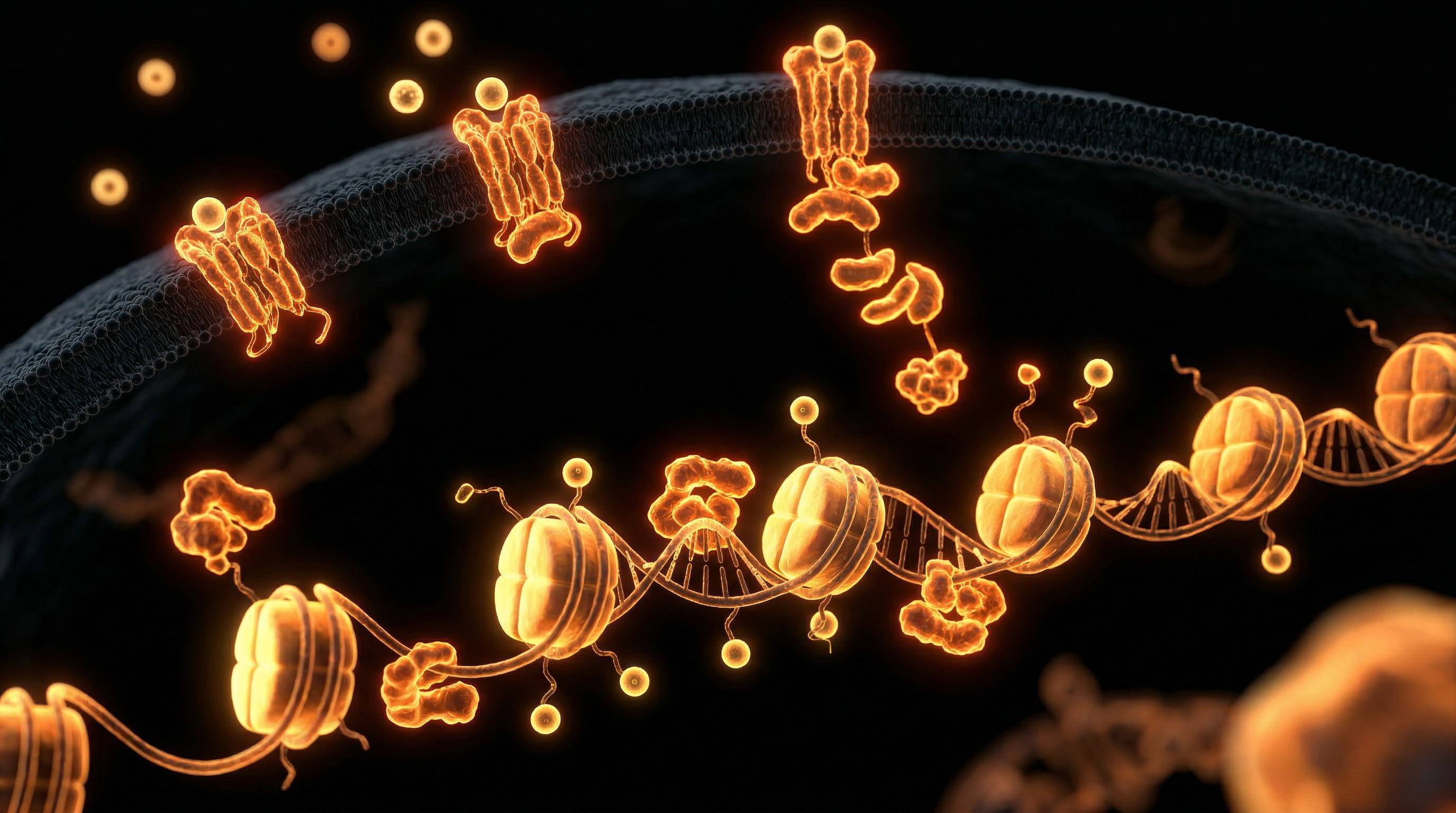
Equally critical is the post-translational modification of histone proteins. DNA does not float freely; it is coiled around histone octamers to form nucleosomes. The accessibility of this DNA is dictated by the "histone code"—a series of chemical alterations to the N-terminal tails of these proteins, including acetylation, methylation, phosphorylation, and ubiquitination. For instance, the addition of acetyl groups by histone acetyltransferases (HATs) neutralises the positive charge of histones, weakening their affinity for negatively charged DNA. This results in an open, transcriptionally active state known as euchromatin. Conversely, histone deacetylases (HDACs) remove these groups, causing the chromatin to condense into heterochromatin, thereby sequestering the genetic code from the cellular machinery.
Lastly, the emergence of non-coding RNAs, particularly microRNAs (miRNAs), has revolutionised our understanding of post-transcriptional regulation. These small RNA molecules do not code for proteins but instead bind to messenger RNA (mRNA) transcripts, either targeting them for degradation or inhibiting their translation. This provides a rapid-response system for the cell to modulate protein synthesis in real-time based on environmental cues. Systemic impacts are far-reaching; for example, UK-based longitudinal studies have demonstrated that maternal nutrition and early-life environment can "programme" the epigenome of the foetus, altering the expression of the IGF2 gene and predisposing the individual to metabolic syndromes in adulthood. This biological truth exposes the reality that we are not merely products of our inheritance, but active participants in a dynamic, environmental feedback loop that determines our phenotypic destiny.
Mechanisms at the Cellular Level
To achieve a comprehensive INNERSTANDIN of biological plasticity, one must move beyond the reductionist view of the genome as a static hard drive. Instead, the cell operates through a sophisticated regulatory layer—the epigenome—which acts as a dynamic interface between the fixed genetic code and the fluctuating external environment. At the cellular level, this reprogramming is orchestrated via three primary, interconnected mechanisms: DNA methylation, histone modification, and the regulatory influence of non-coding RNAs (ncRNAs).
DNA methylation remains the most extensively studied epigenetic mark, involving the covalent addition of a methyl group to the 5' carbon of the cytosine ring, typically within CpG dinucleotides. This process is catalysed by a family of enzymes known as DNA methyltransferases (DNMTs). In the context of gene silencing, dense methylation within promoter regions (CpG islands) recruits methyl-CpG-binding domain proteins (MBDs), which in turn attract chromatin-remodelling complexes. Research published in Nature Genetics and supported by UK-based initiatives like the BluePrint Epigenome Project demonstrates that these methyl marks are not merely structural; they are responsive. Environmental stimuli—ranging from dietary folate levels, which provide the necessary methyl donors via the one-carbon metabolism pathway, to chronic oxidative stress—can lead to site-specific hypermethylation or global hypomethylation, fundamentally altering cellular identity and predisposing the organism to oncogenesis or metabolic dysfunction.
Complementing this is the "Histone Code," a complex system of post-translational modifications (PTMs) occurring on the N-terminal tails of histone proteins. The nucleosome—comprising 147 base pairs of DNA wrapped around an octamer of histones (H2A, H2B, H3, and H4)—is subject to acetylation, methylation, phosphorylation, and ubiquitination. Histone acetyltransferases (HATs) append acetyl groups to lysine residues, neutralising their positive charge and weakening the electrostatic bond between the histone and the negatively charged DNA backbone. This results in an open chromatin configuration (euchromatin), facilitating the recruitment of the transcriptional machinery. Conversely, histone deacetylases (HDACs) remove these groups, inducing chromatin condensation (heterochromatin) and transcriptional repression. Longitudinal data from the Avon Longitudinal Study of Parents and Children (ALSPAC) has highlighted how early-life adversity and environmental toxins can "lock" these histone states, creating persistent inflammatory phenotypes that span decades.
Finally, the emergence of non-coding RNAs, particularly microRNAs (miRNAs) and long non-coding RNAs (lncRNAs), adds a post-transcriptional layer of epigenetic control. These molecules do not code for proteins but instead act as guides or decoys that modulate gene expression by targeting messenger RNA (mRNA) for degradation or interfering with the translation process. The systemic impact of these mechanisms is profound; they represent a molecular memory of the environment. When the cell encounters exogenous stressors—be they British urban air pollutants or endocrine-disrupting chemicals—these epigenetic "writers," "erasers," and "readers" undergo stochastic and directed shifts. The result is a reprogrammed cellular state where the hardware of the DNA remains unchanged, but the software of gene expression is radically altered, dictating the narrow boundary between health and systemic pathology.
Environmental Threats and Biological Disruptors
The anthropogenic landscape of the 21st century has introduced a plethora of xenobiotic insults that bypass primary physiological barriers to exert profound regulatory shifts at the chromatin level. This phenomenon, termed "toxic epigenomics," represents a paradigm shift in our INNERSTANDIN of how external stressors precipitate chronic disease states. Unlike classical mutagenesis, which alters the primary DNA sequence, environmental disruptors catalyse stable, often heritable, alterations in gene expression via the modulation of DNA methylation, histone post-translational modifications, and the dysregulation of non-coding RNA (ncRNA) profiles.
Chief among these biological disruptors are Endocrine Disrupting Chemicals (EDCs), such as bisphenol A (BPA) and phthalates, which are pervasive in UK consumer supply chains. Research published in The Lancet Diabetes & Endocrinology highlights that EDCs act as molecular mimics, interfering with nuclear receptor signalling. Mechanistically, these compounds frequently induce site-specific hypomethylation of promoter regions associated with metabolic and reproductive pathways. For instance, BPA exposure has been linked to the inhibition of DNA methyltransferases (DNMTs), specifically DNMT1 and DNMT3B, leading to the aberrant activation of genes that would otherwise remain silenced. This molecular scarring creates a "cellular memory" of exposure that can persist long after the initial toxin has been metabolised.
Furthermore, heavy metal toxicity—notably involving lead, cadmium, and arsenic—exerts a deleterious influence on the epigenetic machinery. Arsenic, a known carcinogen, functions as a methyl-group scavenger. By depleting the pool of S-adenosylmethionine (SAM), the universal methyl donor, arsenic indirectly induces global DNA hypomethylation. Concurrently, it facilitates the hypermethylation of tumour suppressor genes, such as p16 and MLH1, effectively disabling the cell’s intrinsic anti-oncogenic defences. In the UK context, legacy industrial pollution and aging infrastructure remain significant sources of low-level chronic exposure, contributing to an insidious epigenetic load across urban populations.
The impact of atmospheric pollutants, particularly Nitrogen Dioxide ($NO_2$) and Particulate Matter (PM2.5), presents another critical vector for epigenetic reprogramming. Data from PubMed-indexed longitudinal studies indicate that inhalation of these particulates triggers systemic inflammatory cascades that alter the activity of histone acetyltransferases (HATs) and deacetylases (HDACs). This shift in the "histone code" leads to a relaxed chromatin structure in pro-inflammatory cytokine genes, such as TNF-α and IL-6, predisposing individuals to chronic obstructive pulmonary disease (COPD) and cardiovascular dysfunction. At INNERSTANDIN, we recognise that these environmental threats do not merely damage cells; they rewrite the biological software, creating a transgenerational legacy of vulnerability that necessitates a radical reassessment of public health and preventive molecular biology.
The Cascade: From Exposure to Disease
The transition from an environmental stimulus to a clinical phenotype is not a linear event but a complex biochemical transduction, where external signals are translated into stable, though reversible, alterations in gene expression. At INNERSTANDIN, we scrutinise this regulatory logic, moving beyond the reductive "nature versus nurture" dichotomy to expose the molecular mechanisms by which the environment acts as a primary architect of the genome’s functional state. This cascade begins with the sensing of environmental stressors—ranging from anthropogenic pollutants to chronic psychosocial stress—which triggers a systemic shift in the cellular metabolic flux.
At the core of this transduction are the "writers," "erasers," and "readers" of the epigenetic code. When an individual is exposed to urban particulate matter (PM2.5), a prevalent concern in UK metropolitan hubs, it induces a state of chronic oxidative stress. This physiological insult alters the availability of methyl donors, specifically S-adenosylmethionine (SAM), the universal substrate for DNA methyltransferases (DNMTs). Research published in The Lancet Planetary Health suggests that such exposures lead to the site-specific hypermethylation of CpG islands within the promoter regions of tumour suppressor genes, such as p16INK4a. This effectively "silences" the gene, bypassing the cell’s innate anti-proliferative safeguards and initiating the primary stage of oncogenesis.
Simultaneously, the cascade involves the covalent modification of histone tails. Environmental toxins often disrupt the equilibrium between histone acetyltransferases (HATs) and histone deacetylases (HDACs). For instance, endocrine-disrupting chemicals (EDCs), found in various industrial applications, can mimic endogenous ligands, leading to the recruitment of HDACs to loci governing metabolic homeostasis. This results in a condensed chromatin structure (heterochromatin) that precludes the binding of transcriptional machinery, a mechanism increasingly linked to the rise of Type 2 Diabetes and metabolic syndrome within the UK population.
The systemic impact is further amplified by non-coding RNAs, particularly microRNAs (miRNAs), which act as post-transcriptional rheostats. Evidence from the UK Biobank highlights how early-life adversity—the "Barker Hypothesis" or Developmental Origins of Health and Disease (DOHaD)—reprograms the hypothalamic-pituitary-adrenal (HPA) axis through the epigenetic regulation of the glucocorticoid receptor gene (NR3C1). This molecular scarring results in a lifelong predisposition to inflammatory disorders and neurodegenerative conditions. By the time a disease manifests clinically, the underlying epigenetic landscape has often been undergoing deleterious remodelling for decades. At INNERSTANDIN, we assert that understanding this cascade is the only way to move from reactive medicine to a proactive, evidence-led paradigm of biological sovereignty. The environment does not merely surround us; through these precise enzymatic cascades, it becomes us.
What the Mainstream Narrative Omits
While the public discourse surrounding epigenetics often gravitates towards the empowering notion of individual agency—suggesting that a simple shift in nutrition or mindfulness can 'flip a switch' on one's genetic destiny—this reductionist perspective ignores the far more insidious reality of biochemical determinism and transgenerational liability. At INNERSTANDIN, we must dissect the overlooked mechanisms of chromatin remodelling that occur far beyond the reach of casual lifestyle adjustments.
The mainstream narrative frequently fails to account for the persistence of 'metabolic memory' and the longitudinal impact of the 'exposome.' Research published in The Lancet Diabetes & Endocrinology highlights that epigenetic signatures, particularly those relating to DNA methylation at CpG islands, can be established in utero and during early postnatal development, creating a physiological 'hard-wiring' that dictates metabolic set-points for decades. In the United Kingdom, data from the ALSPAC (Avon Longitudinal Study of Parents and Children) cohort has demonstrated that environmental insults—ranging from maternal psychosocial distress to nitrogen dioxide exposure in urban centres—induce specific methylomic shifts in the F1 generation that are remarkably resistant to subsequent intervention. These are not 'temporary' states; they are fundamental alterations to the accessibility of the genetic code.
Furthermore, the role of non-coding RNAs (ncRNAs), specifically microRNAs and long non-coding RNAs (lncRNAs), as mediators of systemic epigenetic communication is routinely sidelined. These molecules do not merely exist within the cell; they are packaged into exosomes and circulated systemically, effectively 'reprogramming' distant tissues. Evidence from peer-reviewed studies suggests that these ncRNAs can bypass the Weismann barrier, facilitating transgenerational epigenetic inheritance (TEI). This means that the environmental exposures of a grandfather—such as endocrine-disrupting chemicals found in legacy industrial sites across the British Midlands—can manifest as altered insulin sensitivity or altered HPA-axis reactivity in his grandchildren, regardless of their own lifestyle choices.
This 'epigenetic debt' is a facet of cellular biology that the mainstream prefers to ignore because it shifts the focus from individual responsibility to systemic environmental toxicity and historical bio-accumulation. The molecular reality involves a complex interplay between DNA methyltransferases (DNMTs), histone acetyltransferases (HATs), and the ATP-dependent chromatin remodelling complexes like SWI/SNF. When these enzymes are hijacked by persistent organic pollutants (POPs) or heavy metals, the resulting 'epimutations' create a state of chronic cellular dysregulation. To achieve true INNERSTANDIN, one must recognise that our methylome is not merely a flexible template, but a biological ledger recording the chemical and emotional traumas of our ancestors.
The UK Context
In the United Kingdom, the intersection of socioeconomic stratification and molecular biology has become a focal point for understanding the persistent health inequalities that define the national landscape. Research emerging from the Avon Longitudinal Study of Parents and Children (ALSPAC), often referred to as 'Children of the 90s', has provided granular evidence that the British environment—characterised by specific dietary patterns, urban pollutants, and psychosocial stressors—induces distinct epigenetic signatures before birth. At the core of this biological reprogramming is DNA methylation (5-mC), specifically at CpG islands within promoter regions, which acts as a rheostat for gene expression. In the UK context, the 'Barker Hypothesis' or the Developmental Origins of Health and Disease (DOHaD), pioneered by British epidemiologist David Barker, serves as the foundational framework for INNERSTANDIN’s exploration into how systemic deprivation is etched into the methylome.
Peer-reviewed data published in The Lancet Public Health and Nature Communications highlight that individuals residing in post-industrial regions of Northern England and the Scottish Central Belt exhibit accelerated biological ageing, or 'epigenetic drift', compared to their counterparts in more affluent southern counties. This is not merely a statistical correlation but a causal biological pathway involving the HPA axis; chronic exposure to the UK’s socioeconomic 'allostatic load' triggers hypermethylation of the NR3C1 gene, which encodes the glucocorticoid receptor. This molecular scarring blunts the feedback loop of the stress response, predisposin’ populations to metabolic syndrome, type 2 diabetes, and cardiovascular pathologies long before clinical symptoms manifest.
Furthermore, the UK’s unique longitudinal cohorts have revealed that transgenerational epigenetic inheritance is a tangible reality within the British Isles. Maternal nutrient status—often dictated by the availability of processed foods in 'food deserts'—influences the acetylation of histones H3 and H4 in the developing foetus. This biochemical modulation alters the chromatin architecture, effectively 'locking' certain metabolic genes into a state of low expression. At INNERSTANDIN, we recognise these findings as proof that the British environment is a potent mutagen of the epigenome. The data suggest that the UK's historical and contemporary social structures are not merely external frameworks but are internally metabolised, resulting in a phenotypic plasticity that can perpetuate cycles of ill-health across generations. The molecular truth is clear: the British postcode is written into the British genome through the subtle, yet uncompromising, language of methyl groups and histone tails.
Protective Measures and Recovery Protocols
To mitigate the deleterious effects of environmental "insults" and facilitate the restoration of homeostatic gene expression, we must focus on the biochemical recalibration of the epigenome through targeted nutritional, lifestyle, and pharmacological interventions. At the core of INNERSTANDIN’s research into cellular recovery is the modulation of the methyl-donor pool. DNA methylation, primarily occurring at CpG islands, is dependent on the availability of S-adenosylmethionine (SAMe). Research published in The Lancet and various Nature journals highlights that deficiencies in folate, vitamin B12, and choline can lead to global hypomethylation, potentially activating oncogenes or silencing tumour-suppressor genes. Recovery protocols prioritising these methyl donors, alongside bioactive polyphenols like epigallocatechin gallate (EGCG) from green tea and sulforaphane from cruciferous vegetables, have demonstrated a profound ability to inhibit DNA methyltransferases (DNMTs) and histone deacetylases (HDACs). This enzymatic inhibition facilitates the reopening of condensed chromatin, allowing for the re-expression of genes vital for DNA repair and metabolic regulation.
Physical exercise serves as a potent epigenetic "remodeller." Data from the UK Biobank and King's College London suggests that acute and chronic aerobic exercise induces rapid hypomethylation of the PGC-1α promoter in skeletal muscle, a master regulator of mitochondrial biogenesis. This systemic shift enhances metabolic flexibility and mitigates the epigenetic "scars" left by sedentary lifestyles and high-calorie Western diets. Furthermore, recovery must address the HPA-axis (hypothalamic-pituitary-adrenal) through the lens of the NR3C1 gene. Chronic stress-induced hypermethylation of the glucocorticoid receptor gene NR3C1 reduces cortisol sensitivity, trapping the organism in a pro-inflammatory state. Evidence-led protocols involving cognitive behavioural therapy (CBT) and intensive mindfulness-based stress reduction (MBSR) have shown the capacity to "reset" these methylation patterns, effectively lowering the systemic inflammatory burden and restoring neuro-epigenetic health.
From a UK-specific research perspective, the Babraham Institute has pioneered work on the "erasure" of epigenetic marks during developmental windows, but the implications for adult recovery are significant. The use of "epigenetic diets"—rich in methyl-group precursors and sirtuin activators—aims to combat the accelerated "epigenetic clock" (Horvath’s clock) associated with biological ageing and environmental toxicity. By optimising the NAD+/NADH ratio, we can drive the activity of SIRT1, a histone deacetylase that promotes genomic stability and longevity. True cellular recovery, therefore, is not merely the absence of disease but the active, evidence-led maintenance of chromatin accessibility. To achieve true INNERSTANDIN of these processes, one must recognise that while the environment may write the initial script, the biochemical environment we curate provides the tools for systematic revision and cellular sovereignty.
Summary: Key Takeaways
The synthesis of contemporary molecular biology, as curated by INNERSTANDIN, reveals that the human genome is not a rigid architectural blueprint but a highly plastic, reactive substrate modulated by the epigenome. At the core of this regulatory architecture lies a tripartite mechanistic system: DNA methylation—primarily at CpG islands mediated by DNA methyltransferases (DNMTs)—covalent histone tail modifications, and the regulatory interference of non-coding RNAs (ncRNAs). Evidence from the UK Biobank and longitudinal cohorts published in The Lancet demonstrates that environmental stressors, ranging from nutritional insufficiency to endocrine-disrupting pollutants, trigger enzymatic responses that fundamentally alter chromatin accessibility. These biochemical shifts do not merely impact localized cellular function; they orchestrate systemic phenotypes, influencing the risk trajectories for metabolic syndrome, neurodegenerative disorders, and oncological progression through aberrant gene silencing or activation.
Furthermore, research conducted by institutions such as the Medical Research Council (MRC) underscores the reality of transgenerational epigenetic inheritance, where environmental 'scars' are propagated through the germline, influencing the health of subsequent generations. This data exposes the biological truth that our physiological fate is a dynamic interplay between inherited sequences and environmental instruction. The takeaway is absolute: lifestyle and environment are not peripheral to health; they are the primary architects of the molecular landscape. Through the lens of INNERSTANDIN, we recognise that epigenetics bridges the gap between nature and nurture, necessitating a radical reappraisal of preventative medicine and the systemic impact of the modern environment on the human bioterrain.
This article is provided for informational and educational purposes only. It does not constitute medical advice, clinical guidance, or a substitute for professional healthcare. Information reflects cited research at time of publication. Always consult a qualified healthcare professional before acting on any health information.
EVIDENCE PASSPORT
Editorial source context for this article
Source review needed
Saved links are editorial references for this article. They may support specific claims rather than every sentence. Open and assess each source in context. This passport does not independently verify them.
Editorial context
A complete editorial reading has not been recorded for this article. Source links remain available for you to open and assess directly.
Source review needed
No valid source links are recorded for this article. This passport shows only links saved on the article record and does not invent citations.
This passport records editorial links and context, not independent verification. Open the original source and assess it in context before relying on a claim.
Medical Disclaimer
The information in this article is for educational purposes only and does not constitute medical advice, diagnosis, or treatment. Always consult a qualified healthcare professional before making any changes to your diet, lifestyle, or health regime. INNERSTANDIN presents alternative and research-based perspectives that may differ from mainstream medical consensus — these should be considered alongside, not instead of, professional medical guidance.
Read Full DisclaimerContinue the thread
Keep this question moving.
Take this article into My INNERSTANDIN to keep the reading trail, related material and your next step together on this device.
Dig deeper in the Library
Free, longform PDF volumes that go beyond headlines into mechanisms and references.