All INNERSTANDIN content is for educational purposes only — not medical advice, diagnosis or treatment. Full Disclaimer →

    BACK TO DATABASE
    TAGGED RESEARCH

    #gene expression

    17TRANSMISSIONS FOUND
    E
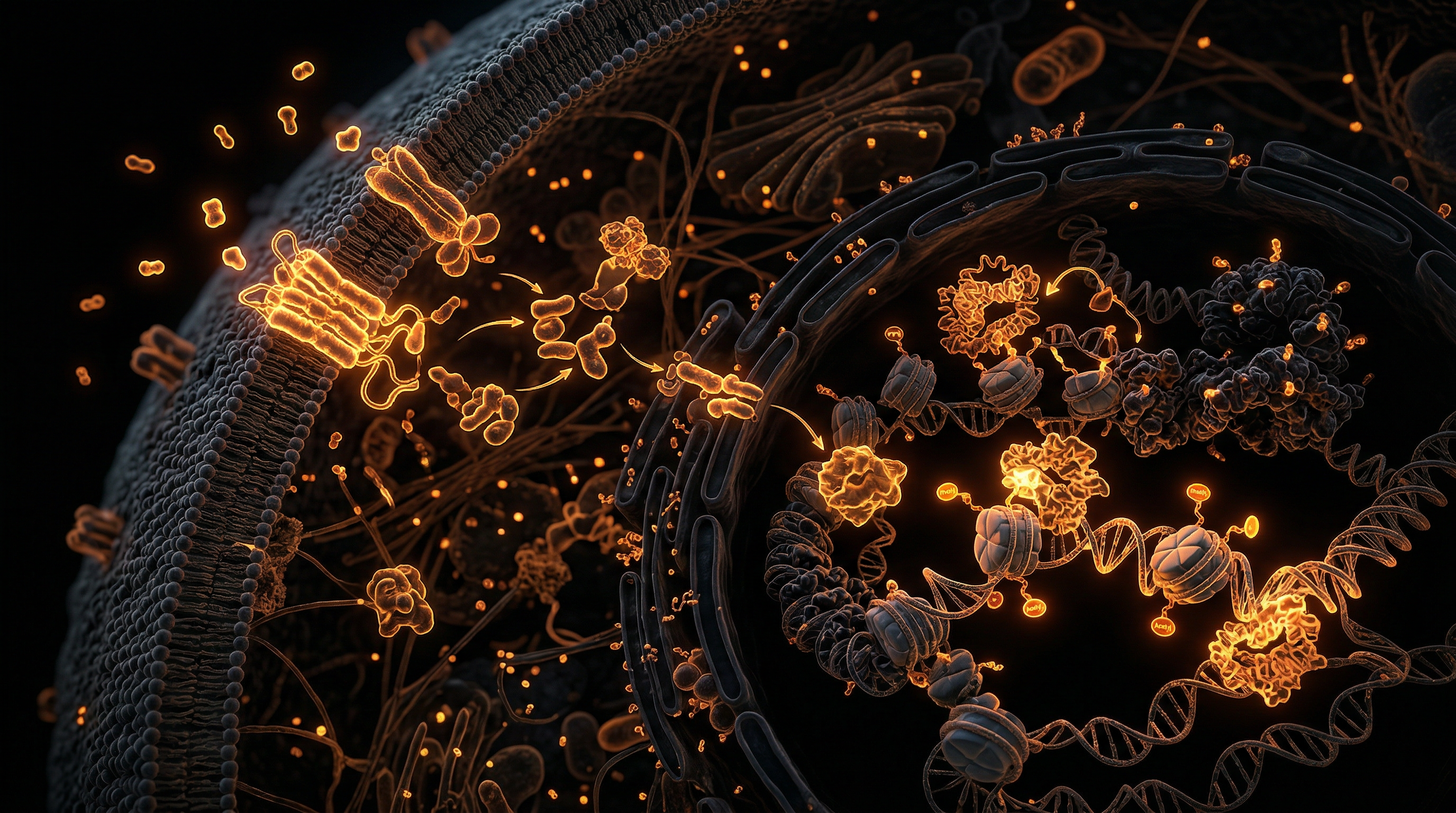
    Scientific illustration for Epigenetics: How Your Environment Reprograms Your Genes
    Cellular Biology
    14 MIN READ

    Epigenetics: How Your Environment Reprograms Your Genes

    Epigenetics — the study of heritable changes in gene expression that do not involve alterations to the DNA sequence itself — has fundamentally transformed our understanding of the relationship between genes, environment, and health, demonstrating that our genetic inheritance is not destiny but rather a dynamic landscape continuously sculpted by environmental input. The primary epigenetic mechanisms — DNA methylation, histone modification, and non-coding RNA regulation — act as molecular switches that silence or activate gene expression in response to diet, toxin exposure, psychological experience, social environment, and physical stress, with effects that can persist across multiple generations through a process called transgenerational epigenetic inheritance. This means that the toxic environmental exposures of today — heavy metals, pesticides, endocrine disruptors, and nutritional deficiencies — do not merely harm the individual exposed but may alter the epigenetic programming of their children and grandchildren, creating intergenerational biological consequences that conventional genetics entirely fails to capture.

    #epigenetics#DNA methylation
    D
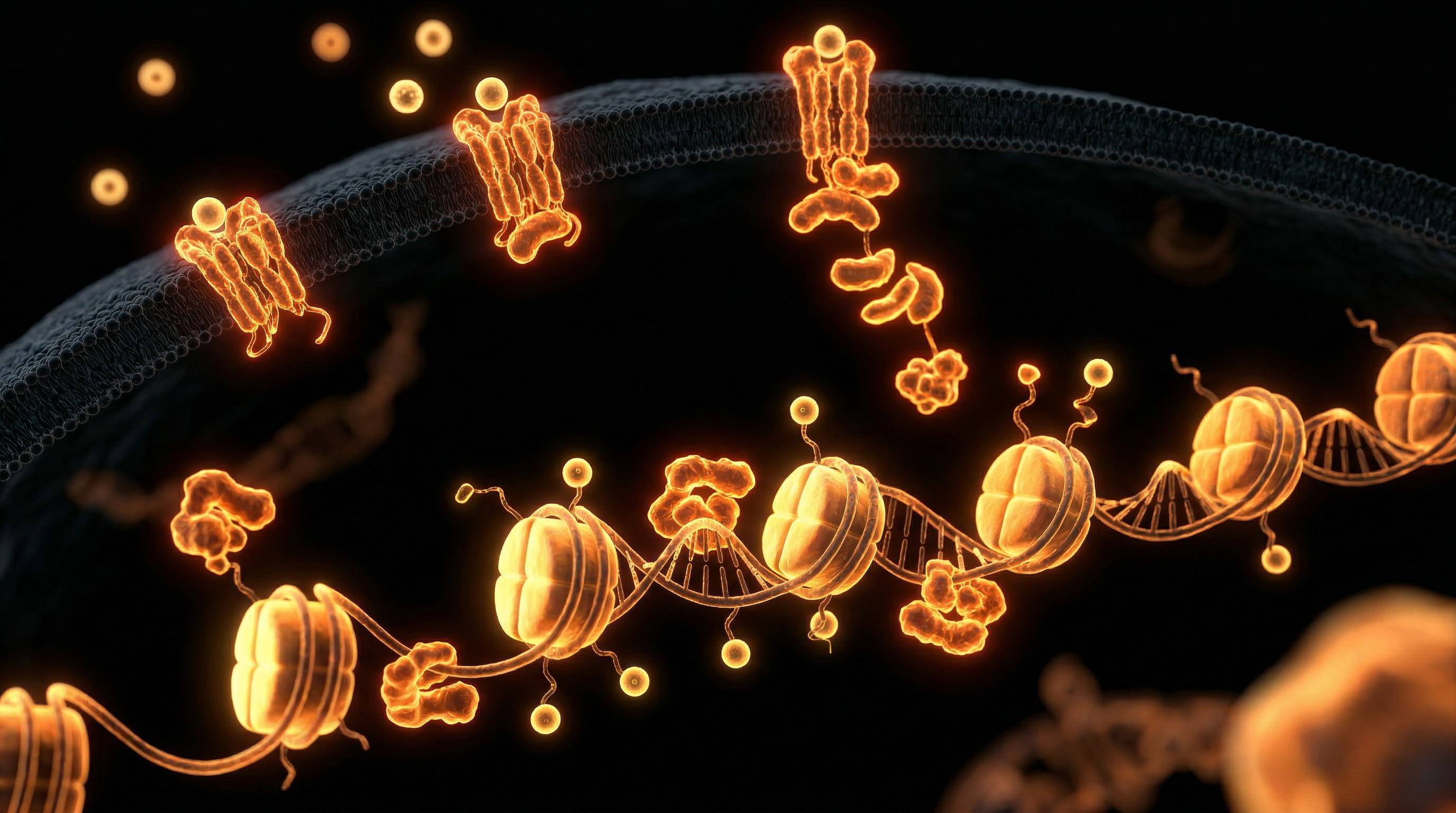
    Scientific illustration for DNA Methylation: How Your Environment Rewrites Your Genes
    Cellular Biology
    15 MIN READ

    DNA Methylation: How Your Environment Rewrites Your Genes

    DNA methylation — the addition of a methyl group to cytosine residues in the genome by DNA methyltransferase enzymes — is the primary epigenetic mechanism by which environmental exposures, nutritional status, and psychological stress rewrite gene expression without altering the DNA sequence itself, with consequences that can persist across multiple generations through transgenerational epigenetic inheritance. Heavy metals including arsenic, cadmium, and nickel disrupt methylation patterns, silencing tumour suppressor genes and activating oncogenes; BPA and other xenoestrogens alter oestrogen-responsive gene methylation; and chronic folate or B12 deficiency depletes the methyl donor pool required to maintain appropriate methylation homeostasis. The emerging field of epigenetics fundamentally overturns the genetic determinism that has dominated medicine and absolves the pharmaceutical industry of responsibility for the chemical drivers of modern disease.

    #epigenetics#DNA methylation