
Epigenetic Scars: How Toxins Rewrite the Immune Blueprint
Updated May 2026
Environmental toxins can leave lasting epigenetic marks on thymic progenitor cells. This study shows how UK pollution levels are altering the gene expression of the next generation's immune systems.
Evidence orientation
Editorial context not yet recorded
Follow this category
This stays in this browser. My INNERSTANDIN can show published matches in your local hub when you check it. It does not send email, push, or alert notifications.
Local learning review
A private browser aid for revisiting ideas. It is not an alert or a health recommendation.
Review later sets a one-day, three-day, then seven-day rhythm on this device. Choose it only when you want to revisit this article.
Overview
In the quiet architecture of the upper chest lies a small, pyramid-shaped organ that dictates the lifespan and efficacy of the human immune system: the Thymus Gland. Long dismissed by mid-20th-century medicine as a vestigial organ that withers after puberty, we now recognise the thymus as the "Master Schoolmaster" of the body’s defences. However, a silent crisis is unfolding within its delicate tissue. We are witnessing the emergence of epigenetic scars—molecular inscriptions left by an increasingly toxic environment that are effectively rewriting the immune blueprint of the modern population.
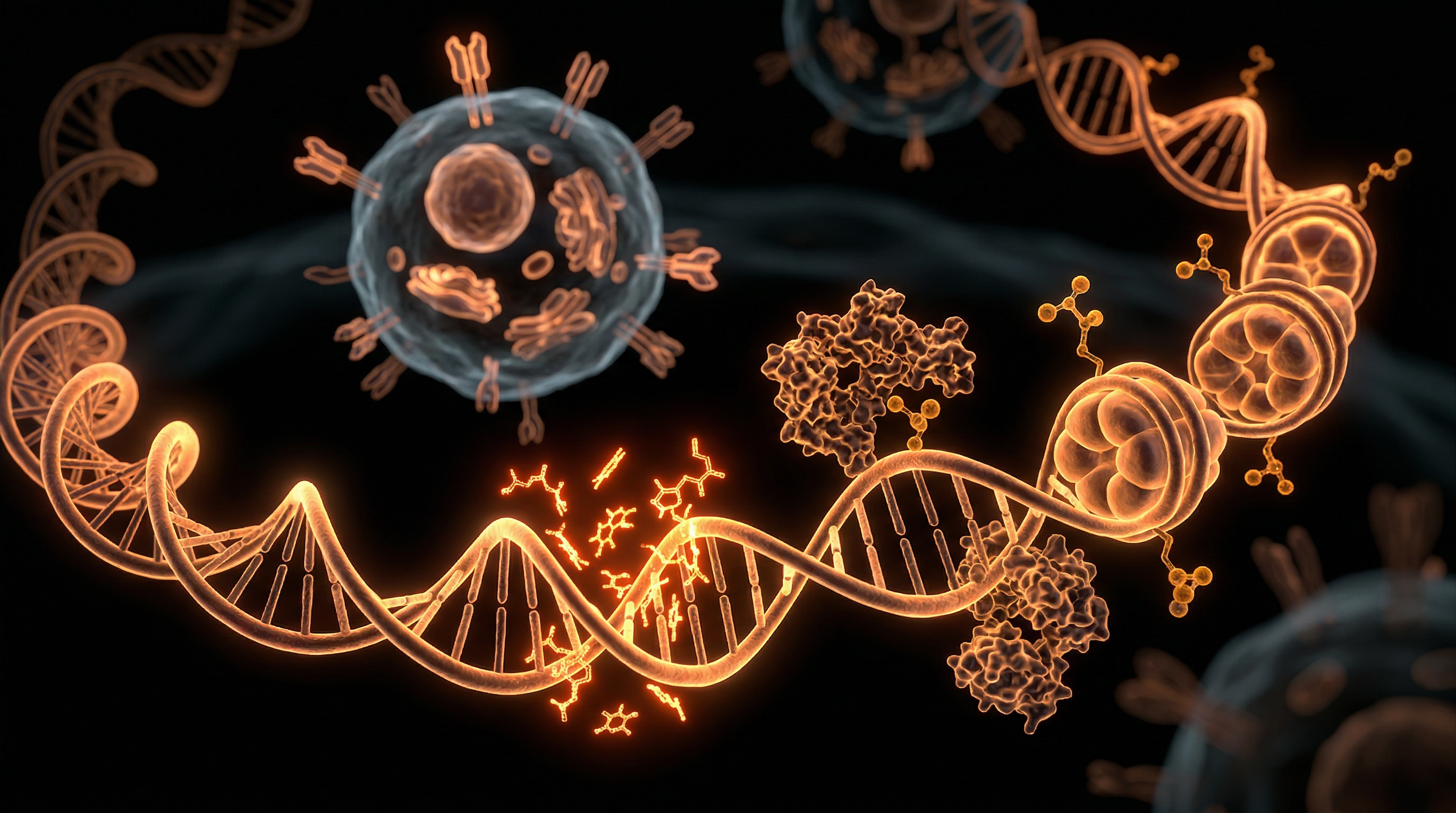
For decades, the mainstream scientific community focused on genetic mutations—permanent changes to the DNA sequence—as the primary driver of disease. Yet, recent breakthroughs in environmental epigenetics have revealed a more insidious mechanism. Toxins do not always need to break the DNA strand to cause havoc; instead, they alter the "switches" that determine which genes are turned on or off. In the context of the thymus, these alterations occur at the level of thymic progenitor cells, the ancestral cells responsible for producing our entire repertoire of T-lymphocytes.
This article explores the harrowing reality of how UK pollution levels, industrial chemicals, and endocrine disruptors are inducing premature immunosenescence (immune ageing). We are moving beyond the concept of "seasonal flu" and into an era where the very foundation of our biological resilience is being eroded before we even reach adulthood. The following sections will detail the biochemical pathways of this disruption, the specific pollutants driving the UK’s immune crisis, and the suppressed reality of how our industrial "progress" is mortgaging the health of the next generation.
Fact: The thymus is the first organ to show signs of ageing in humans. Under modern toxic loads, thymic involution—the process of the organ shrinking and turning to fat—is now occurring significantly faster than it did in the pre-industrial era.
The Biology — How It Works
To understand how a toxin "rewrites" a blueprint, one must understand the difference between the genome and the epigenome. If the genome is the hardware of a computer, the epigenome is the software that tells the hardware what to do. The thymus is the primary site for T-cell maturation. Progenitor cells migrate from the bone marrow to the thymus, where they undergo a rigorous "education" to distinguish between "self" and "non-self."
The Epigenetic Language
The primary mechanisms of epigenetic regulation include:
- DNA Methylation: The addition of a methyl group to the DNA molecule, typically acting as a "silencer" for specific genes.
- Histone Modification: Changes to the proteins (histones) around which DNA wraps, affecting how tightly or loosely the genetic instructions are packed.
- Non-coding RNAs: Molecules that intercept and degrade messages before they can be translated into proteins.
In a healthy thymus, these mechanisms ensure that T-cells are programmed to attack pathogens while ignoring the body's own tissues. However, xenobiotics—foreign chemical substances—interfere with these processes. When a pregnant woman or a young child is exposed to heavy metals or volatile organic compounds (VOCs), these substances act as "molecular grit," jamming the epigenetic machinery.
The Role of the AIRE Gene
Central to this process is the Autoimmune Regulator (AIRE) gene. AIRE is responsible for expressing thousands of "self-proteins" within the thymus so that developing T-cells can learn to recognise them. Environmental toxins have been shown to hyper-methylate the AIRE promoter region, effectively silencing the gene. When AIRE is silenced, T-cells graduate from the thymus without knowing what "self" looks like, leading directly to the explosion of autoimmune conditions seen across the UK today.
Mechanisms at the Cellular Level
The damage begins in the Thymic Epithelial Cells (TECs) and the Hematopoietic Stem Cells (HSCs). These cells are highly sensitive to their chemical microenvironment. When toxins enter the bloodstream, they cross the blood-thymus barrier—a barrier that is far more permeable than previously believed.
Oxidative Stress and the Nrf2 Pathway
Most environmental toxins induce oxidative stress by generating reactive oxygen species (ROS). Under normal conditions, the body uses the Nrf2 pathway to trigger antioxidant defences. However, chronic exposure to UK urban pollutants like Nitrogen Dioxide (NO2) and Particulate Matter (PM2.5) causes a state of "exhaustion" in this pathway.
- High ROS levels lead to the oxidation of DNA bases (such as 8-oxoguanine).
- This interference prevents DNA Methyltransferases (DNMTs) from binding correctly.
- The result is a chaotic methylation pattern that creates "epigenetic noise," where the cell no longer knows its identity or function.
The Aryl Hydrocarbon Receptor (AhR) Pathway
Many industrial toxins, specifically dioxins and polychlorinated biphenyls (PCBs), bind to the Aryl Hydrocarbon Receptor (AhR). The AhR is a ligand-activated transcription factor that is highly expressed in the thymus. When toxins hijack the AhR:
- They force the receptor into the nucleus.
- The receptor binds to DNA at specific sites called Xenobiotic Response Elements (XREs).
- This triggers the expression of genes that promote apoptosis (cell death) in developing T-cells.
- Simultaneously, it inhibits the differentiation of Regulatory T-cells (Tregs), which are the "peacekeepers" of the immune system.
Statistic: Studies have indicated that exposure to AhR-binding toxins can reduce the output of new T-cells from the thymus by as much as 40%, effectively ageing a child’s immune system by decades.
Environmental Threats and Biological Disruptors
The UK landscape is saturated with specific biological disruptors that target the thymic blueprint. While the government focuses on carbon emissions, the immunotoxicological impact of these substances remains largely sidelined in public discourse.
Particulate Matter (PM2.5) and the Urban Lung-Immune Axis
In cities like London, Manchester, and Birmingham, PM2.5 levels frequently exceed WHO guidelines. These microscopic particles are small enough to enter the lymphatic system and reach the thymus. They carry heavy metals like Cadmium and Lead, which are potent epigenetic modifiers. Cadmium, in particular, mimics essential minerals like Zinc, which is a critical co-factor for Thymulin, a hormone required for T-cell differentiation.
Endocrine Disrupting Chemicals (EDCs)
The thymus is an endocrine-sensitive organ. Substances like Bisphenol A (BPA) and Phthalates, common in UK food packaging and water supplies, act as "oestrogen mimics."
- These EDCs bind to oestrogen receptors in the thymus.
- Oestrogen signalling is one of the primary drivers of natural thymic involution.
- By mimicking this signal, EDCs trigger "premature involution," causing the thymus to shrink and lose functionality in children as young as five or six.
PFAS: The "Forever Chemicals"
Per- and polyfluoroalkyl substances (PFAS) are now ubiquitous in the UK water table. These chemicals are exceptionally stable and bioaccumulative. Research suggests that PFAS interfere with the peroxisome proliferator-activated receptors (PPARs), which are essential for lipid metabolism within the thymus. When PPAR signalling is disrupted, the thymic microenvironment becomes "fatty" prematurely, a hallmark of an aged immune system.
The Cascade: From Exposure to Disease
The rewriting of the immune blueprint does not result in immediate illness; rather, it sets the stage for a cascade of failure later in life. This is the concept of the "Epigenetic Time Bomb."
1. The Loss of Naive T-cells
The primary output of the thymus is "naive" T-cells—cells that haven't encountered a pathogen yet and are ready to learn. As epigenetic scars reduce thymic output, the body is forced to rely on Memory T-cells that have already been assigned to specific past infections. This creates a "hole" in the immune repertoire, leaving the individual highly vulnerable to new, emerging viruses.
2. Chronic Low-Grade Inflammation (Inflammaging)
When the thymus fails to produce enough Tregs, the immune system loses its ability to "turn off." This results in a state of chronic, low-grade systemic inflammation. This inflammation is not just an effect of disease; it is the cause of cardiovascular disease, neurodegeneration, and metabolic syndrome.
3. Cancer Surveillance Failure
One of the most critical roles of T-cells is immunosurveillance—the ability to identify and destroy "self" cells that have turned cancerous. Epigenetic silencing of T-cell activation genes in the thymus means that the "special forces" required to hunt cancer cells are either never produced or are born "exhausted." This explains the rising rates of early-onset cancers in populations exposed to high industrial pollution.
Important Callout: The "epigenetic scar" is often transgenerational. Evidence suggests that the epigenetic state of a mother’s immune system can be "imprinted" on the foetus, meaning the child is born with an immune blueprint already compromised by the mother’s environmental exposures.
What the Mainstream Narrative Omits
The conversation regarding pollution in the UK is largely sanitised. We hear about "respiratory health" and "asthma," but we rarely hear about Epigenetic Immunotoxicity. There are several reasons for this omission:
The "Cocktail Effect" is Ignored
Regulatory bodies in the UK and EU typically test chemicals in isolation. However, humans are never exposed to just one toxin. We live in a "chemical soup." The mainstream narrative ignores the synergistic effects where Toxin A may not be methylating DNA at a high rate, but in the presence of Toxin B, its potency increases tenfold. The current safety limits for pollutants are based on outdated models that do not account for epigenetic sensitivity.
The Economic Cost of Acknowledgment
If the UK government were to admit that current levels of NO2 and PFAS are fundamentally altering the genetic expression of the next generation's immune systems, the legal and economic ramifications would be tectonic. It would necessitate a total overhaul of the industrial, agricultural, and urban planning sectors. It is far more "cost-effective" to treat the resulting autoimmune diseases and cancers as "lifestyle-related" or "unexplained" than to address the epigenetic root cause.
The Focus on "Symptom Management"
The pharmaceutical industry thrives on the cascade. A compromised thymus leads to chronic inflammation, which leads to a lifetime of dependency on biologics, immunosuppressants, and anti-inflammatories. There is no profit in "Epigenetic Restoration" or environmental purification. By focusing the narrative on "finding a cure" for specific diseases, the systemic destruction of the immune blueprint is kept in the shadows.
The UK Context
The United Kingdom presents a unique and troubling case study for thymic epigenetic scarring. As the birthplace of the Industrial Revolution, the UK has a "legacy load" of environmental toxins that few other nations possess.
The Legacy of the "Black Country" and Northern Industry
In regions like the West Midlands and the North of England, the soil and groundwater remain contaminated with heavy metals from the 19th and 20th centuries. These "legacy toxins" are being re-mobilised by modern construction and flooding, entering the food chain and contributing to what researchers call "ancestral epigenetic baggage."
The London Air Crisis
London’s air quality is among the most monitored yet persistently toxic in the developed world. The high density of diesel engines releases high concentrations of Ultrafine Particles (UFPs). Unlike PM2.5, UFPs can travel directly along the olfactory nerve or penetrate the skin, bypassing many of the body's primary filters. Studies on London residents have shown a marked decrease in T-cell Receptor (TCR) diversity, a direct metric of thymic health, compared to rural counterparts.
Post-Brexit Regulatory Divergence
There is growing concern among UK scientists that "Regulatory Divergence" from EU standards could lead to a further influx of immunotoxic substances. As the UK establishes its own chemical regulatory framework (UK REACH), there is immense pressure to lower standards to favor industrial growth, potentially exposing the British public to chemicals that have already been restricted elsewhere due to their epigenetic risks.
Protective Measures and Recovery Protocols
While the situation is dire, the science of epigenetics also offers hope. Unlike genetic mutations, epigenetic marks are—in theory—reversible. Epigenetic Plasticity means that through specific interventions, we can "cleanse" some of the molecular grit from the immune blueprint.
1. Nutritional Epigenetic Modulators
Certain compounds, known as "Methyl Donors" and "HDAC Inhibitors," can help restore healthy gene expression:
- Sulforaphane: Found in broccoli sprouts, this compound is a potent Nrf2 activator. It helps the thymus detoxify ROS and has been shown to protect against AhR-mediated damage.
- EGCG (Green Tea Extract): Acts as a natural DNA methyltransferase inhibitor, helping to "un-silence" genes like AIRE that have been suppressed by toxins.
- Zinc and Selenium: These minerals are essential for the structural integrity of thymic hormones. Supplementation is often necessary in the UK due to mineral-depleted soils.
2. Hormetic Stress and Autophagy
To clear out "scarred" progenitor cells, the body must undergo autophagy—a cellular "self-cleaning" process.
- Intermittent Fasting: Has been shown in clinical trials to trigger the regeneration of the hematopoietic system, essentially "forcing" the bone marrow and thymus to produce a fresh wave of T-cells.
- Cold Exposure: Controlled cold stress (such as cold showers or plunges) increases the metabolic activity of the "brown fat" surrounding the thymus, potentially improving local blood flow and nutrient delivery to the gland.
3. Environmental Remediation
- HEPA and Molecular Air Filtration: Given the impact of PM2.5 on the thymus, high-grade air filtration in the home (specifically in bedrooms) is no longer a luxury but a biological necessity for UK urban dwellers.
- Water Distillation or Reverse Osmosis: To remove PFAS and "forever chemicals" that standard charcoal filters miss.
4. Advanced Biological Interventions
In the cutting-edge sphere of longevity medicine, Thymic Regeneration Therapy is emerging. This involves the use of Growth Hormone (GH) and DHEA to regrow the thymus gland. The TRIIM (Thymus Regeneration, Immunorestoration, and Insulin Mitigation) trial showed that it is possible to reverse the "epigenetic age" of the immune system by approximately 2.5 years through a specific protocol aimed at the thymus.
Summary: Key Takeaways
The erosion of the human immune blueprint is the great unaddressed environmental crisis of our time. The thymus gland, once thought to be an insignificant relic of childhood, is the frontline in a battle for biological sovereignty.
- Epigenetic Scars are Real: Environmental toxins do not just cause immediate illness; they leave lasting "marks" on our DNA that dictate how our immune system ages and functions.
- The UK is a High-Risk Zone: A combination of industrial legacy, urban air pollution (PM2.5/NO2), and "forever chemicals" (PFAS) creates a unique "perfect storm" for immune degradation in the British population.
- The Silence is Programmed: Mainstream health narratives focus on symptoms rather than the epigenetic root causes, largely due to the economic and regulatory upheaval that acknowledgement would require.
- Proactive Restoration is Possible: Through a combination of nutritional modulators (Sulforaphane, EGCG), lifestyle interventions (Fasting, Cold Stress), and environmental protection, we can begin to "cleanse" the immune blueprint.
- The Next Generation is at Stake: The most concerning aspect of epigenetic scarring is its transgenerational nature. Protecting the thymus today is a prerequisite for the health of our children tomorrow.
We are living through a period of biological rewriting. Our task is to understand the language being used by these environmental toxins and to take the necessary steps to reclaim the integrity of our own immune blueprints. The era of passive health is over; the era of epigenetic stewardship has begun.
This article is provided for informational and educational purposes only. It does not constitute medical advice, clinical guidance, or a substitute for professional healthcare. Information reflects cited research at time of publication. Always consult a qualified healthcare professional before acting on any health information.
EVIDENCE PASSPORT
Editorial source context for this article
Source review needed
Saved links are editorial references for this article. They may support specific claims rather than every sentence. Open and assess each source in context. This passport does not independently verify them.
Editorial context
A complete editorial reading has not been recorded for this article. Source links remain available for you to open and assess directly.
Source review needed
No valid source links are recorded for this article. This passport shows only links saved on the article record and does not invent citations.
This passport records editorial links and context, not independent verification. Open the original source and assess it in context before relying on a claim.
Medical Disclaimer
The information in this article is for educational purposes only and does not constitute medical advice, diagnosis, or treatment. Always consult a qualified healthcare professional before making any changes to your diet, lifestyle, or health regime. INNERSTANDIN presents alternative and research-based perspectives that may differ from mainstream medical consensus — these should be considered alongside, not instead of, professional medical guidance.
Read Full DisclaimerContinue the thread
Keep this question moving.
Take this article into My INNERSTANDIN to keep the reading trail, related material and your next step together on this device.
Explore this in the Body Map
See where this hits your biology. Interactive anatomy, threats, and protective protocols.
Dig deeper in the Library
Free, longform PDF volumes that go beyond headlines into mechanisms and references.