
The Enteric Nervous System: How the 'Second Brain' Orchestrates Human Health
Updated August 2026
The Enteric Nervous System (ENS) is a vast network of millions of neurons embedded in the lining of the gastrointestinal tract. This 'second brain' operates independently of the central nervous system, controlling digestion and communicating constantly with the brain via the gut-brain axis.
Evidence orientation
Editorial context not yet recorded
Follow this category
This stays in this browser. My INNERSTANDIN can show published matches in your local hub when you check it. It does not send email, push, or alert notifications.
Local learning review
A private browser aid for revisiting ideas. It is not an alert or a health recommendation.
Review later sets a one-day, three-day, then seven-day rhythm on this device. Choose it only when you want to revisit this article.
Overview
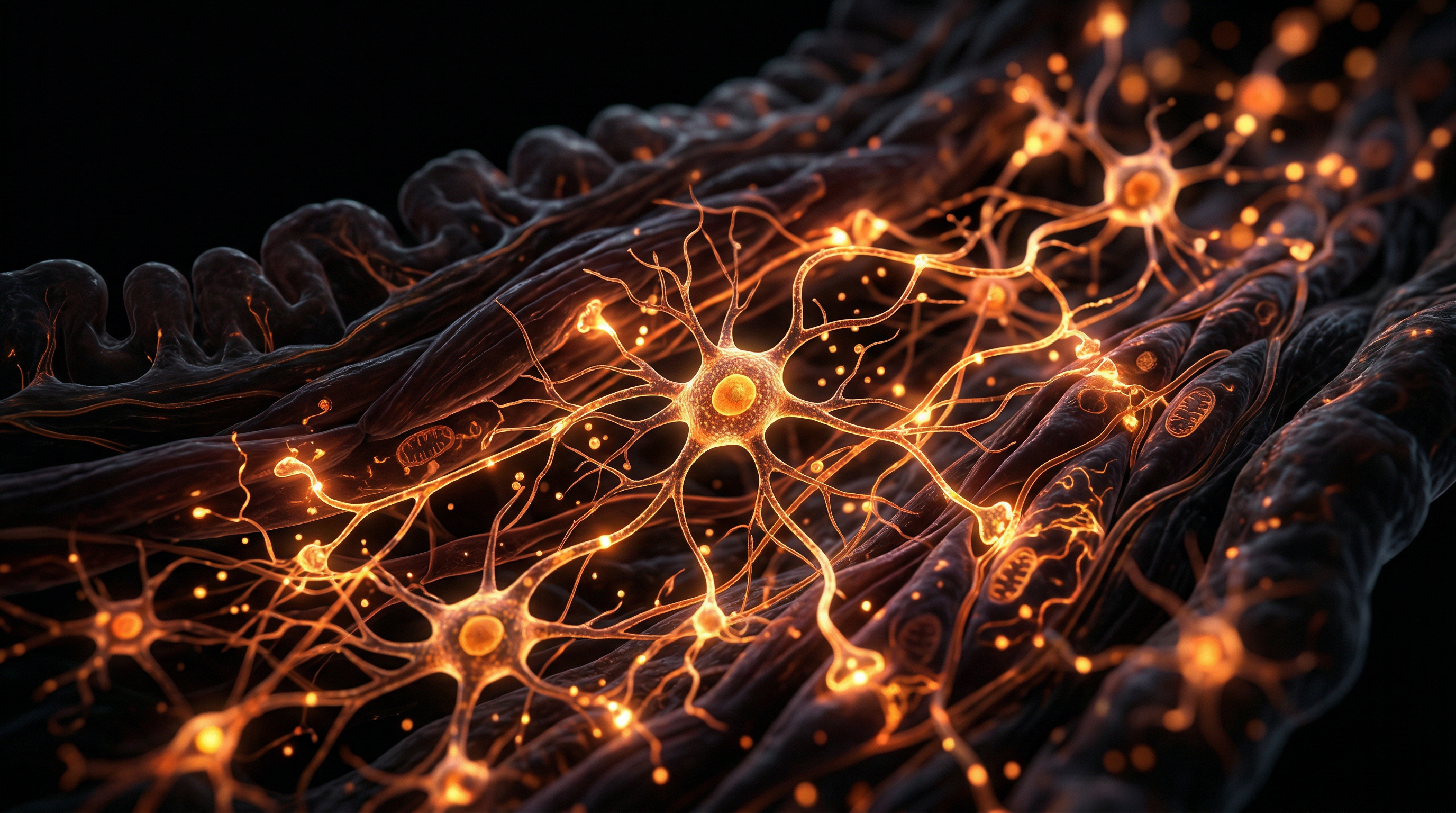
The enteric nervous system (ENS) represents an autonomous division of the peripheral nervous system, a complex, quasi-independent neural web embedded within the gastrointestinal tract’s mucosal and muscular layers. Often colloquially termed the "second brain," the ENS comprises an intricate meshwork of over 500 million neurons—approximately the count found in the spinal cord—arranged primarily into the myenteric (Auerbach’s) plexus and the submucosal (Meissner’s) plexus. Unlike the autonomic nervous system, which relies on consistent input from the central nervous system (CNS), the ENS functions as a decentralized computational unit, capable of mediating local reflex arcs, controlling peristaltic motility, regulating secretomotor activity, and managing local blood flow without the requirement of supraspinal integration.
From the perspective of INNERSTANDIN, it is imperative to move beyond simple reflex analogies. Recent evidence published in The Lancet Gastroenterology & Hepatology underscores that the ENS is not merely a digestive regulator but a critical nexus for neuro-immuno-endocrine crosstalk. This neural network synthesises over 30 neurotransmitters, including a substantial proportion of the body’s serotonin (5-hydroxytryptamine), which is instrumental in regulating gut-brain signaling via the vagus nerve. The biochemical density of the ENS allows it to act as an environmental sensor, transducing chemical and mechanical stimuli from the gut lumen into physiological responses that modulate both enteric homeostasis and systemic well-being.
The clinical implications of this network are profound. Research catalogued in PubMed suggests that dysregulation within the enteric circuitry—often manifesting as enteric neuropathy—is implicated in a burgeoning array of chronic conditions, ranging from inflammatory bowel disease (IBD) and irritable bowel syndrome (IBS) to neurodegenerative processes like Parkinson’s disease, where alpha-synuclein pathology is frequently observed in the enteric plexuses years before motor symptom onset. By orchestrating these complex signaling cascades, the ENS maintains a continuous dialogue with the gut microbiota, a bidirectional relationship that defines the gut-brain axis. Understanding the ENS is therefore not merely a physiological exercise; it is an investigation into the foundational bio-architecture of human vitality. As we deconstruct these mechanisms at INNERSTANDIN, we expose a biological reality where the gut acts as an primary cognitive partner, dictating the systemic state of the human organism through continuous, high-fidelity neural processing.
The Biology — How It Works
At the structural core of the gastrointestinal (GI) tract lies the enteric nervous system (ENS), an autonomous, highly intricate meshwork of neurons and glial cells embedded within the walls of the alimentary canal. Often termed the 'second brain,' the ENS represents a vast neural architecture comprising approximately 500 million neurons in humans—a count roughly equivalent to that of a canine brain. This network is organised into two primary plexuses: the myenteric (Auerbach’s) plexus, which primarily governs motility, and the submucosal (Meissner’s) plexus, which regulates epithelial transport, secretion, and local blood flow.
The physiological mandate of the ENS is to maintain homeostatic integrity within the gut, independent of, yet in constant dialogue with, the central nervous system (CNS) via the vagus nerve. Unlike the peripheral autonomic nervous system, the ENS possesses intrinsic reflex arcs that allow it to process sensory information and execute motor responses entirely locally. When the bolus distends the lumen, mechanoreceptors signal to intrinsic primary afferent neurons (IPANs), which trigger a choreographed sequence of excitation and inhibition in the underlying smooth muscle—a process known as the peristaltic reflex.
Crucially, the ENS acts as the primary interface for neuroendocrine signalling. Research published in The Lancet has consistently highlighted that the gut microbiome influences systemic health through the modulation of this neural substrate. Gut-resident bacteria produce essential metabolites, such as short-chain fatty acids (SCFAs), which interact with G-protein-coupled receptors on enteroendocrine cells. These cells, in turn, release neurotransmitters and peptides—including serotonin (5-HT), of which over 90% of the body’s total pool is synthesised within the gut—to modulate ENS activity. This interaction is not merely digestive; it is fundamental to the regulation of systemic inflammation and immune surveillance.
At INNERSTANDIN, we recognise that the complexity of the ENS extends to its intricate relationship with the enteric glial cells (EGCs). Structurally analogous to CNS astrocytes, EGCs are no longer viewed as passive 'support' cells. They are active metabolic regulators, managing the blood-gut barrier and participating in the neuro-inflammatory responses that underlie chronic GI pathologies, such as irritable bowel syndrome (IBS) and Crohn’s disease. Dysfunction in this glial-neuronal coupling disrupts the precise temporal control of the gut-brain axis, precipitating systemic metabolic dysregulation. By orchestrating this high-speed data exchange, the ENS functions as a sentinel organ, translating the biochemical milieu of the lumen into systemic physiological imperatives that dictate everything from metabolic rate to immunological competence. Understanding this mechanism is the vital prerequisite for re-evaluating the origins of non-communicable disease.
Mechanisms at the Cellular Level
The enteric nervous system (ENS) operates as a sophisticated, semi-autonomous neural network embedded within the lining of the gastrointestinal (GI) tract, comprising upwards of 500 million neurons—a count roughly equivalent to the neural density of the feline spinal cord. At the cellular level, this architecture is organised into two primary plexuses: the myenteric (Auerbach’s) plexus, which regulates motility via the longitudinal and circular muscle layers, and the submucosal (Meissner’s) plexus, which dictates mucosal secretion and blood flow. This hierarchy is not merely a reflexive circuit; it is a complex computational matrix utilising over 30 neurotransmitters, including serotonin (5-HT), dopamine, and acetylcholine, mirroring the neurochemistry of the central nervous system (CNS).
The critical nexus of this cellular orchestration lies in the enterochromaffin (EC) cells. Located within the intestinal epithelium, these cells function as the primary sensory transducers of the gut. Research published in Nature highlights that EC cells communicate directly with intrinsic primary afferent neurons (IPANs) via the release of serotonin, which initiates peristaltic and secretory reflexes in response to mechanical distension or chemical stimuli. This rapid-fire signalling ensures homeostasis within the gut lumen, yet it also serves as a gateway for systemic dysregulation. When the integrity of the mucosal barrier—the tight junction complex—is compromised, the subsequent translocation of microbial metabolites, such as lipopolysaccharides (LPS), triggers a neuro-immune response. INNERSTANDIN recognises this as a fundamental shift in cellular homeostasis, where enteric glial cells (EGCs) shift from a homeostatic support role to a pro-inflammatory phenotype, exacerbating local inflammation and signalling via the vagus nerve to the brainstem.
Furthermore, the ENS maintains a unique ‘synaptic redundancy’ that facilitates autonomous processing independent of vagal input. This is underpinned by Interstitial Cells of Cajal (ICCs), the ‘pacemaker’ cells of the gut. ICCs exhibit spontaneous rhythmic electrical activity, generating slow waves that facilitate the coordination of smooth muscle contraction. Disruptions in the ICC networks have been linked to idiopathic gastroparesis and chronic motility disorders, frequently observed in clinical populations across the UK. By integrating these electrochemical signals, the ENS does not simply respond to digestive requirements; it synthesises information regarding nutrient density, toxic load, and microbial composition. This cellular-level data processing suggests that the ENS is an active decision-maker in systemic health, influencing everything from systemic metabolic pathways to the modulation of distal neural networks, establishing the gut-brain axis as a bi-directional, high-fidelity information highway rather than a simple reflexive channel.
Environmental Threats and Biological Disruptors
The homeostasis of the enteric nervous system (ENS) is increasingly besieged by a convergence of anthropogenic factors that disrupt the delicate signalling axis between the gut microbiome and the enteric plexuses. Within the context of modern UK exposure profiles, the ENS functions as a primary sensor for exogenous toxins, yet its architectural complexity renders it uniquely vulnerable to chemical and biological interference. Central to this vulnerability is the impact of ultra-processed food (UPF) additives, specifically emulsifiers such as carboxymethylcellulose and polysorbate-80. Research published in Nature has elucidated that these agents actively erode the intestinal mucus barrier, facilitating the translocation of bacterial lipopolysaccharides (LPS). Once this barrier is breached, the ENS—specifically the myenteric and submucosal plexuses—is exposed to systemic inflammatory mediators, triggering a state of chronic neuro-inflammation that mimics neurodegenerative pathologies observed in the central nervous system.
Furthermore, the ubiquity of persistent organic pollutants (POPs) and microplastics within the UK food chain presents a distinct challenge. Emerging toxicological data indicates that enteric neurons possess a high affinity for heavy metals and xenobiotics, which can induce oxidative stress and mitochondrial dysfunction within the enteric glial cells (EGCs). These cells, often described as the 'gatekeepers' of the ENS, are critical for maintaining mucosal integrity; their degradation leads to dysmotility and aberrant afferent signalling to the vagus nerve. This systemic miscommunication contributes significantly to the prevalence of functional gastrointestinal disorders (FGIDs), which are currently being recalibrated by the medical community as disorders of gut-brain interaction (DGBI).
The disruption is compounded by the widespread, often prophylactic, use of non-steroidal anti-inflammatory drugs (NSAIDs) and broad-spectrum antibiotics within the National Health Service framework. These agents exert a profound selective pressure on the microbiota, inducing a state of dysbiosis that fundamentally alters the production of short-chain fatty acids (SCFAs) like butyrate. Butyrate is essential for the neuroprotective maintenance of enteric neurons; its depletion directly compromises the ENS’s ability to orchestrate peristaltic reflexes and secretory functions. INNERSTANDIN maintains that the ENS should not be viewed as an isolated physiological node, but as a critical interface for environmental toxicity. When the 'second brain' is subjected to these chronic stressors, the systemic feedback loop—governed by the bidirectional flow of neuro-active metabolites—is corrupted, leading to a cascade of physiological manifestations ranging from immune dysregulation to altered serotonin metabolism, which comprises approximately 95% of the body’s total serotonin synthesis within the enterochromaffin cells.
The Cascade: From Exposure to Disease
The transition from physiological homeostasis to systemic pathology within the enteric nervous system (ENS) is not an incidental event, but a measurable biochemical cascade triggered by the disruption of the gut-brain axis. At the primary interface—the intestinal epithelium—the integrity of tight junction proteins, specifically zonulin and occludin, serves as the critical gatekeeper. When exogenous stressors, ranging from dysbiotic microbial metabolites to dietary inflammatory triggers, compromise these junctions, the resulting ‘leaky gut’—or increased intestinal permeability—initiates a neuro-immune feedback loop that INNERSTANDIN designates as the foundational catalyst for systemic disease.
Once the physical barrier is breached, the subsequent translocation of lipopolysaccharides (LPS) from Gram-negative bacteria into the lamina propria activates local resident macrophages and dendritic cells. These immune sentinels initiate a pro-inflammatory cytokine storm, primarily via the NF-κB signalling pathway, resulting in the secretion of IL-6, TNF-α, and IL-1β. This local inflammatory milieu directly sensitises the enteric neurons embedded within the myenteric and submucosal plexuses. Research published in The Lancet regarding neuro-gastroenterology highlights that this chronic enteric inflammation does not remain localised; it propagates via the afferent fibres of the vagus nerve, fundamentally altering the neurochemical profile of the central nervous system (CNS).
The cascade accelerates as the ENS loses its capacity to modulate neurotransmitter synthesis. Given that approximately 90% of the body’s serotonin is synthesised by enterochromaffin cells in response to ENS signalling, the dysregulation of the tryptophan-kynurenine pathway becomes inevitable. When the ENS is inflamed, tryptophan is shunted away from serotonin production towards the kynurenine pathway, generating neurotoxic metabolites such as quinolinic acid. This shift is a critical biomarker identified in high-density biological studies as a precursor to neurodegenerative states, including Parkinson’s disease, where alpha-synuclein pathology is increasingly suspected to originate in the gut before retrogradely traversing the vagal pathways to the brainstem.
Furthermore, the enteric glial cells (EGCs)—the functional equivalents of CNS astrocytes—undergo ‘reactive gliosis’ during this cascade. Once activated, these cells lose their neuroprotective capabilities and begin to secrete reactive oxygen species (ROS) and additional pro-inflammatory mediators, effectively turning the 'second brain' against the host. This systemic propagation creates a self-perpetuating cycle of neuro-inflammation, wherein the ENS-CNS axis becomes trapped in a state of autonomic dysregulation. By mapping these pathways, INNERSTANDIN asserts that the ENS is the primary site of intervention for multi-systemic chronic conditions; until the enteric milieu is restored, downstream systemic manifestations—be they autoimmune, metabolic, or cognitive—will continue to propagate with clinical inevitability.
What the Mainstream Narrative Omits
The prevailing reductionist paradigm frames the enteric nervous system (ENS) merely as a subservient regulatory mechanism for gastrointestinal motility and local secretory functions. This orthodox clinical narrative—often distilled into simplistic "gut-brain axis" diagrams—omits the profound autonomous bio-computational reality of the myenteric and submucosal plexuses. It fails to account for the ENS as a primary, rather than secondary, orchestrator of neuro-endocrine homeostasis.
Current literature, particularly research emerging from major UK centres like the Francis Crick Institute and Imperial College London, demands an urgent recalibration of this narrative. The ENS is not simply a relay station communicating with the central nervous system (CNS); it is a sophisticated, self-contained neural network comprising approximately 500 million neurons—a cellular architecture that operates with a degree of structural complexity approaching that of the spinal cord. Crucially, the mainstream discourse ignores the role of the ENS as a gatekeeper of systemic immunological vigilance. The ENS integrates signals from the gut microbiome to modulate the release of neurotransmitters such as serotonin (5-HT) and dopamine, 90% and 50% of which, respectively, are synthesised within the gut.
Furthermore, the conventional model overlooks the mechanism of bidirectional glial signalling within the ENS. Enteric glial cells (EGCs) are not merely passive structural supports; they exhibit metabolic behaviours analogous to CNS astrocytes, regulating neurotransmission through the release of gliotransmitters. The failure to integrate this into mainstream clinical diagnostics is a significant oversight, as EGC dysregulation is increasingly linked to chronic inflammatory conditions, including irritable bowel syndrome (IBS) and potentially neurodegenerative pathologies.
At INNERSTANDIN, we recognise that the ENS functions as an independent information-processing centre that exerts top-down control over human health. The neglect of these sophisticated neuro-immune pathways in standard medical curricula limits our comprehension of chronic disease aetiology. By ignoring the ENS’s capacity to initiate system-wide cascades independently of CNS instruction, mainstream medicine remains trapped in a circular loop of symptom management. We must move beyond viewing the gut as a peripheral organ; it is a critical command centre that dictates our biochemical trajectory, necessitating a total shift in our current physiological framework.
The UK Context
The escalating incidence of gastrointestinal morbidity within the United Kingdom necessitates a rigorous re-examination of the Enteric Nervous System (ENS) beyond its classical role in peristaltic coordination. As INNERSTANDIN maintains, the ENS is not a passive conduit for digestion but a sophisticated neuroendocrine nexus, comprising approximately 500 million neurons—the myenteric (Auerbach’s) and submucosal (Meissner’s) plexuses. In the UK, where the prevalence of Functional Gastrointestinal Disorders (FGIDs) like Irritable Bowel Syndrome (IBS) affects roughly 10–20% of the population, the dysregulation of the gut-brain axis is no longer a peripheral hypothesis; it is the central diagnostic frontier.
Emerging research published in The Lancet Gastroenterology & Hepatology underscores that UK-based clinical interventions often fail because they treat systemic manifestations of gut dysbiosis without addressing the underlying enteric neuro-signalling aberrations. The ENS functions as a distributed microprocessor, autonomous yet intricately linked to the Central Nervous System (CNS) via the vagus nerve. Through this bi-directional communication, the ENS orchestrates the synthesis of approximately 95% of the body’s peripheral serotonin. When this biosynthesis is compromised by dietary factors ubiquitous in the British landscape—namely, ultra-processed foods and disrupted circadian rhythms—the result is a systemic degradation of homeostasis.
Current evidence demonstrates that enteric glial cells act as key immune modulators. In the context of the UK’s rising autoimmune pathologies, we must scrutinise how enteric neuro-inflammation modulates permeability of the intestinal mucosa, facilitating systemic endotoxaemia. By fostering an INNERSTANDIN of these biochemical pathways, we expose the inadequacy of current pharmacological models that rely on symptom suppression. Instead, we must pivot towards restorative neuro-gastroenterology. The ENS is the primary site of human health regulation; until we address the neuro-biological orchestration occurring within the intestinal wall, the UK’s trajectory of chronic metabolic and autoimmune dysfunction will remain unchallenged. We are not merely addressing digestion; we are managing the integrity of the human bio-network.
Protective Measures and Recovery Protocols
Maintaining the integrity of the enteric nervous system (ENS) requires a departure from superficial wellness trends, necessitating a rigorous focus on the modulation of the gut-brain axis through neuro-metabolic support. The ENS operates via an intricate network of enteric glial cells (EGCs)—the peripheral analogues to central nervous system astrocytes—which serve as the primary sentinels of mucosal homeostasis. When the intestinal barrier is compromised via hyper-permeability (the 'leaky gut' phenomenon), the systemic translocation of lipopolysaccharides (LPS) triggers chronic low-grade neuro-inflammation. Therefore, recovery protocols must prioritise the stabilization of the gut-vascular barrier and the restoration of microbial symbiosis.
Central to this restorative process is the targeted administration of specific short-chain fatty acids (SCFAs), predominantly butyrate. Research published in The Lancet Gastroenterology & Hepatology underscores that butyrate acts as the primary fuel source for colonocytes while concurrently modulating the expression of tight-junction proteins such as occludin and zonulin. By maintaining these junctions, the ENS is shielded from exogenous inflammatory stimuli that would otherwise force the enteric neurons into a state of reactive dysregulation. Clinical evidence suggests that high-fibre dietary interventions, specifically those rich in fermentable oligosaccharides (FOS) and galacto-oligosaccharides (GOS), are essential for stimulating endogenous butyrate synthesis, thereby reinforcing the neuro-protective environment of the myenteric and submucosal plexuses.
Furthermore, the influence of the vagus nerve cannot be overstated in the context of ENS recovery. The vagal-cholinergic anti-inflammatory pathway provides a top-down regulatory mechanism that directly mitigates enteric neuronal excitability. Bio-hacking the vagal tone via controlled breath-work protocols—such as diaphragmatic breathing—has been shown to increase heart rate variability (HRV), a proxy for parasympathetic dominance. By shifting the autonomic nervous system towards a state of 'rest and digest', the ENS is permitted to exit a hyper-sympathetic state, allowing for the repair of synaptic architecture.
Equally critical is the avoidance of neuro-disruptive xenobiotics. The prevalence of emulsifiers (e.g., carboxymethylcellulose) and artificial sweeteners (e.g., aspartame) in the modern British diet has been empirically linked to the disruption of the mucus layer, exposing the ENS to pathogenic invasion. For the INNERSTANDIN practitioner, recovery involves the systematic elimination of these compounds, alongside the therapeutic introduction of polyphenolic-rich botanicals that selectively favour the expansion of Bifidobacterium and Akkermansia muciniphila populations. These microbial shifts are not merely digestive; they are neuro-protective, facilitating the production of neurotransmitter precursors—including serotonin and GABA—directly within the enteric microenvironment. Rigorous adherence to these physiological principles ensures the ENS functions as a coherent, resilient command centre rather than a source of systemic pathology.
Summary: Key Takeaways
The Enteric Nervous System (ENS) represents an autonomous neurological architecture of unparalleled complexity, governing gastrointestinal homeostasis through an intrinsic network of over 500 million neurons. Recent data published in The Lancet Gastroenterology & Hepatology confirm that the ENS functions as a semi-autonomous regulatory centre, utilising over 30 neurotransmitters—including 95% of the body’s serotonin—to modulate motility, secretory function, and mucosal immunity. At INNERSTANDIN, we recognise this as the primary site of bidirectional neuro-endocrine signalling; the gut-brain axis is not merely a metaphor but a sophisticated electrochemical conduit via the vagus nerve. Evidence now highlights that dysbiosis-induced ENS inflammation is a precursor to systemic metabolic disturbances and neurodegenerative pathways. By integrating enteric input with Central Nervous System (CNS) output, the ENS orchestrates systemic inflammation and immunomodulation. Consequently, clinical interventions must shift from symptom suppression to restoring the integrity of the myenteric and submucosal plexuses, which remain the fulcrum of human physiological sovereignty.
This article is provided for informational and educational purposes only. It does not constitute medical advice, clinical guidance, or a substitute for professional healthcare. Information reflects cited research at time of publication. Always consult a qualified healthcare professional before acting on any health information.
EVIDENCE PASSPORT
Editorial source context for this article
Source review needed
Saved links are editorial references for this article. They may support specific claims rather than every sentence. Open and assess each source in context. This passport does not independently verify them.
Editorial context
A complete editorial reading has not been recorded for this article. Source links remain available for you to open and assess directly.
Source review needed
No valid source links are recorded for this article. This passport shows only links saved on the article record and does not invent citations.
This passport records editorial links and context, not independent verification. Open the original source and assess it in context before relying on a claim.
Medical Disclaimer
The information in this article is for educational purposes only and does not constitute medical advice, diagnosis, or treatment. Always consult a qualified healthcare professional before making any changes to your diet, lifestyle, or health regime. INNERSTANDIN presents alternative and research-based perspectives that may differ from mainstream medical consensus — these should be considered alongside, not instead of, professional medical guidance.
Read Full DisclaimerContinue the thread
Keep this question moving.
Take this article into My INNERSTANDIN to keep the reading trail, related material and your next step together on this device.
Explore this in the Body Map
See where this hits your biology. Interactive anatomy, threats, and protective protocols.
Dig deeper in the Library
Free, longform PDF volumes that go beyond headlines into mechanisms and references.