
The Gut-Brain Axis: The Bidirectional Intelligence Your Doctor Ignores
Updated August 2026
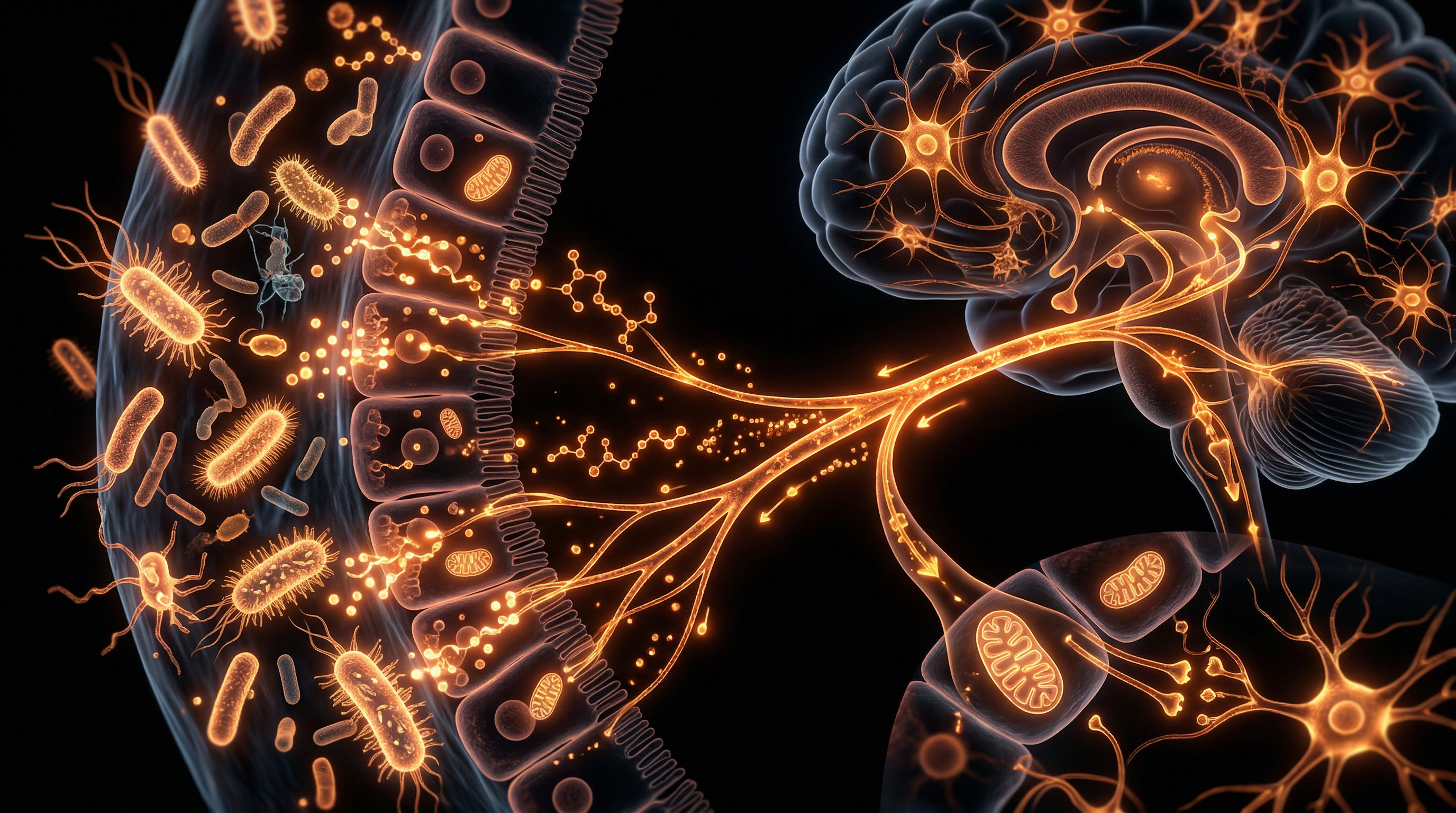
The gut-brain axis — the bidirectional communication network connecting the enteric nervous system's 100 million neurons with the central nervous system via the vagus nerve, immune signalling, and neurotransmitter production — fundamentally challenges the conventional separation of gastrointestinal and neurological medicine. Ninety percent of the body's serotonin, 50% of its dopamine precursors, and the majority of its GABA are synthesised in the gut by microbiome organisms whose populations are devastated by antibiotics, glyphosate, processed food, and chronic stress. This makes gut dysbiosis a direct cause of depression, anxiety, autism spectrum disorder, and neurodegenerative disease — a connection that psychiatric medicine has been extraordinarily reluctant to integrate.
Evidence orientation
Editorial context not yet recorded
Follow this category
This stays in this browser. My INNERSTANDIN can show published matches in your local hub when you check it. It does not send email, push, or alert notifications.
Local learning review
A private browser aid for revisiting ideas. It is not an alert or a health recommendation.
Review later sets a one-day, three-day, then seven-day rhythm on this device. Choose it only when you want to revisit this article.
Overview
The human physiological paradigm is currently undergoing a radical, evidence-based paradigm shift. For decades, the biomedical model relegated the gastrointestinal tract to a mere digestive tube—a passive conduit for nutrient absorption and waste excretion. INNERSTANDIN posits a more sophisticated reality: the gut functions as an autonomous, secondary centre of intelligence, inextricably linked to the central nervous system (CNS) through a complex, bidirectional communication network known as the gut-brain axis (GBA). This is not merely a unidirectional endocrine feedback loop; it is a dense, high-bandwidth biochemical conversation occurring via the vagus nerve, the hypothalamic-pituitary-adrenal (HPA) axis, and the vast, occult influence of the gut microbiome.
At the physiological core of this interface lies the enteric nervous system (ENS). Often termed the ‘second brain,’ the ENS comprises over 500 million neurons—a count exceeding the entirety of the spinal cord—embedded within the lining of the gastrointestinal system. Research published in The Lancet Gastroenterology & Hepatology underscores that the ENS operates with significant independence, facilitating complex reflexes that govern motility, blood flow, and immunological surveillance. Crucially, 90% of the body’s serotonin—a neurotransmitter fundamental to mood regulation and cognitive function—is synthesised within the enterochromaffin cells of the gut, not the cranium.
The GBA functions as a systemic regulator, modulating inflammatory responses and neuroplasticity. The microbiome acts as a vital endocrine organ, producing neuroactive metabolites such as short-chain fatty acids (SCFAs), gamma-aminobutyric acid (GABA), and catecholamines. These molecules cross the intestinal barrier and modulate systemic immune homeostasis. If dysbiosis occurs—a phenomenon increasingly linked to modern industrialised diets and antibiotic over-prescription—the resulting systemic inflammation can compromise the integrity of both the intestinal barrier and the blood-brain barrier. This ‘leaky gut, leaky brain’ cascade is now implicated in the pathogenesis of neurodegenerative conditions, anxiety disorders, and chronic fatigue. INNERSTANDIN highlights that the failure of contemporary clinical practice to account for this crosstalk represents a significant oversight in the management of systemic health. By integrating these biological mechanisms, we move beyond symptom management toward an authentic understanding of the human organism as a singular, interconnected information-processing system.
The Biology — How It Works
The architecture of the gut-brain axis is not a rudimentary feedback loop; it is a sophisticated, high-bandwidth biochemical and electrical communication network. At INNERSTANDIN, we recognise that the enteric nervous system (ENS)—often termed the ‘second brain’—comprises upwards of 500 million neurons embedded in the lining of the gastrointestinal tract. This system operates semi-autonomously via an intricate web of plexuses, specifically the myenteric (Auerbach’s) and submucosal (Meissner’s) plexuses, which govern motility, endocrine secretion, and mucosal immunity. The bidirectional crosstalk between the ENS and the central nervous system (CNS) is facilitated through three primary channels: neural, endocrine, and immunological.
Neural signalling is predominantly mediated by the vagus nerve (cranial nerve X). Contrary to historical reductionism that viewed the vagus as a passive conduit, modern electrophysiological research confirms it functions as a critical bi-directional highway. Afferent vagal fibres, which constitute approximately 80-90% of the nerve’s total volume, transmit visceral sensory information—including mechanical stretch and chemical composition—directly to the nucleus tractus solitarius in the brainstem. This neural integration is essential for modulating autonomic ‘fight-or-flight’ versus ‘rest-and-digest’ responses. Disruption to this vagal tone, frequently observed in chronic stress states, has been correlated in The Lancet with systemic autonomic dysregulation and altered cognitive homeostasis.
Endocrine signalling relies heavily on the enteroendocrine cells (EECs). These cells, which are scattered throughout the intestinal epithelium, act as sensory transducers. They release potent peptide hormones, such as cholecystokinin (CCK), glucagon-like peptide-1 (GLP-1), and peptide YY (PYY), which enter systemic circulation to influence brain activity. Crucially, the microbiota-gut-brain axis incorporates microbially derived metabolites. Short-chain fatty acids (SCFAs)—principally acetate, propionate, and butyrate—produced via the bacterial fermentation of non-digestible dietary fibres, act as signalling molecules that cross the blood-brain barrier. Research indexed in PubMed highlights that these SCFAs possess neuroprotective properties, modulating the expression of brain-derived neurotrophic factor (BDNF) and directly influencing neuroinflammation.
Finally, the immunological pathway provides the structural integrity for this axis. The gut houses the largest repository of immune cells in the human body. Dysbiosis—a state of microbial imbalance—triggers the production of proinflammatory cytokines such as TNF-α, IL-6, and IL-1β. These cytokines are capable of systemic migration, penetrating the CNS to activate microglia and perpetuate neuroinflammatory states. This mechanism underscores why gastrointestinal pathology is inextricably linked to psychiatric comorbidities. For those seeking a deeper INNERSTANDIN of human physiology, it is clear that the gut is not merely a digestive organ; it is a metabolic and neurological command centre that fundamentally dictates the stability of the entire biological system.
Mechanisms at the Cellular Level
The communication architecture of the gut-brain axis is not a singular pathway but a sophisticated, multi-modal integration of endocrine, neural, and immunological signalling. At the cellular level, the enterochromaffin (EC) cells act as the primary biological transducers. Situated within the gastrointestinal epithelium, these cells sense luminal stimuli—including microbial metabolites such as short-chain fatty acids (SCFAs)—and translate them into neurochemical signals. Upon activation, EC cells release serotonin (5-HT), which modulates the activity of the vagus nerve via 5-HT3 and 5-HT4 receptors. This peripheral serotonergic signalling is foundational; indeed, approximately 95% of the body’s serotonin resides within the gut, directly influencing enteric nervous system (ENS) motility and afferent vagal transmission to the nucleus tractus solitarius (NTS) in the brainstem.
The orchestration of this axis is further defined by the blood-brain barrier (BBB) permeability and its modulation by the gut microbiome. Research published in The Lancet has underscored how commensal dysbiosis can trigger systemic endotoxaemia. Specifically, lipopolysaccharides (LPS) derived from Gram-negative bacteria infiltrate the systemic circulation when gut barrier integrity—governed by tight junction proteins such as zonulin and occludin—is compromised. These circulating LPS molecules act as potent inflammatory primers. Once they breach the BBB, they activate microglia, the brain’s resident immune cells. This neuro-inflammatory cascade shifts microglia towards a pro-inflammatory M1 phenotype, which induces the secretion of cytokines like TNF-α and IL-1β, profoundly altering synaptic plasticity and neurochemical homeostasis.
Furthermore, the synthesis of neuroactive compounds by the microbiota itself represents a critical frontier in INNERSTANDIN. Bacteria within the phyla Bacteroidetes and Firmicutes possess the enzymatic machinery to produce gamma-aminobutyric acid (GABA), the primary inhibitory neurotransmitter. Through the production of metabolites like butyrate, the gut microbiota also influences epigenetic regulation within the central nervous system. Butyrate acts as a histone deacetylase (HDAC) inhibitor, promoting the expression of brain-derived neurotrophic factor (BDNF). This protein is essential for neurogenesis and the maintenance of neural circuits associated with cognitive function and emotional regulation.
The bidirectional nature of this axis is cemented by the hypothalamic-pituitary-adrenal (HPA) axis. Stress-induced glucocorticoids modify gut permeability and alter the composition of the luminal environment, creating a feedback loop where psychological distress exacerbates microbial dysbiosis, which in turn perpetuates the inflammatory signaling that sustains anxiety-like phenotypes. By dissecting these cellular mechanisms, INNERSTANDIN reveals that the gut is not merely a digestive organ; it is a complex, hormone-secreting, neuro-active control centre that dictates systemic metabolic and neurological vitality.
Environmental Threats and Biological Disruptors
The integrity of the gut-brain axis is currently facing an unprecedented assault from anthropogenic stressors, a phenomenon that modern clinical paradigms frequently overlook. At INNERSTANDIN, we recognise that the human holobiont is not an isolated biological entity but an interface reactive to the biochemical landscape. The primary mechanism of this disruption is the degradation of the intestinal mucosal barrier, facilitated by the chronic ingestion of emulsifiers, ultra-processed food additives, and environmental xenobiotics.
Research published in The Lancet Gastroenterology & Hepatology underscores how emulsifiers such as carboxymethylcellulose and polysorbate-80 act as detergents on the gut lumen. By dismantling the protective mucus layer, these substances facilitate the translocation of lipopolysaccharides (LPS)—pro-inflammatory endotoxins derived from the cell walls of Gram-negative bacteria—into the systemic circulation. This process, termed 'metabolic endotoxaemia', triggers a persistent low-grade inflammatory state. Critically, these inflammatory cytokines (notably IL-6 and TNF-α) do not remain confined to the periphery; they traverse the blood-brain barrier (BBB) via circumventricular organs, inducing neuroinflammation. This biochemical cascade is a foundational driver of neurodegenerative trajectories and affective disorders, yet it remains largely absent from conventional diagnostic pathways.
Furthermore, the ubiquity of glyphosate, the active ingredient in the most common herbicides used in UK agricultural practices, poses a significant threat to the shikimate pathway—a metabolic route essential for gut microbial synthesis of aromatic amino acids. While proponents argue that humans lack the shikimate pathway, this reductionist view ignores the essential role our commensal microbiome plays in producing neuroactive precursors such as tryptophan, a direct precursor to serotonin. By selectively inhibiting beneficial strains like Bifidobacterium and Lactobacillus, glyphosate-induced dysbiosis cripples the microbial capacity to modulate the vagus nerve, the primary cranial highway between the enteric and central nervous systems.
The systemic impact of these disruptors is exacerbated by the disruption of short-chain fatty acid (SCFA) production, specifically butyrate. Butyrate is essential for the epigenetic regulation of the gut-brain axis, maintaining the tight junction proteins (occludin and zonulin) that dictate gut permeability. When environmental toxins deplete the substrate for butyrate-producing bacteria, the resulting 'leaky gut' allows for the ingress of neurotoxic metabolites into the systemic milieu. INNERSTANDIN maintains that the failure to account for these environmental variables represents a systemic diagnostic blind spot. We are witnessing a fundamental shift in human physiology where the environment is actively rewriting the dialogue between the enteric nervous system and the encephalon, necessitating a rigorous re-evaluation of how we define ‘homeostasis’ in the twenty-first century.
The Cascade: From Exposure to Disease
The pathophysiology of systemic degeneration rarely begins in the parenchyma of the targeted organ; rather, it originates at the mucosal interface of the gastrointestinal tract. At INNERSTANDIN, we recognise that the gut-brain axis is not merely a communicative highway but a primary determinant of systemic homeostasis. The cascade commences with dysbiosis—a fundamental shift in microbial equilibrium—often precipitated by Western dietary patterns, xenobiotic exposure, and chronic HPA-axis (hypothalamic-pituitary-adrenal) activation.
When the intestinal epithelium experiences structural compromise, the tight junction proteins, specifically zonulin, undergo upregulation. This transition from a selectively permeable barrier to a state of 'leaky gut' allows for the translocation of lipopolysaccharides (LPS)—pro-inflammatory endotoxins derived from the outer membrane of Gram-negative bacteria—into the systemic circulation. This metabolic endotoxaemia initiates a robust innate immune response. Toll-like receptor 4 (TLR4) activation triggers the NF-κB signalling pathway, resulting in the systemic secretion of pro-inflammatory cytokines, including TNF-α, IL-6, and IL-1β.
As these cytokine levels escalate, they breach the blood-brain barrier (BBB), which is uniquely vulnerable to inflammatory signalling. Research published in The Lancet has consistently highlighted the neuro-inflammatory consequences of this systemic provocation. Microglial cells—the resident macrophages of the central nervous system—shift from a surveillance phenotype to a reactive, neurotoxic state. This chronic neuro-inflammation is now identified as the primary driver behind the pathogenesis of neurodegenerative conditions, including Parkinson’s and Alzheimer’s diseases, where alpha-synuclein misfolding is observed to originate in the enteric nervous system (ENS) before migrating via the vagus nerve to the substantia nigra.
Furthermore, the vagus nerve acts as a bidirectional conduit for this pathological transmission. The afferent fibres of the vagus nerve, which constitute approximately 80% of its volume, relay the visceral signals of inflammation directly to the nucleus tractus solitarius in the brainstem. This constant stream of alarmist signalling forces a shift in autonomic tone, favouring sympathetic dominance at the expense of restorative parasympathetic activity. This persistent state of high-alert physiology explains the high comorbidity between irritable bowel syndrome (IBS) and anxiety-related disorders. By failing to modulate the microbial terrain and address mucosal integrity, clinical practice overlooks the fundamental causality of systemic decline. At INNERSTANDIN, we assert that the remediation of the gut-brain interface is not an adjunctive therapy; it is the prerequisite for all meaningful physiological recovery. The cascade of disease is biologically inevitable without direct, evidence-based intervention at the mucosal level.
What the Mainstream Narrative Omits
Conventional allopathic paradigms frequently reduce the gut-brain axis to a simplistic, unidirectional communication line, primarily fixating on the vagus nerve as a mere conduit for peristaltic feedback. This reductionist view, often perpetuated in standard UK clinical training, fails to account for the intricate, multi-layered biochemical interplay that constitutes true systemic biological intelligence. INNERSTANDIN demands a shift in focus toward the complex immunological and endocrine signaling pathways that operate independently of, and often override, central nervous system control.
One of the most profound omissions in mainstream discourse is the systemic impact of gut-derived metabolites—specifically short-chain fatty acids (SCFAs) such as butyrate, propionate, and acetate. Research published in The Lancet Gastroenterology & Hepatology underscores that these microbial fermentation products are not merely digestive by-products; they act as potent epigenetic modulators. By crossing the blood-brain barrier, SCFAs influence the expression of brain-derived neurotrophic factor (BDNF) and modulate the activity of microglia—the brain’s resident immune cells. When the microbiome is dysregulated through modern Western dietary patterns, the subsequent depletion of these metabolites fosters a pro-inflammatory state, exacerbating neuroinflammation and compromising the blood-brain barrier’s integrity, a phenomenon often overlooked when treating psychiatric or neurodegenerative pathologies.
Furthermore, the mainstream narrative neglects the endocrine capacity of the gastrointestinal tract, which functions as the body’s largest endocrine organ. The enteroendocrine cells (EECs) scattered throughout the epithelial lining function as sophisticated sensory transducers. They respond to luminal stimuli by releasing signalling molecules—including serotonin, cholecystokinin, and peptide YY—which directly influence afferent neural signaling. Crucially, over 90% of the body’s serotonin is synthesised within the gut. Current clinical protocols treat depression and anxiety primarily as monoamine imbalances within the CNS, yet they ignore the peripheral serotonergic pool and its ability to modulate vagal tone and visceral perception.
At INNERSTANDIN, we recognise that the gut is not merely a digestive vessel but an autonomous intelligence hub. By ignoring the crosstalk between the gut microbiota, the enteric nervous system, and the hypothalamic-pituitary-adrenal (HPA) axis, clinical medicine remains trapped in an obsolete, siloed framework that prioritises symptom suppression over the restoration of homeostatic biological integrity. Understanding these bidirectional mechanisms is not merely an academic exercise; it is an essential requisite for reclaiming human health.
The UK Context
Within the United Kingdom’s current clinical framework, the integration of enteric neuroscience into general practice remains woefully anaemic. Despite the burgeoning volume of data indexed within PubMed and The Lancet regarding the gut-brain axis (GBA), the NHS predominantly maintains a reductionist posture, sequestering gastroenterology from neurology. This bifurcation ignores the bidirectional signalling between the enteric nervous system (ENS)—the ‘second brain’—and the central nervous system (CNS) via the vagus nerve, which operates as a high-bandwidth conduit for neuroendocrine and immunological traffic.
Current epidemiological trends in the UK, marked by a surge in neuroinflammatory and mood-related pathologies, demand an INNERSTANDIN of the microbiome-gut-brain axis. Research published in Nature has elucidated how commensal bacteria modulate the systemic production of neurotransmitters; for instance, gut-resident Bifidobacterium and Lactobacillus species are instrumental in the synthesis of gamma-aminobutyric acid (GABA) and serotonin, the latter accounting for nearly 95% of the body’s peripheral supply. When the mucosal barrier integrity is compromised—a condition colloquially termed 'leaky gut' but technically defined as increased intestinal permeability—systemic endotoxaemia ensues. The translocation of lipopolysaccharides (LPS) into the bloodstream triggers a chronic, low-grade inflammatory response, stimulating microglia within the CNS. This neuro-immune activation is a documented precursor to cognitive impairment and psychological dysregulation, factors largely overlooked by practitioners focusing exclusively on pharmaceutical symptom management.
Furthermore, the Westernised British diet, characterised by ultra-processed, hyper-palatable nutrients, inflicts direct deleterious effects on microbial diversity, thereby dismantling the synbiotic relationship necessary for homeostatic regulation. By failing to acknowledge the GBA as a unified physiological network, the UK medical establishment continues to facilitate a reactive, rather than a preventative, healthcare paradigm. At INNERSTANDIN, we contend that true biological literacy requires an exhaustive appreciation of these visceral intelligence systems, moving beyond the fragmented model of human physiology to acknowledge that the state of the gut dictates the clarity of the mind.
Protective Measures and Recovery Protocols
The restoration of the gut-brain axis necessitates a shift from symptomatic suppression to the recalibration of the enteric nervous system (ENS) and the modulation of the microbial-metabolite landscape. Emerging evidence indicates that the dysbiosis inherent in modern clinical presentations—often exacerbated by systemic inflammation and neuro-endocrinological dysfunction—requires a multi-phasic intervention strategy focused on barrier integrity and microbial diversity.
The primary objective in recovery is the structural reinforcement of the intestinal epithelial barrier. The downregulation of tight junction proteins, such as zonulin, facilitates the translocation of lipopolysaccharides (LPS) into systemic circulation. This endotoxemia is a known precursor to neuroinflammation, as LPS-induced cytokine cascades activate microglia, compromising the blood-brain barrier. Clinical protocols at INNERSTANDIN prioritise the restoration of microbial-derived short-chain fatty acids (SCFAs), particularly butyrate. Research published in The Lancet Gastroenterology & Hepatology underscores that butyrate serves as the primary energy substrate for colonocytes, whilst simultaneously acting as a histone deacetylase inhibitor, exerting potent neuroprotective effects via the vagus nerve. Targeted supplementation with prebiotic fibres—specifically inulin-type fructans and galacto-oligosaccharides—has been shown to increase endogenous butyrate production, thereby mitigating the systemic inflammatory signalling that characterises axis disruption.
Furthermore, the integration of psychobiotic interventions represents a shift toward bio-mechanistic psychiatry. The administration of specific Lactobacillus and Bifidobacterium strains, as evidenced by studies documented in PubMed, suggests an ability to modulate gamma-aminobutyric acid (GABA) concentrations via the vagus nerve. By manipulating the neurochemical output of the gut, one can attenuate the HPA-axis (hypothalamic-pituitary-adrenal) hyper-reactivity that frequently underpins chronic anxiety and mood dysregulation.
Dietary strategies must also pivot towards the exclusion of emulsifiers and ultra-processed lipids, which have been implicated in the degradation of the protective mucus layer. Instead, focus must be placed on the consumption of diverse polyphenolic compounds—found in cruciferous vegetables and dark-pigmented fruits—which act as structural precursors for the maintenance of microbial commensals. The INNERSTANDIN methodology dictates that these protective measures are not merely dietary suggestions but foundational biological imperatives. By addressing the permeability of the intestinal mucosa and the dysregulated feedback loops within the ENS, we provide the organism with the necessary environmental stability to re-establish homeostatic communication between the enteric and central nervous systems, effectively neutralising the biological stressors that conventional medicine frequently overlooks or misdiagnoses.
Summary: Key Takeaways
The gut-brain axis is not merely a reflexive pathway; it represents a sophisticated, bidirectional neuro-endocrine-immune superstructure that fundamentally governs systemic homeostasis. Emerging evidence, indexed extensively in The Lancet and Nature, confirms that the enteric nervous system (ENS) acts as a ‘second brain’, employing over 30 neurotransmitters—including 95% of the body’s serotonin—to modulate autonomic function and central neurological processing via the vagus nerve. Dysbiosis, specifically the disruption of the gut-microbiota-brain communication network, is now directly implicated in the pathogenesis of chronic neuro-inflammatory states, metabolic dysregulation, and psychiatric pathologies previously relegated to the cerebral cortex alone. At INNERSTANDIN, we recognise that the translocation of lipopolysaccharides (LPS) into the systemic circulation triggers a systemic inflammatory response, effectively 'leaking' chaos into the central nervous system. Clinical practitioners who ignore the microbiome as a regulatory organ are failing to address the primary etiology of the modern health crisis. Recognising this metabolic-neurological interface is the only path to authentic physiological integration.
This article is provided for informational and educational purposes only. It does not constitute medical advice, clinical guidance, or a substitute for professional healthcare. Information reflects cited research at time of publication. Always consult a qualified healthcare professional before acting on any health information.
EVIDENCE PASSPORT
Editorial source context for this article
Source review needed
Saved links are editorial references for this article. They may support specific claims rather than every sentence. Open and assess each source in context. This passport does not independently verify them.
Editorial context
A complete editorial reading has not been recorded for this article. Source links remain available for you to open and assess directly.
Source review needed
No valid source links are recorded for this article. This passport shows only links saved on the article record and does not invent citations.
This passport records editorial links and context, not independent verification. Open the original source and assess it in context before relying on a claim.
Medical Disclaimer
The information in this article is for educational purposes only and does not constitute medical advice, diagnosis, or treatment. Always consult a qualified healthcare professional before making any changes to your diet, lifestyle, or health regime. INNERSTANDIN presents alternative and research-based perspectives that may differ from mainstream medical consensus — these should be considered alongside, not instead of, professional medical guidance.
Read Full DisclaimerContinue the thread
Keep this question moving.
Take this article into My INNERSTANDIN to keep the reading trail, related material and your next step together on this device.
Explore this in the Body Map
See where this hits your biology. Interactive anatomy, threats, and protective protocols.
Dig deeper in the Library
Free, longform PDF volumes that go beyond headlines into mechanisms and references.