
Cytokine Storms in the Cortex: Why Depression Is Increasingly Viewed as an Inflammatory Disorder
Updated August 2026
Shift your perspective on mental health by understanding the 'cytokine theory of depression' and how systemic inflammation influences neurotransmitter metabolism. This piece details the physiological transition from immune activation to the clinical symptoms of low mood and fatigue.
Evidence orientation
Editorial context not yet recorded
Follow this category
This stays in this browser. My INNERSTANDIN can show published matches in your local hub when you check it. It does not send email, push, or alert notifications.
Local learning review
A private browser aid for revisiting ideas. It is not an alert or a health recommendation.
Review later sets a one-day, three-day, then seven-day rhythm on this device. Choose it only when you want to revisit this article.
Overview
For decades, the prevailing paradigm of clinical psychiatry was anchored in the monoamine hypothesis—the notion that depression was fundamentally a chemical imbalance of serotonin, norepinephrine, or dopamine. However, this reductionist framework has struggled to account for the refractory nature of treatment-resistant depression (TRD) and the significant comorbidities linking mood disorders to metabolic and autoimmune pathologies. At INNERSTANDIN, we argue that the future of psychiatric medicine lies in neuroimmunology. We are witnessing a profound shift toward the "cytokine hypothesis," which posits that major depressive disorder (MDD) is less a singular chemical deficit and more a phenotypic manifestation of a systemic inflammatory dysregulation.
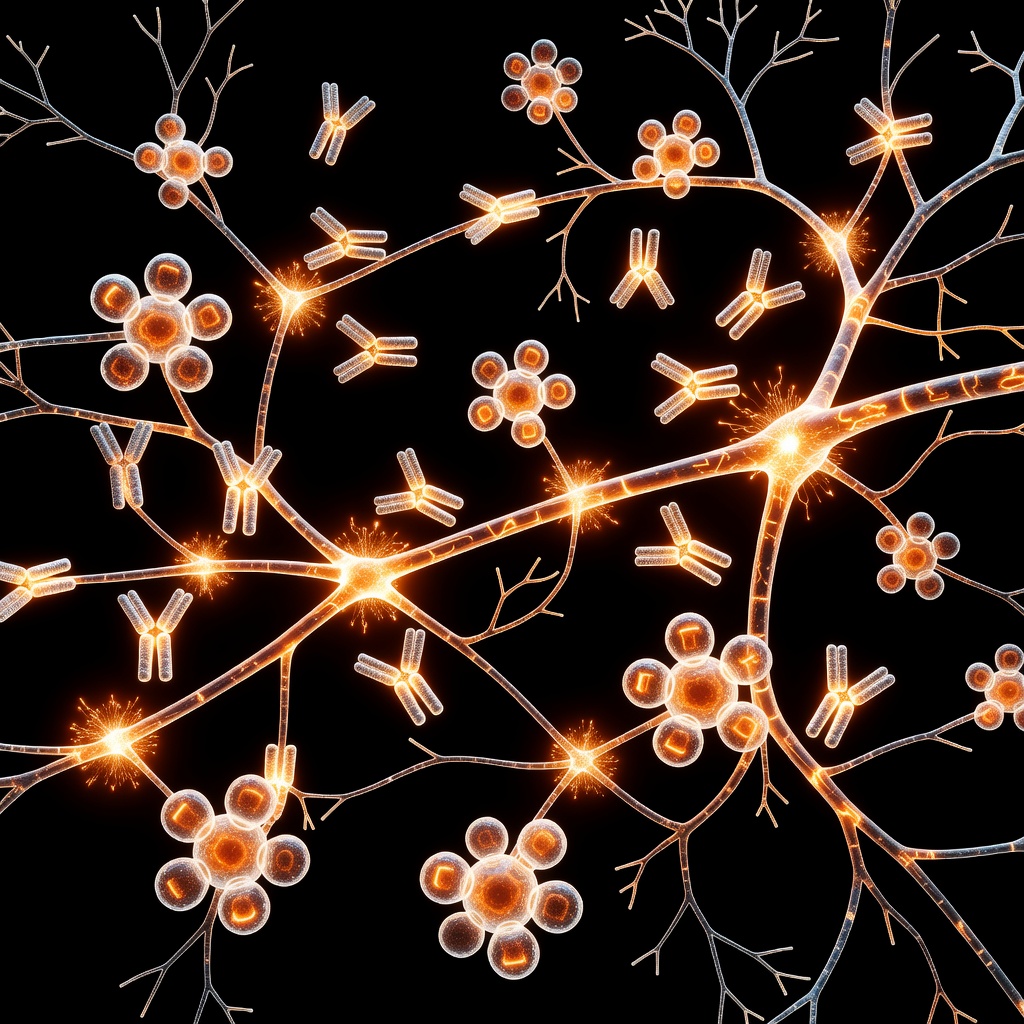
The cortex, once erroneously shielded by the dogma of an "immunologically privileged" blood-brain barrier, is now understood to be under constant surveillance by the central nervous system’s primary immune effectors: microglia. When peripheral inflammation occurs—triggered by chronic stress, gut dysbiosis, or adiposity—pro-inflammatory cytokines, such as interleukin-6 (IL-6), tumour necrosis factor-alpha (TNF-α), and interleukin-1 beta (IL-1β), gain access to the cortical milieu. This triggers a cytokine storm within the cortical architecture, an uncontrolled cascade of inflammatory signalling that fundamentally alters neurobiology.
Research published in The Lancet Psychiatry and indexed extensively on PubMed demonstrates that these cytokines do not merely coexist with depressive symptoms; they drive them. By activating the kynurenine pathway, pro-inflammatory cytokines divert tryptophan metabolism away from the synthesis of serotonin and toward the production of neurotoxic catabolites like quinolinic acid. This shift precipitates excitotoxic damage to cortical neurons and inhibits synaptogenesis in the prefrontal cortex—the very region responsible for executive function, emotional regulation, and self-referential thought.
This biological "storm" effectively mimics sickness behaviour, an evolutionary survival mechanism where the organism withdraws to conserve energy and avoid predation. In the modern context, however, this persistent inflammatory state prevents the resolution of the depressive phenotype. By viewing depression through an inflammatory lens, INNERSTANDIN asserts that the patient is not "broken" in a neurochemical vacuum, but is instead suffering from a systemic biological failure. Recognising the cortex as a primary target of immunomodulation is, therefore, the essential first step toward reclaiming neuro-metabolic homeostasis and moving beyond the superficial limitations of contemporary SSRI monotherapy.
The Biology — How It Works
At the cellular level, the bridge between peripheral immune activation and cortical dysfunction is orchestrated by the disruption of the blood-brain barrier (BBB) and the subsequent activation of resident CNS macrophages: the microglia. When systemic inflammation occurs—whether triggered by chronic stress, dietary metabolic endotoxaemia, or pathogenic insult—the expression of pro-inflammatory cytokines such as IL-6, TNF-α, and IL-1β increases. These signalling proteins do not merely circulate; they exploit circumventricular organs or utilise active transport mechanisms to bypass the BBB, signalling a shift in the homeostatic state of the brain’s parenchyma.
Once within the CNS, these cytokines bind to receptors on microglia, inducing a phenotypic shift from a ‘surveillance’ state to an ‘activated’ pro-inflammatory state. This state is characterised by the release of neurotoxic metabolites via the kynurenine pathway. As demonstrated in seminal research published in The Lancet Psychiatry, activated microglia upregulate the enzyme indoleamine 2,3-dioxygenase (IDO). IDO diverts the metabolism of tryptophan—the essential precursor to serotonin—away from the synthesis of serotonin and towards the production of kynurenine. This depletion of serotonin is a critical component of the ‘cytokine storm’ hypothesis, but the damage is dual-pronged: the downstream metabolites of kynurenine, particularly quinolinic acid, act as potent N-methyl-D-aspartate (NMDA) receptor agonists.
Chronic exposure to quinolinic acid induces excitotoxicity, leading to the apoptosis of hippocampal neurons and a reduction in brain-derived neurotrophic factor (BDNF). This is the biological cornerstone of the neuro-inflammatory paradigm: systemic inflammation is not merely an associated symptom of depression, but a primary driver of structural neural atrophy. Furthermore, at INNERSTANDIN, we must highlight that this inflammatory signalling disrupts the integrity of the oligodendrocyte lineage, impairing myelin repair and slowing neural transmission speed across the prefrontal cortex—the region responsible for executive function and emotional regulation.
Evidence from UK-based biobank longitudinal studies reinforces that these inflammatory markers correlate strongly with the severity of anhedonia and psychomotor retardation. The microglia, acting as the primary effector cells, effectively 'prime' the neural environment for chronic vulnerability. When we view depression through this lens, the condition is revealed as a systemic failure of neuro-immune regulation rather than a mere ‘chemical imbalance’. By mapping the transition from cytokine-mediated microglial hyper-activation to downstream synaptic loss, it becomes evident that the cortical environment is fundamentally altered by persistent, low-grade systemic inflammation, shifting the psychiatric burden from the psychological realm into the definitive jurisdiction of biological medicine.
Mechanisms at the Cellular Level
The paradigm shift characterising major depressive disorder (MDD) as a systemic inflammatory state finds its primary locus of action within the CNS, specifically regarding the dysregulation of the neuro-immune axis. At the cellular level, the pathogenesis of a cortical ‘cytokine storm’ begins with the hyper-activation of microglia—the brain’s resident macrophages—in response to peripheral systemic inflammation or chronic psychosocial stress. Under homeostatic conditions, microglia maintain neuronal integrity through synaptic pruning and trophic factor secretion. However, in the MDD phenotype, these cells adopt an M1-like proinflammatory morphology, secreting an excess of cytokines such as tumour necrosis factor-alpha (TNF-α), interleukin-1 beta (IL-1β), and interleukin-6 (IL-6).
These molecules do not act in isolation; they systematically infiltrate the cortical architecture, disrupting neurotransmitter synthesis via the kynurenine pathway. Peripheral cytokines, circulating across an increasingly permeable blood-brain barrier (BBB), upregulate the enzyme indoleamine 2,3-dioxygenase (IDO). This enzyme diverts tryptophan—the precursor to serotonin—away from the serotonergic pathway and towards the production of kynurenine. Further metabolic flux leads to the synthesis of quinolinic acid, a potent N-methyl-D-aspartate (NMDA) receptor agonist. The resulting chronic glutamate excitotoxicity precipitates synaptic loss and dendritic atrophy, particularly within the prefrontal cortex and hippocampus, regions heavily implicated in executive function and mood regulation.
Moreover, recent research published in The Lancet Psychiatry and peer-reviewed studies accessible via PubMed underscore the role of astrocytic dysfunction in this process. Chronic exposure to high concentrations of IL-6 diminishes the expression of glutamate transporters (specifically GLT-1), leading to an inability of astrocytes to clear synaptic glutamate effectively. This ‘glutamatergic spillover’ exacerbates the excitotoxic cycle, reinforcing a state of neuroinflammation that effectively silences neuroplasticity.
INNERSTANDIN identifies that this is not merely an immunological reaction but a metabolic reconfiguration of the brain’s internal landscape. The inflammatory cytokine storm induces oxidative stress, damaging mitochondria and impairing the bioenergetics of neurons. As the brain attempts to recalibrate, it enters a state of ‘sickness behaviour’—evolutionarily designed to conserve energy—which, when chronic, manifests as the clinical symptoms of anhedonia, fatigue, and cognitive slowing. By examining these pathways, INNERSTANDIN elucidates that the cortical cytokine storm is the fundamental biological signature of modern depression, moving the clinical focus away from simplistic monoamine deficiency models towards a sophisticated understanding of neuro-immunological breakdown. This systemic perspective is essential for the future of psychopharmacology and targeted immunomodulatory interventions.
Environmental Threats and Biological Disruptors
The aetiology of major depressive disorder (MDD) is no longer confined to the monoamine hypothesis; instead, current evidence suggests that a significant subset of the population suffers from a manifestation of systemic inflammatory dysregulation. At INNERSTANDIN, we scrutinise the nexus between exogenous environmental triggers and the subsequent breach of the blood-brain barrier (BBB) by peripheral inflammatory mediators. Environmental threats—ranging from pervasive ultra-fine particulate matter (PM2.5) in urban British centres to the chronic ingestion of ultra-processed, pro-inflammatory dietary compounds—act as potent catalysts for the priming of microglia, the resident immune cells of the central nervous system.
When these environmental disruptors reach systemic circulation, they provoke the activation of the nucleotide-binding oligomerization domain-like receptor protein 3 (NLRP3) inflammasome. Research published in The Lancet Psychiatry underscores how systemic exposure to pollutants induces a chronic, low-grade inflammatory state, facilitating the synthesis of pro-inflammatory cytokines such as TNF-α, IL-1β, and IL-6. Once these cytokines cross the compromised BBB or communicate via the vagus nerve, they induce a state of 'sickness behaviour'. In the cortex, this translates into a neuro-inflammatory environment where the kynurenine pathway is hijacked. Instead of synthesising serotonin, the enzyme indoleamine 2,3-dioxygenase (IDO) is upregulated by these cytokines, shunting tryptophan metabolism toward the production of neurotoxic quinolinic acid. This metabolite is a potent N-methyl-D-aspartate (NMDA) receptor agonist, which induces oxidative stress and glutamate excitotoxicity—mechanisms inextricably linked to the neuroanatomical degradation observed in chronic depression.
Furthermore, the circadian disruption necessitated by modern Western living conditions acts as a significant biological disruptor. Disordered sleep-wake cycles suppress melatonin production, a critical endogenous antioxidant that otherwise mitigates the cytokine storm within the cortical microenvironment. Our internal metabolic surveillance is further compromised by the 'leaky gut' phenomenon, frequently exacerbated by modern environmental stressors. The translocation of lipopolysaccharides (LPS) from the intestinal lumen into systemic circulation triggers a massive toll-like receptor 4 (TLR4) response. This TLR4 activation is a primary driver of the cytokine cascade that effectively re-wires cortical neural circuitry, prioritising short-term threat detection at the expense of long-term emotional regulation and cognitive flexibility. By recognising these exogenous pressures as the primary drivers of cortical inflammation, INNERSTANDIN asserts that the treatment of MDD must transition from transient neurotransmitter modulation toward the rigorous mitigation of systemic, environment-induced immune activation. Understanding this pathway is the prerequisite for clinical intervention that addresses the biological root rather than merely suppressing the cortical output.
The Cascade: From Exposure to Disease
The progression from an environmental or psychological insult to the manifestation of clinical depression is not merely a psychological phenomenon; it is a meticulously choreographed neurobiological cascade. At INNERSTANDIN, we scrutinise the transition from peripheral immune activation to central nervous system (CNS) dysfunction, revealing how systemic inflammation transgresses the blood-brain barrier (BBB) to initiate a cytokine-mediated pathology within the cortex.
The cascade begins with the activation of the innate immune system. Chronic stressors, poor metabolic health, or persistent pathogen exposure trigger the systemic release of pro-inflammatory cytokines, most notably interleukin-6 (IL-6), tumour necrosis factor-alpha (TNF-α), and interleukin-1 beta (IL-1β). As clinical research published in The Lancet Psychiatry underscores, these circulating proteins are not mere bystanders; they facilitate a breach in the BBB’s integrity. Through the upregulation of adhesion molecules on endothelial cells, peripheral leucocytes and cytokines infiltrate the cerebral parenchyma.
Once within the cortex, these cytokines prime the brain’s resident immune cells: the microglia. In a state of neuroinflammation, microglia transition from a surveillance phenotype to a reactive, pro-inflammatory state. This shift is critical. Activated microglia release further cascades of neurotoxic molecules, including quinolinic acid (QUIN)—a potent N-methyl-D-aspartate (NMDA) receptor agonist. The resulting excitotoxicity induces significant oxidative stress, leading to the apoptosis of oligodendrocytes and the disruption of synaptic plasticity in the prefrontal cortex and the hippocampus.
Furthermore, the kynurenine pathway becomes dangerously skewed. Under the influence of chronic inflammatory cytokines, the enzyme indoleamine 2,3-dioxygenase (IDO) is upregulated, diverting tryptophan away from the synthesis of serotonin (5-HT) and towards the production of kynurenic acid and QUIN. This dual assault—the depletion of mood-regulating neurotransmitters coupled with the accumulation of neurotoxic metabolites—forms the substrate for the depressive phenotype.
Evidence from the UK-based Biobank cohorts further correlates high-sensitivity C-reactive protein (hs-CRP) levels with increased susceptibility to treatment-resistant depression, reinforcing the mechanism that persistent low-grade systemic inflammation acts as a biological ‘primer’. When the threshold of cortical cytokine concentration is breached, the brain’s intrinsic neuroprotective mechanisms are overwhelmed. The ‘Cytokine Storm’ in the cortex is therefore not a sudden event, but the culmination of a protracted inflammatory process that reconfigures the architectural and chemical landscape of the brain. INNERSTANDIN maintains that until the focus shifts to systemic modulation of this inflammatory pathway, the biochemical roots of depression will remain untreated, rendering symptomatic pharmacological interventions largely palliative rather than curative.
What the Mainstream Narrative Omits
The reductionist paradigm dominating current psychiatric practice in the UK—namely the "serotonin imbalance" hypothesis—has long functioned as a convenient shroud, obscuring the more sophisticated biological reality of neuroimmunology. While the National Institute for Health and Care Excellence (NICE) guidelines have historically prioritised monoamine oxidase inhibitors and selective serotonin reuptake inhibitors (SSRIs), these interventions frequently fail to address the underlying physiological terrain. What the mainstream narrative consistently omits is the pivotal role of the kynurenine pathway and the systemic nature of cortical inflammation.
When proinflammatory cytokines—specifically interleukin-6 (IL-6), tumour necrosis factor-alpha (TNF-α), and interleukin-1 beta (IL-1β)—cross the blood-brain barrier, they act as primary instigators of a neuroinflammatory cascade. Crucially, these cytokines activate the enzyme indoleamine 2,3-dioxygenase (IDO). This enzyme shunts tryptophan away from the synthesis of serotonin and toward the production of kynurenine. This is not merely a metabolic side-note; it is a critical pivot point. The subsequent metabolites, particularly quinolinic acid, are potent NMDA receptor agonists that induce excitotoxicity. By focusing solely on serotonin availability, traditional psychiatry ignores this neurotoxic shunt, effectively attempting to patch a tyre while the chassis is undergoing structural decay.
Furthermore, the mainstream discourse frequently overlooks the role of microglial priming. Chronic systemic inflammation, often secondary to diet-induced gut dysbiosis or metabolic syndrome, leaves these resident immune cells in a hyper-vigilant, pro-inflammatory state. Once primed, even minor physiological stressors trigger a secondary cytokine storm within the cortex, manifesting as the cognitive "fog," lethargy, and anhedonia clinically categorised as depression. At INNERSTANDIN, we contend that this is not a chemical imbalance of the brain, but rather a systemic immunological failure that has breached the cerebral citadel. The current reliance on psychopharmacology, which addresses neurotransmitter concentration while ignoring the inflammatory milieu, is conceptually incomplete. Until clinical praxis recognises that cortical dysfunction is an epiphenomenon of chronic, low-grade systemic inflammation, the medical establishment will continue to treat the symptomatic branches while the root system remains aflame. A shift toward immunomodulatory interventions is no longer a fringe hypothesis; it is a biological necessity.
The UK Context
Within the United Kingdom, the clinical paradigm shift toward viewing major depressive disorder (MDD) as a manifestation of systemic and neuro-inflammatory dysregulation is gaining empirical traction, particularly through the lens of the "cytokine hypothesis." Data emerging from UK-based cohorts, notably those utilising the UK Biobank, have provided granular insights into the causal links between chronic low-grade systemic inflammation—characterised by elevated C-reactive protein (CRP) and pro-inflammatory cytokines such as IL-6 and TNF-α—and the structural erosion of cortical integrity.
At INNERSTANDIN, we scrutinise the mechanism by which these systemic mediators breach the blood-brain barrier (BBB). In the context of British clinical research, studies published in The Lancet Psychiatry underscore that persistent peripheral inflammation leads to the activation of brain-resident microglia. This neuro-inflammatory cascade induces the kynurenine pathway, shifting the metabolism of tryptophan away from serotonin synthesis toward the production of neurotoxic quinolinic acid. This metabolite acts as an NMDA receptor agonist, precipitating excitotoxic damage in the anterior cingulate cortex and the hippocampus—regions pivotal for emotional regulation and executive function.
The UK’s unique health landscape, burdened by sedentary lifestyle markers and nutritional deficiencies prevalent in modern British diets, acts as a priming agent for this inflammatory milieu. Furthermore, investigations into the role of the gut-brain axis within the UK research sphere reveal that gut dysbiosis, driven by processed dietary inputs, significantly elevates lipopolysaccharide (LPS) levels. These systemic endotoxins serve as potent triggers for the cortical cytokine storms that modern psychiatric research increasingly identifies as the biological substrate of "treatment-resistant" depression. By synthesising these findings, it becomes evident that the focus of clinical intervention must transition from simplistic monoamine modulation to the mitigation of systemic neuro-inflammatory signalling. At INNERSTANDIN, we maintain that until the medical establishment acknowledges this immunological root, the cyclical failure of traditional SSRI treatments will persist, leaving millions of UK patients trapped in a state of chronic, cytokine-mediated neuro-degeneration.
Protective Measures and Recovery Protocols
Addressing the cytokine-mediated pathology within the cortex necessitates a multi-modal strategy that transcends monoaminergic models of depression. At INNERSTANDIN, we view the resolution of neuroinflammation not as a peripheral effort, but as a central imperative to restore homeostatic neuronal function. The protocol for mitigation must target the blood-brain barrier (BBB) integrity and the suppression of the hypothalamic-pituitary-adrenal (HPA) axis overdrive that catalyses these storms.
Emerging clinical data suggests that the pharmacological blockade of pro-inflammatory cytokines, specifically Tumour Necrosis Factor-alpha (TNF-α) and Interleukin-6 (IL-6), represents a potential frontier in psychiatric treatment. Research published in The Lancet Psychiatry has evidenced that adjunctive anti-inflammatory agents—most notably monoclonal antibodies like infliximab—can elicit therapeutic responses in treatment-resistant populations exhibiting high baseline markers of peripheral inflammation (e.g., C-reactive protein levels >3 mg/L). However, the systemic utility of such biologics is tempered by the risk of immunosuppression, driving a transition toward targeted nutraceutical and lifestyle interventions that modulate the nuclear factor-kappa B (NF-κB) signalling pathway, which serves as the primary molecular switch for cytokine transcription.
At the cellular level, recovery is predicated on the attenuation of microglial activation. The resident immune cells of the central nervous system, when perpetually primed by peripheral proinflammatory inputs, transition to a neurotoxic M1 phenotype. To reverse this, we observe that omega-3 polyunsaturated fatty acids, specifically eicosapentaenoic acid (EPA) at doses exceeding 1g/day, function via the resolution of inflammation through specialised pro-resolving mediators (SPMs). These molecules actively signal the termination of the inflammatory cascade, facilitating microglial transition back to a neuroprotective M2 state.
Furthermore, the integrity of the gut-brain axis is a critical vector for recovery. Dysbiosis and subsequent metabolic endotoxaemia—the translocation of lipopolysaccharides (LPS) into the bloodstream—act as a constant, low-grade trigger for cortical neuroinflammation. Restoration requires high-fibre prebiotic interventions combined with psychobiotic strains, such as Lactobacillus helveticus and Bifidobacterium longum, which have been shown to modulate the vagus nerve and inhibit the synthesis of kynurenine. By diverting the metabolism of tryptophan away from the neurotoxic quinolinic acid pathway and toward serotonin synthesis, we can effectively mitigate the excitotoxic damage that characterises the depressed cortex. Recovery, therefore, is not merely the alleviation of psychological distress, but the active, systemic silencing of the chronic inflammatory architecture that renders the brain vulnerable to recurrent depressive episodes.
Summary: Key Takeaways
The evidence consolidated by INNERSTANDIN underscores a paradigm shift in neuropsychiatry: depression is not merely a neurochemical imbalance of monoamines, but a manifestation of systemic and central neuroinflammation. We have elucidated that chronic activation of the innate immune system—characterised by peripheral elevations in pro-inflammatory cytokines such as IL-6, TNF-α, and CRP—triggers a cascade of microglial priming within the cortex. These activated glial cells facilitate the kynurenine pathway, shunting tryptophan metabolism away from serotonin synthesis and towards the production of neurotoxic metabolites like quinolinic acid. This shift precipitates excitotoxicity, disrupts synaptic plasticity, and impairs neurogenesis within the hippocampus. Furthermore, the gut-brain axis mediates this inflammatory signalling, where gut dysbiosis exacerbates systemic endotoxemia, reinforcing the blood-brain barrier’s vulnerability. The clinical implication is profound: by categorising depression as a cytokine-mediated inflammatory disorder, we move beyond palliative pharmacology, targeting the root biological dysfunction. Future therapeutic interventions must address the cytokine storm, prioritising anti-inflammatory modulation to restore neurological homeostasis.
This article is provided for informational and educational purposes only. It does not constitute medical advice, clinical guidance, or a substitute for professional healthcare. Information reflects cited research at time of publication. Always consult a qualified healthcare professional before acting on any health information.
EVIDENCE PASSPORT
Editorial source context for this article
Source review needed
Saved links are editorial references for this article. They may support specific claims rather than every sentence. Open and assess each source in context. This passport does not independently verify them.
Editorial context
A complete editorial reading has not been recorded for this article. Source links remain available for you to open and assess directly.
Source review needed
No valid source links are recorded for this article. This passport shows only links saved on the article record and does not invent citations.
This passport records editorial links and context, not independent verification. Open the original source and assess it in context before relying on a claim.
Medical Disclaimer
The information in this article is for educational purposes only and does not constitute medical advice, diagnosis, or treatment. Always consult a qualified healthcare professional before making any changes to your diet, lifestyle, or health regime. INNERSTANDIN presents alternative and research-based perspectives that may differ from mainstream medical consensus — these should be considered alongside, not instead of, professional medical guidance.
Read Full DisclaimerContinue the thread
Keep this question moving.
Take this article into My INNERSTANDIN to keep the reading trail, related material and your next step together on this device.
Explore this in the Body Map
See where this hits your biology. Interactive anatomy, threats, and protective protocols.
Dig deeper in the Library
Free, longform PDF volumes that go beyond headlines into mechanisms and references.