All INNERSTANDIN content is for educational purposes only — not medical advice, diagnosis or treatment. Full Disclaimer →

    BACK TO DATABASE
    TAGGED RESEARCH

    #cytokines

    28TRANSMISSIONS FOUND
    I
    Scientific illustration for Inflammation: The Double-Edged Sword Destroying Modern Health
    Physiology
    17 MIN READ

    Inflammation: The Double-Edged Sword Destroying Modern Health

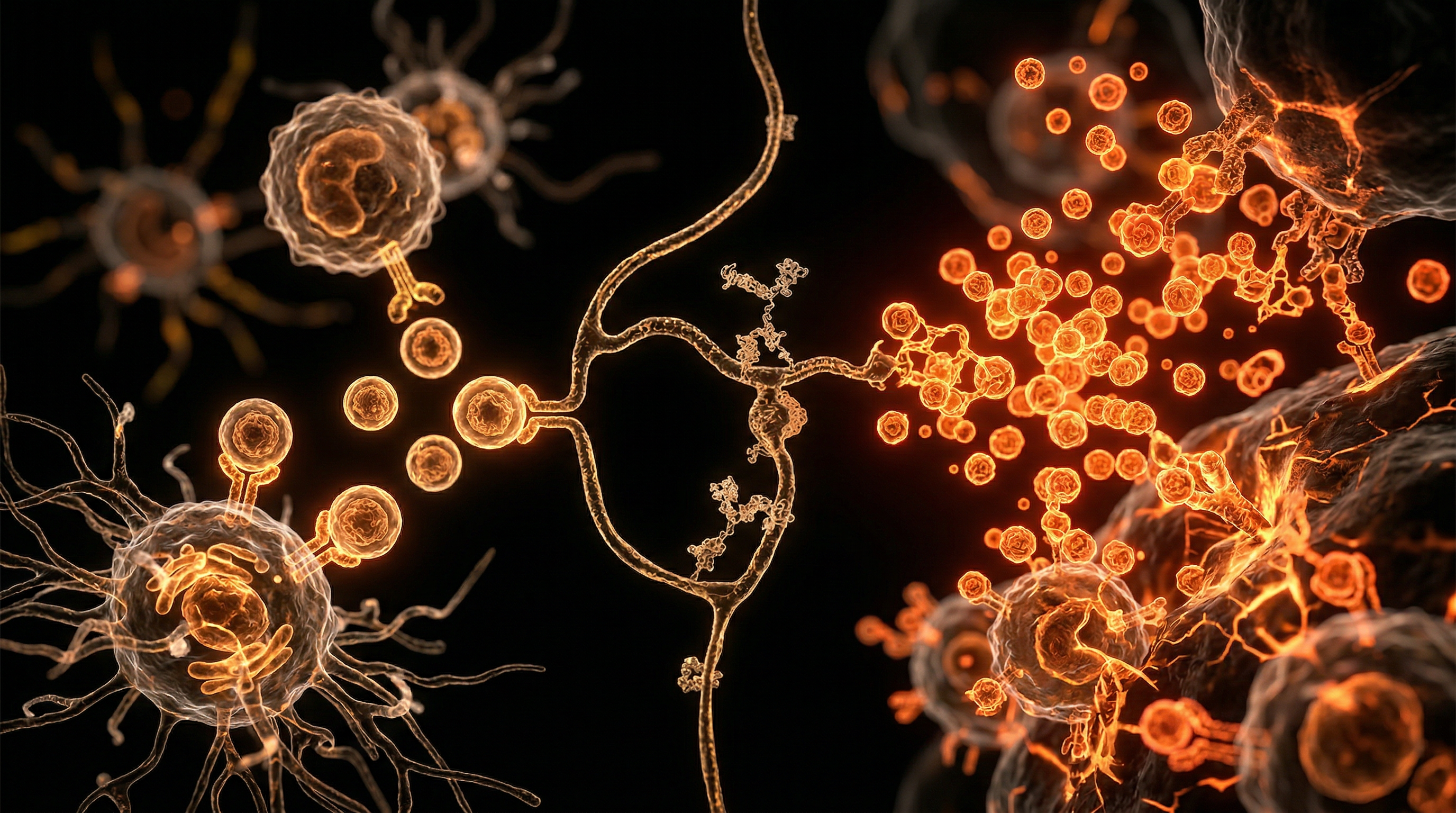
    Inflammation is the immune system's ancient and essential response to infection, injury, and threat — a precisely orchestrated cascade of vascular changes, immune cell recruitment, and chemical signalling designed to eliminate pathogens, clear debris, and initiate tissue repair. Acute inflammation is life-saving; chronic, low-grade systemic inflammation is the defining biological feature of virtually every modern chronic disease, from cardiovascular disease and type 2 diabetes to cancer, Alzheimer's, and autoimmune conditions. The unprecedented levels of chronic inflammation now observed in Western populations — detectable via elevated CRP, IL-6, TNF-alpha, and other biomarkers — are a direct consequence of environmental toxin exposure, processed food consumption, gut dysbiosis, sleep disruption, and psychological stress operating simultaneously.

    #inflammation#cytokines
    C
    Scientific illustration for Cytokines: The Chemical Messengers of Immune Warfare
    Immune System
    14 MIN READ

    Cytokines: The Chemical Messengers of Immune Warfare

    Cytokines — a diverse superfamily of small secreted proteins including interleukins, interferons, tumour necrosis factors, and chemokines — serve as the primary chemical communication network of the immune system, coordinating the activation, proliferation, differentiation, migration, and resolution of immune responses across both innate and adaptive immune compartments. The exquisitely balanced pro-inflammatory and anti-inflammatory cytokine networks that characterise a healthy immune response are systematically disrupted by environmental toxins: heavy metals including mercury and lead stimulate aberrant Th2-dominant responses; pesticides including organophosphates impair interferon-gamma production; lipopolysaccharide (LPS) from leaky gut triggers chronic low-grade TNF-alpha and IL-6 elevation; and EMF exposure has been shown to activate NF-kappaB — the master transcription factor governing inflammatory cytokine production. The resulting state of cytokine dysregulation — detectable as chronically elevated high-sensitivity CRP, IL-6, and TNF-alpha — is now recognised as the common thread linking virtually every chronic disease condition in the modern epidemic.

    #cytokines#interleukins
    I
    Scientific illustration for Inflammation: The Biological Fire That Burns Chronically
    Physiology
    17 MIN READ

    Inflammation: The Biological Fire That Burns Chronically

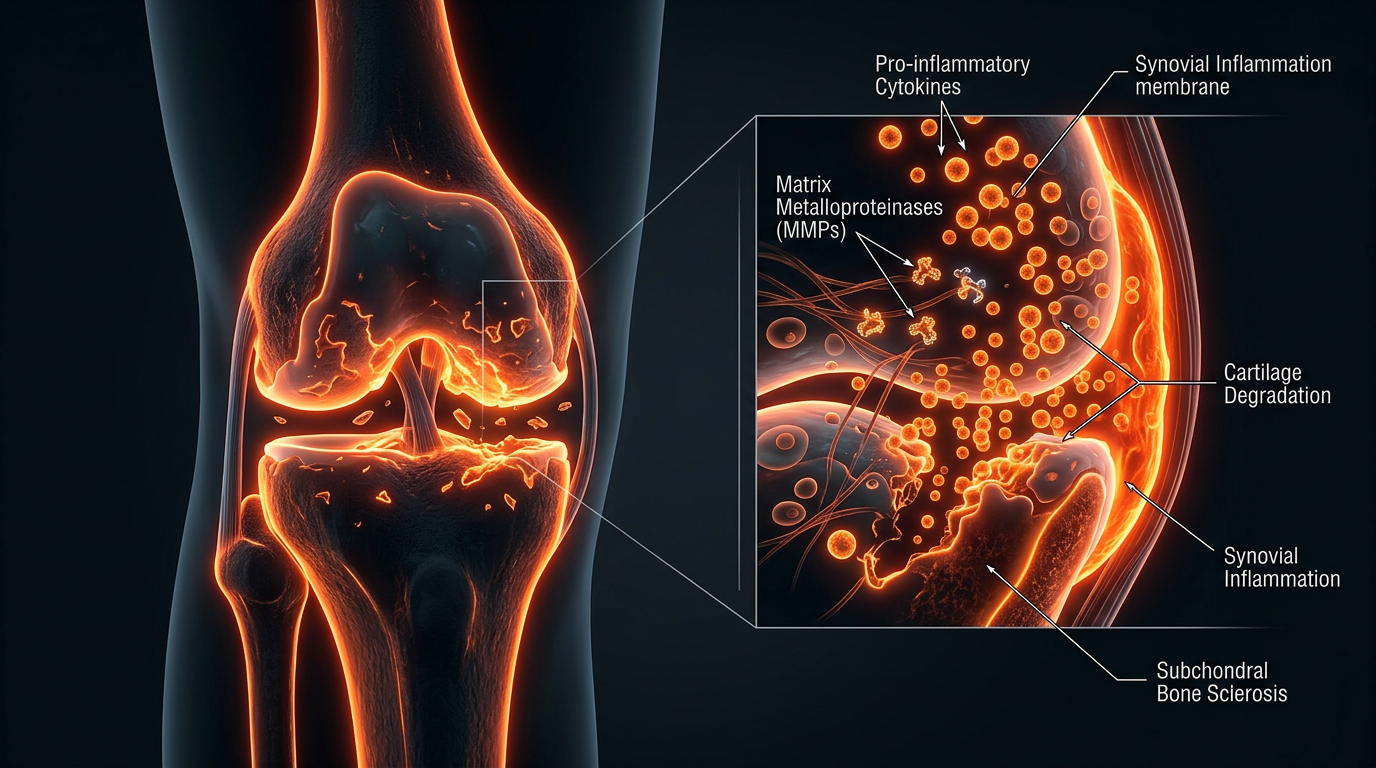
    Acute inflammation is the body's essential wound-healing and pathogen-defence mechanism, orchestrated through prostaglandin synthesis, cytokine signalling, complement activation, and neutrophil mobilisation in a tightly regulated cascade that resolves within days. Chronic low-grade inflammation — driven by persistent gut dysbiosis, toxic burden, glycaemic dysregulation, and omega-6:omega-3 imbalance — hijacks these same pathways into a sustained state of immune activation that is the common underlying mechanism of cardiovascular disease, type 2 diabetes, cancer, neurodegenerative conditions, and autoimmune disease. The pharmaceutical industry's answer — anti-inflammatory drugs that block these pathways without addressing their cause — treats the smoke alarm whilst ignoring the fire.

    #inflammation#cytokines
    N
    Scientific illustration for Neuroinflammation: The Biological Root of Mental Illness
    Immune System
    12 MIN READ

    Neuroinflammation: The Biological Root of Mental Illness

    Neuroinflammation — the activation of the brain's resident immune cells, the microglia, in response to blood-brain barrier disruption, systemic inflammatory signals, heavy metal accumulation, viral or bacterial insult, or oxidative stress — is now recognised by leading neuroscientists as the primary biological driver of depression, anxiety disorders, bipolar disorder, schizophrenia, and the majority of conditions currently categorised as psychiatric illness. Pro-inflammatory cytokines including IL-1β, IL-6, and TNF-α cross the blood-brain barrier and directly inhibit tryptophan hydroxylase (reducing serotonin synthesis), disrupt dopamine signalling, and impair hippocampal neurogenesis — the biological mechanisms of the mood disorders for which the NHS prescribes SSRIs and antipsychotics without addressing the underlying inflammatory aetiology. This paradigm shift from chemical imbalance to immune-inflammatory models of mental illness has profound and largely unimplemented implications for psychiatry.

    #neuroinflammation#microglia