
The Cholinergic Anti-Inflammatory Pathway: Why NHS Stress Management Fails
Published April 2026
This article explores the specific neural mechanism known as the cholinergic anti-inflammatory pathway, which allows the vagus nerve to directly modulate systemic inflammation. We examine how the release of acetylcholine interacts with alpha-7 nicotinic receptors on macrophages to suppress cytokine production. Understanding this circuit reveals why conventional advice to 'just relax' is insufficient without targeted biological restoration of vagal tone.
Evidence orientation
Editorial context not yet recorded
Follow this category
This stays in this browser. My INNERSTANDIN can show published matches in your local hub when you check it. It does not send email, push, or alert notifications.
Local learning review
A private browser aid for revisiting ideas. It is not an alert or a health recommendation.
Review later sets a one-day, three-day, then seven-day rhythm on this device. Choose it only when you want to revisit this article.
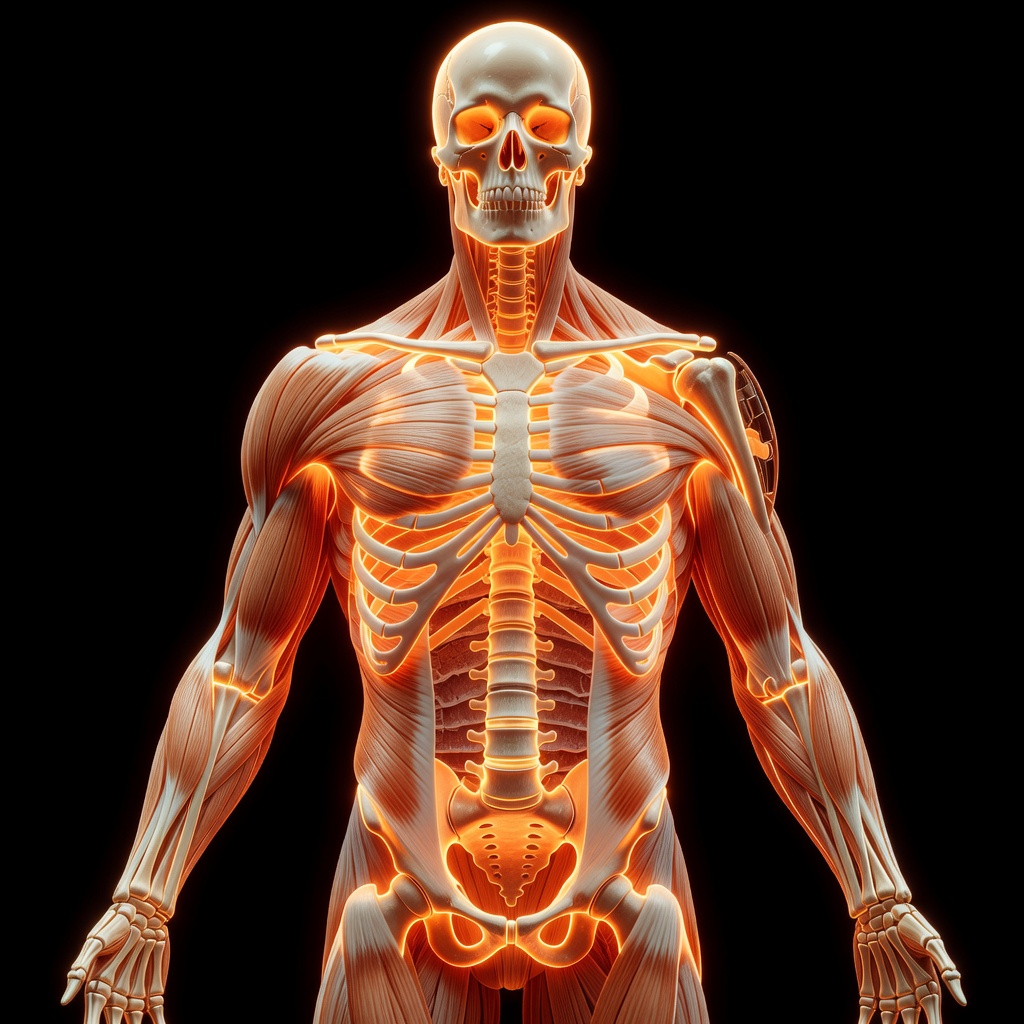
The biological bridge between the nervous system and the immune system is perhaps most clearly evidenced by the cholinergic anti-inflammatory pathway (CAP). In mainstream clinical practice across the UK, inflammation is frequently treated as an isolated chemical event, managed with corticosteroids or NSAIDs that address the symptoms rather than the regulatory failure. However, the CAP suggests that the parasympathetic nervous system, specifically the vagus nerve, acts as a real-time rheostat for systemic inflammation. The mechanism begins with the detection of peripheral cytokines by vagal afferent fibers, which then relay this information to the nucleus tractus solitarius in the brainstem. In a healthy biological state, the efferent arm of the vagus nerve responds by releasing acetylcholine (ACh) in the proximity of immune cells.
The critical intersection occurs when ACh binds to the alpha-7 nicotinic acetylcholine receptor (alpha7nAChR) expressed on the surface of macrophages and other cytokine-producing cells. This binding triggers an intracellular signaling cascade that inhibits the translocation of nuclear factor-kappa B (NF-kB) into the nucleus, thereby significantly reducing the production of pro-inflammatory cytokines such as TNF-alpha, IL-1beta, and IL-6. When this pathway is compromised—often due to chronic sympathetic dominance or physical vagal compression—the body loses its innate 'brake' on the immune response, leading to the low-grade chronic inflammation that underpins metabolic syndrome and autoimmune conditions. Conventional medicine misses this because it lacks a diagnostic framework for vagal efficiency, focusing instead on the markers of the damage rather than the regulatory architecture. Research from the Feinstein Institutes for Medical Research has demonstrated that bioelectronic stimulation of this pathway can induce remission in patients with rheumatoid arthritis, yet these findings are rarely integrated into standard primary care.
Environmental factors such as high-frequency noise pollution and excessive artificial blue light exposure act as constant stressors that degrade vagal tone. To restore this pathway, one must look beyond simple deep breathing. Practical restoration requires high-intensity interval training to improve autonomic flexibility, the consumption of choline-rich foods to provide the precursors for acetylcholine synthesis, and the application of transcutaneous auricular vagus nerve stimulation (tVNS) to manually reset the cholinergic circuit. By targeting the alpha7nAChR mechanism, we move from symptom management to biological restoration.
This article is provided for informational and educational purposes only. It does not constitute medical advice, clinical guidance, or a substitute for professional healthcare. Information reflects cited research at time of publication. Always consult a qualified healthcare professional before acting on any health information.
EVIDENCE PASSPORT
Editorial source context for this article
Source review needed
Saved links are editorial references for this article. They may support specific claims rather than every sentence. Open and assess each source in context. This passport does not independently verify them.
Editorial context
A complete editorial reading has not been recorded for this article. Source links remain available for you to open and assess directly.
Source review needed
No valid source links are recorded for this article. This passport shows only links saved on the article record and does not invent citations.
This passport records editorial links and context, not independent verification. Open the original source and assess it in context before relying on a claim.
Medical Disclaimer
The information in this article is for educational purposes only and does not constitute medical advice, diagnosis, or treatment. Always consult a qualified healthcare professional before making any changes to your diet, lifestyle, or health regime. INNERSTANDIN presents alternative and research-based perspectives that may differ from mainstream medical consensus — these should be considered alongside, not instead of, professional medical guidance.
Read Full DisclaimerContinue the thread
Keep this question moving.
Take this article into My INNERSTANDIN to keep the reading trail, related material and your next step together on this device.