Endothelial Dysfunction: Pro-inflammatory Cytokine Cascades in Low-Dose Mercury-Induced Cardiovascular Disease
An exploration of how chronic low-level mercury exposure acts as a silent driver of cardiovascular disease by triggering systemic inflammation, oxidative stress, and the breakdown of endothelial integrity.
# Introduction The endothelium, once considered a simple, passive barrier lining the blood vessels, is now recognised as a highly dynamic endocrine organ essential for vascular homeostasis. It regulates vascular tone, platelet aggregation, and leukocyte adhesion through the sophisticated release of signalling molecules. However, the integrity of this monolayer is increasingly threatened by environmental pollutants, most notably mercury (Hg). While acute high-level mercury poisoning is well-documented, current clinical focus is shifting toward the insidious effects of chronic, low-dose exposure. Evidence suggests that even at levels previously considered safe, mercury can initiate pro-inflammatory cytokine cascades that culminate in endothelial dysfunction, a foundational precursor to atherosclerosis, hypertension, and ischaemic heart disease. ## The Endothelium as a Primary Target Mercury possesses a unique biochemical affinity for the vascular system.
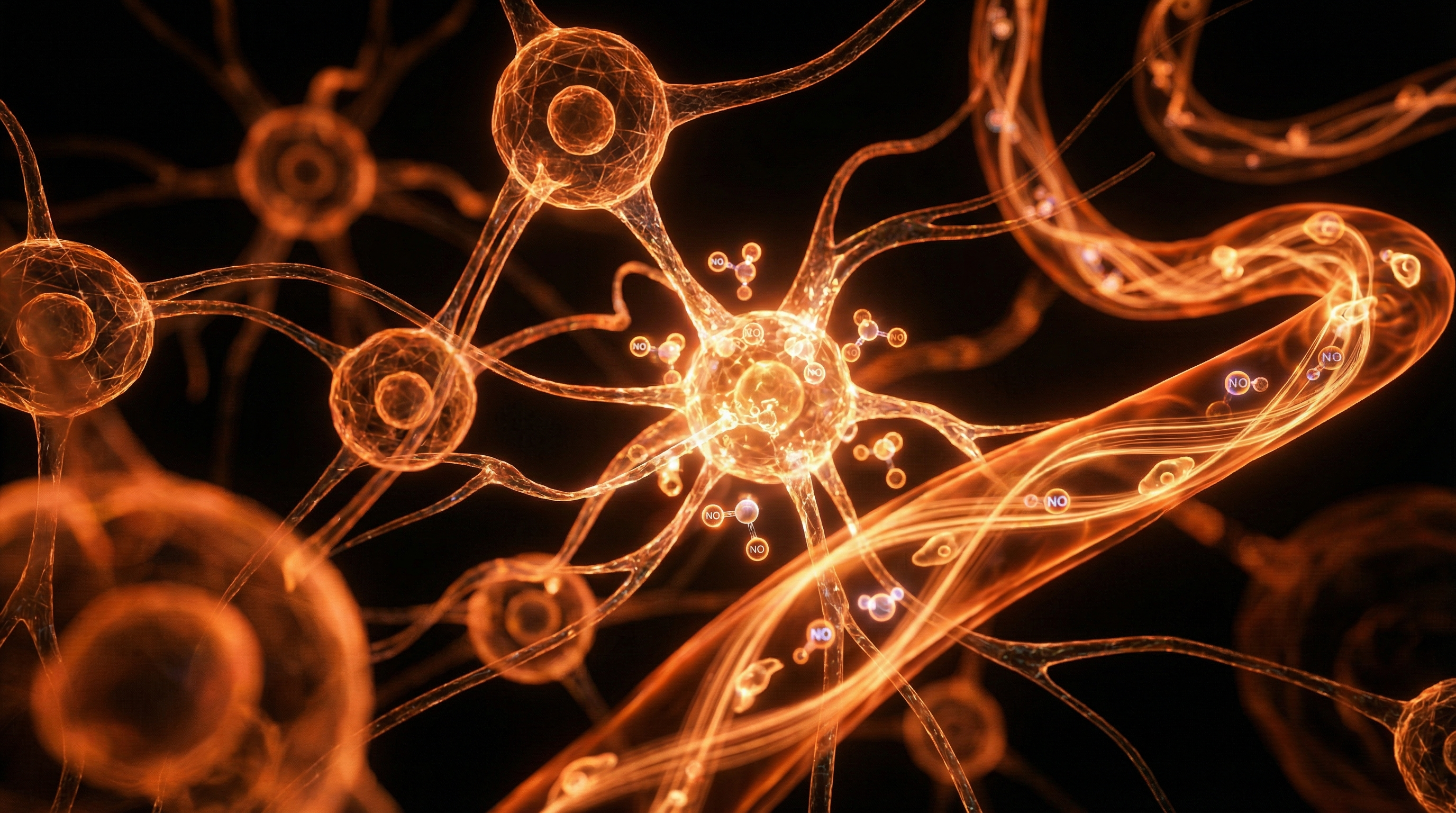
Whether inhaled as vapour from dental amalgams or ingested as methylmercury (MeHg) via contaminated seafood, mercury rapidly enters the bloodstream and binds to albumin and other thiols. The endothelium is the first point of contact. Mercury’s high affinity for sulfhydryl (-SH) groups allows it to interfere with protein function and enzymatic activity within endothelial cells, disrupting the delicate balance of nitric oxide (NO) production—the primary molecule responsible for vasodilation and vascular protection. ## The Molecular Mechanism: NF-kB and the Cytokine Storm The transition from mercury exposure to cardiovascular disease is primarily mediated through the activation of the Nuclear Factor-kappa B (NF-kB) pathway. NF-kB is a master transcriptional regulator of the inflammatory response. Chronic exposure to low doses of mercury induces oxidative stress, which acts as a powerful stimulus for NF-kB activation.
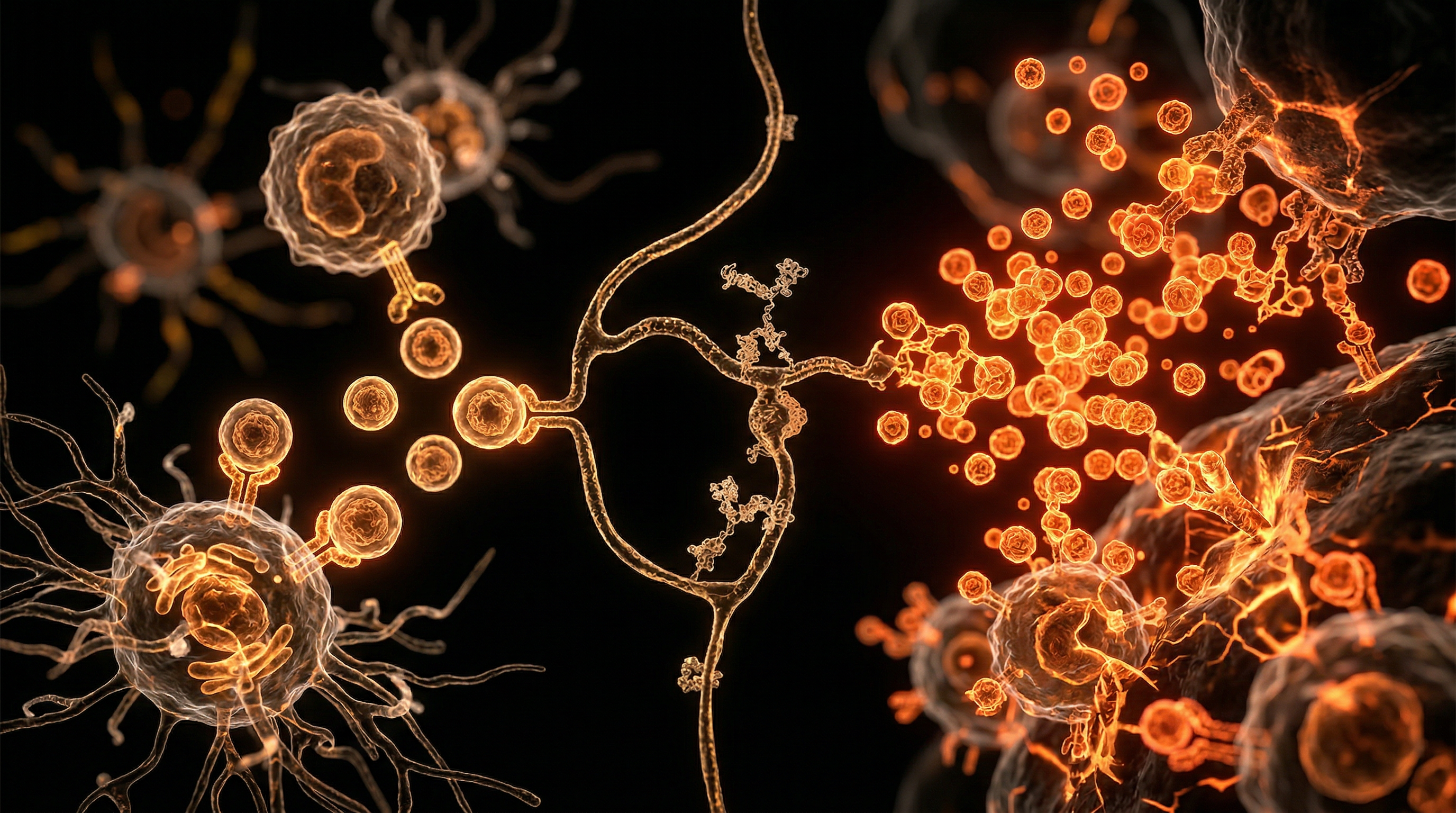
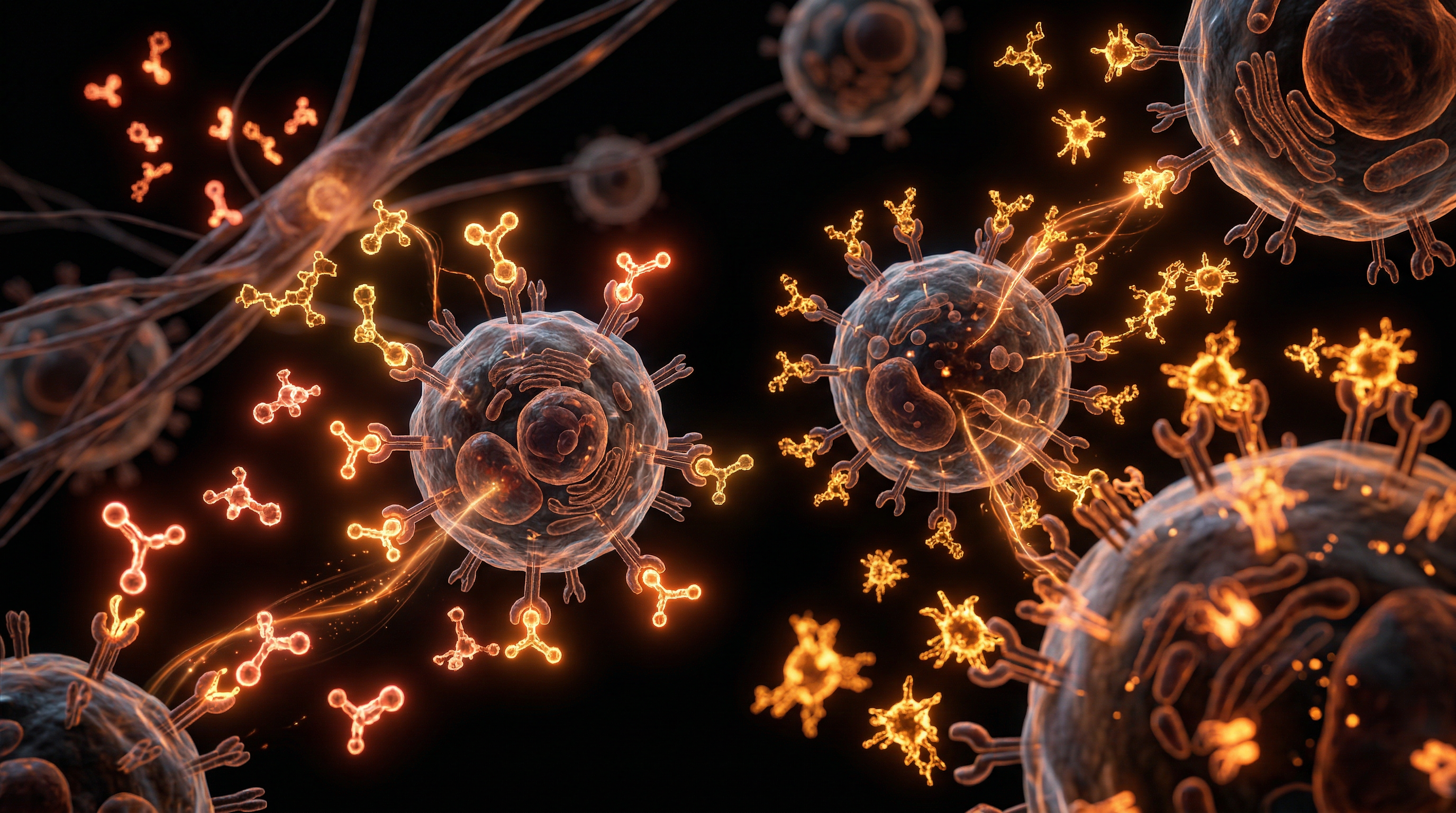
Once activated, NF-kB translocates to the nucleus, triggering the expression of several pro-inflammatory cytokines, including Tumor Necrosis Factor-alpha (TNF-α) and Interleukin-6 (IL-6). These cytokines do not act in isolation; they create a self-perpetuating feedback loop. TNF-α increases the expression of adhesion molecules such as Vascular Cell Adhesion Molecule-1 (VCAM-1) and Intercellular Adhesion Molecule-1 (ICAM-1) on the endothelial surface. These molecules act like 'molecular velcro,' causing circulating leukocytes (white blood cells) to adhere to the vessel wall. This recruitment of inflammatory cells into the sub-endothelial space is the definitive first step in the formation of atherosclerotic plaques. ## Oxidative Stress and the Loss of Nitric Oxide A critical hallmark of mercury-induced endothelial dysfunction is the reduction in Nitric Oxide (NO) bioavailability.
Mercury promotes the production of Reactive Oxygen Species (ROS), such as superoxide anions. Superoxide reacts rapidly with NO to form peroxynitrite, a potent oxidant. This reaction not only depletes the pool of protective NO—leading to vasoconstriction and increased blood pressure—but also 'uncouples' the enzyme endothelial Nitric Oxide Synthase (eNOS). When eNOS is uncoupled, it produces more superoxide instead of NO, creating a vicious cycle of oxidative damage. Furthermore, mercury inhibits the activity of glutathione peroxidase and other selenium-dependent enzymes.
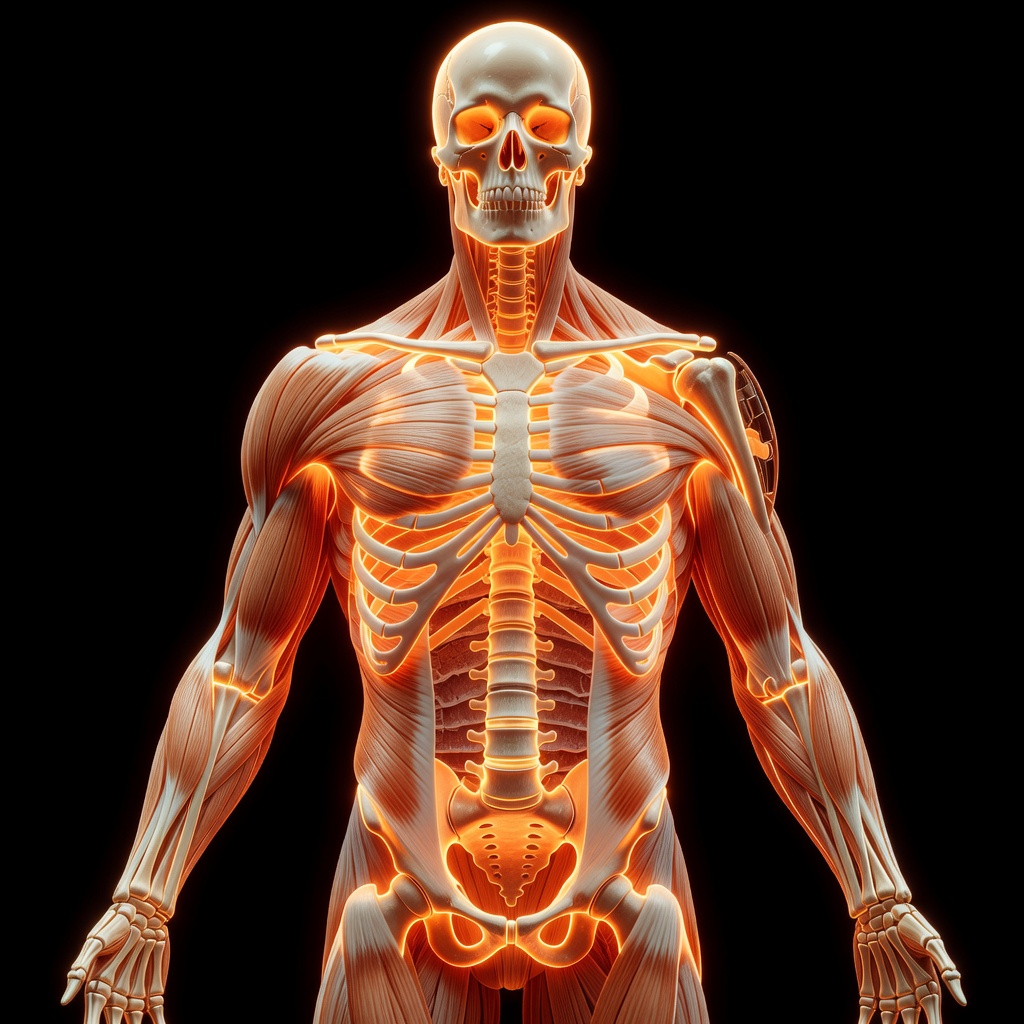
Selenium is essential for the detoxification of mercury; by binding to selenium, mercury effectively 'steals' this vital mineral, leaving the cardiovascular system vulnerable to lipid peroxidation and further endothelial injury. ## From Dysfunction to Cardiovascular Disease The clinical consequences of these molecular events are profound. The sustained pro-inflammatory state induced by mercury leads to a progressive stiffening of the arteries and the development of hypertension. As the cytokine cascade persists, the vascular wall undergoes structural remodelling. IL-6 stimulates the production of C-Reactive Protein (CRP) in the liver, a well-known independent risk factor for myocardial infarction. Moreover, the chronic activation of Monocyte Chemoattractant Protein-1 (MCP-1) facilitates the migration of macrophages into the arterial wall, where they engulf oxidised LDL cholesterol to become foam cells, forming the fatty streaks of early-stage atherosclerosis.
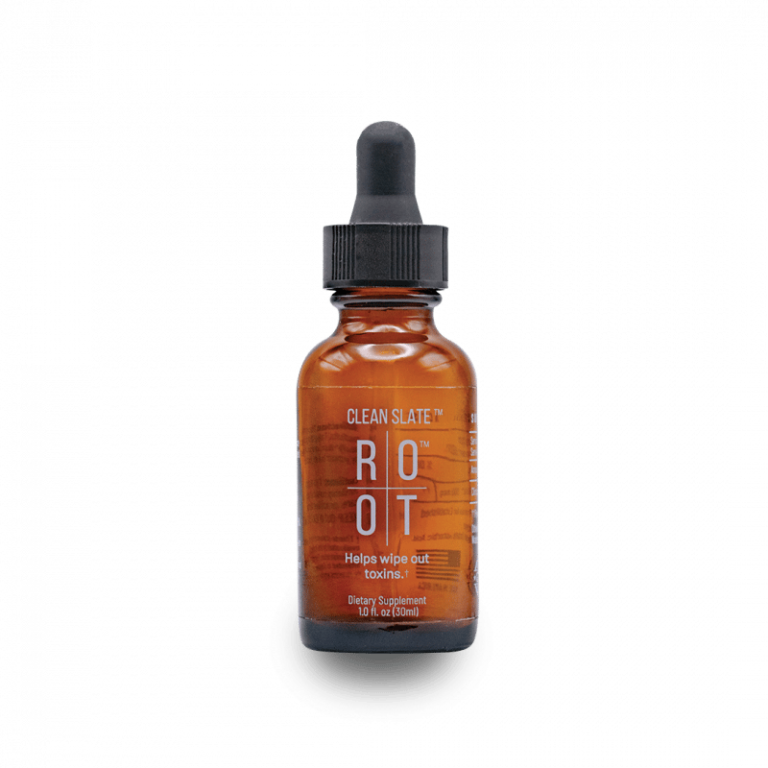
Clean Slate – Detoxes thousands of chemicals,heavy metals, pesticides, allergens, mold spores and fungus
Clean Slate is a cellular-level detoxifier that targets heavy metals, pesticides, and environmental toxins to unblock your body's natural defense pathways. It helps reduce systemic inflammation and restores the nutrient absorption sites often compromised by modern toxicity.
Vetting Notes
Pending
In individuals with existing cardiovascular risk factors—such as metabolic syndrome or poor dietary status—the addition of low-dose mercury can act as a tipping point, accelerating the progression of microvascular and macrovascular complications. ## Root-Cause Management and Clinical Implications Addressing mercury-induced cardiovascular risk requires a shift toward root-cause environmental medicine. Screening for heavy metal burdens is rarely part of standard cardiovascular assessments in the UK, yet it may provide the missing link for patients with 'unexplained' hypertension or premature arterial ageing. Therapeutic interventions should focus on several key areas: 1. Selenium Optimisation: Because mercury sequesters selenium, ensuring adequate levels is crucial for restoring antioxidant defences and neutralising mercury’s toxicity. 2. Supporting Glutathione: As the body's primary endogenous antioxidant and detoxifier, glutathione is essential for mercury excretion.
N-acetylcysteine (NAC) and liposomal glutathione can support these pathways. 3. Endothelial Support: Nutrients that support the eNOS pathway, such as L-arginine, beetroot nitrates, and polyphenols (e.g., quercetin, resveratrol), can help restore NO bioavailability. 4. Source Identification: Identifying and mitigating sources of exposure, including industrial pollution and high-mercury fish consumption, is the first step in any detoxification protocol. ## Conclusion Endothelial dysfunction is not merely a symptom of ageing; it is a dynamic process influenced by our chemical environment. Low-dose mercury exposure represents a significant, yet often overlooked, driver of cardiovascular morbidity. By triggering pro-inflammatory cytokine cascades and depleting the body’s antioxidant reserves, mercury undermines the very foundation of vascular health.
For platforms like INNERSTANDING, the goal is to empower individuals with the knowledge that cardiovascular health is inextricably linked to our toxicological burden. Recognising the role of mercury in systemic inflammation allows for more targeted, effective interventions that address the true root causes of heart disease.
This article is provided for informational and educational purposes only. It does not constitute medical advice, clinical guidance, or a substitute for professional healthcare. Information reflects cited research at time of publication. Always consult a qualified healthcare professional before acting on any health information.
RESEARCH FOUNDATIONS
Biological Credibility Archive
Citations provided for educational reference. Verify via PubMed or institutional databases.
Medical Disclaimer
The information in this article is for educational purposes only and does not constitute medical advice, diagnosis, or treatment. Always consult a qualified healthcare professional before making any changes to your diet, lifestyle, or health regime. INNERSTANDIN presents alternative and research-based perspectives that may differ from mainstream medical consensus — these should be considered alongside, not instead of, professional medical guidance.
Read Full DisclaimerReady to learn more?
Continue your journey through our classified biological research.
DISCUSSION ROOM
Members of THE COLLECTIVE discussing "Endothelial Dysfunction: Pro-inflammatory Cytokine Cascades in Low-Dose Mercury-Induced Cardiovascular Disease"
SILENT CHANNEL
Be the first to discuss this article. Your insight could help others understand these biological concepts deeper.
THE ARSENAL
Based on Mercury Toxicity — products curated by our research team for educational relevance and biological support.
Clean Slate – Detoxes thousands of chemicals,heavy metals, pesticides, allergens, mold spores and fungus
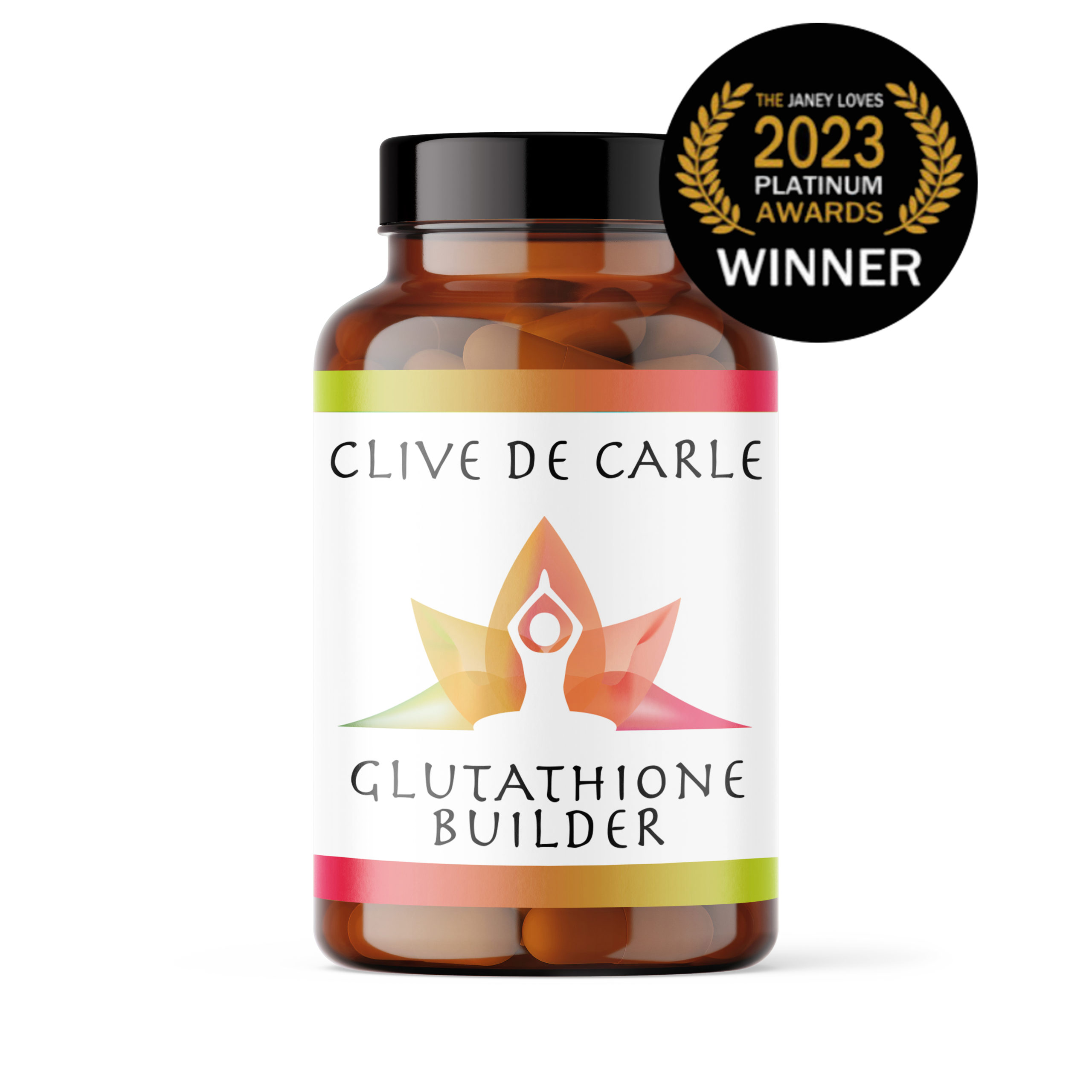
Glutathione Builder – Advanced Amino Acid Formula

Immuno – Daily Support for the Immune System
INNERSTANDING may earn a commission on purchases made through these links. All products are selected based on rigorous educational relevance to our biological research.
RABBIT HOLE
Follow the biological thread deeper