
The Microbiome: The 39 Trillion Organisms Running Your Health
Updated June 2026
The human microbiome — the collective genome of the trillions of bacteria, archaea, fungi, viruses, and protozoa residing primarily in the gastrointestinal tract — encodes over 3 million unique genes, dwarfing the 23,000 genes of the human genome and performing metabolic functions that the human body cannot accomplish alone. This microbial community synthesises essential vitamins including B12, K2, and folate, regulates the immune system, produces short-chain fatty acids that fuel the colonocytes of the gut wall, and communicates directly with the brain via the vagus nerve and the production of neurotransmitter precursors including 95% of the body's serotonin. The catastrophic decimation of microbiome diversity through antibiotic overuse, glyphosate consumption, processed food diets, and the loss of traditional fermented foods is arguably the single most consequential public health crisis of our era, with knock-on effects extending to mental health, immunity, metabolism, and the intergenerational inheritance of microbial communities from mother to child.
Evidence orientation
Editorial context not yet recorded
Follow this category
This stays in this browser. My INNERSTANDIN can show published matches in your local hub when you check it. It does not send email, push, or alert notifications.
Local learning review
A private browser aid for revisiting ideas. It is not an alert or a health recommendation.
Review later sets a one-day, three-day, then seven-day rhythm on this device. Choose it only when you want to revisit this article.
Overview
To grasp the physiological reality of the human holobiont, one must first dismantle the archaic view of the body as a discrete, self-contained biological unit. At INNERSTANDIN, we recognise that the human organism is a complex chimeric architecture, a co-evolutionary synthesis where 39 trillion microbial cells—outnumbering human cells by a ratio of approximately 1.3:1—act as a non-genomic extension of our own physiology. This vast ecosystem, primarily concentrated within the distal ileum and colon, possesses a metagenome that exceeds the human genome by a factor of 150 to 1. It is not merely a passive collection of commensals; it is a dynamic, bioreactive organ that orchestrates systemic haemostasis, metabolic flux, and immunological maturation.
The phylogenetic composition of this "forgotten organ" is dominated by the Firmicutes and Bacteroidetes phyla, yet its functional capacity is defined by its metabolic output rather than its taxonomic census. Central to this is the fermentation of non-digestible polysaccharides into short-chain fatty acids (SCFAs), notably butyrate, propionate, and acetate. Research published in The Lancet and Nature underscores the role of butyrate as the primary energy substrate for colonocytes and a potent epigenetic modulator via the inhibition of histone deacetylases (HDACs). This biochemical signaling regulates the expression of genes involved in cell proliferation and apoptosis, providing a crucial mechanism for mucosal integrity.
Furthermore, the microbiome serves as the primary instructor for the host’s immune system. Approximately 70-80% of the body’s immune cells reside in the Gut-Associated Lymphoid Tissue (GALT). Evidence from the British Gut Project has demonstrated that microbial diversity is directly correlated with the regulation of T-regulatory (Treg) cells, which prevent systemic inflammation and autoimmune hypersensitivity. The "Leaky Gut" phenomenon—technically termed increased intestinal permeability—occurs when microbial dysbiosis compromises the tight junctions (zona occludens), allowing lipopolysaccharides (LPS) to translocate into the bloodstream, triggering a cascade of metabolic endotoxaemia and systemic low-grade inflammation.
At INNERSTANDIN, we emphasize the Gut-Brain Axis as a critical pathway of internal communication. Through the production of neurotransmitters such as gamma-aminobutyric acid (GABA) and the modulation of the vagus nerve, the microbiome directly influences neurogenesis and neuroinflammation. Peer-reviewed data in PubMed confirms that microbial metabolites cross the blood-brain barrier, suggesting that our cognitive and emotional states are, in part, a manifestation of microbial signaling. We are not merely hosting these organisms; we are biologically inseparable from them. Their metabolic directives are our physiological destiny.
The Biology — How It Works
To conceptualise the human microbiome as merely a collection of commensal passengers is a fundamental biological oversight. At INNERSTANDIN, we recognise this assembly as a high-fidelity, bioreactive organ system—a "metagenomic engine" that operates with a genetic complexity exceeding our own by a factor of 150 to one. This 39-trillion-strong consortium, predominantly localised within the distal ileum and colon, dictates the physiological state of the host through three primary vectors: metabolic signalling, immune education, and neuro-endocrine modulation.
The primary mechanism of microbial influence is the fermentation of non-digestible polysaccharides into short-chain fatty acids (SCFAs), specifically butyrate, propionate, and acetate. This is not a passive byproduct of digestion; it is a critical epigenetic regulator. Butyrate serves as the primary energy source for colonocytes and acts as a potent histone deacetylase (HDAC) inhibitor. Research published in The Lancet and Nature Reviews Gastroenterology & Hepatology demonstrates that this HDAC inhibition suppresses pro-inflammatory cytokines such as TNF-α and IL-6, effectively silencing the genetic pathways of systemic inflammation. Furthermore, SCFAs bind to G-protein-coupled receptors (GPCRs), specifically GPR41 and GPR43, which modulate the secretion of glucagon-like peptide-1 (GLP-1) and peptide YY (PYY), thereby governing insulin sensitivity and satiety.
The structural integrity of the intestinal barrier represents the frontline of human immunology. The microbiome maintains the "tight junctions"—the protein complexes including occludin and zonulin—that prevent intestinal permeability. When dysbiosis occurs, often exacerbated by the hyper-processed British diet, the resulting translocation of lipopolysaccharides (LPS) from the cell walls of Gram-negative bacteria into the systemic circulation triggers a state of metabolic endotoxaemia. This is the physiological "truth" behind modern chronic disease: a persistent, low-grade immune activation that degrades the vascular endothelium and compromises mitochondrial efficiency.
Beyond the gut, the microbiome operates via the bidirectional Vagus nerve pathway, often referred to as the gut-brain axis. Bacteria such as Lactobacillus and Bifidobacterium are prolific biosynthetic factories for neurotransmitters; up to 95% of the body’s serotonin and 50% of its dopamine are produced within the enteric environment. Peer-reviewed data from the British Journal of Nutrition underscores that microbial metabolites regulate the kynurenine pathway, determining whether dietary tryptophan is converted into the neuroprotective serotonin or the neurotoxic quinolinic acid. At INNERSTANDIN, we view this as the biological basis for cognitive health, where the microbial composition dictates the literal chemistry of thought and mood. This is a complex, symbiotic architecture that does not merely inhabit the body—it governs the host’s evolutionary trajectory and daily physiological performance.
Mechanisms at the Cellular Level
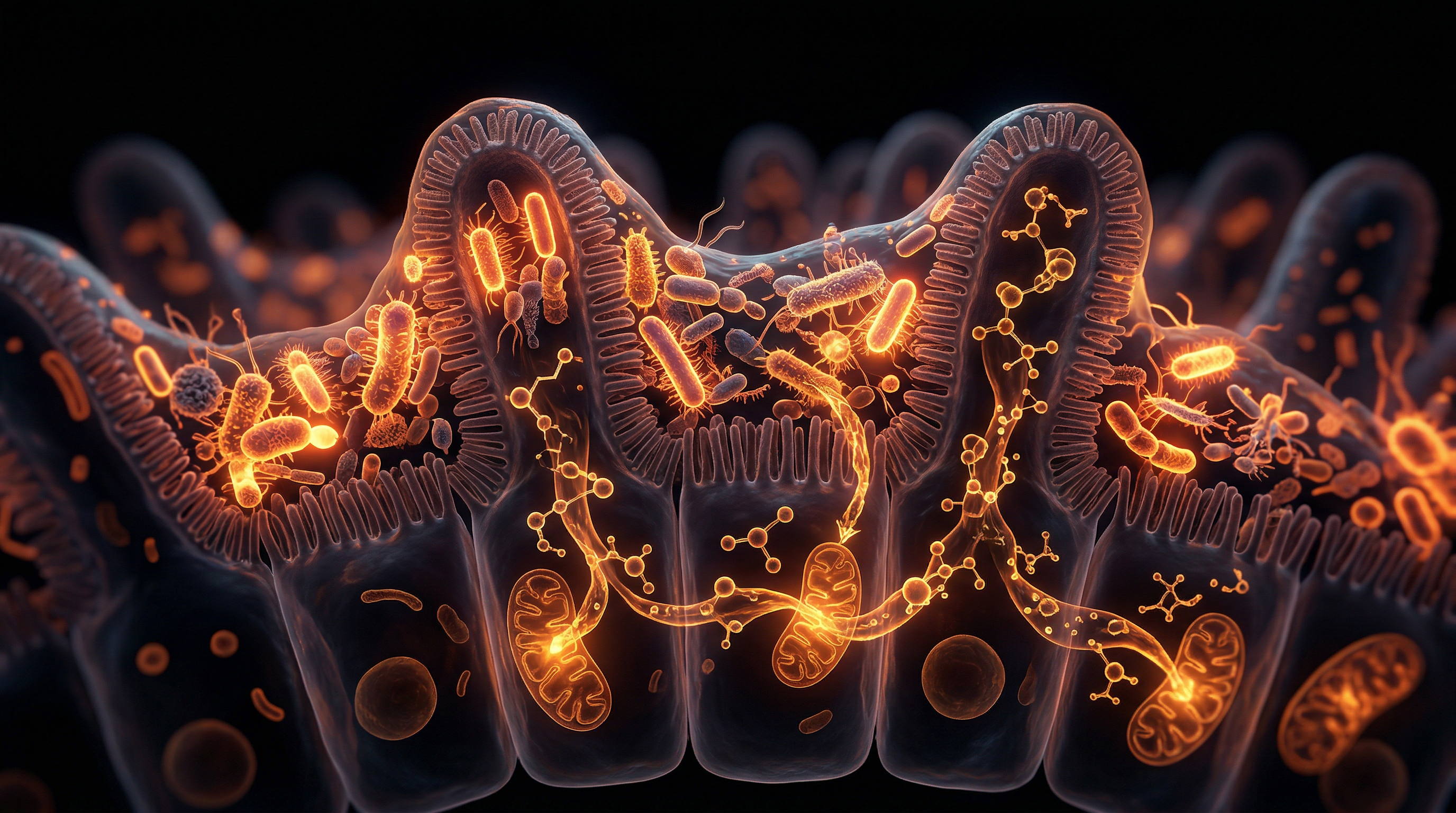
To achieve a profound INNERSTANDIN of the human physiological landscape, one must view the 39 trillion microbial constituents not as commensal passengers, but as a distal metabolic organ integrated into our cellular architecture. At the nexus of this interaction is the intestinal epithelium—a single-layer barrier where the molecular dialogue between host and microbe dictates systemic homeostasis. The primary mechanism of cellular influence is the production of microbial metabolites, most notably short-chain fatty acids (SCFAs) like butyrate, propionate, and acetate, derived from the fermentation of non-digestible polysaccharides.
Research published in The Lancet Gastroenterology & Hepatology highlights that butyrate acts as a critical epigenetic modulator. Specifically, it functions as a histone deacetylase (HDAC) inhibitor. By inhibiting HDACs within colonic epithelial cells and regulatory T-cells (Tregs), butyrate promotes an acetylated state of chromatin, facilitating the expression of the FOXP3 gene. This cellular programming is essential for the induction of immune tolerance, preventing the chronic low-grade inflammation that underpins metabolic syndrome and autoimmune pathologies. Furthermore, butyrate serves as the primary oxidative fuel for colonocytes, maintaining a state of physiological hypoxia in the gut lumen—a condition necessary to prevent the overgrowth of facultative anaerobes and proteobacteria associated with dysbiosis.
Beyond the gut wall, the microbiome exerts systemic control through G-protein coupled receptors (GPCRs), such as GPR41 and GPR43 (also known as Free Fatty Acid Receptors 2 and 3). Evidence curated via PubMed indicates that when microbial SCFAs bind to these receptors on enteroendocrine L-cells, they trigger the secretion of glucagon-like peptide-1 (GLP-1) and peptide YY (PYY). This mechanism directly modulates insulin sensitivity and satiety signals in the hypothalamus, effectively placing the microbiome at the helm of host energy metabolism.
The cellular impact extends to the "leaky gut" phenomenon, or increased intestinal permeability. The microbiome regulates the assembly of tight junction proteins, including claudin-1, occludin, and zonula occludens-1 (ZO-1). In a state of dysbiosis, the translocation of lipopolysaccharides (LPS)—endotoxins from the cell walls of Gram-negative bacteria—into the portal circulation triggers a cascade of Toll-like receptor 4 (TLR4) activation. Data from the British Gut Project suggests that this endotoxaemia is a primary driver of systemic inflammation in the UK population, linking gut health to neuroinflammation and cardiovascular decline. By fortifying the paracellular pathway at a molecular level, the microbiome acts as the first line of defence in maintaining the integrity of the host’s internal environment. Through this intricate biochemical orchestration, the microbiome proves itself to be the dominant force in human physiology, necessitating a total recalibration of our INNERSTANDIN of cellular biology.
Environmental Threats and Biological Disruptors
The architectural integrity of the human holobiont is currently facing an unprecedented assault from the anthropogenic landscape. While the 39 trillion microbial inhabitants of the gastrointestinal tract have evolved over millennia in a symbiotic cadence with Homo sapiens, the rapid introduction of synthetic xenobiotics and industrialised dietary protocols has induced a state of phylogenetic "discordance." At INNERSTANDIN, we must scrutinise the molecular mechanisms by which these environmental disruptors dismantle the commensal equilibrium, as the systemic consequences extend far beyond simple indigestion, manifesting as chronic metabolic and immunological dysfunction.
The most egregious violator of microbial homeostasis is the indiscriminate administration of broad-spectrum antibiotics. Research published in The Lancet Infectious Diseases highlights that even a single course of certain antibiotics can deplete the diversity of the microbiota for up to twelve months, with some "keystone species"—those essential for maintaining the ecological structure—failing to recover entirely. This taxonomic depletion often results in a "Proteobacterial bloom," where opportunistic pathogens exploit the vacant niche, leading to a persistent pro-inflammatory state. Furthermore, the UK’s high reliance on livestock treated with sub-therapeutic doses of antimicrobials ensures a steady, low-level ingestion of these compounds, fostering a reservoir of antimicrobial resistance (AMR) genes within the human distal gut.
Simultaneously, the prevalence of ultra-processed foods (UPFs) in the British diet provides a secondary, equally insidious, vector for disruption. Dietary emulsifiers, specifically carboxymethylcellulose (CMC) and polysorbate 80, have been shown in peer-reviewed models to directly degrade the protective mucosal layer. This mucus thinning allows bacteria to encroach upon the intestinal epithelium, triggering an innate immune response via Toll-like receptor 5 (TLR5). This mechanism, as detailed in Nature, facilitates the translocation of lipopolysaccharides (LPS) into the bloodstream—a phenomenon known as metabolic endotoxaemia—which underpins the pathogenesis of systemic insulin resistance and obesity.
Furthermore, the ubiquity of glyphosate and other organophosphate pesticides represents a critical biochemical threat. While proponents of these chemicals argue that the "Shikimate pathway" they target is absent in mammalian cells, this ignores the fundamental reality that this pathway is present in the majority of our gut microbes. By inhibiting the 5-enolpyruvylshikimate-3-phosphate synthase (EPSPS) enzyme, these residues selectively suppress beneficial taxa such as Bifidobacterium and Lactobacillus, while promoting the growth of pathogenic Clostridia.
Emerging evidence regarding microplastic ingestion further complicates this biological landscape. Average UK citizens are estimated to ingest thousands of microplastic particles annually. These particles serve as vectors for environmental toxins (adsorption) and provide a "plastisphere" for the cultivation of atypical microbial biofilms that can disrupt the delicate electrochemical signalling of the enteric nervous system. At INNERSTANDIN, we recognise that the erosion of our microbial heritage is not merely an environmental concern, but a fundamental biological crisis that necessitates a radical re-evaluation of our chemical and nutritional exposure. The 39 trillion organisms running our health are being systematically silenced by a landscape they were never designed to inhabit.
The Cascade: From Exposure to Disease
The transition from a state of commensal homeostasis to systemic pathology is not a binary switch, but a complex, multi-stage biochemical cascade initiated by the disruption of the microbial architecture. At INNERSTANDIN, we must look beyond the superficial symptoms to the molecular triggers of this decline. The cascade typically begins with a reduction in microbial alpha-diversity—often the result of the modern British diet, high in ultra-processed emulsifiers and devoid of fermentable polysaccharides. This ecological shift leads to the depletion of keystone species, particularly butyrate-producing Firmicutes such as Faecalibacterium prausnitzii.
As these populations diminish, the concentration of short-chain fatty acids (SCFAs) falls. SCFAs are not merely metabolic byproducts; they are essential signalling molecules that maintain the integrity of the intestinal epithelial barrier. Without sufficient butyrate to fuel colonocytes and stimulate the production of mucin-2 (MUC2), the protective glycocalyx thins. This thinning exposes the underlying epithelium to direct contact with luminal contents, a precursor to increased intestinal permeability, colloquially known as ‘leaky gut’. At this critical juncture, the proteinaceous 'tight junctions'—regulated by zonulin and occludin—begin to decouple.
The breach of this barrier facilitates the translocation of Pathogen-Associated Molecular Patterns (PAMPs), most notably Lipopolysaccharides (LPS) derived from the cell walls of Gram-negative Proteobacteria. Once LPS enters the portal circulation, it initiates a state of 'metabolic endotoxaemia'. This is where the cascade shifts from a localised gastrointestinal event to a systemic immunological crisis. LPS binds to Toll-like Receptor 4 (TLR4) on the surface of macrophages and adipocytes, triggering the NF-κB signalling pathway. This results in a pro-inflammatory cytokine storm, characterised by elevated levels of Interleukin-6 (IL-6), TNF-alpha, and C-reactive protein (CRP).
The systemic implications are profound and well-documented in longitudinal studies within The Lancet and Nature Microbiology. Chronic low-grade inflammation driven by the microbiome is now recognised as a primary driver of insulin resistance, obesity, and cardiovascular disease. Furthermore, the cascade extends to the Central Nervous System via the Vagus nerve and the circumventricular organs. Through the 'Gut-Brain Axis', microbial metabolites and cytokines bypass the blood-brain barrier, activating microglial cells and contributing to neuroinflammation, which is increasingly linked to the rising incidence of neurodegenerative conditions in the UK. At INNERSTANDIN, we recognise that the microbiome is the master regulator; when this 39-trillion-strong ecosystem fails, the physiological cascade toward chronic disease becomes almost inevitable unless the microbial foundation is restored.
What the Mainstream Narrative Omits
The conventional clinical paradigm frequently relegates the human microbiome to the status of a commensal digestive auxiliary, yet this reductionist view ignores the profound reality that the human host is, in biological fact, a holobiont—a multi-species assemblage whose physiological homeostasis is dictated by microbial gene expression. What remains conspicuously absent from mainstream health discourse is the microbiome’s role as an autonomous endocrine organ, capable of systemic epigenetic modulation through the production of bioactive metabolites.
Central to this omitted narrative is the mechanism of metabolic endotoxemia. While the public is briefed on "gut health," there is little discussion regarding the translocation of Lipopolysaccharides (LPS)—pro-inflammatory cell wall components of Gram-negative bacteria—across the intestinal mucosal barrier. Peer-reviewed literature, including pivotal studies in The Lancet Gastroenterology & Hepatology, confirms that even sub-clinical increases in circulating LPS can trigger chronic systemic inflammation via the activation of Toll-like receptor 4 (TLR4). This cascade is a primary driver of metabolic syndrome, insulin resistance, and neuroinflammation, moving the microbiome from a "digestive" concern to a central pillar of cardiovascular and neurological pathology.
Furthermore, the mainstream focus on "probiotic" supplementation ignores the critical kynurenine pathway of tryptophan metabolism. Approximately 95% of the body’s serotonin is produced in the gut, yet the microbial diverted use of tryptophan towards kynurenine—facilitated by dysbiotic flora—leads to the production of neurotoxic metabolites like quinolinic acid. This biochemical shunt is directly implicated in major depressive disorders and neurodegenerative decline, representing a direct microbial bypass of host psychological autonomy.
At INNERSTANDIN, we recognise that the chemical milieu of modern British life—specifically the prevalence of emulsifiers (e.g., carboxymethylcellulose) and non-antibiotic pharmaceuticals like Proton Pump Inhibitors (PPIs)—induces "stealth dysbiosis." These agents alter the physical properties of the mucus layer, allowing bacteria to penetrate the epithelial crypts. Research in Nature Communications demonstrates that these alterations are not merely local; they facilitate a systemic "re-programming" of the host’s immune system, potentially explaining the meteoric rise in autoimmune prevalence across the UK. The narrative must shift from "good versus bad" bacteria to a sophisticated understanding of microbial metabolite flux, where short-chain fatty acids (SCFAs) like butyrate function as potent histone deacetylase (HDAC) inhibitors, directly silencing or activating human genes. We are not merely hosting these 39 trillion organisms; we are, at a molecular level, being operated by them.
The UK Context
In the United Kingdom, the physiological landscape of the microbiome is defined by a paradoxical state of advanced industrialisation and profound biological depletion. Data derived from the British Gut Project—the UK-based arm of the Microsetta Initiative—reveals a systemic reduction in microbial alpha-diversity across the British population compared to non-Westernised cohorts. This "extinction event" within the human distal colon is not a peripheral concern; it is a central driver of the UK’s escalating rates of metabolic, autoimmune, and neurodegenerative pathologies. At INNERSTANDIN, we posit that the British microbiome serves as a biological ledger, recording the impacts of a diet high in ultra-processed foods (UPFs) and a history of intensive clinical antibiotic intervention.
The UK context
is particularly marked by the highest consumption of UPFs in Europe, which now constitute over 50% of the average national caloric intake. From a mechanistic perspective, the introduction of synthetic emulsifiers—such as carboxymethylcellulose and polysorbate-80—into the British gastrointestinal tract induces a direct degradation of the colonic mucin layer. Peer-reviewed studies in Nature and The Lancet have demonstrated that this chemical erosion allows for the translocation of proinflammatory pathobionts and lipopolysaccharides (LPS) across the epithelial barrier. In the UK population, this mechanism correlates heavily with the prevalence of chronic, low-grade endotoxaemia, a precursor to type-2 diabetes and non-alcoholic fatty liver disease (NAFLD).
Furthermore, the National Diet and Nutrition Survey (NDNS) indicates that fewer than 9% of UK adults achieve the recommended 30g daily fibre intake. This deficit results in the starvation of keystone saccharolytic species, specifically Faecalibacterium prausnitzii and Akkermansia muciniphila. When these species are deprived of fermentable substrates, the production of short-chain fatty acids (SCFAs), particularly butyrate, undergoes a precipitous decline. For the INNERSTANDIN researcher, butyrate is recognised as more than a fuel source for colonocytes; it is a critical epigenetic signalling molecule that modulates T-regulatory cell differentiation and maintains the integrity of the blood-brain barrier. The systemic lack of SCFA production in the UK population provides a direct biological explanation for the rising incidence of "inflammageing" and the gut-mediated neuroinflammation now observed across the British Isles. Through the lens of INNERSTANDIN, the microbiome is the frontline of British public health, where the intersection of industrialised environment and molecular biology determines the trajectory of national vitality.
Protective Measures and Recovery Protocols
The preservation of the microbial ecosystem within the human holobiont is not merely a matter of supplementary fibre intake; it is an exercise in rigorous biological haemostasis. To protect the 39 trillion organisms that dictate our physiological state, we must prioritise the structural integrity of the mucosal barrier and the maintenance of microbial diversity. At INNERSTANDIN, we view the gut-vascular barrier (GVB) as the primary site of immunological defence. Protective measures must focus on the upregulation of MUC2 gene expression, which encodes the primary gel-forming mucin. This glycoprotein matrix acts as a physical sieve and a biochemical scaffold for secretory Immunoglobulin A (sIgA), the frontline antibody that neutralises pathogens before they can breach the epithelial monolayer.
Biological protection is fundamentally driven by the production of short-chain fatty acids (SCFAs), specifically butyrate, propionate, and acetate. Research published in The Lancet and Nature Microbiology highlights that butyrate serves as the primary energy substrate for colonocytes, driving mitochondrial oxygen consumption to maintain an anaerobic environment in the lumen. This "physiological hypoxia" is critical; it prevents the expansion of facultative anaerobes, such as Enterobacteriaceae, which are frequently implicated in systemic low-grade inflammation. Therefore, a robust protective protocol necessitates the intake of diverse microbiota-accessible carbohydrates (MACs) to sustain these anaerobic "keystone" species.
Recovery protocols, particularly following the catastrophic disruption caused by broad-spectrum antibiotics or environmental xenobiotics, require a more nuanced approach than the generic administration of Lactobacillus strains. The "hysteresis" effect in microbial ecology suggests that once an ecosystem is pushed past a certain tipping point, it does not naturally revert to its original state. Recovery must involve the targeted re-introduction of commensal guilds. Evidence-led interventions now focus on "synbiotics"—a synergistic combination of live microbes and selective substrates. In the UK context, where the prevalence of inflammatory bowel diseases (IBD) is rising, the National Institute for Health and Care Excellence (NICE) has begun acknowledging the efficacy of Faecal Microbiota Transplant (FMT) for recurrent Clostridioides difficile infections, representing the apex of recovery protocols by replacing an entire dysfunctional biome.
Furthermore, true recovery necessitates the restoration of the "mucus-microbiota" niche. Species such as Akkermansia muciniphila play a dual role here; by degrading old mucin, they stimulate the goblet cells to produce fresh, nutrient-rich mucus, thereby reinforcing the barrier. Systemic recovery is also dependent on the "Gut-Brain-Endocrine" axis, where microbial metabolites modulate the expression of Toll-like receptors (TLRs) and T-regulatory cells (Tregs). At INNERSTANDIN, we expose the reality that the microbiome is not a static passenger but a dynamic organ. Recovery is not achieved by a single pill, but through the sustained restoration of the molecular dialogue between the 39 trillion organisms and the host's epigenetic machinery.
Summary: Key Takeaways
The human holobiont is an intricate symbiotic architecture wherein approximately 39 trillion microbial cells—primarily concentrated within the distal gastrointestinal tract—exert profound regulatory control over systemic physiology. Central to this biological hegemony is the microbial fermentation of non-digestible polysaccharides into short-chain fatty acids (SCFAs), specifically butyrate, propionate, and acetate. As evidenced in Nature and The Lancet, these metabolites function as pivotal ligands for G-protein coupled receptors (GPR41 and GPR43), modulating everything from insulin sensitivity and GLP-1 secretion to the integrity of the blood-brain barrier. Furthermore, the microbiome serves as the primary architect of the immune system; through the induction of T-regulatory cells within the gut-associated lymphoid tissue (GALT), it mitigates systemic inflammation—a cornerstone of INNERSTANDIN’s curriculum on chronic disease prevention. Data from the British Gut Project underscores that microbial diversity is the definitive metric of resilience, where a low-diversity state (dysbiosis) is inextricably linked to the pathogenesis of obesity, neurodegeneration, and autoimmune dysfunction. This microbial organ does not merely assist digestion; it operates as a sophisticated endocrine and neurochemical command centre, recalibrating the host’s metabolic setpoint and immunological posture through continuous molecular crosstalk.
This article is provided for informational and educational purposes only. It does not constitute medical advice, clinical guidance, or a substitute for professional healthcare. Information reflects cited research at time of publication. Always consult a qualified healthcare professional before acting on any health information.
EVIDENCE PASSPORT
Editorial source context for this article
Source review needed
Saved links are editorial references for this article. They may support specific claims rather than every sentence. Open and assess each source in context. This passport does not independently verify them.
Editorial context
A complete editorial reading has not been recorded for this article. Source links remain available for you to open and assess directly.
Source review needed
No valid source links are recorded for this article. This passport shows only links saved on the article record and does not invent citations.
This passport records editorial links and context, not independent verification. Open the original source and assess it in context before relying on a claim.
Medical Disclaimer
The information in this article is for educational purposes only and does not constitute medical advice, diagnosis, or treatment. Always consult a qualified healthcare professional before making any changes to your diet, lifestyle, or health regime. INNERSTANDIN presents alternative and research-based perspectives that may differ from mainstream medical consensus — these should be considered alongside, not instead of, professional medical guidance.
Read Full DisclaimerContinue the thread
Keep this question moving.
Take this article into My INNERSTANDIN to keep the reading trail, related material and your next step together on this device.
Explore this in the Body Map
See where this hits your biology. Interactive anatomy, threats, and protective protocols.
Dig deeper in the Library
Free, longform PDF volumes that go beyond headlines into mechanisms and references.