
Immune System Suppression: Impacts on T-Cell Function
Updated May 2026
Exposure to certain microplastics has been shown to inhibit the proliferation and activity of T-cells. This suppression could leave the human body more vulnerable to infections and cancer.
Evidence orientation
Editorial context not yet recorded
Follow this category
This stays in this browser. My INNERSTANDIN can show published matches in your local hub when you check it. It does not send email, push, or alert notifications.
Local learning review
A private browser aid for revisiting ideas. It is not an alert or a health recommendation.
Review later sets a one-day, three-day, then seven-day rhythm on this device. Choose it only when you want to revisit this article.
Overview
The modern era, often colloquially termed the "Plasticene," has ushered in a biological crisis that remains largely unacknowledged by traditional clinical frameworks. For decades, the primary concerns regarding microplastics (MPs) and nanoplastics (NPs) were environmental—focused on marine life, the choking of seabirds, and the degradation of oceanic ecosystems. However, recent breakthroughs in molecular immunology have revealed a far more insidious reality: these pervasive synthetic polymers are migrating from the environment into the human bloodstream, cross-referencing our biological systems, and directly sabotaging the primary architects of our adaptive immunity: the T-cell.
As a senior researcher at INNERSTANDING, I have observed a disturbing trend in the published literature that is often sanitised for public consumption. We are not merely "exposed" to plastics; we are being infiltrated by them. This article serves as an exhaustive investigation into how the microscopic remnants of our industrial success—specifically those particles under 5 micrometres in size—are actively suppressing the proliferation and functional efficacy of T-lymphocytes.
The implications are catastrophic. When T-cell function is inhibited, the body loses its most sophisticated defence mechanism against viral pathogens and, crucially, its ability to detect and eliminate nascent malignancies. This isn't just about pollution; it is about the fundamental erosion of human biological resilience.
Fact: Recent studies have detected microplastics in human blood, lungs, and placentas, with nanoplastics capable of crossing the blood-brain barrier and the thymic-blood barrier, where T-cells go to mature.
The Biology — How It Works
To understand the suppression, we must first appreciate the elegance of the adaptive immune system. Unlike the innate immune system, which provides a broad, non-specific response to injury, the adaptive system is highly targeted. At its core are the T-cells, produced in the bone marrow and matured in the thymus.
The T-Cell Hierarchy
T-cells are divided into several critical subsets, each with a specific "search and destroy" or "coordinate" mission:
- Cytotoxic T-cells (CD8+): These are the "assassins." They identify cells infected by viruses or those that have turned cancerous, delivering a lethal hit of granzymes and perforins.
- Helper T-cells (CD4+): The "generals" of the immune system. They secrete cytokines that direct the activity of other immune cells, including B-cells (which produce antibodies) and macrophages.
- Regulatory T-cells (Tregs): The "peacekeepers" that prevent the immune system from attacking the body’s own tissues (autoimmunity).
The Antigen Recognition Process
For a T-cell to act, it must recognise a foreign antigen presented by a Major Histocompatibility Complex (MHC) molecule. This interaction is a high-fidelity biological "lock and key" mechanism. When microplastics enter the systemic circulation, they do not simply float harmlessly. They interact with the proteins in our plasma, forming what is known as a protein corona.
This corona disguises the plastic particle, allowing it to bypass initial immune detection and penetrate deep into lymphoid tissues. Once inside, the physical presence of the plastic and the chemicals it leaches (such as bisphenols and phthalates) disrupt the intracellular signalling required for T-cell activation.
Mechanisms at the Cellular Level
The suppression of T-cell function by microplastics is not a single event but a multi-pronged assault on cellular integrity. The following mechanisms represent the cutting edge of our understanding of immunotoxicity.
1. The Trojan Horse Effect
Microplastics are highly lipophilic, meaning they attract and carry other toxic substances, including heavy metals (lead, cadmium) and persistent organic pollutants (POPs). When a T-cell or a dendritic cell (which "shows" antigens to T-cells) encounters a microplastic, it isn't just encountering an inert polymer; it is encountering a toxic delivery system. This "Trojan Horse" effect delivers high concentrations of disruptors directly into the cell's cytoplasm.
2. Oxidative Stress and Mitochondrial Dysfunction
T-cells are metabolically demanding. When they transition from a "resting" state to an "active" state to fight an infection, their mitochondria must ramp up energy production significantly.
- Research indicates that nanoplastics can penetrate the mitochondrial membrane.
- This leads to the overproduction of Reactive Oxygen Species (ROS).
- High ROS levels cause oxidative damage to mitochondrial DNA, leading to a state of mitophagy (cell-directed destruction of its own mitochondria).
- Without energy, the T-cell cannot proliferate. It remains in a state of "energy-deprived paralysis."
3. Interference with the T-Cell Receptor (TCR)
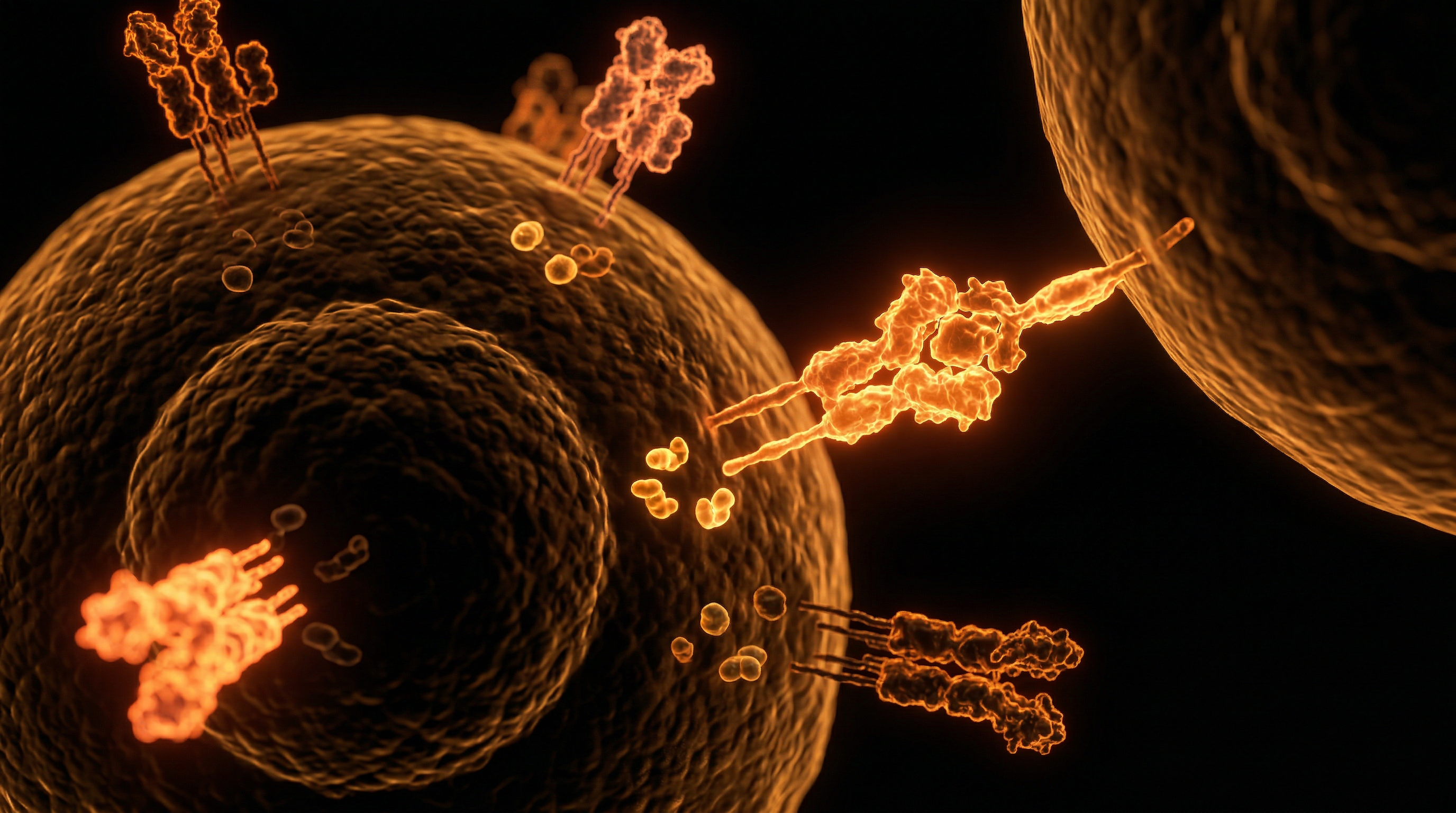
The T-Cell Receptor (TCR) is the antenna through which the cell receives its orders. Studies in in vitro human cell lines have shown that nanoplastics can bind to the surface of T-cells, physically blocking or distorting the TCR.
Scientific Insight: A study published in Environmental Health Perspectives demonstrated that polystyrene nanoplastics can downregulate the expression of CD25, a critical component of the IL-2 receptor, effectively "muting" the signal that tells T-cells to multiply.
4. Induction of Apoptosis and Necroptosis
When the internal stress of the plastic burden becomes too great, the T-cell undergoes programmed cell death (apoptosis) or a more inflammatory form of death called necroptosis. This leads to lymphopenia—a measurable reduction in the number of circulating lymphocytes in the blood.
Environmental Threats and Biological Disruptors
The threat is not uniform. The toxicity of plastics is determined by their size, shape, and chemical composition.
The Size Threshold
Particles larger than 150 micrometres are generally excreted. However, particles smaller than 20 micrometres can penetrate organs, and those under 0.1 micrometres (nanoplastics) can enter the systemic circulation and individual cells.
- Primary Microplastics: Intentionally manufactured (e.g., microbeads in cosmetics).
- Secondary Microplastics: Resulting from the breakdown of larger items (e.g., synthetic clothing fibres, tyre wear).
Chemical Additives: The Secret Killers
Plastics are rarely pure polymers. They contain a cocktail of additives designed to improve flexibility, colour, or durability:
- Phthalates: Known endocrine disruptors that interfere with the hormonal signals that regulate T-cell maturation in the thymus.
- Bisphenol A (BPA): Shown to shift the balance of the immune system toward a pro-inflammatory state, while simultaneously reducing the capacity of CD8+ T-cells to kill target cells.
- Organotins: Often used as stabilisers, these have been specifically linked to thymic atrophy, effectively "shrinking" the organ where T-cells are trained.
The Bioaccumulation Pyramid
While an individual may only ingest a few milligrams of plastic daily through drinking water or food, the bioaccumulative nature of these particles means they build up in the fatty tissues and the lymphatic system. Over decades, the "body burden" reaches a threshold where the immune system can no longer maintain homeostasis.
The Cascade: From Exposure to Disease
The suppression of T-cells is not merely a laboratory curiosity; it has profound implications for the global burden of disease. We are currently seeing a rise in conditions that are directly linked to T-cell dysfunction.
1. Loss of Cancer Immunosurveillance
The most terrifying consequence of T-cell suppression is the loss of immunosurveillance. Every day, the human body produces cells with DNA mutations that could lead to cancer. Healthy CD8+ T-cells identify these cells and destroy them before they can form a tumour.
- If microplastics inhibit the activation of CD8+ cells, these "rogue" cells go undetected.
- This creates a permissive environment for oncogenesis (the development of cancer).
- The "exhaustion" of T-cells by chronic plastic exposure mirrors the T-cell exhaustion seen in advanced-stage terminal cancers.
2. Increased Vulnerability to Viral Infections
In an era of global pandemics, the strength of the adaptive immune system is our primary defence. T-cells are essential for clearing viruses like influenza, SARS-CoV-2, and herpesviruses. A "plastic-suppressed" immune system responds more slowly, allowing viral loads to reach higher levels, leading to more severe disease and longer recovery times.
3. The Rise of Autoimmunity and Allergy
Paradoxically, while microplastics suppress the "killer" functions of T-cells, they often over-stimulate the innate immune system, leading to chronic, low-grade inflammation. This disruption of the Th1/Th2 balance can lead to:
- Chronic asthma and respiratory allergies (driven by microplastics in the lungs).
- Autoimmune conditions where the "confused" immune system begins attacking healthy tissue due to the presence of plastic-bound proteins that the body no longer recognises as "self."
What the Mainstream Narrative Omits
As a researcher, it is my duty to highlight what the public health authorities and corporate-funded studies often gloss over. There is a "convenient silence" regarding the long-term, low-dose toxicity of microplastics.
The "Dose-Response" Fallacy
Mainstream toxicology often relies on the idea that "the dose makes the poison." This is an antiquated 16th-century concept (Paracelsus) that fails to account for nanotoxicology. Nanoplastics do not follow a linear dose-response curve. Even incredibly small concentrations can cause significant biological disruption because they act at the level of cell signalling and genetic expression.
The Cumulative Effect of Mixtures
Regulatory agencies test chemicals like BPA or specific polymers in isolation. They almost never test the "synergistic toxicity" of the thousands of chemicals found in the plastic-laden human body. We are living in a "chemical soup," and the interaction between microplastics and other environmental toxins is ignored by the mainstream narrative.
Industry Influence and Regulatory Capture
The global plastics industry is worth billions. Much like the tobacco industry in the 20th century, there is significant pressure to prevent the classification of microplastics as a hazardous substance. By framing the issue as one of "litter" and "recycling" rather than "systemic biological toxicity," the industry shifts the blame to the consumer and avoids the necessary bans on production.
Callout: Most "safety" studies on microplastics are conducted over short timeframes (weeks). They completely fail to capture the 20-to-40-year bioaccumulative effect that leads to chronic immune failure and cancer.
The UK Context
The United Kingdom faces a unique set of challenges regarding microplastic exposure. As an island nation with a high density of old industrial infrastructure, our waterways and air are particularly affected.
The Plastic Soup in British Rivers
Research conducted by the University of Manchester found that rivers in North West England, such as the River Tame and the River Mersey, have some of the highest levels of microplastic contamination recorded globally—up to 500,000 particles per square metre of riverbed. This plastic eventually enters the food chain via agricultural irrigation and local seafood.
Sewage Overflow and Microplastic Discharge
The UK’s sewage system frequently discharges untreated waste into rivers and seas during periods of high rainfall.
- Modern wastewater treatment plants are not designed to filter out nanoplastics.
- Sewage sludge, which contains concentrated microplastics from synthetic clothing washed in domestic machines, is often spread on UK agricultural land as "fertiliser," directly contaminating the soil in which our vegetables are grown.
The London "Plastic Rain"
Studies in London have shown that the city has a high rate of atmospheric deposition of microplastics. Residents are literally breathing in synthetic fibres from carpets, upholstery, and car tyres. These particles settle deep in the alveoli of the lungs, where they directly interact with pulmonary T-cells, potentially explaining the rising rates of non-smoker lung cancer in urban areas.
Protective Measures and Recovery Protocols
While the situation is grave, it is not yet hopeless. We can take specific steps to reduce our internal plastic burden and support T-cell resilience.
1. Drastic Reduction of Input
The first step is "Source Control."
- Water Filtration: Use high-quality reverse osmosis (RO) or carbon block filters certified to remove particles down to 0.1 micrometres. Bottled water contains significantly more microplastics than tap water.
- Natural Fibres: Phase out synthetic clothing (polyester, acrylic, nylon) in favour of wool, silk, and organic cotton.
- Glass and Steel: Never heat food in plastic containers. Heat accelerates the leaching of phthalates and microplastics into food.
2. Biological Support and "Plastic Detox"
While we cannot "detox" a solid plastic particle in the traditional sense, we can support the pathways that mitigate their damage:
- Glutathione Support: This is the body’s master antioxidant. It helps combat the ROS generated by plastics in T-cells. Supplementing with N-Acetyl Cysteine (NAC) or consuming sulphur-rich foods (garlic, onions, cruciferous vegetables) is vital.
- Autophagy Induction: Intermittent fasting stimulates autophagy—the process by which cells clean out damaged components. This may help T-cells clear out smaller nanoplastic accumulations or damaged mitochondria.
- Thymic Support: Nutrients like Zinc, Vitamin D3, and Vitamin C are essential for the maintenance of the thymus and the production of new, healthy T-cells.
3. Advocating for the Precautionary Principle
From a policy perspective, we must demand the "Precautionary Principle." If a substance has the potential to cause catastrophic harm to public health, it should be restricted before 100% scientific certainty is reached. The UK must lead the way in banning non-essential microplastics and mandating micro-fibre filters on all new washing machines.
Summary: Key Takeaways
The evidence is clear: our reliance on plastic is costing us our biological sovereignty.
- Immune Suppression: Microplastics and nanoplastics directly inhibit the activation and proliferation of T-cells, the backbone of our adaptive immunity.
- Mechanisms of Harm: The damage is caused through physical obstruction, oxidative stress, mitochondrial failure, and the leaching of toxic chemicals like BPA and phthalates.
- Cancer Risk: By suppressing CD8+ cytotoxic T-cells, microplastics impair the body's ability to clear mutated cells, significantly increasing the risk of cancer.
- The Nanoplastic Threat: The smaller the particle, the more dangerous it is. Nanoplastics can enter cells and cross the blood-brain barrier.
- Systemic Failure: Mainstream regulatory bodies are failing to address the bioaccumulative and synergistic effects of plastic exposure.
- UK Crisis: High levels of contamination in UK rivers and urban air necessitate immediate individual and collective action.
The era of ignoring the "invisible invasion" must end. To protect our health and the health of future generations, we must acknowledge the profound impact of microplastics on the human immune system and act with the urgency this biological crisis demands. We at INNERSTANDING will continue to monitor the data that others refuse to see.
This article is provided for informational and educational purposes only. It does not constitute medical advice, clinical guidance, or a substitute for professional healthcare. Information reflects cited research at time of publication. Always consult a qualified healthcare professional before acting on any health information.
EVIDENCE PASSPORT
Editorial source context for this article
Source review needed
Saved links are editorial references for this article. They may support specific claims rather than every sentence. Open and assess each source in context. This passport does not independently verify them.
Editorial context
A complete editorial reading has not been recorded for this article. Source links remain available for you to open and assess directly.
Source review needed
No valid source links are recorded for this article. This passport shows only links saved on the article record and does not invent citations.
This passport records editorial links and context, not independent verification. Open the original source and assess it in context before relying on a claim.
Medical Disclaimer
The information in this article is for educational purposes only and does not constitute medical advice, diagnosis, or treatment. Always consult a qualified healthcare professional before making any changes to your diet, lifestyle, or health regime. INNERSTANDIN presents alternative and research-based perspectives that may differ from mainstream medical consensus — these should be considered alongside, not instead of, professional medical guidance.
Read Full DisclaimerContinue the thread
Keep this question moving.
Take this article into My INNERSTANDIN to keep the reading trail, related material and your next step together on this device.
Explore this in the Body Map
See where this hits your biology. Interactive anatomy, threats, and protective protocols.
Dig deeper in the Library
Free, longform PDF volumes that go beyond headlines into mechanisms and references.