
Pathogenic Trojan Horses: Microplastics as Disease Carriers
Updated May 2026
The surface of microplastics provides a platform for the growth of pathogenic biofilms. These 'Trojan Horses' can transport bacteria and viruses across environmental and biological barriers.
Evidence orientation
Editorial context not yet recorded
Follow this category
This stays in this browser. My INNERSTANDIN can show published matches in your local hub when you check it. It does not send email, push, or alert notifications.
Local learning review
A private browser aid for revisiting ideas. It is not an alert or a health recommendation.
Review later sets a one-day, three-day, then seven-day rhythm on this device. Choose it only when you want to revisit this article.
Overview
For decades, the global discourse surrounding plastic pollution has focused primarily on the visible: the strangled sea turtle, the littered shoreline, and the swirling vortexes of waste in our oceans. However, as we delve deeper into the microscopic realm, a far more insidious threat has emerged—one that bridges the gap between material science and clinical pathology. At INNERSTANDING, we recognise that microplastics (MPs) are no longer merely "litter"; they are biological vectors.
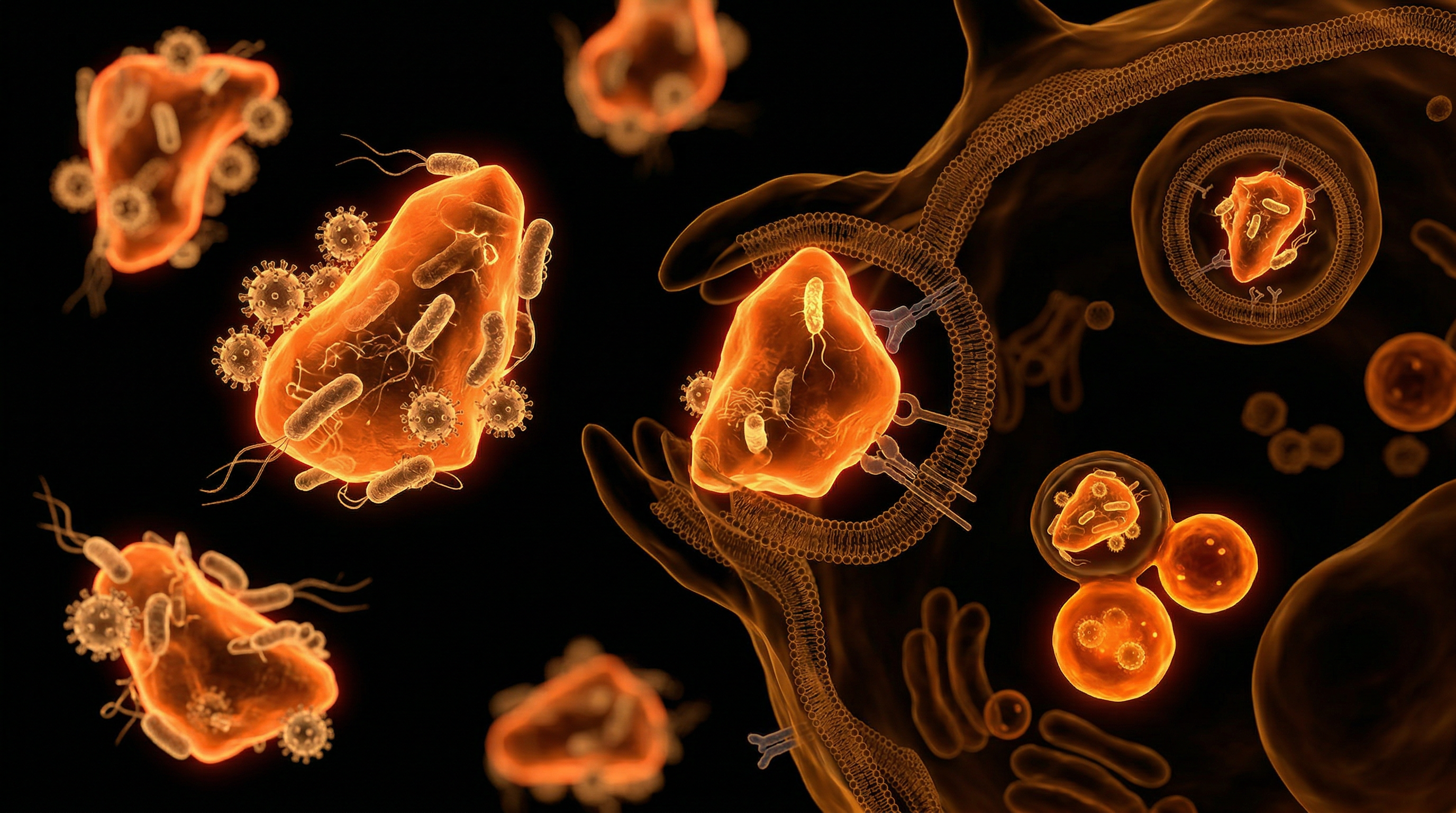
We are currently witnessing the birth of a new ecological niche: the Plastisphere. This term describes the diverse microbial communities that colonise plastic debris. Unlike natural substrates such as wood or stone, synthetic polymers are exceptionally durable, hydrophobic, and chemically complex. These characteristics allow them to serve as "Trojan Horses"—vessels that protect, transport, and deliver concentrated payloads of pathogenic bacteria, viruses, and antibiotic-resistance genes (ARGs) directly into the heart of biological systems.
The standard narrative suggests that microplastics are "inert" and pass through the digestive tract harmlessly. This is a scientific fallacy. Microplastics are biologically active platforms. They do not merely exist within the body; they interact with the immune system, alter the microbiome, and breach the most sacred physiological barriers, including the blood-brain barrier and the placenta. This article exposes the mechanics of this silent invasion and the catastrophic implications for human and environmental health.
Key Fact: Recent studies have identified over 1,000 species of bacteria and algae on a single piece of microplastic, many of which are known human pathogens that do not typically survive in open water without a substrate.
The Biology — How It Works
To understand why microplastics are such effective disease carriers, one must look at their surface architecture. When a fragment of polyethylene (PE), polypropylene (PP), or polyvinyl chloride (PVC) enters an aquatic or terrestrial environment, it does not remain "clean" for long. Within minutes, it undergoes a process called conditioning, where organic molecules and proteins adhere to its surface.
The Formation of the Biofilm
The primary mechanism of the Trojan Horse effect is the formation of a biofilm. A biofilm is a complex, multi-species assemblage of microorganisms encased in a self-produced matrix of Extracellular Polymeric Substances (EPS)—essentially a protective "slime" of sugars and proteins.
- Surface Hydrophobicity: Most microplastics are hydrophobic (water-repelling). This property attracts bacteria that prefer to attach to surfaces rather than float freely in the water column.
- Enhanced Survival: The EPS matrix acts as a shield, protecting the embedded pathogens from environmental stressors such as UV radiation, salinity changes, and even chemical disinfectants or antibiotics.
- Nutrient Concentration: The surface of a microplastic acts as a "nutrient raft." In nutrient-poor environments like the open ocean, the plastic surface concentrates organic matter, allowing pathogens to thrive where they would otherwise perish.
The Selection for Pathogenicity
Crucially, the Plastisphere is not a random sampling of environmental microbes. Research indicates that plastics preferentially recruit specific types of bacteria. Members of the Vibrionaceae family, which includes the causative agents of cholera (Vibrio cholerae) and severe gastroenteritis (Vibrio parahaemolyticus), are frequently found in significantly higher concentrations on microplastics than in the surrounding water.
Furthermore, the physical stability of plastic allows for long-distance transport. A pathogen that would normally die off within days can survive for months as it hitches a ride on a microplastic particle, crossing oceanic boundaries and entering new ecosystems or human food chains.
Statistic: Microbiological assays have shown that the concentration of pathogens on microplastics can be up to 100 to 1,000 times higher than in the surrounding environment.
Mechanisms at the Cellular Level
Once these pathogenic Trojan Horses are ingested or inhaled, the battle shifts from the environment to the internal cellular landscape. The danger is twofold: the physical presence of the plastic and the biological cargo it delivers.
The "Eco-Corona" and Cellular Uptake
Before a microplastic interacts with a human cell, it acquires an eco-corona—a coating of biological molecules from the host’s own body (such as proteins and lipids). This corona effectively "disguises" the plastic, allowing it to bypass initial immune detection.
- Endocytosis: Cells, particularly the epithelial cells of the gut and the macrophages of the immune system, take up microplastics through a process called endocytosis. The cell perceives the plastic (wrapped in its eco-corona) as a nutrient or a harmless particle.
- The Trojan Delivery: Once inside the cell, the biofilm begins to break down, releasing its microbial cargo. This is the "Trojan" moment. Pathogens are delivered directly into the cytoplasm or the lymphatic system, bypassing the primary physical barriers of the skin or gut lining.
Intracellular Oxidative Stress
The presence of a foreign, non-biodegradable object like a microplastic triggers the production of Reactive Oxygen Species (ROS). This leads to a state of chronic oxidative stress.
- Lysosomal Destabilisation: Cells attempt to digest the plastic using lysosomes (organelles filled with digestive enzymes). Because the plastic cannot be broken down, the lysosome may rupture, leaking enzymes into the cell and causing self-digestion or apoptosis (programmed cell death).
- Inflammasome Activation: The physical irritation of the plastic particle activates the NLRP3 inflammasome, a protein complex that triggers a cascade of pro-inflammatory cytokines. This chronic inflammation creates a fertile ground for the pathogens carried by the plastic to take hold.
Breaching the Blood-Brain Barrier (BBB)
Perhaps the most alarming mechanism is the ability of nanoplastics (particles smaller than 1 micrometre) to cross the blood-brain barrier. Through transcytosis, these particles can move from the blood into the central nervous system. When these particles carry neurotropic viruses or bacterial toxins, they provide a direct pathway for neurological infection and neurodegenerative processes.
Environmental Threats and Biological Disruptors
The Plastisphere is not just a carrier of bacteria; it is a "hotspot" for genetic exchange. This creates an environmental threat that transcends simple infection.
Horizontal Gene Transfer (HGT) and ARGs
Microplastics facilitate Horizontal Gene Transfer. In the crowded, high-stress environment of a biofilm on a plastic surface, bacteria are more likely to exchange genetic material through processes like conjugation.
- The ARG Reservoir: Microplastics serve as reservoirs for Antibiotic Resistance Genes (ARGs). Studies have found that the prevalence of ARGs is significantly higher on microplastics than on natural particles like sand.
- The "Genetic Soup": When a pathogenic bacterium on a plastic particle encounters a harmless environmental bacterium that possesses antibiotic resistance, the resistance gene can be transferred. This creates "superbugs" in the wild, which are then transported into the human food chain via seafood or treated wastewater.
Chemical Synergies: The Adsorption Effect
Microplastics are magnets for Persistent Organic Pollutants (POPs), such as PCBs, dioxins, and DDT.
- Bioaccumulation: These chemicals adsorb to the plastic surface. When the plastic is carrying a pathogen, the host is hit with a "double whammy": a biological infection and a chemical toxin.
- Endocrine Disruption: Many of the chemicals leached from or carried by plastics are endocrine-disrupting chemicals (EDCs). These interfere with hormonal signalling, particularly suppressing the immune response, which makes the host even more susceptible to the pathogens the plastic is carrying.
Callout: The combination of microplastics, chemical pollutants, and pathogenic biofilms creates a "synergistic toxicity" where the total impact is far greater than the sum of its parts.
The Cascade: From Exposure to Disease
The journey of a pathogenic Trojan Horse from the environment to a clinical diagnosis follows a predictable, yet devastating, cascade.
Phase 1: Ingestion and Inhalation
Human exposure occurs primarily through the consumption of contaminated seafood (particularly filter-feeders like mussels and oysters), drinking bottled water, and inhaling atmospheric microplastics. It is estimated that the average person ingests a "credit card's worth" of plastic every week, though this remains a conservative estimate when accounting for nanoplastics.
Phase 2: Gut Dysbiosis
The first major site of impact is the gastrointestinal tract. The introduction of plastic-associated pathogens disrupts the gut microbiome. This state of dysbiosis weakens the intestinal barrier—a condition often called "leaky gut." As the barrier fails, both the microplastics and their pathogenic hitchhikers enter the bloodstream.
Phase 3: Systemic Dissemination
Once in the circulatory system, the microplastics can be deposited in various organs:
- The Liver: Leading to hepatotoxicity and altered lipid metabolism.
- The Lungs: Inhaled microplastics cause chronic inflammation (granulomas) and can deliver respiratory pathogens like Legionella.
- The Placenta: Recent studies have confirmed the presence of microplastics in human placentas on both the maternal and foetal sides, raising the terrifying prospect of in utero exposure to both plastic polymers and associated microbes.
Phase 4: Chronic Pathology
The long-term result is not always an acute infection (like food poisoning) but rather a chronic, low-grade inflammatory state. This is linked to the rise in autoimmune disorders, chronic fatigue syndrome, and potentially the acceleration of neurodegenerative diseases like Alzheimer’s, as the brain’s immune cells (microglia) become chronically activated by the presence of these foreign "hitchhikers."
What the Mainstream Narrative Omits
The mainstream media and regulatory bodies often downplay the severity of the microplastic-pathogen link. There are several "suppressed truths" that must be addressed:
1. The "Inert" Fallacy
Regulatory agencies often treat different polymers as a single category of "nuisance dust." This ignores the specific chemistry of different plastics. For instance, Polyurethane can degrade into toxic precursors that actually feed certain pathogenic fungi, making it a far more dangerous vector than other plastics.
2. The Failure of Wastewater Treatment
The public is led to believe that wastewater treatment plants (WWTPs) remove these threats. In reality, WWTPs are "breeding grounds" for the Trojan Horse effect. While they may remove large plastic debris, they concentrate microplastics and pathogens together in a nutrient-rich environment, then discharge the resulting "pathogenic soup" back into rivers.
3. Industry Lobbying and "Safe Limits"
There is currently no "safe limit" for microplastic ingestion. However, because the plastic industry is a multi-billion pound sector, there is immense pressure to prevent microplastics from being classified as "hazardous waste." By keeping the focus on "litter" rather than "toxicological vectors," the industry avoids liability for the burgeoning public health crisis of plastic-induced chronic disease.
4. Detection Blind Spots
Most current environmental monitoring only looks for particles down to 10 or 20 micrometres. The most dangerous particles—the nanoplastics that can enter cells and carry viruses—are effectively "invisible" to standard regulatory testing. We are flying blind into a microscopic storm.
The UK Context
The United Kingdom, with its dense population and Victorian-era sewage infrastructure, faces a unique set of challenges regarding pathogenic microplastics.
The Sewage Crisis
In recent years, the UK has faced a scandal involving the discharge of raw sewage into its waterways by water companies. This is not just a matter of "dirty water"; it is a massive injection of microplastics (from synthetic clothing fibres and personal care products) and human enteric pathogens into the environment.
- The Thames River: Studies have shown the Thames has some of the highest recorded levels of microplastics in the world. This creates a permanent "reservoir" of pathogens in the heart of London.
- Coastal Health: In areas like Cornwall and the South Coast, "sea foam" during storms has been found to contain high concentrations of microplastics and bacteria, posing a direct respiratory risk to coastal residents.
UK Regulatory Lag
Post-Brexit, the UK is in the process of defining its own chemical and environmental safety standards (UK REACH). There is a significant risk that, in the drive for "deregulation," the specific threat of the Plastisphere will be ignored in favour of industrial expediency. The UK Food Standards Agency (FSA) currently maintains that the risk from microplastics in food is "unlikely" to be harmful—a stance that many independent researchers find increasingly untenable in light of the Trojan Horse evidence.
Protective Measures and Recovery Protocols
While the ubiquity of microplastics makes total avoidance impossible, there are scientific strategies to mitigate the impact of these pathogenic Trojan Horses.
Personal Mitigation
- High-Level Water Filtration: Standard carbon filters are insufficient. To remove microplastics and their biofilms, one should use Reverse Osmosis (RO) or filters rated for 0.1-micrometre filtration.
- Avoidance of Synthetic Textiles: A major source of microplastics in the home is "dust" from polyester and nylon clothing. Favouring natural fibres like wool, cotton, and hemp reduces the inhalation of these vectors.
- Dietary Support: Consuming foods rich in sulforaphane (found in broccoli sprouts) has been shown to enhance the body’s ability to detoxify certain pollutants and protect against oxidative stress. Maintaining a robust and diverse gut microbiome through fermented foods can provide a competitive barrier against the "foreign" pathogens carried by plastics.
Policy and Infrastructure
- Advanced Wastewater Treatment: The implementation of Membrane Bioreactors (MBR) and ozone treatment in UK sewage plants is essential to break down biofilms and trap microplastics before they reach the ocean.
- The Precautionary Principle: We must advocate for the classification of microplastics as hazardous substances. This would shift the burden of proof to the manufacturers to prove they are safe, rather than the public to prove they are harmful.
Medical Protocols
For those suffering from suspected "Plastisphere-related" chronic inflammation, clinicians are beginning to explore protocols involving:
- Chelation Therapy: To remove the heavy metals often adsorbed to ingested plastics.
- Biofilm Disruptors: Natural compounds like n-acetylcysteine (NAC) and certain enzymes may help break down the EPS matrix of hitchhiking pathogens, allowing the immune system to finally clear the infection.
Summary: Key Takeaways
The emergence of microplastics as "Pathogenic Trojan Horses" represents a fundamental shift in our understanding of infectious disease and environmental toxicity.
- Microplastics are not inert; they are biologically active platforms that facilitate the growth of dangerous biofilms.
- The "Trojan Horse" effect allows pathogens and antibiotic-resistance genes to bypass immune defences and enter vital organs.
- The Plastisphere selects for highly virulent bacteria, concentrating them far beyond natural levels.
- Current regulations are inadequate because they ignore the synergistic effects of plastic, chemicals, and microbes.
- The UK's sewage crisis is exacerbating the spread of these vectors, creating a significant public health risk in our rivers and seas.
The battle against plastic is no longer just about saving the planet; it is about protecting the biological integrity of the human species. We must look past the visible waste and confront the microscopic invaders that have already entered our homes, our food, and our bodies. The era of the "inert" plastic is over; the era of the pathogenic vector has begun.
Author: Senior Biological Researcher, INNERSTANDING Date: May 2024 Subject: Microbiology / Environmental Toxicology
This article is provided for informational and educational purposes only. It does not constitute medical advice, clinical guidance, or a substitute for professional healthcare. Information reflects cited research at time of publication. Always consult a qualified healthcare professional before acting on any health information.
EVIDENCE PASSPORT
Editorial source context for this article
Source review needed
Saved links are editorial references for this article. They may support specific claims rather than every sentence. Open and assess each source in context. This passport does not independently verify them.
Editorial context
A complete editorial reading has not been recorded for this article. Source links remain available for you to open and assess directly.
Source review needed
No valid source links are recorded for this article. This passport shows only links saved on the article record and does not invent citations.
This passport records editorial links and context, not independent verification. Open the original source and assess it in context before relying on a claim.
Medical Disclaimer
The information in this article is for educational purposes only and does not constitute medical advice, diagnosis, or treatment. Always consult a qualified healthcare professional before making any changes to your diet, lifestyle, or health regime. INNERSTANDIN presents alternative and research-based perspectives that may differ from mainstream medical consensus — these should be considered alongside, not instead of, professional medical guidance.
Read Full DisclaimerContinue the thread
Keep this question moving.
Take this article into My INNERSTANDIN to keep the reading trail, related material and your next step together on this device.
Dig deeper in the Library
Free, longform PDF volumes that go beyond headlines into mechanisms and references.