Breaking the Shield: How Microbial Biofilms Enable Antibiotic Resistance
Biofilms are complex microbial communities that create a protective physical barrier against both the immune system and pharmaceutical treatments. This article explores why these structures make chronic infections so difficult to eradicate.
# Breaking the Shield: How Microbial Biofilms Enable Antibiotic Resistance
In the sanitised corridors of modern medicine, we are taught that bacteria are solitary, free-floating invaders—planktonic organisms that succumb easily to a well-timed course of penicillin or ciprofloxacin. This simplistic 19th-century view of "germ theory" has become the Achilles' heel of 21st-century healthcare. As we face an escalating crisis of antimicrobial resistance (AMR), the scientific community is finally being forced to confront a darker, more complex reality: microbes rarely act alone.
In nature, and increasingly within the human body, bacteria exist as sophisticated, multicellular fortresses known as biofilms. These structures are not merely collections of cells; they are biological cities, complete with transport systems, communication networks, and, most crucially, a near-impenetrable defensive shield. This article uncovers the suppressed reality of the biofilm—a structure that renders standard antibiotic protocols obsolete and facilitates the rise of "stealth pathogens" that drive chronic, undiagnosed disease across the United Kingdom and the globe.
Overview
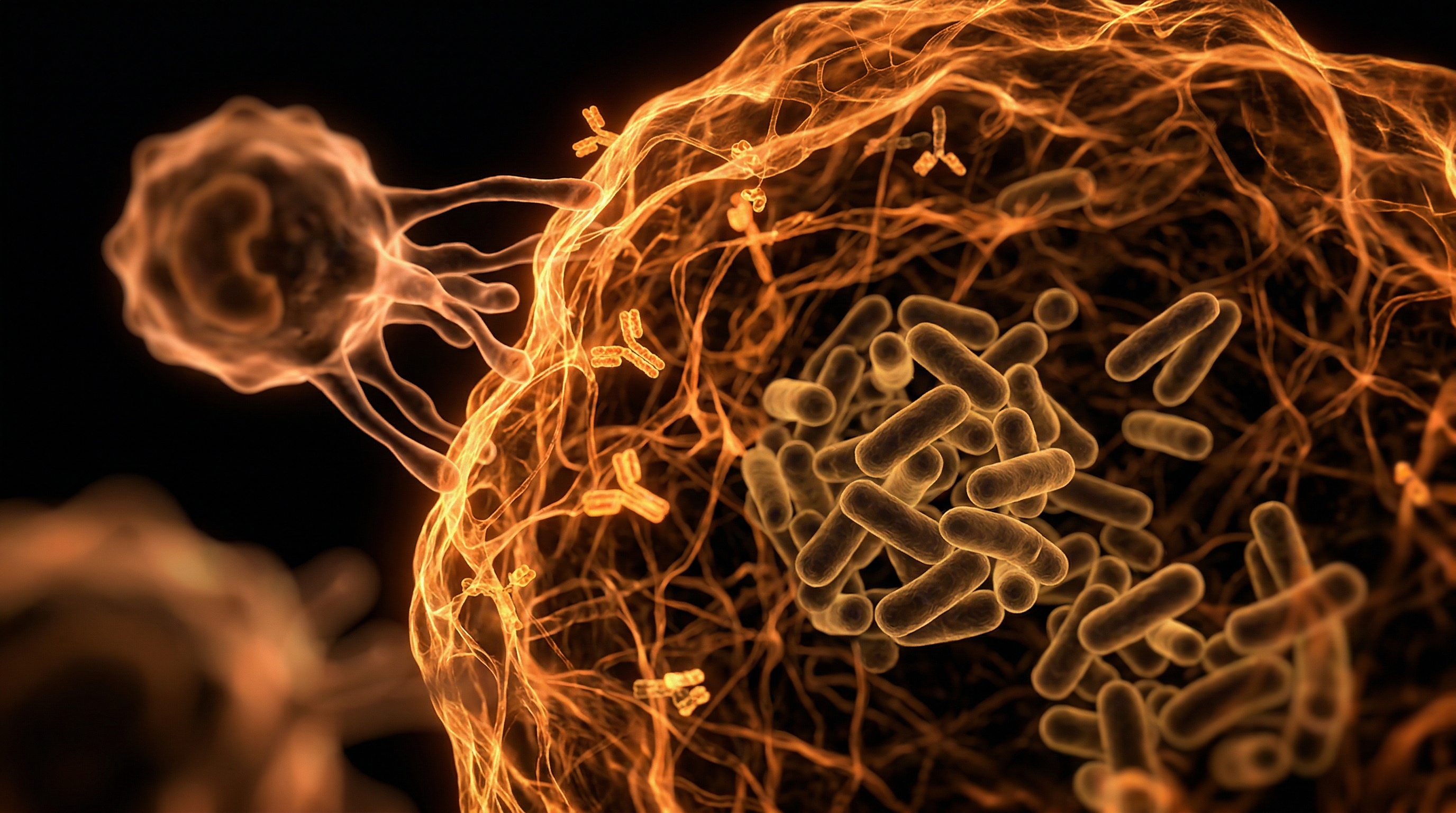
A biofilm is a structured community of microorganisms encapsulated within a self-produced matrix of Extracellular Polymeric Substances (EPS). This matrix, often colloquially referred to as "slime," is a complex lattice of polysaccharides, proteins, lipids, and extracellular DNA (eDNA). Within this cocoon, bacteria undergo a radical phenotypic shift, altering their gene expression to become up to 1,000 times more resistant to antibiotics than their free-floating counterparts.
According to the National Institutes of Health (NIH) and the Center for Disease Control (CDC), it is estimated that between 65% and 80% of all microbial infections in humans are mediated by biofilm formation.
Despite this staggering statistic, the standard of care in the UK still largely relies on diagnostic tests designed to detect planktonic bacteria. When a patient presents with symptoms of a chronic urinary tract infection (UTI), Lyme disease, or "brain fog" associated with systemic inflammation, traditional cultures often return negative results. The bacteria are there, but they are hidden, shielded by a physical and chemical barrier that neither the immune system nor conventional testing can penetrate.
We are currently witnessing a "silent siege." Pathogens such as *Pseudomonas aeruginosa*, *Staphylococcus aureus*, and *Borrelia burgdorferi* are no longer just temporary visitors; they are becoming permanent residents, constructing biological bunkers that allow them to persist for decades, slowly leaching toxins into the host's system and triggering a cascade of autoimmune and degenerative conditions.
##
##
The Biology — How It Works
The transition from a single bacterium to a fully mature biofilm is a highly choreographed biological ballet. It occurs in five distinct stages, each governed by specific genetic triggers and environmental cues.
1. Reversible Attachment
The process begins when free-floating (planktonic) bacteria encounter a surface. This could be biological tissue (the gut lining, a heart valve, or the bladder wall) or an abiotic surface (a prosthetic hip, a catheter, or a heart stent). Through weak Van der Waals forces and the use of appendages like pili and flagella, the bacteria "test" the surface.
2. Irreversible Adhesion
Once the bacteria decide to stay, they begin producing "biological glue." They express specific adhesion genes that allow them to bind tightly to the substrate and to each other. At this stage, the bacteria lose their flagella; they no longer need to swim because they are preparing to build a permanent structure.
3. Microcolony Formation
As the bacteria divide, they begin to secrete the Extracellular Polymeric Substance (EPS). This matrix acts as the scaffolding for the burgeoning city. It is not a random pile of cells; it is a highly organised architecture. Within this matrix, different species of bacteria can coexist, creating a polymicrobial community that shares resources and defensive capabilities.
4. Maturation
During maturation, the biofilm develops complex three-dimensional structures resembling mushrooms or towers. Between these towers are water channels—a primitive circulatory system that delivers nutrients to the deep-seated cells and removes metabolic waste. At this stage, the biofilm is a living, breathing organism in its own right. The oxygen and nutrient gradients within the structure create "micro-environments," where some bacteria are highly active while others enter a state of metabolic dormancy.
5. Dispersal
When the colony becomes too large or environmental conditions change, the biofilm undergoes dispersal. It releases "scout" bacteria back into the bloodstream or surrounding tissues to seed new colonies elsewhere. This explains the cyclical nature of chronic infections: a patient may feel better as the biofilm matures and hides, only to suffer a "flare-up" when the dispersal phase triggers a new wave of acute immune response.
The EPS matrix is not just "slime"; it is a sophisticated chemical shield that functions as a molecular sieve, catching and neutralising antibiotic molecules before they can reach the bacterial cells.
##
##
Mechanisms at the Cellular Level
To understand why biofilms are so resilient, we must look at the biochemical mechanisms occurring within the matrix. This is not merely a physical barrier; it is an active laboratory of resistance.
Quorum Sensing: The Bacterial Internet
Bacteria within a biofilm communicate via Quorum Sensing (QS). They secrete signalling molecules called Autoinducers (such as N-acyl homoserine lactones or AHLs). When the concentration of these molecules reaches a certain threshold, it triggers a collective change in gene expression. This allows the entire colony to act as a single unit—synchronising the release of toxins or the strengthening of the EPS shield exactly when they sense an external threat, such as an antibiotic.
Horizontal Gene Transfer (HGT)
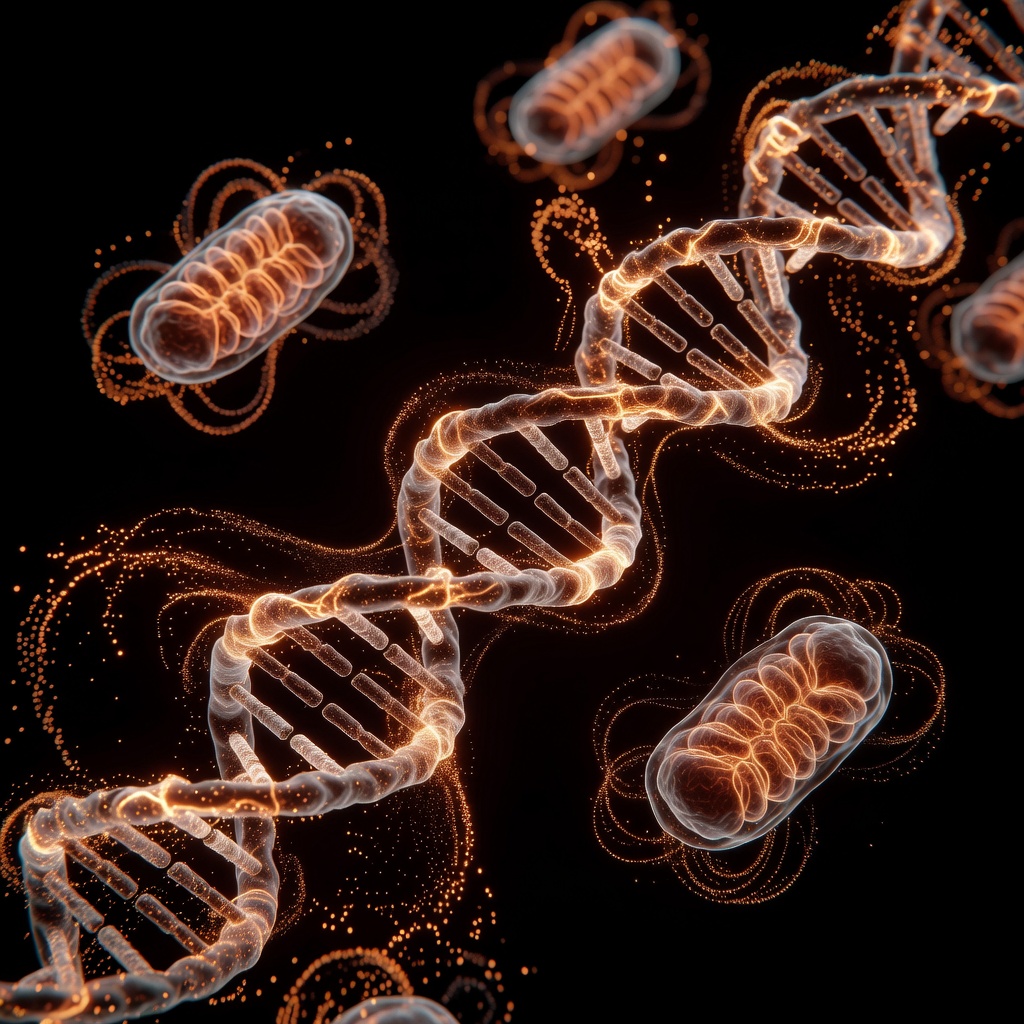
The dense proximity of cells within a biofilm facilitates Horizontal Gene Transfer. Bacteria can swap genetic material—specifically plasmids containing antibiotic resistance genes—with remarkable ease. A non-resistant bacterium can enter a biofilm and, within hours, "download" the genetic code required to resist vancomycin or methicillin from its neighbours. This makes biofilms the ultimate breeding ground for "superbugs."
The Role of Persister Cells
Perhaps the most insidious mechanism is the creation of Persister Cells. Unlike resistant cells, which have a genetic mutation to bypass an antibiotic's mechanism, persisters are genetically identical but metabolically dormant. Most antibiotics work by disrupting active cellular processes (like cell wall synthesis or DNA replication). Because persister cells are "asleep," the antibiotic has nothing to target. Once the course of treatment ends, these cells "wake up" and rebuild the entire colony.
Efflux Pumps and Enzymatic Neutralisation
The EPS matrix contains high concentrations of enzymes like Beta-lactamases, which actively degrade penicillin and cephalosporin antibiotics on contact. Furthermore, bacteria within the biofilm upregulate efflux pumps—molecular vacuum cleaners that sit on the cell membrane and pump out any toxic substances (including antibiotics) that manage to penetrate the matrix.
##
##
Environmental Threats and Biological Disruptors
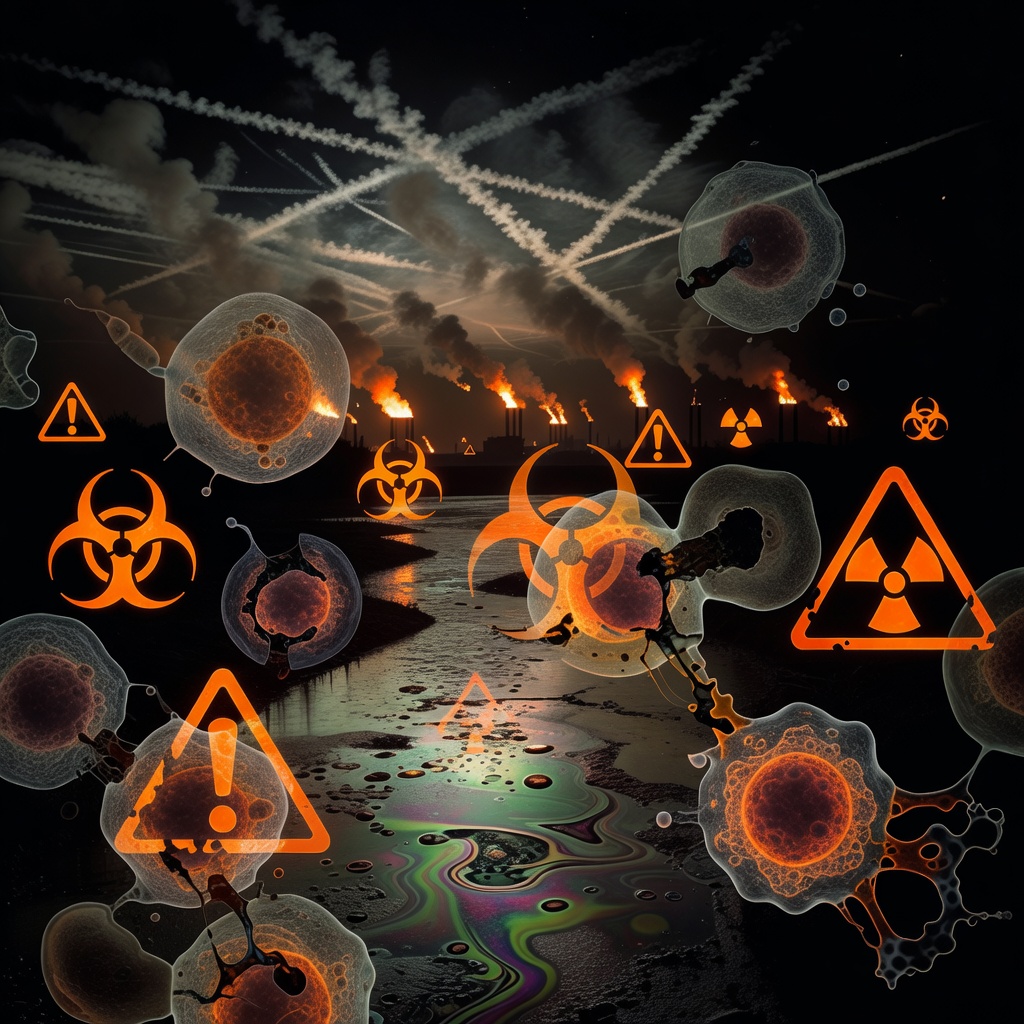
The proliferation of biofilms in the modern era is not a coincidence. Our environment is increasingly saturated with substances that encourage microbial "armouring."
Heavy Metal Accumulation
Microbes have an affinity for heavy metals like mercury, lead, and aluminium. Within a biofilm, these metals are used as structural cross-linkers, making the EPS matrix tougher and more resistant to physical or chemical disruption. Research suggests that the presence of mercury (often from dental amalgams or industrial pollution) can actually select for antibiotic-resistant bacteria, as the genes for metal resistance are often located on the same plasmids as antibiotic resistance genes.
Glyphosate and the Gut Microbiome
The UK’s widespread use of glyphosate-based herbicides in agriculture has profound implications for biofilm formation. Glyphosate disrupts the Shikimate pathway, which, while absent in humans, is fundamental to the beneficial bacteria in our gut. By killing off the "good" bacteria that usually keep pathogens in check, glyphosate creates an ecological void that biofilm-forming pathogens like *Clostridium difficile* and *Salmonella* are happy to fill.
Microplastics: The New Biofilm Substrate
The Environment Agency has highlighted the growing concern of microplastics in British waterways. These plastic particles act as "rafts" for pathogenic biofilms, creating what scientists call the "Plastisphere." These plastic-mounted biofilms are more resilient to traditional water treatment processes, allowing "super-biofilms" to enter the food chain and the domestic water supply.
Recent studies have shown that biofilms grown on microplastic surfaces show significantly higher rates of horizontal gene transfer compared to those on natural surfaces like sand or wood.
##
##
The Cascade: From Exposure to Disease
How does a biofilm transition from a colonial structure into a driver of systemic disease? The process is a slow-motion cascade that often evades clinical detection for years.
The Initial Colonisation
The process often begins with an acute infection that is "under-treated." For example, a standard 3-day course of antibiotics for a UTI might kill the 99% of bacteria that are planktonic, but the remaining 1% retreat into the bladder wall (forming Intracellular Bacterial Communities or IBCs). These IBCs function as "internal biofilms," protected from further antibiotic hits.
The Toxic Burden
As the biofilm matures, it becomes a factory for endotoxins (such as Lipopolysaccharides or LPS) and exotoxins. Because the biofilm is a permanent fixture, the host is subjected to a constant, low-level drip of these toxins. This leads to chronic low-grade inflammation, often manifesting as:
- —Chronic Fatigue Syndrome (ME/CFS)
- —Fibromyalgia
- —Interstitial Cystitis
- —Treatment-resistant Lyme Disease (Post-Treatment Lyme Disease Syndrome)
The Immune System’s "Frustrated Phagocytosis"
The immune system's white blood cells (phagocytes) recognise the biofilm as a threat but are unable to engulf it due to its size and the protective EPS. In a state of "frustrated phagocytosis," these immune cells release their own oxidative bursts and inflammatory cytokines in an attempt to dissolve the shield. Instead of killing the bacteria, this process causes collateral damage to the host’s own tissues, leading to the "autoimmune" patterns we see in modern medicine.
##
##
What the Mainstream Narrative Omits
The current medical paradigm in the UK is failing patients with biofilm-related illnesses. The reasons for this omission are partly due to institutional inertia and partly due to the limitations of the "Gold Standard" of evidence-based medicine.
The Culture Fallacy
The NHS still relies heavily on urine and blood cultures. If a bacterium does not grow in a petri dish within 24–48 hours, the patient is told they have no infection. However, biofilm bacteria are, by definition, slow-growing and difficult to culture. They are "viable but non-culturable" (VBNC). By relying on tests that only detect free-floating, fast-growing cells, the system systematically ignores the most dangerous infections.
The Monotherapy Obsession
Medical guidelines often insist on using a single antibiotic for a specific duration. For a biofilm, this is akin to trying to knock down a castle with a single bow and arrow. To break a biofilm, you need a multi-pronged strategy: you must disrupt the matrix, inhibit quorum sensing, and kill the cells. Monotherapy often just "pokes the hornets' nest," causing the biofilm to thicken its EPS in response to the perceived threat.
The Economic Disincentive
Biofilm research is expensive, and there is little profit in repurposing old drugs or using natural "disruptors." Pharmaceutical companies are focused on developing new antibiotics, but without a strategy to address the biofilm shield, these new drugs will follow the same path to obsolescence as their predecessors.
The medical establishment's failure to recognise "Stealth Pathogens" and their biofilm-based survival strategies is leading to a generation of "invisible" patients who are told their physical symptoms are "psychosomatic" or "medically unexplained."
##
##
The UK Context
In the United Kingdom, the biofilm crisis is intersecting with a decaying infrastructure and environmental neglect.
Water Quality and Sewage
The ongoing scandal of raw sewage discharge into British rivers by water companies is a public health time bomb. These discharges are rich in both human pathogens and sub-lethal concentrations of antibiotics and heavy metals. This is the perfect "primordial soup" for the evolution of antibiotic-resistant biofilms. When people swim in these rivers or consume produce irrigated with this water, they are being exposed to "pre-armoured" microbial communities.
The O'Neill Report and Regulatory Failure
While the 2016 O’Neill Report on Antimicrobial Resistance (commissioned by the UK government) correctly identified the scale of the threat, its recommendations have been slow to manifest in clinical practice. The MHRA (Medicines and Healthcare products Regulatory Agency) remains focused on the traditional antibiotic model, with very few biofilm-disrupting therapies currently in the pipeline for NHS approval.
NHS "Watchful Waiting"
The "watchful waiting" policy often applied to chronic conditions in the UK allows biofilms the time they need to reach "critical mass." By the time an infection is deemed "serious" enough for intensive intervention, the biofilm is often too well-established for standard protocols to be effective.
##
##
Protective Measures and Recovery Protocols
Breaking the shield requires a paradigm shift from "killing bacteria" to "deconstructing the fortress." A comprehensive protocol must address the EPS matrix, the chemical signalling, and the metabolic state of the hidden cells.
Phase 1: Matrix Disruption (The Demolition)
You cannot kill the bacteria until you dissolve the "slime."
- —Proteolytic Enzymes: Enzymes like Serrapeptase, Nattokinase, and Lumbrokinase have been shown to degrade the fibrin and protein components of the EPS.
- —Chelating Agents: Since biofilms use minerals (calcium, magnesium, iron) to cross-link the matrix, chelators like EDTA or Lactoferrin can "starve" the biofilm of its structural integrity.
- —N-Acetyl Cysteine (NAC): A powerful mucolytic that has been clinically proven to disrupt biofilms in the respiratory and urinary tracts.
Phase 2: Quorum Sensing Inhibition (Cutting the Comms)
By stopping the bacteria from "talking" to each other, you prevent them from coordinating a defence.
- —Natural Inhibitors: Substances like garlic (allicin), oregano oil (carvacrol), and baicalein (from Chinese Skullcap) have potent anti-quorum sensing properties.
- —Stevia Rebaudiana: Emerging research suggests that specific extracts of Stevia can disrupt the biofilm of *Borrelia burgdorferi* (Lyme disease) more effectively than some antibiotics.
Phase 3: Antimicrobial Intervention (The Targeted Hit)
Once the matrix is thinned, antimicrobials can finally reach their target.
- —Liposomal Delivery: Using liposomes allows antimicrobials to penetrate deeper into fatty tissues and through the remnants of the EPS.
- —Combination Therapy: Using multiple agents with different mechanisms of action (e.g., a cell-wall inhibitor plus a protein-synthesis inhibitor) reduces the chance of resistance.
Phase 4: Supporting the Host (The Cleanup)
- —Binder Therapy: As biofilms break down, they release a flood of toxins (LPS and heavy metals). Using binders like activated charcoal, zeolite, or bentonite clay is essential to prevent a "Herxheimer Reaction" (a severe inflammatory response to dying microbes).
- —The Glymphatic System: For those with neurological symptoms ("brain fog"), supporting the brain’s drainage system through sleep, hydration, and specific movement is vital for clearing the debris of cerebral biofilms.
##
##
Summary: Key Takeaways
The age of the "magic bullet" antibiotic is over. We have entered the age of the Biological Shield. To navigate this new landscape, we must recognise that:
- —Biofilms are the default state of life for bacteria, not an exception. They represent a collective intelligence that far surpasses the individual cell.
- —Standard UK diagnostics are fundamentally flawed, as they fail to account for the "viable but non-culturable" (VBNC) state of biofilm-associated pathogens.
- —Chronic disease is often a "stealth infection" masked by a protective EPS matrix, leading to lifelong cycles of inflammation and autoimmune-like symptoms.
- —Recovery requires a tiered approach: Disruption of the EPS matrix, inhibition of Quorum Sensing, and a carefully managed detoxification of the resulting "die-off" products.
The truth is that we are not being out-evolved; we are being out-manoeuvred by a microbial architecture we refuse to see. Only by "breaking the shield" can we hope to address the epidemic of chronic infection and reclaim the health of the nation. It is time for the NHS and the broader medical community to look past the petri dish and confront the reality of the biofilm. The shield is strong, but it is not invincible—provided we have the courage to acknowledge its existence.
This article is provided for informational and educational purposes only. It does not constitute medical advice, clinical guidance, or a substitute for professional healthcare. Information reflects cited research at time of publication. Always consult a qualified healthcare professional before acting on any health information.
RESEARCH FOUNDATIONS
Biological Credibility Archive
Citations provided for educational reference. Verify via PubMed or institutional databases.
Medical Disclaimer
The information in this article is for educational purposes only and does not constitute medical advice, diagnosis, or treatment. Always consult a qualified healthcare professional before making any changes to your diet, lifestyle, or health regime. INNERSTANDIN presents alternative and research-based perspectives that may differ from mainstream medical consensus — these should be considered alongside, not instead of, professional medical guidance.
Read Full DisclaimerReady to learn more?
Continue your journey through our classified biological research.
DISCUSSION ROOM
Members of THE COLLECTIVE discussing "Breaking the Shield: How Microbial Biofilms Enable Antibiotic Resistance"
SILENT CHANNEL
Be the first to discuss this article. Your insight could help others understand these biological concepts deeper.
RABBIT HOLE
Follow the biological thread deeper