
Atmospheric Fallout Rates: Microplastics in UK Rainwater
Updated May 2026
Microplastics are now integrated into the water cycle, with measurable quantities falling in rainwater across the UK. This atmospheric fallout ensures that even remote areas are not immune to plastic pollution.
Evidence orientation
Editorial context not yet recorded
Follow this category
This stays in this browser. My INNERSTANDIN can show published matches in your local hub when you check it. It does not send email, push, or alert notifications.
Local learning review
A private browser aid for revisiting ideas. It is not an alert or a health recommendation.
Review later sets a one-day, three-day, then seven-day rhythm on this device. Choose it only when you want to revisit this article.
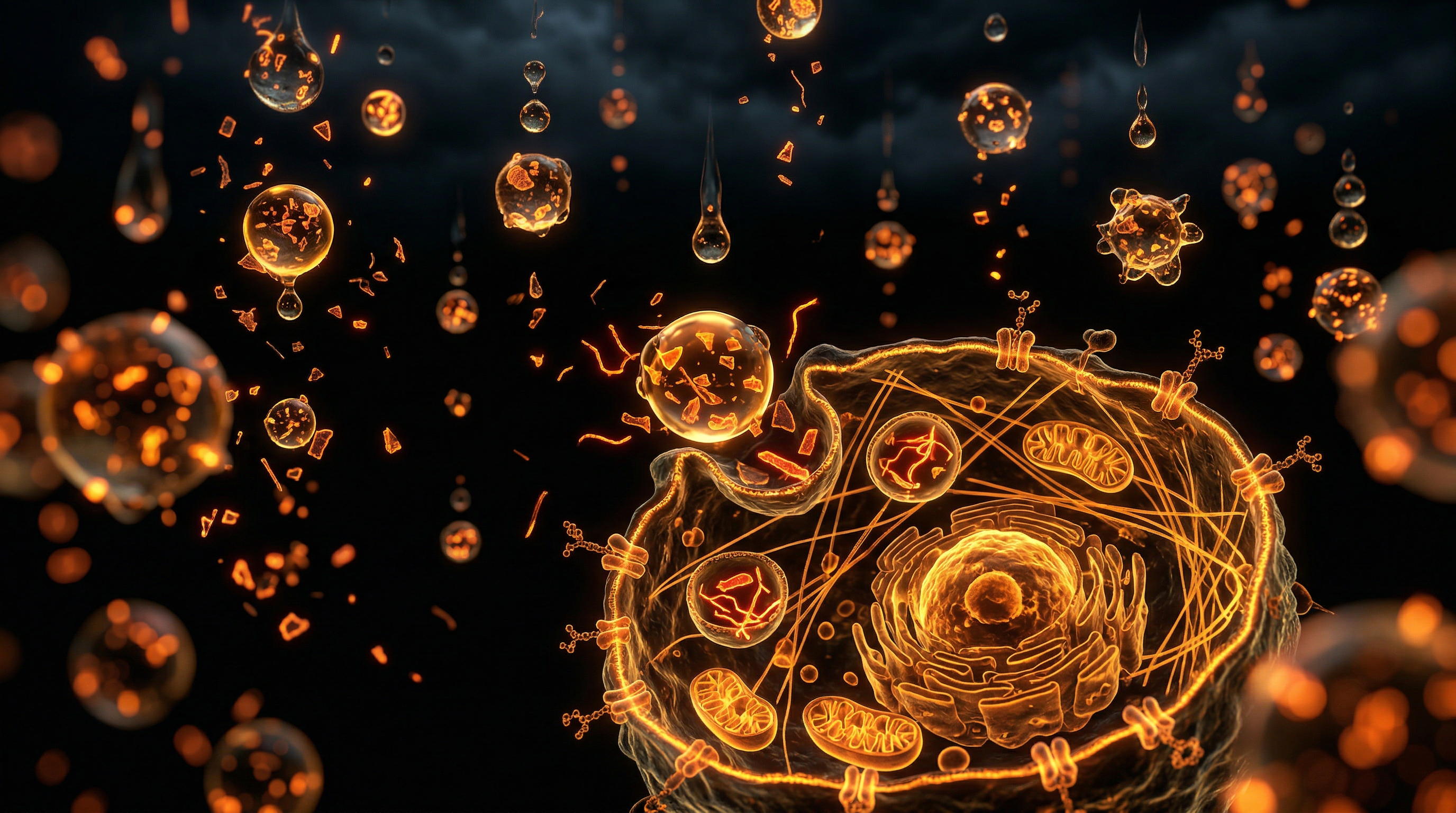
Overview
The quintessential British rain, once a symbol of natural renewal and the lifeblood of the United Kingdom’s verdant landscapes, has been fundamentally altered. We are no longer merely observing an environmental crisis in our oceans; we are witnessing the complete integration of synthetic polymers into the Earth’s most fundamental geochemical cycle: the hydrological cycle. Atmospheric fallout of microplastics (MPs) and nanoplastics (NPs) is no longer a theoretical projection—it is a measurable, daily reality across the British Isles.
As a senior biological researcher at INNERSTANDING, I have observed the shift from plastic being viewed as "litter" to it being classified as a "persistent global pollutant" that respects no borders. In the UK, the data is staggering. Studies conducted from the urban density of London to the supposedly pristine heights of the Peak District reveal a consistent, rhythmic descent of synthetic fibres, fragments, and beads. This is not a localised phenomenon; it is a "plastic rain" that ensures every square inch of the UK—and by extension, every organism inhabiting it—is under constant, low-dose exposure to anthropogenic polymers.
The atmospheric pathway is particularly insidious. Unlike terrestrial or aquatic plastic pollution, which can be somewhat contained or remediated through physical removal, atmospheric fallout is pervasive. It bypasses traditional environmental barriers, utilizing wind currents and cloud formation processes to distribute toxins. In the UK, the prevailing westerlies bring in aerosolised plastics from the Atlantic, while domestic industrial activity and road wear provide a constant local supply. This article serves as an exhaustive examination of the rates, biological implications, and the suppressed ecological reality of microplastics in UK rainwater.
The Biology — How It Works
To understand the biological impact of atmospheric fallout, we must first understand the physics of transport. Microplastics (particles <5mm) and nanoplastics (particles <1mm) enter the atmosphere through several primary vectors: road tyre wear, agricultural dust, and the aerosolisation of sea spray. Once airborne, these particles act as cloud condensation nuclei (CCN).
The Mechanics of "Plastic Rain"
Rain formation requires a seed. In a pre-industrial world, these were grains of salt, pollen, or volcanic ash. Today, the high surface area and hydrophobic nature of synthetic polymers make them excellent candidates for moisture to cling to. As clouds form over the Atlantic and move toward the UK landmass, they collect plastic particles that have been ejected from the ocean surface via the "bubble bursting" mechanism. When the rain falls, it "scrubs" the atmosphere, depositing these particles directly onto our skin, into our reservoirs, and onto the crops we consume.
Bioavailability and Entry Points
Once the rain hits the ground, the biological journey begins. The biology of microplastic interaction is defined by three main pathways:
- Direct Dermal Contact: Rainwater carries nanoplastics capable of penetrating the outer layers of the dermis, especially if the skin barrier is compromised.
- Inhalation of Re-suspended Particles: After the rain dries, the deposited microplastics become airborne again as dust, entering the respiratory tract.
- Ingestion via the Food Chain: UK rainwater feeds our grass and crops. Livestock ingest these particles, which then undergo biomagnification—the process where the concentration of toxins increases as they move up the food chain to human consumers.
Fact: Research has confirmed that microplastics are now so ubiquitous in the atmosphere that they are detected in the remotest parts of the Scottish Highlands, where no local industrial sources exist.
Mechanisms at the Cellular Level
The danger of microplastics is not merely their physical presence, but their chemical and biological reactivity at the cellular level. When a nanoplastic particle enters a human cell, it does not behave like inert sand; it behaves like a biological disruptor.
The Protein Corona Effect
Upon entering a biological fluid (such as blood or interstitial fluid), a plastic particle is immediately coated with proteins and lipids. This is known as the protein corona. This coating "disguises" the plastic, allowing it to bind to cellular receptors and be actively transported into the cell via endocytosis. The cell mistakes the toxic intruder for a nutrient or a signalling molecule.
Mitochondrial Dysfunction and Oxidative Stress
Once inside the cell, nanoplastics frequently migrate to the mitochondria—the powerhouses of the cell. The physical presence of the polymer interferes with the Electron Transport Chain (ETC), leading to:
- Reactive Oxygen Species (ROS) Generation: An overproduction of free radicals that damage DNA and cellular membranes.
- ATP Depletion: A reduction in cellular energy, leading to chronic fatigue at the systemic level.
- Lysosomal Destabilisation: The "digestive" organelles of the cell attempt to break down the plastic, but since synthetic polymers are non-biodegradable, the lysosome eventually ruptures, releasing digestive enzymes into the cytoplasm and triggering apoptosis (programmed cell death).
Translocation Across Biological Barriers
The most alarming aspect of the nanoplastics found in UK rainwater is their ability to cross tightly regulated biological barriers:
- The Blood-Brain Barrier (BBB): Nanoplastics have been observed in the brain tissue of mammals, where they can trigger neuroinflammation.
- The Placental Barrier: Studies have identified microplastics in the human placenta on both the foetal and maternal sides, meaning the fallout from our atmosphere is impacting the next generation before they are even born.
Environmental Threats and Biological Disruptors
Microplastics are never "just plastic." They are complex chemical cocktails. During manufacturing, thousands of additives are used to give plastics specific properties—flexibility, UV resistance, or flame retardancy.
The Trojan Horse Effect
Microplastics act as "Trojan Horses" for environmental toxins. Due to their hydrophobic surface, they adsorb Persistent Organic Pollutants (POPs) from the atmosphere, including:
- Polychlorinated Biphenyls (PCBs)
- Polycyclic Aromatic Hydrocarbons (PAHs)
- Heavy Metals (Lead, Cadmium, Mercury)
When these particles are washed out of the sky by UK rain and enter the body, they release these concentrated toxins directly into the tissues.
Endocrine Disrupting Chemicals (EDCs)
Most plastics leach chemicals that mimic natural hormones. The fallout in our rainwater includes:
- Bisphenols (BPA, BPS): Mimics oestrogen and is linked to reproductive cancers and infertility.
- Phthalates: Known to interfere with androgen signalling, leading to "demasculinisation" in various species.
- Organotins: Used as stabilisers, these can alter metabolic processes and lead to obesity (obesogens).
Statistic: It is estimated that the average person could be ingesting or inhaling the equivalent of one credit card’s worth of plastic every week, with a significant portion originating from atmospheric deposition.
The Cascade: From Exposure to Disease
The cumulative effect of constant microplastic fallout is a slow-motion health crisis. The transition from exposure to clinical disease follows a predictable "cascade."
Stage 1: Chronic Low-Grade Inflammation
The immune system recognises microplastics as foreign invaders but cannot clear them. This leads to frustrated phagocytosis, where immune cells (macrophages) are constantly activated, secreting pro-inflammatory cytokines. This chronic inflammation is the "soil" in which most modern diseases grow.
Stage 2: Autoimmune Reactivity
As plastic particles bind to human proteins (the protein corona), they can change the shape of those proteins. The immune system may then fail to recognise the protein as "self," leading to the production of auto-antibodies. This provides a compelling mechanical explanation for the skyrocketing rates of autoimmune conditions in the UK over the last three decades.
Stage 3: Metabolic and Neurodegenerative Decline
- Metabolic Syndrome: By disrupting endocrine signalling and mitochondrial function, microplastics contribute to insulin resistance and type 2 diabetes.
- Neurodegeneration: The accumulation of microplastics and associated neuroinflammation are being investigated as co-factors in the development of Alzheimer’s and Parkinson’s disease. The particles may act as "seeds" for the misfolding of proteins like amyloid-beta.
What the Mainstream Narrative Omits
The mainstream media and regulatory bodies often frame the microplastic issue as an "emerging concern" or a "waste management problem." This narrative is intentionally reductive.
The "Forever" Nature of the Crisis
The public is told that recycling and "cleaning the ocean" are the solutions. However, the mainstream narrative omits the fact that plastics do not "decompose"—they only fragment. Every piece of plastic ever produced that hasn't been incinerated still exists in some form. The atmospheric fallout we see today is the result of decades of accumulated plastic breaking down into smaller and smaller pieces. We are currently experiencing the fallout of the 1970s and 80s; the massive surge in plastic production in the 2000s has yet to fully fragment into the atmosphere.
Regulatory Capture and Safety Thresholds
Regulatory agencies like the FSA (Food Standards Agency) have yet to set "safe" limits for microplastic ingestion, primarily because there is no known safe limit for a non-biocompatible, endocrine-disrupting polymer. The mainstream narrative omits the influence of the petrochemical industry, which relies on plastic production for its long-term profitability as the world shifts away from fossil fuels for energy.
The Inadequacy of Water Treatment
We are told our tap water is safe. However, most UK water treatment plants are not equipped to filter out nanoplastics. While they may catch larger fibres, the smallest, most biologically active particles pass straight through the filters and into the homes of millions of British citizens.
Important Fact: Standardised testing for water quality in the UK does not currently require the quantification of nanoplastic particles. We are essentially flying blind.
The UK Context
The United Kingdom is uniquely positioned to suffer from atmospheric microplastic fallout due to its geography and industrial history.
The Atlantic "Pump"
The UK sits at the end of the Atlantic "conveyor belt." Recent research has shown that the ocean is not a final sink for plastic; it is a source. When waves break, they release "plastic aerosols." The prevailing winds then carry these aerosols directly over the UK. This means that even if the UK stopped all plastic use tomorrow, we would still be showered with the Atlantic's plastic burden for centuries.
London: A Plastic Hotspot
A landmark study by King’s College London found that the capital has some of the highest recorded rates of microplastic fallout in the world. The levels were found to be 20 times higher than those in Dongguan, China. The primary source was identified as synthetic fibres (likely from clothing) and tyre wear from the city’s dense traffic networks.
The Impact on British Agriculture
The UK’s heavy rainfall is a double-edged sword. While it sustains our crops, it also ensures that microplastics are deeply embedded in the soil.
- Sewage Sludge: In the UK, it is common practice to use treated sewage sludge as fertiliser. This sludge is highly concentrated with microplastics filtered from washing machines. When this sludge dries and is spread, it becomes airborne, contributing to the "rain-dust-rain" cycle.
- Peatlands and Moors: These vital carbon sinks are now becoming reservoirs for plastic fibres, which may alter the microbial composition of the soil and impact carbon sequestration.
Protective Measures and Recovery Protocols
While the situation is systemic, individuals can take steps to mitigate their exposure and support their biological resilience against the "plastic rain."
Environmental Mitigation
- High-Level Filtration: Use water filtration systems that are specifically rated for "sub-micron" particles. Reverse Osmosis (RO) remains the most effective method for removing nanoplastics from drinking water.
- Air Purification: HEPA filters with activated carbon are essential in UK homes, particularly in urban areas, to capture re-suspended plastic dust that enters through windows after rain.
- Natural Fibres: Transitioning to wool, cotton, and hemp clothing reduces the shedding of synthetic microfibres in the home environment.
Biological Recovery Protocols
Since we cannot entirely avoid exposure, we must focus on cellular resilience and detoxification pathways:
- Upregulating Autophagy: Practices such as intermittent fasting and heat stress (saunas) encourage the body to clear out cellular debris, potentially including some internalized plastic particles.
- Glutathione Support: Glutathione is the body's master antioxidant. Supplementing with precursors like N-Acetyl Cysteine (NAC) helps the liver process the chemical additives (EDCs) that leach from microplastics.
- Silica-Rich Mineral Water: Some research suggests that high-silica mineral water can help in the excretion of certain heavy metals that are often "piggybacked" on microplastics.
- Sweating: The skin is a major excretory organ. Regular exercise and saunas can help move lipid-soluble toxins (like phthalates and BPA) out of the body.
Policy and Systemic Change
The UK must move beyond "plastic bans" on straws and看向 (look towards) a fundamental restructuring:
- Mandatory Microfibre Filters: All new washing machines sold in the UK should be required by law to have internal microfibre traps.
- Tyre Innovation: Urgent investment into non-toxic, bio-based materials for vehicle tyres to reduce the most prevalent source of atmospheric microplastics.
- Atmospheric Monitoring: Establishing a national network of monitoring stations to track plastic fallout rates in real-time, similar to how we track CO2 or pollen.
Summary: Key Takeaways
- The Hydrological Cycle is Compromised: Microplastics are now a permanent component of UK rainwater, acting as cloud condensation nuclei and ensuring universal exposure.
- Nanoplastics are the Primary Threat: Their ability to cross the blood-brain and placental barriers makes them a profound risk to human health and foetal development.
- Chemical Synergism: Plastics act as "Trojan Horses," carrying heavy metals and persistent organic pollutants into the body, while leaching endocrine-disrupting chemicals like BPA and Phthalates.
- The UK is a Focal Point: Geographic location and urban density make the UK particularly susceptible to both marine-derived and domestically-produced plastic fallout.
- Mainstream Neglect: Current regulatory frameworks are insufficient as they ignore the nanoplastic fraction and the synergistic toxicity of plastic additives.
- Action is Required: While systemic change is slow, individual measures involving high-level water/air filtration and metabolic support (autophagy, glutathione) are essential for maintaining health in a plastic-saturated environment.
The era of "pure" rain has ended. We are now living in the Plastisphere. To ignore this reality is to succumb to a slow, cumulative biological degradation. Only through rigorous scientific inquiry and the exposure of these suppressed environmental truths can we hope to navigate the hazardous waters—and rains—of the 21st century.
This article is provided for informational and educational purposes only. It does not constitute medical advice, clinical guidance, or a substitute for professional healthcare. Information reflects cited research at time of publication. Always consult a qualified healthcare professional before acting on any health information.
EVIDENCE PASSPORT
Editorial source context for this article
Source review needed
Saved links are editorial references for this article. They may support specific claims rather than every sentence. Open and assess each source in context. This passport does not independently verify them.
Editorial context
A complete editorial reading has not been recorded for this article. Source links remain available for you to open and assess directly.
Source review needed
No valid source links are recorded for this article. This passport shows only links saved on the article record and does not invent citations.
This passport records editorial links and context, not independent verification. Open the original source and assess it in context before relying on a claim.
Medical Disclaimer
The information in this article is for educational purposes only and does not constitute medical advice, diagnosis, or treatment. Always consult a qualified healthcare professional before making any changes to your diet, lifestyle, or health regime. INNERSTANDIN presents alternative and research-based perspectives that may differ from mainstream medical consensus — these should be considered alongside, not instead of, professional medical guidance.
Read Full DisclaimerContinue the thread
Keep this question moving.
Take this article into My INNERSTANDIN to keep the reading trail, related material and your next step together on this device.
Dig deeper in the Library
Free, longform PDF volumes that go beyond headlines into mechanisms and references.