
Nanoplastic Cellular Uptake: Endocytosis and Internalization
Updated April 2026
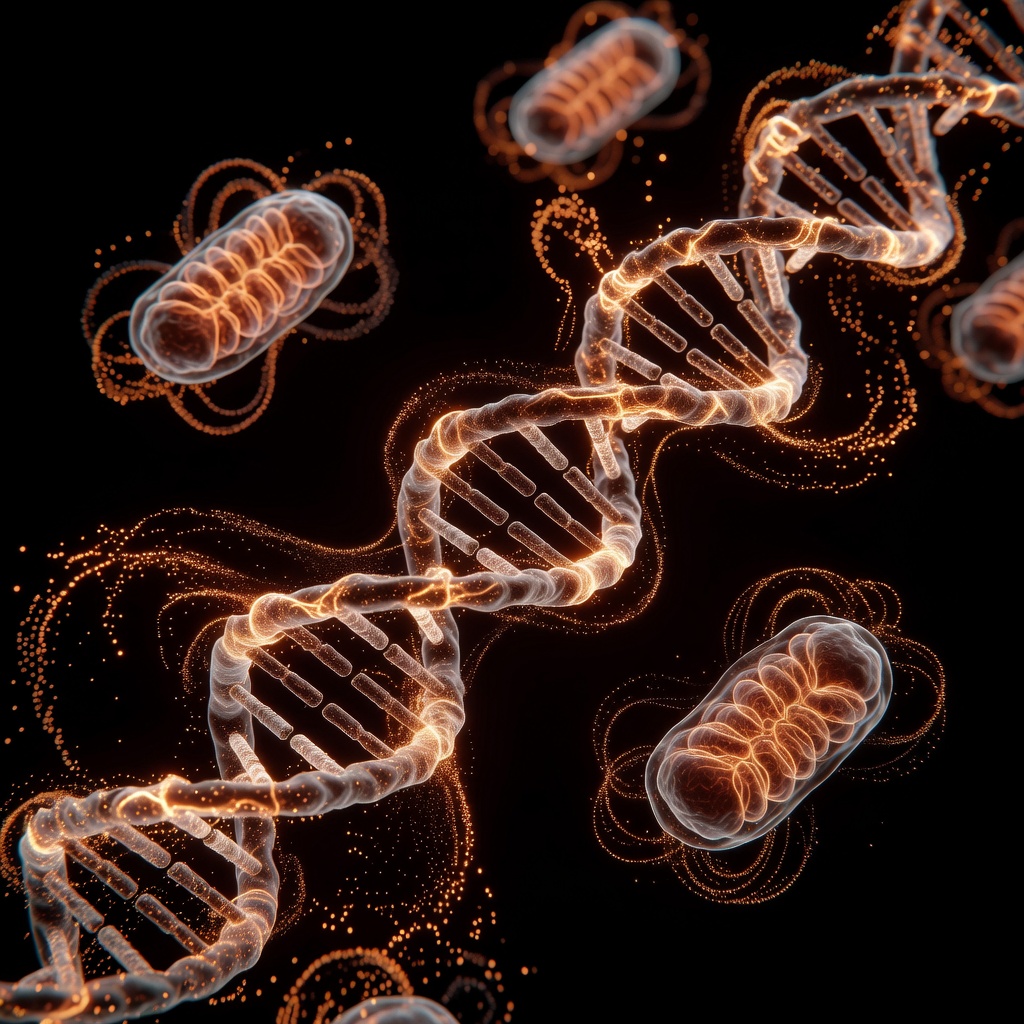
Nanoplastics are small enough to be internalized by cells via endocytosis, directly interacting with organelles. This internal presence can disrupt mitochondrial function and cellular energy production.
Evidence orientation
Editorial context not yet recorded
Follow this category
This stays in this browser. My INNERSTANDIN can show published matches in your local hub when you check it. It does not send email, push, or alert notifications.
Local learning review
A private browser aid for revisiting ideas. It is not an alert or a health recommendation.
Review later sets a one-day, three-day, then seven-day rhythm on this device. Choose it only when you want to revisit this article.
Overview
The modern world is saturated with synthetic polymers. While the environmental discourse has historically focused on the visible blight of macroplastics—bottles, bags, and discarded nets—a more insidious, sub-microscopic crisis has quietly infiltrated the biological architecture of life on Earth. This is the era of the nanoplastic.
Nanoplastics (NPs) are typically defined as plastic particles ranging from 1 to 1000 nanometres (nm) in diameter. To provide a sense of scale, a single human hair is approximately 80,000 to 100,000 nanometres wide. Because of their diminutive size, nanoplastics do not behave like the debris we can see; they behave like molecules. They bypass the traditional barriers of the gastrointestinal tract and the respiratory system, entering the bloodstream and, ultimately, the very interior of our cells.
For the INNERSTANDING community, it is essential to recognise that we are no longer just "exposed" to plastic; we are becoming integrated with it. The internalization of nanoplastics—the process by which these particles cross the plasma membrane and take up residence within the cytosol and organelles—represents a fundamental shift in human and environmental biology. This article explores the sophisticated, often hijacked, cellular mechanisms that facilitate this uptake and the profound implications for cellular health.
The Invisible Invasion: Unlike microplastics, which can cause physical blockages or abrasions, nanoplastics operate at the scale of proteins and DNA. Their danger lies not in their volume, but in their ability to interfere with the chemical signalling and structural integrity of the cell.
The Biology
To understand how a foreign synthetic polymer enters a cell, one must first understand the nature of the plasma membrane. The cell membrane is not a static wall; it is a dynamic, semi-permeable lipid bilayer, a "fluid mosaic" designed to strictly regulate what enters and exits the cytoplasmic environment.
The Lipid Bilayer and Surface Charge
The plasma membrane is composed primarily of phospholipids, with hydrophobic tails and hydrophilic heads. Under normal physiological conditions, the surface of most cells is negatively charged. Nanoplastics, however, arrive with their own set of physical and chemical properties, often referred to as their physicochemical signature.
The surface charge of a nanoplastic (its zeta potential) is a primary determinant of its biological fate. Cationic (positively charged) nanoplastics are particularly aggressive; they are attracted to the negatively charged cell membrane, leading to rapid adsorption and subsequent internalization. Anionic (negatively charged) particles can still enter, though they often rely on more complex protein interactions to bridge the gap.
The Protein Corona: A Biological Passport
One of the most critical concepts in nanoplastic biology is the protein corona. The moment a nanoplastic enters a biological fluid—whether it be saliva, blood, or interstitial fluid—it is immediately coated by a layer of proteins, lipids, and other biomolecules.
The cell does not "see" a piece of polystyrene or polyethylene. Instead, it sees this corona—a "biological passport" that disguises the plastic as a familiar nutrient, hormone, or signalling molecule. By mimicking endogenous substances, nanoplastics trick the cell’s receptors into initiating the uptake process. This "Trojan Horse" effect is what makes nanoplastics so uniquely dangerous compared to larger particles.
Mechanisms at the Cellular Level
Once a nanoplastic has adhered to the cell surface, the cell must actively or passively bring it inside. This process, known as internalization, occurs through several distinct pathways, most of which fall under the umbrella of endocytosis.
1. Phagocytosis: The "Cell Eating" Pathway
Phagocytosis is a specialised form of endocytosis used primarily by professional immune cells such as macrophages, neutrophils, and dendritic cells.
- The Process: The cell membrane expands and wraps around the plastic particle, forming a large vesicle called a phagosome.
- Nanoplastic Impact: While phagocytosis is designed to clear pathogens, nanoplastics can be indigestible. When a macrophage "eats" a nanoplastic, it may trigger a "frustrated phagocytosis" response, leading to the release of pro-inflammatory cytokines and lysosomal enzymes into the surrounding tissue.
2. Pinocytosis: "Cell Drinking"
Non-specific uptake of extracellular fluid and dissolved solutes is known as pinocytosis. Within this category, two sub-mechanisms are vital for nanoplastic uptake:
- Macropinocytosis: This involves the formation of large, fluid-filled ruffles on the cell surface that collapse back onto the membrane, trapping everything in the vicinity, including nanoplastics. It is a highly efficient way for cells to internalise large quantities of NPs rapidly.
- Clathrin-Mediated Endocytosis (CME): This is the most common route for specific internalization. Receptors on the cell surface bind to the nanoplastic’s protein corona. This triggers the assembly of a protein called clathrin on the inner side of the membrane, forming a coated pit that buds inward.
- Caveolae-Mediated Endocytosis: Some nanoplastics enter via "caveolae"—small, flask-shaped invaginations rich in cholesterol and the protein caveolin. Crucially, particles entering through this pathway often bypass the lysosomes (the cell's "digestive system"), allowing the nanoplastic to remain intact and move directly to the endoplasmic reticulum or even the nucleus.
3. Passive Diffusion and Membrane Disruption
While most uptake is active (requiring energy), extremely small nanoplastics (under 10nm) may undergo passive diffusion. Because of their hydrophobic nature, some plastic monomers can dissolve directly into the lipid bilayer, disrupting the membrane's fluidity. This can create "nanopores" or temporary holes in the cell wall, leading to a loss of cellular homeostasis and the leaking of vital ions like calcium.
4. Intracellular Trafficking and Organelle Targetting
Once inside, nanoplastics are not stationary. They are transported along the "highways" of the cell—the microtubule network.
- Lysosomal Accumulation: Most endocytic vesicles fuse with lysosomes. The acidic environment and enzymes inside lysosomes are designed to break down organic matter. However, plastics are resistant to enzymatic degradation. This leads to lysosomal swelling and rupture, releasing plastics and digestive enzymes into the cytosol, a process that can trigger apoptosis (programmed cell death).
- Mitochondrial Interference: Nanoplastics have a high affinity for the mitochondria. By localising within this organelle, they disrupt the electron transport chain, leading to the overproduction of Reactive Oxygen Species (ROS). This results in oxidative stress, damaging the cell’s lipids, proteins, and DNA.
The Nuclear Threat: Recent studies have confirmed that the smallest nanoplastics can penetrate the nuclear envelope. Once inside the nucleus, they can physically interfere with DNA replication and transcription, potentially leading to genotoxic effects and long-term mutational burdens.
Environmental Threats
The threat of nanoplastic internalization is not confined to human biology; it is a systemic ecological crisis. The "Plasticene" era is characterised by the bioaccumulation and biomagnification of these particles across every trophic level.
Bioavailability in the Food Chain
In marine and freshwater ecosystems, nanoplastics are ingested by primary producers like zooplankton and phytoplankton. Because these organisms are at the base of the food web, the internalized nanoplastics are passed upward to fish, crustaceans, and eventually, humans. This is trophic transfer.
What makes this particularly hazardous is the "Trojan Horse" chemical load. Nanoplastics have a high surface-area-to-volume ratio, making them incredibly efficient at "adsorbing" (grabbing onto) persistent organic pollutants (POPs) from the environment, such as:
- Polychlorinated Biphenyls (PCBs)
- Polycyclic Aromatic Hydrocarbons (PAHs)
- Heavy metals (Lead, Mercury, Cadmium)
When a cell internalises a nanoplastic, it is also internalising a concentrated dose of these environmental toxins, which are then released directly into the intracellular environment as the plastic interacts with cellular lipids.
Soil and Terrestrial Impact
The terrestrial environment is arguably more contaminated than the oceans. The use of sewage sludge as fertiliser and the degradation of agricultural mulching films have turned British soil into a reservoir for nanoplastics. These particles are internalized by the root systems of crops—such as wheat, lettuce, and carrots—via the apoplastic and symplastic pathways. Once inside the plant cells, they can inhibit growth, reduce chlorophyll content, and ultimately enter the human diet through "healthy" vegetable consumption.
The UK Context
The United Kingdom finds itself at a critical juncture regarding nanoplastic regulation and research. As an island nation with a rich maritime history, the health of our coastal waters and the integrity of our food supply are paramount.
The British "Plastic Soup"
The waters surrounding the UK, particularly the English Channel and the North Sea, contain some of the highest recorded concentrations of micro- and nanoplastics globally. This is driven by high population density, industrial runoff, and the breakdown of synthetic textiles. A significant portion of nanoplastics in the UK comes from tyre wear particles—a major source of microplastic pollution on British roads that eventually grinds down into the nano-range and enters the atmosphere and waterways.
Regulatory Lag: UK REACH
Following Brexit, the UK manages its own chemical regulations under UK REACH (Registration, Evaluation, Authorisation, and Restriction of Chemicals). However, current legislation remains largely focused on "bulk" materials. There is a profound regulatory gap regarding nanoplastics. Because they are not a single chemical species but a class of materials with varying shapes and sizes, they often evade the "tonnage-based" triggers for safety testing.
Scientific bodies like the University of Plymouth and the University of Exeter are world leaders in microplastic research, consistently warning that the current "thresholds of concern" are based on outdated macro-scale data. The UK government has made strides with the ban on microbeads in personal care products, but this addresses only a fraction of the primary microplastics, leaving the secondary nanoplastics (formed by the breakdown of larger items) entirely unregulated.
The NHS and Public Health
In the UK, the long-term impact of nanoplastic internalization on the NHS cannot be overstated. With rising rates of inflammatory bowel disease (IBD), neurodegenerative conditions, and metabolic syndromes, researchers are beginning to investigate the "plastic link." If nanoplastics are driving chronic intracellular inflammation across the population, the economic and social burden will be staggering.
Protective Measures
While the ubiquity of nanoplastics makes total avoidance impossible, understanding the mechanisms of cellular uptake allows us to implement strategic measures to reduce our internal burden.
1. Filtration and Water Integrity
Standard municipal water treatment is not designed to catch particles at the 100nm scale.
- Recommendation: High-quality Reverse Osmosis (RO) systems or sub-micron ceramic filters are the most effective way to reduce nanoplastic intake from tap water. Avoid bottled water, which has been shown to contain significantly higher concentrations of nanoplastics due to the degradation of the bottle itself.
2. Dietary Consciousness
Since nanoplastics accumulate in the fat tissues of animals and the vascular systems of plants:
- Bioaccumulation reduction: Limit the consumption of filter-feeders (like mussels and oysters) and small fatty fish where the entire organism is consumed.
- Produce hygiene: Thoroughly washing vegetables can remove surface-adhered particles, though it will not remove those internalized through the roots. Choosing hydroponic or greenhouse-grown produce in controlled environments may reduce exposure to soil-borne nanoplastics.
3. Textile and Home Environment
A significant source of nanoplastic inhalation comes from synthetic home furnishings and clothing (polyester, nylon, acrylic).
- Natural Fibres: Transitioning to wool, cotton, hemp, and silk reduces the "plastic dust" in the home.
- HEPA Filtration: Using vacuum cleaners and air purifiers with HEPA filters can capture airborne nanoplastic fibres before they are inhaled and translocated from the lungs to the blood.
4. Supporting Cellular Resilience
Since the primary damage caused by internalized nanoplastics is oxidative stress, supporting the body’s endogenous antioxidant systems is vital.
- Glutathione Support: Ensuring adequate intake of precursors (like N-acetyl cysteine) and minerals (like selenium) helps the cell neutralise the ROS generated by mitochondrial plastic interference.
- Autophagy Activation: Periodic fasting or specific phytonutrients (like spermidine or resveratrol) can stimulate autophagy—the cell’s natural "rubbish disposal" system—which may help in the clearance of damaged organelles and some sequestered foreign particles.
Key Takeaways
- Nanoplastics are uniquely invasive: Their size (1–1000nm) allows them to bypass biological barriers that block larger microplastics, moving from the environment directly into the human cell.
- Uptake is active and deceptive: Cells internalise nanoplastics through endocytic pathways (phagocytosis, pinocytosis, CME), often tricked by the "protein corona" that coats the plastic and mimics natural biological molecules.
- Intracellular damage is multi-faceted: Once inside, nanoplastics disrupt lysosomes, cause mitochondrial oxidative stress, and can even enter the nucleus to interfere with genetic material.
- The UK faces a specific challenge: High concentrations of tyre wear particles and maritime plastic pollution, combined with a regulatory lag in UK REACH, make this a pressing national health issue.
- Mitigation requires a systemic shift: While individual measures like water filtration and dietary choices are important, the long-term solution lies in a fundamental move away from a "disposable" polymer economy toward materials that are biologically compatible.
The internalization of nanoplastics is not merely an "environmental issue"; it is a physiological transformation. As we continue to uncover the depth of this molecular intrusion, the mission of platforms like INNERSTANDING is to provide the biological literacy necessary to navigate a world where the boundary between the synthetic and the organic is increasingly blurred. To understand the cell is to understand the frontline of the plastic crisis.
This article is provided for informational and educational purposes only. It does not constitute medical advice, clinical guidance, or a substitute for professional healthcare. Information reflects cited research at time of publication. Always consult a qualified healthcare professional before acting on any health information.
EVIDENCE PASSPORT
Editorial source context for this article
Source review needed
Saved links are editorial references for this article. They may support specific claims rather than every sentence. Open and assess each source in context. This passport does not independently verify them.
Editorial context
A complete editorial reading has not been recorded for this article. Source links remain available for you to open and assess directly.
Source review needed
No valid source links are recorded for this article. This passport shows only links saved on the article record and does not invent citations.
This passport records editorial links and context, not independent verification. Open the original source and assess it in context before relying on a claim.
Medical Disclaimer
The information in this article is for educational purposes only and does not constitute medical advice, diagnosis, or treatment. Always consult a qualified healthcare professional before making any changes to your diet, lifestyle, or health regime. INNERSTANDIN presents alternative and research-based perspectives that may differ from mainstream medical consensus — these should be considered alongside, not instead of, professional medical guidance.
Read Full DisclaimerContinue the thread
Keep this question moving.
Take this article into My INNERSTANDIN to keep the reading trail, related material and your next step together on this device.
Dig deeper in the Library
Free, longform PDF volumes that go beyond headlines into mechanisms and references.