
Reproductive Impairment: Plastic Impacts on Fertility
Updated April 2026
Microplastics found in reproductive organs are associated with reduced sperm quality and ovarian dysfunction. Addressing these environmental factors is crucial for tackling UK fertility rates.
Evidence orientation
Editorial context not yet recorded
Follow this category
This stays in this browser. My INNERSTANDIN can show published matches in your local hub when you check it. It does not send email, push, or alert notifications.
Local learning review
A private browser aid for revisiting ideas. It is not an alert or a health recommendation.
Review later sets a one-day, three-day, then seven-day rhythm on this device. Choose it only when you want to revisit this article.
Overview
The modern era is defined by the "Great Plastic Incursion"—a silent, molecular invasion that has permeated every ecological niche on Earth, including the most intimate sanctuary of the human species: the reproductive system. For decades, microplastics (MNPs) were viewed primarily as an environmental nuisance, a visual blight on our coastlines and a hazard to marine megafauna. However, the scientific frontier has shifted from the macroscopic to the microscopic, revealing a more sinister reality. We are no longer merely living in a world filled with plastic; we are becoming plastic.
Infertility rates are climbing globally at an alarming rate. Clinical data suggests that sperm counts in Western nations have plummeted by over 50% in the last four decades, while female reproductive pathologies, including Premature Ovarian Insufficiency (POI) and polycystic ovary syndrome (PCOS), are surging. While lifestyle factors such as diet and sedentary behaviour are often blamed, the biological evidence increasingly points toward the ubiquity of microplastics and nanoplastics (MNPs) as a primary driver of reproductive impairment.
These particles—defined as microplastics (<5mm) and nanoplastics (<1µm)—are not inert. They are biologically active vectors for endocrine-disrupting chemicals (EDCs) and heavy metals. Their ability to breach biological barriers, including the blood-testis barrier and the placental barrier, places them at the centre of a burgeoning fertility crisis. This article explores the mechanistic sabotage of human reproduction by plastic particles, exposing the cellular and systemic threats that compromise our biological legacy.
The Biology
The human reproductive system is an intricate, finely tuned orchestra of hormonal signals and rapid cellular turnover. This high metabolic activity makes the gonads—the testes and ovaries—uniquely vulnerable to external pollutants. The journey of a plastic particle from the external environment to the human germline involves several critical stages: ingestion, inhalation, translocation, and accumulation.
Translocation and the Systemic Route
Once MNPs enter the body through contaminated seafood, bottled water, or even the air we breathe, they encounter the primary biological barriers. While larger microplastics may pass through the gastrointestinal tract, nanoplastics are small enough to undergo endocytosis, crossing the epithelial lining of the gut or the alveoli of the lungs to enter the bloodstream.
Once in systemic circulation, these particles seek out lipid-rich environments. The reproductive organs, with their high vascularisation and lipid-intensive steroidogenesis processes, act as "sinks" for these particles. Research has confirmed the presence of plastic polymers in human blood, placental tissue, and most recently, in human follicular fluid and semen.
The Vulnerability of Spermatogenesis
Spermatogenesis is a continuous, high-volume process that is exquisitely sensitive to oxidative stress and temperature fluctuations. The testes are protected by the blood-testis barrier (BTB), one of the tightest blood-tissue barriers in the mammalian body. However, nanoplastics have demonstrated the ability to disrupt the tight junction proteins (such as occludin and zonula occludens-1) that maintain this barrier. Once the BTB is compromised, nanoplastics infiltrate the seminiferous tubules, where they directly interact with developing spermatids, leading to morphological abnormalities and DNA fragmentation.
The Ovarian Reserve and Oogenesis
Unlike the male, the female is born with a finite number of oocytes. This makes the female reproductive lifespan particularly vulnerable to cumulative toxic insults. Nanoplastics that accumulate in the ovaries can trigger follicular atresia—the premature death of ovarian follicles. This not only accelerates the onset of menopause but also degrades the quality of the remaining oocytes, leading to increased rates of miscarriage and chromosomal abnormalities.
Mechanisms at the Cellular Level
To understand how plastic impairs fertility, we must look beyond the physical presence of the particle and examine the molecular sabotage it enacts upon the cell.
1. Endocrine Disruption (The Mimicry Effect)
Plastics are not pure polymers; they are chemical cocktails containing additives like bisphenols (BPA, BPS), phthalates, and flame retardants. These additives are not chemically bound to the plastic matrix and easily leach into biological tissues.
- Oestrogen Mimicry: Many plastic additives are "xenoestrogens." They bind to oestrogen receptors (ERα and ERβ), sending false signals to the body. This disrupts the Hypothalamic-Pituitary-Gonadal (HPG) axis, leading to suppressed luteinizing hormone (LH) and follicle-stimulating hormone (FSH) levels.
- Androgen Sabotage: In males, phthalates interfere with the Leydig cells, reducing testosterone production. This "demasculinization" of the internal environment is a hallmark of plastic-induced reproductive toxicity.
2. Oxidative Stress and Mitochondrial Dysfunction
The most pervasive mechanism of plastic-induced damage is the induction of Reactive Oxygen Species (ROS). When a cell identifies a foreign plastic particle, it initiates an inflammatory response.
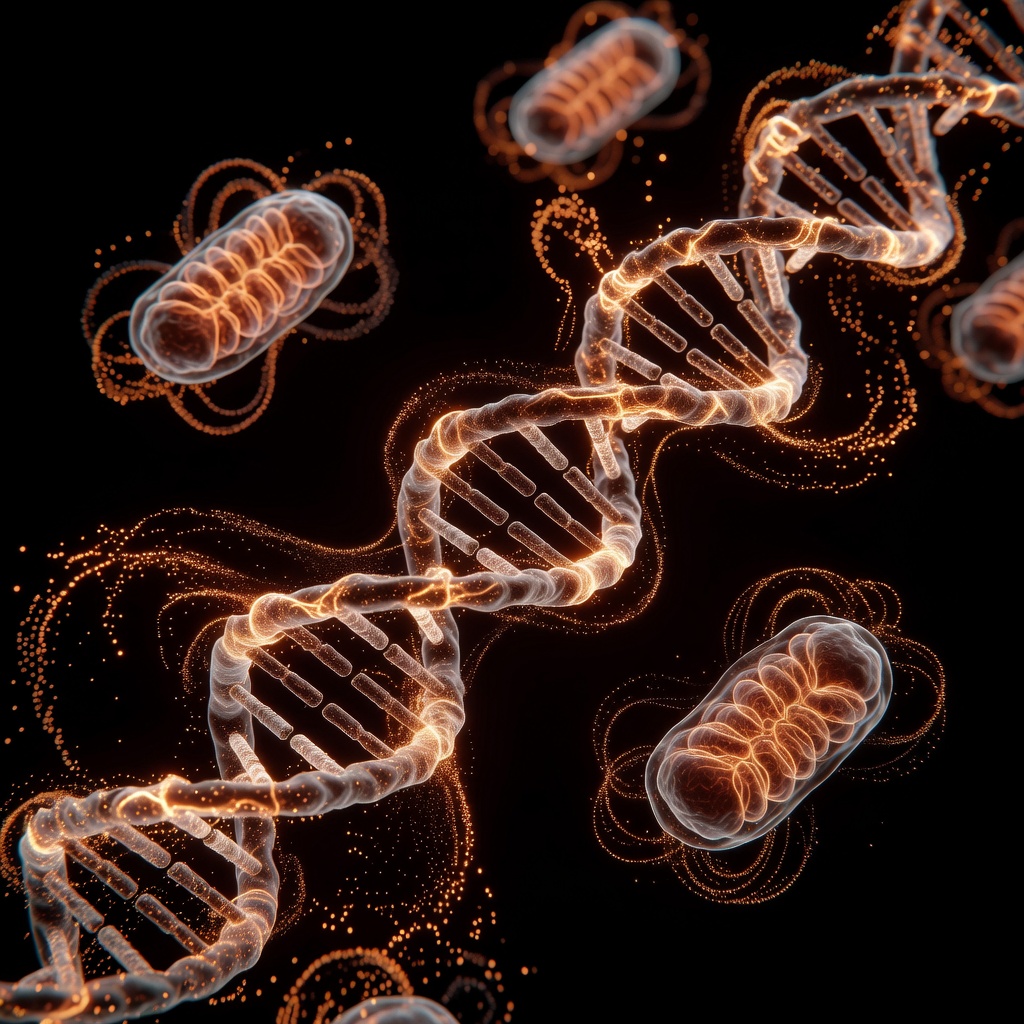
- Mitochondrial Damage: Nanoplastics can penetrate the mitochondria—the powerhouse of the cell. This leads to a collapse of the mitochondrial membrane potential, halting ATP production. Since sperm require immense energy for motility, this "bioenergetic failure" results in asthenozoospermia (poor motility).
- Lipid Peroxidation: The membranes of germ cells are rich in polyunsaturated fatty acids, which are highly susceptible to ROS. Plastic-induced oxidative stress leads to lipid peroxidation, compromising the structural integrity of the sperm and egg membranes.
3. Epigenetic Alterations
Perhaps the most alarming mechanism is the ability of MNPs to alter the epigenome. While the DNA sequence remains unchanged, the "tags" that tell genes when to turn on or off are disrupted.
- DNA Methylation: Exposure to plastics during critical windows of development (in utero or during puberty) can lead to aberrant DNA methylation patterns in germ cells.
- Transgenerational Effects: These epigenetic scars can be passed down to subsequent generations. Studies in murine models have shown that if a "Great-Grandmother" is exposed to plastic leachates, the "Great-Grandson" may still exhibit reduced fertility, despite never having been directly exposed.
The Trojan Horse Effect: Microplastics often act as "shuttles" for other environmental toxins. In the ocean and soil, plastics adsorb persistent organic pollutants (POPs) and heavy metals (such as lead and cadmium) onto their surfaces. When these particles are ingested, they deliver a concentrated dose of multiple toxins directly into the reproductive tissues.
Environmental Threats
The threat to reproductive health is not confined to a single source but is the result of a cumulative "plastic load" from our environment.
The Food Chain and Bioaccumulation
Trophic transfer is a primary route of human exposure. Microplastics are ingested by zooplankton, which are eaten by small fish, and eventually, these plastics accumulate in apex predators—including humans.
- Seafood: Shellfish, which are filter feeders, contain some of the highest concentrations of microplastics found in the human diet.
- Agricultural Land: The use of "biosolids" (sewage sludge) as fertiliser on UK farms has introduced trillions of microplastic fibres into our soil. These are taken up by root vegetables or ingested by livestock, entering the terrestrial food chain.
Synthetic Textiles and Indoor Air
We often overlook the air we breathe. A significant portion of household dust is composed of synthetic microfibres from polyester, acrylic, and nylon clothing.
- Inhalation: We inhale tens of thousands of plastic fibres annually. These fibres can cross the lung-blood barrier, providing a direct route for nanoplastics to bypass the digestive system and enter the systemic circulation.
The Leaching of Consumer Products
Heat is the primary catalyst for plastic degradation.
- Plastic Containers: Microwaving food in plastic containers or placing them in the dishwasher causes the polymer structure to break down, releasing billions of nanoplastics directly into the food.
- Bottled Water: Research has shown that a single litre of bottled water can contain an average of 240,000 detectable plastic fragments, many of which are nanoplastics capable of entering the bloodstream.
The UK Context
In the United Kingdom, the intersection of old industrial infrastructure and modern plastic dependency has created a unique reproductive health challenge.
The State of British Waterways
The UK’s river systems, including the Thames, the Mersey, and the Severn, have been found to contain some of the highest microplastic concentrations in the world. A study by the University of Manchester revealed that the River Mersey contained more microplastic particles per cubic metre than the infamous "Great Pacific Garbage Patch." For the UK population, this isn't just an environmental tragedy; it is a public health crisis, as these waterways feed into the agricultural and water treatment systems that sustain the nation.
The NHS Burden
Infertility now affects 1 in 7 couples in the UK. The financial and emotional burden on the National Health Service (NHS) is immense, with thousands of IVF cycles funded annually. However, the medical approach remains largely reactive—treating the symptoms of infertility rather than addressing the environmental "body burden" of plastics.
Regulatory Gaps Post-Brexit
Following the UK's departure from the European Union, the regulatory landscape for chemicals (UK REACH) has come under scrutiny. There are concerns that the UK may diverge from stricter EU restrictions on certain phthalates and plastic additives.
- The Precautionary Principle: Critics argue that the UK government must adopt a more aggressive "precautionary principle" regarding nanoplastics. Current safety standards are based on "bulk" materials, but the biological behaviour of nanoplastics is fundamentally different and far more invasive.
Protective Measures
While the ubiquity of plastics makes total avoidance impossible, strategic lifestyle interventions can significantly reduce the "reproductive plastic load."
1. Dietary Decoupling
- Glass and Stainless Steel: Transition all food storage and water vessels to inert materials. Never heat food in plastic containers.
- Filter Your Water: Use high-quality water filtration systems (such as Reverse Osmosis) that are certified to remove microplastics down to the sub-micron level.
- Reduce Ultra-Processed Foods: UPFs are often processed through plastic tubing and packaged in multi-layered plastic films, significantly increasing the chemical leachate content.
2. Environmental Hygiene
- Dust Management: Use a HEPA-filter vacuum cleaner to capture synthetic microfibres in the home. Ensure regular ventilation to reduce the concentration of airborne plastics.
- Natural Fibres: Opt for clothing made from wool, cotton, silk, or linen. This reduces the shedding of synthetic fibres in the home and prevents them from entering the water system via laundry.
3. Biological Support (The Antioxidant Defence)
Because the primary mechanism of plastic damage is oxidative stress, supporting the body's natural antioxidant pathways is essential.
- Glutathione Support: Supplementing with N-Acetyl Cysteine (NAC) or consuming sulphur-rich vegetables (broccoli, garlic) can boost glutathione, the body's primary defence against plastic-induced ROS.
- Selenium and Zinc: These trace minerals are vital for maintaining the integrity of the blood-testis barrier and supporting healthy oocyte development.
4. Policy Advocacy
Individual action must be matched by systemic change. Supporting a "Global Plastics Treaty" that mandates the disclosure of all chemical additives and drastically reduces the production of primary microplastics is the only long-term solution for preserving human fertility.
Key Takeaways
- Biological Infiltration: Microplastics and nanoplastics (MNPs) are no longer external pollutants; they are found in human blood, semen, follicular fluid, and placental tissue.
- Mechanisms of Decay: Plastics impair fertility through three primary channels: endocrine disruption (mimicking hormones), oxidative stress (damaging cellular structures), and epigenetic alterations (impacting future generations).
- The Nanoscale Threat: Nanoplastics are the most dangerous size fraction, as they can bypass the blood-testis and blood-follicle barriers to interact directly with the germline.
- The UK Crisis: British waterways are among the most plastic-polluted globally, contributing to a rising tide of infertility that places a significant strain on the NHS.
- The Precautionary Path: Reducing exposure through dietary changes, avoiding heated plastics, and supporting antioxidant health are the most effective individual strategies to mitigate the impact.
- Existential Risk: The decline in human fertility is not a mystery; it is a predictable biological response to a world saturated with synthetic polymers. Protecting the germline requires a radical decoupling from the "Plastic Age."
The evidence is no longer peripheral; it is central to our understanding of modern reproductive failure. If we are to safeguard the future of the human species, we must confront the reality that our plastic convenience comes at the cost of our biological continuity. The time for "awareness" has passed—the time for biological preservation is now.
This article is provided for informational and educational purposes only. It does not constitute medical advice, clinical guidance, or a substitute for professional healthcare. Information reflects cited research at time of publication. Always consult a qualified healthcare professional before acting on any health information.
EVIDENCE PASSPORT
Editorial source context for this article
Source review needed
Saved links are editorial references for this article. They may support specific claims rather than every sentence. Open and assess each source in context. This passport does not independently verify them.
Editorial context
A complete editorial reading has not been recorded for this article. Source links remain available for you to open and assess directly.
Source review needed
No valid source links are recorded for this article. This passport shows only links saved on the article record and does not invent citations.
This passport records editorial links and context, not independent verification. Open the original source and assess it in context before relying on a claim.
Medical Disclaimer
The information in this article is for educational purposes only and does not constitute medical advice, diagnosis, or treatment. Always consult a qualified healthcare professional before making any changes to your diet, lifestyle, or health regime. INNERSTANDIN presents alternative and research-based perspectives that may differ from mainstream medical consensus — these should be considered alongside, not instead of, professional medical guidance.
Read Full DisclaimerContinue the thread
Keep this question moving.
Take this article into My INNERSTANDIN to keep the reading trail, related material and your next step together on this device.
Explore this in the Body Map
See where this hits your biology. Interactive anatomy, threats, and protective protocols.
Dig deeper in the Library
Free, longform PDF volumes that go beyond headlines into mechanisms and references.