
Endocrine Interference: Chemical Additives in Microplastics
Updated May 2026
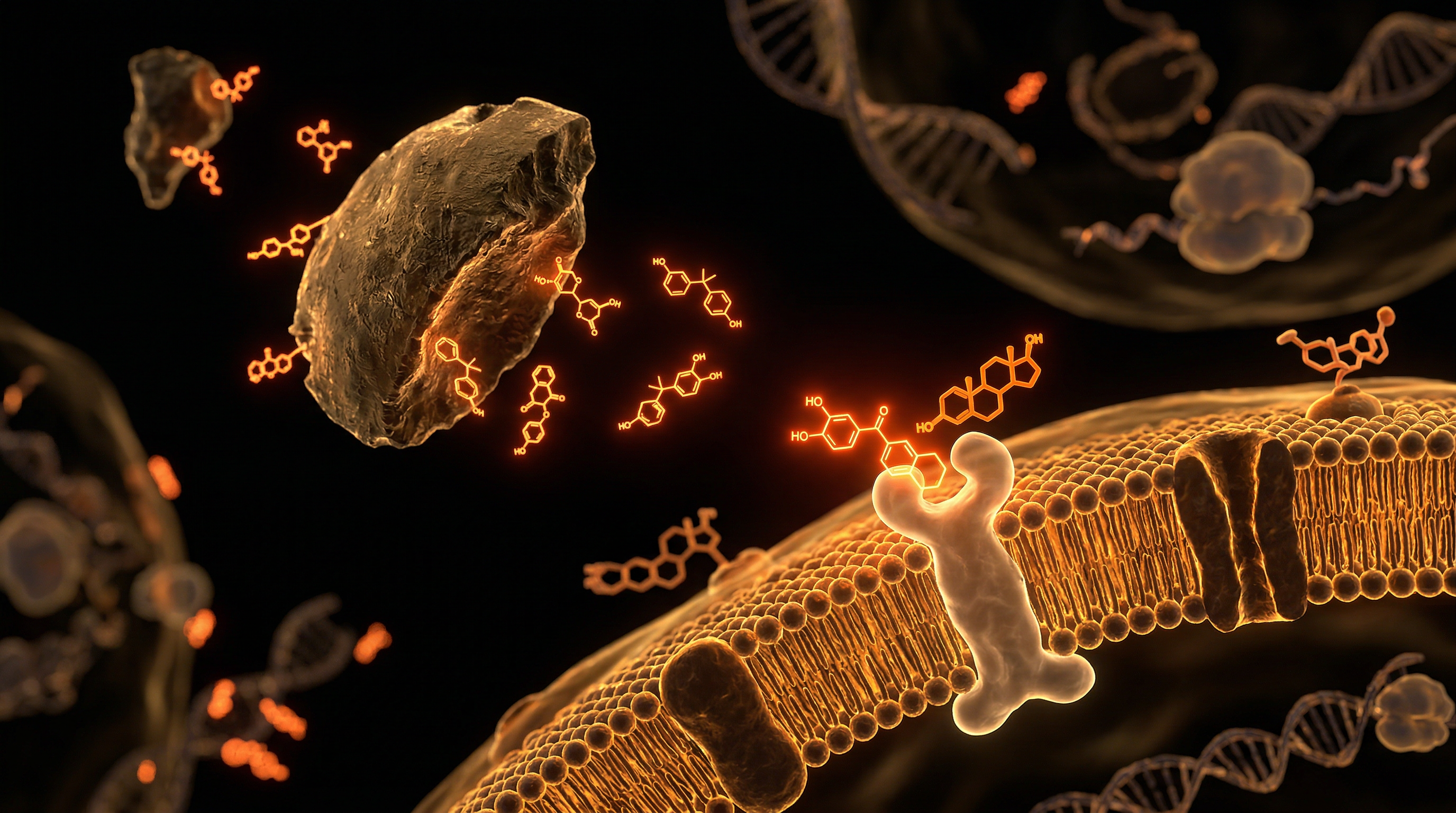
Microplastics act as delivery vehicles for endocrine-disrupting chemicals like phthalates and bisphenols. These substances interfere with hormonal signaling, potentially impacting reproductive health and metabolism.
Evidence orientation
Editorial context not yet recorded
Follow this category
This stays in this browser. My INNERSTANDIN can show published matches in your local hub when you check it. It does not send email, push, or alert notifications.
Local learning review
A private browser aid for revisiting ideas. It is not an alert or a health recommendation.
Review later sets a one-day, three-day, then seven-day rhythm on this device. Choose it only when you want to revisit this article.
Overview
In the contemporary era, we are no longer merely living in a "Plastic Age"; we are living in an age where the very biological integrity of the human species is being rewritten by the synthetic polymers we have unleashed into the biosphere. While the visual pollution of plastic—oceanic gyres and littered coastlines—occupies the public consciousness, a far more insidious threat operates at the sub-microscopic level. Microplastics (MPs), defined as particles smaller than 5mm, and nanoplastics (NPs), smaller than 1µm, have infiltrated every known ecosystem and, consequently, every tissue within the human body.
However, the physical presence of these particles is only half of the story. The true "Trojan Horse" of this crisis lies in the chemical additives—the plasticisers, flame retardants, and stabilisers—that are integrated into these polymers during manufacturing. These substances, predominantly Endocrine Disrupting Chemicals (EDCs), do not remain locked within the plastic matrix. Instead, they leach into the surrounding environment and biological fluids, where they interfere with the delicate orchestration of the endocrine system.
The endocrine system is the body’s primary communication network, utilizing hormones to regulate everything from embryonic development and metabolic rate to reproductive fertility and neurological function. Even at concentrations as low as parts-per-trillion, these additives can mimic, block, or alter hormonal signals. As a senior researcher at INNERSTANDING, it is my duty to expose the depth of this molecular interference. We are witnessing a systemic "biochemical insurrection," where synthetic molecules are outcompeting natural ligands for control of our cellular fate.
Key Fact: Recent studies have identified microplastics in human blood, lung tissue, placentas, and even breast milk, serving as direct conduits for chemical additives to bypass the body's natural barriers.
The Biology — How It Works
The human body was never designed to interact with the high-energy, synthetic surfaces of microplastics. To understand the biology of interference, we must first understand the concept of bioavailability and the Trojan Horse Effect.
The Trojan Horse Effect
Microplastics act as delivery vehicles. Because of their hydrophobic nature and high surface-area-to-volume ratio, they do not just carry the chemicals they were manufactured with; they also "adsorb" persistent organic pollutants (POPs) from the surrounding environment. When a human ingests or inhales a microplastic particle, they are not just consuming a piece of polyethylene or polystyrene; they are consuming a concentrated "chemical cocktail."
Pathways of Entry
- Ingestion: The primary route, via contaminated seafood, bottled water, and even salt. Once in the gastrointestinal tract, the acidic environment of the stomach and the presence of digestive enzymes can accelerate the leaching of additives from the plastic core.
- Inhalation: Atmospheric microplastics, derived from tyre wear and synthetic textiles, are small enough to reach the deep alveoli of the lungs. From here, nanoplastics can cross the air-blood barrier, entering systemic circulation.
- Dermal Absorption: While less common for large particles, nanoplastics and the chemicals they leach (like phthalates) can penetrate the skin, particularly when aided by solvents or heat.
The Leaching Process
Unlike the primary polymer chain, which is held together by strong covalent bonds, additives like phthalates and bisphenols are often only physically mixed into the plastic. They are not chemically bound. This means that factors such as changes in pH, increased temperature (e.g., microwaving a plastic container), or the presence of lipids (fats) cause these chemicals to migrate out of the plastic and into the food or the human body. Once free, these molecules possess the correct geometry to dock into human hormone receptors.
Mechanisms at the Cellular Level
At the cellular level, the interference caused by microplastic additives is a masterclass in molecular sabotage. The endocrine system relies on "lock and key" precision. EDCs act as "broken keys" that get stuck in the lock or "skeleton keys" that open doors that should remain shut.
Receptor Mimicry and Antagonism
The most well-documented mechanism is the interaction with Nuclear Receptors, such as the Oestrogen Receptors (ERα and ERβ) and the Androgen Receptor (AR).
- Agonism: Chemicals like Bisphenol A (BPA) mimic natural oestrogen. They bind to the receptor and trigger a cellular response at inappropriate times, leading to "oestrogen dominance."
- Antagonism: Phthalates often act as anti-androgens. They bind to the androgen receptor and prevent the body’s natural testosterone from docking, effectively "silencing" masculine hormonal signals.
Interference with Steroidogenesis
Beyond direct receptor binding, microplastic additives disrupt the actual production of hormones (steroidogenesis). For example, certain phthalates have been shown to inhibit the expression of the CYP11A1 enzyme, which is responsible for the first step of converting cholesterol into steroid hormones. Without this enzymatic catalyst, the production of progesterone, cortisol, and testosterone is fundamentally compromised.
Oxidative Stress and Mitochondrial Dysfunction
Microplastics themselves induce the production of Reactive Oxygen Species (ROS). When a cell is under oxidative stress, the mitochondria—the powerhouses of the cell—suffer. Since the synthesis of many hormones takes place within the mitochondria, this physical damage leads to a decline in hormonal output. Furthermore, ROS can damage the DNA of the cell, leading to epigenetic changes that may be passed down to future generations.
Epigenetic Programming
This is perhaps the most concerning mechanism. EDCs from microplastics can alter DNA methylation and histone modification. This does not change the genetic code itself, but it changes how the code is read. Research suggests that exposure to phthalates in utero can "re-programme" the foetus's endocrine system, predisposng the individual to metabolic diseases or reproductive issues decades later.
Environmental Threats and Biological Disruptors
The environment is not a separate entity; it is the source of our biological building blocks. The proliferation of microplastics in the "Plastisphere" has created a global reservoir of endocrine disruptors.
Bioaccumulation and Biomagnification
Microplastics are consumed by zooplankton and small fish at the base of the food chain. As these organisms are eaten by larger predators, the concentration of both the plastic particles and the associated EDCs increases. By the time these substances reach the human dinner plate—particularly in apex predators like tuna or swordfish—the chemical burden has been magnified millions of times.
The Problem with "Biodegradable" Plastics
A common misconception is that "biodegradable" or "compostable" plastics are the solution. In reality, many of these plastics simply break down faster into microplastics, and they often contain the same, if not more, chemical additives to achieve their flexible properties. These "green" alternatives can be just as potent as endocrine disruptors as traditional petroleum-based plastics.
The Chemical "Villains"
- Phthalates: Used to make plastics flexible (PVC). Known to interfere with male reproductive development (the "Phthalate Syndrome").
- Bisphenols (BPA, BPS, BPF): Used in polycarbonates and can linings. Potent oestrogen mimics linked to breast and prostate cancer.
- PFAS (Per- and Polyfluoroalkyl Substances): Often coated onto plastics for water/grease resistance. Known as "forever chemicals," they interfere with thyroid function and lipid metabolism.
- Organotins: Used as stabilisers in PVC. These are potent "obesogens" that program stem cells to become fat cells rather than bone or muscle.
Important Statistic: Over 10,000 different chemicals are used in the production of plastics, of which more than 2,400 are identified as "substances of potential concern" by independent toxicologists, yet many remain entirely unregulated.
The Cascade: From Exposure to Disease
The disruption of hormonal signaling is not a theoretical risk; it is a clinical reality. The cascade from microplastic exposure to chronic disease is becoming increasingly clear in the epidemiological data.
Reproductive Decline: "Spermageddon"
Western sperm counts have declined by over 50% in the last four decades. While multiple factors are at play, the timing correlates perfectly with the mass adoption of plastic. Phthalates, delivered via microplastics, disrupt the blood-testis barrier. They damage Sertoli cells and Leydig cells, leading to reduced testosterone production and impaired spermatogenesis. In females, EDCs are linked to Polycystic Ovary Syndrome (PCOS), endometriosis, and primary ovarian insufficiency.
The Rise of Obesogens
The traditional view of obesity—calories in versus calories out—is being challenged by the science of obesogens. Additives like bisphenols and certain phthalates interfere with the PPAR-gamma receptor, which acts as the "master switch" for fat cell development. When these chemicals activate the switch, the body creates more adipocytes (fat cells) and programs them to store more fat and burn less energy. This creates a metabolic environment where weight loss becomes biologically difficult, regardless of diet.
Thyroid and Neurological Interference
The thyroid gland is highly sensitive to halogenated compounds often found on microplastics (like flame retardants). By mimicking thyroid hormones (T3 and T4), these chemicals can displace natural hormones from their transport proteins in the blood. This leads to a state of "subclinical hypothyroidism," characterised by fatigue, brain fog, and depression. In children, this interference during critical windows of brain development is linked to lower IQ and the rise in neurodevelopmental disorders like ADHD and Autism.
Early Onset Puberty
There is a documented trend of girls entering puberty at increasingly younger ages. Exposure to oestrogenic EDCs from plastics is a primary suspect. Early puberty is not just a social issue; it is a significant risk factor for the development of hormone-sensitive cancers (breast and uterine) later in life.
What the Mainstream Narrative Omits
As a researcher for INNERSTANDING, I must address the gaps in the public discourse. The mainstream narrative often minimises the microplastic crisis as an "environmental nuisance" rather than a "biological emergency."
The "Threshold" Myth
Regulatory bodies like the EFSA (European Food Safety Authority) often base "safe" limits on the assumption that "the dose makes the poison." This is a 16th-century concept (Paracelsus) that does not apply to endocrinology. Hormones work on a non-monotonic dose-response curve. This means that extremely low doses can actually be more disruptive than high doses because they don't trigger the body's protective "shutdown" mechanisms and instead subtly hijack the receptor system.
Regrettable Substitution
When the public became aware of the dangers of BPA, the industry responded with "BPA-Free" products. However, they simply replaced BPA with BPS (Bisphenol S) or BPF (Bisphenol F). Emerging research shows these analogues are just as endocrine-disruptive, and in some cases, more heat-stable and persistent in the body. The mainstream narrative fails to mention that "BPA-Free" is often a hollow marketing term.
The Synergistic "Cocktail Effect"
Toxicological testing is almost always performed on single chemicals. However, humans are exposed to hundreds of plastic additives simultaneously. These chemicals exhibit synergistic toxicity, where the combined effect of three chemicals is 10 or 100 times greater than the sum of their individual parts. Regulatory frameworks are currently unequipped to measure or manage this "cocktail effect."
Corporate Capture of Science
Many of the studies used to justify the safety of plastic additives are funded by the chemical industry. These studies frequently use "insensitive" animal models or flawed methodologies designed to produce a "no-effect" result. Independent academic research consistently finds harm where industry-funded research finds safety.
The UK Context
The United Kingdom finds itself in a precarious position regarding microplastic regulation and exposure.
The Post-Brexit Regulatory Gap
Following Brexit, the UK moved away from the EU's REACH (Registration, Evaluation, Authorisation and Restriction of Chemicals) framework to establish UK REACH. Critics argue that the UK version lacks the same level of data-sharing and rigorous oversight, potentially allowing for "regulatory divergence" where chemicals restricted in the EU remain legal in the UK.
Contamination of British Waterways
Research from the University of Manchester has found that some rivers in the North of England have the highest levels of microplastic contamination recorded anywhere in the world. The River Mersey, for example, has been shown to contain higher concentrations of microplastics than the "Great Pacific Garbage Patch." This plastic enters the UK food chain through agricultural sludge (used as fertiliser) and the contamination of shellfish in British coastal waters.
Academic Leadership vs. Political Inaction
The UK is home to world-leading research in this field—institutions like the University of Plymouth and the University of Exeter have pioneered microplastic research. However, there is a significant lag between this scientific excellence and legislative action. While the UK has banned plastic microbeads in "rinse-off" personal care products, it has yet to address the far larger issue of secondary microplastics from tyres and synthetic clothing, or the systemic leaching of additives in food packaging.
Callout: In the UK, it is estimated that the average person could be ingesting up to 5 grams of plastic per week—the equivalent of a credit card—primarily through water, air, and food.
Protective Measures and Recovery Protocols
While the ubiquity of microplastics makes total avoidance impossible, there are scientifically-backed strategies to reduce your body's "chemical burden" and support your endocrine system's recovery.
Phase 1: Reduction of Exposure
- Reverse Osmosis (RO) Filtration: Standard carbon filters are insufficient for nanoplastics. An RO system with a sub-micron membrane is the gold standard for removing both particles and leached EDCs from drinking water.
- Glass and Stainless Steel: Eliminate plastic food storage containers, especially for hot or fatty foods. Never microwave food in plastic, even if it is labelled "microwave safe."
- Natural Textiles: Synthetic clothes (polyester, nylon, acrylic) shed millions of microfibres per wash. Opt for organic cotton, wool, linen, or hemp.
- Dust Management: Microplastics and flame retardants accumulate in household dust. Use a vacuum with a HEPA filter and wet-dust surfaces regularly.
Phase 2: Biological Support and Detoxification
The body has natural pathways for processing and excreting EDCs, primarily through the liver and gallbladder.
- Glutathione Support: This is the body's master antioxidant. N-Acetyl Cysteine (NAC), Alpha-Lipoic Acid, and selenium-rich foods (Brazil nuts) support glutathione production, which helps neutralise the oxidative stress caused by microplastics.
- Sulforaphane and Indole-3-Carbinol: Found in cruciferous vegetables (broccoli, kale, cauliflower), these compounds upregulate Phase II detoxification enzymes in the liver, specifically aiding in the metabolism of oestrogenic chemicals.
- Calcium D-Glucarate: This supplement prevents "enterohepatic recirculation," ensuring that once the liver has neutralised a plastic additive, it is actually excreted rather than reabsorbed in the gut.
- Infrared Saunas: Certain phthalates and bisphenols are excreted efficiently through sweat. Regular use of an infrared sauna can help "purge" these lipid-soluble toxins from adipose tissue.
Phase 3: Hormonal Rebalancing
- Circadian Optimisation: Melatonin is not just a sleep hormone; it is a potent protector of the mitochondria against EDCs. Prioritise 8 hours of sleep in a completely dark room.
- Iodine Status: Ensure adequate (but not excessive) iodine intake to protect the thyroid from being "blocked" by halogenated plastic additives.
Summary: Key Takeaways
The microplastic crisis is a silent, molecular war on human biology. To navigate this landscape, one must move beyond the mainstream narrative and adopt a proactive stance on endocrine health.
- Plastic is a Delivery Vehicle: Microplastics are "Trojan Horses" that transport endocrine-disrupting chemicals (phthalates, bisphenols, PFAS) directly into human tissues.
- The Dose Does Not Make the Poison: EDCs operate at parts-per-trillion and can be more harmful at low doses than high ones due to the sensitive nature of hormonal signaling.
- Metabolic Sabotage: Many plastic additives are "obesogens" that program the body to create fat cells and resist weight loss, contributing to the global metabolic crisis.
- Reproductive Emergency: The decline in fertility and the rise in hormone-sensitive cancers are directly linked to the "cocktail effect" of synthetic chemicals in our environment.
- Sovereignty is Strategy: In the absence of robust government regulation (particularly in the post-Brexit UK), individual action—filtration, dietary choices, and detoxification protocols—is the only way to safeguard your biological integrity.
The plastic within us is a reflection of the plastic around us. Until we demand a fundamental shift in how materials are manufactured and regulated, we must act as our own biological sentinels. The truth is no longer hidden; it is written in our very cells.
This article is provided for informational and educational purposes only. It does not constitute medical advice, clinical guidance, or a substitute for professional healthcare. Information reflects cited research at time of publication. Always consult a qualified healthcare professional before acting on any health information.
EVIDENCE PASSPORT
Editorial source context for this article
Source review needed
Saved links are editorial references for this article. They may support specific claims rather than every sentence. Open and assess each source in context. This passport does not independently verify them.
Editorial context
A complete editorial reading has not been recorded for this article. Source links remain available for you to open and assess directly.
Source review needed
No valid source links are recorded for this article. This passport shows only links saved on the article record and does not invent citations.
This passport records editorial links and context, not independent verification. Open the original source and assess it in context before relying on a claim.
Medical Disclaimer
The information in this article is for educational purposes only and does not constitute medical advice, diagnosis, or treatment. Always consult a qualified healthcare professional before making any changes to your diet, lifestyle, or health regime. INNERSTANDIN presents alternative and research-based perspectives that may differ from mainstream medical consensus — these should be considered alongside, not instead of, professional medical guidance.
Read Full DisclaimerContinue the thread
Keep this question moving.
Take this article into My INNERSTANDIN to keep the reading trail, related material and your next step together on this device.
Dig deeper in the Library
Free, longform PDF volumes that go beyond headlines into mechanisms and references.