
The Selective Redox Modulator: Why H2 Outperforms Conventional Antioxidants
Published April 2026
While mainstream medicine suggests generalized antioxidant therapy for oxidative stress, molecular hydrogen (H2) offers a superior biological approach through selective scavenging. By specifically targeting the cytotoxic hydroxyl radical while sparing essential signaling molecules like hydrogen peroxide, H2 maintains cellular homeostatic balance. This investigative look explores why H2 is the first 'smart' antioxidant and how its unique diffusion properties allow it to reach sub-cellular compartments inaccessible to Vitamin C or E.
Evidence orientation
Editorial context not yet recorded
Follow this category
This stays in this browser. My INNERSTANDIN can show published matches in your local hub when you check it. It does not send email, push, or alert notifications.
Local learning review
A private browser aid for revisiting ideas. It is not an alert or a health recommendation.
Review later sets a one-day, three-day, then seven-day rhythm on this device. Choose it only when you want to revisit this article.
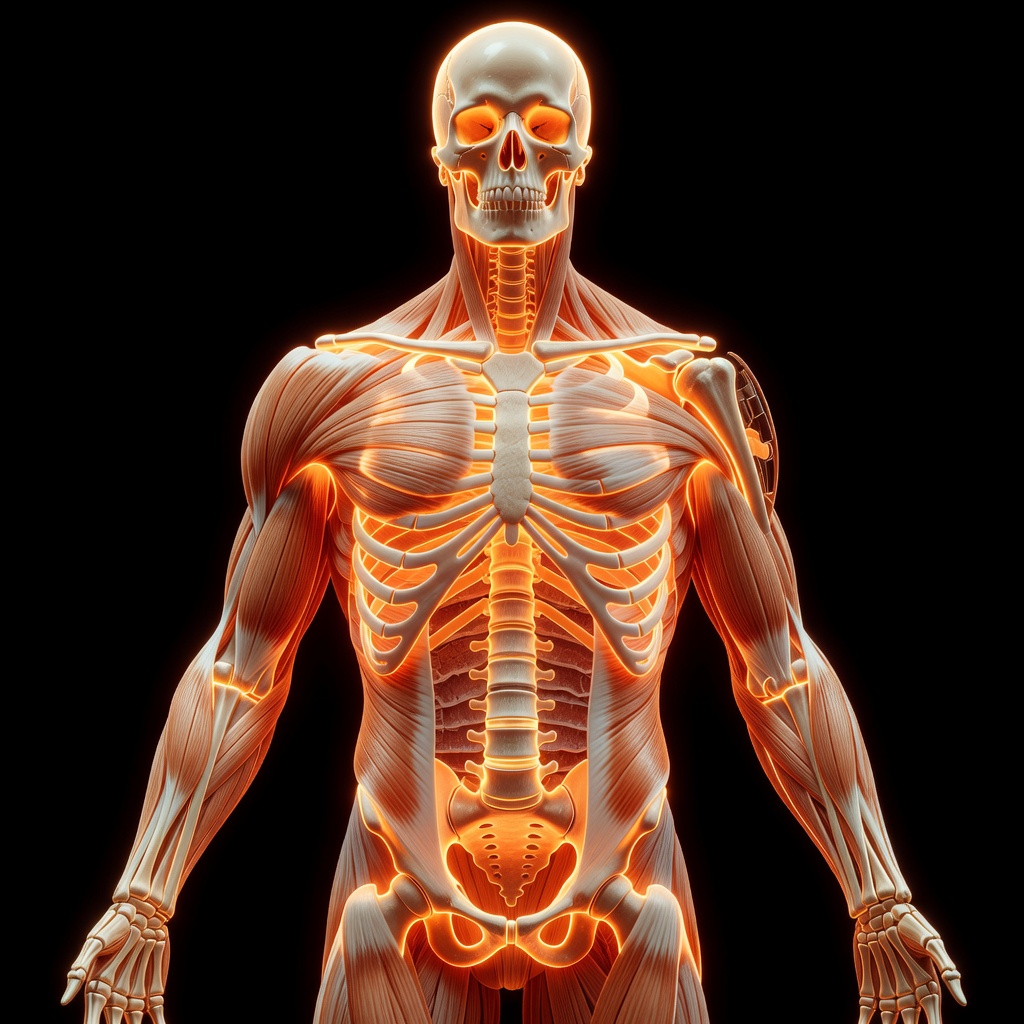
The biological landscape of oxidative stress has long been misunderstood by conventional nutritional science. For decades, the public has been told that 'more is better' when it comes to antioxidants like Vitamin C, Vitamin E, and beta-carotene. However, large-scale clinical trials have consistently failed to show that these exogenous antioxidants significantly reduce the risk of chronic disease, and in some cases, they have even increased mortality. The reason for this is the 'Antioxidant Paradox.' The human body relies on reactive oxygen species (ROS) such as nitric oxide, superoxide, and hydrogen peroxide to act as vital signaling molecules for vasodilation, immune response, and cellular adaptation. Conventional antioxidants are indiscriminate; they neutralize these beneficial signals alongside the harmful ones, potentially blunting the body's natural adaptive responses to exercise and environmental stressors.
Molecular hydrogen (H2) represents a paradigm shift in biological medicine because it is a 'selective' redox modulator. Its therapeutic potential was first brought to global attention by a 2007 study published in Nature Medicine, which demonstrated that H2 selectively neutralizes the hydroxyl radical (•OH) and peroxynitrite (ONOO−)—the two most cytotoxic and destructive radicals in human physiology—while having no significant effect on the beneficial ROS that govern cellular signaling. The hydroxyl radical is a primary driver of lipid peroxidation, protein denaturation, and double-stranded DNA breaks. Because it is highly reactive and has no known enzymatic scavenger in the body (unlike superoxide which is handled by SOD), its accumulation is a hallmark of degenerative aging. H2's ability to specifically target this radical without disrupting the delicate balance of necessary oxidants makes it a unique therapeutic tool.
Furthermore, H2 possesses a physical advantage that conventional antioxidants cannot match: its size. As the smallest molecule in existence (2 Da), H2 diffuses rapidly through cell membranes and bypasses the blood-brain barrier. While larger molecules like Vitamin C require active transport mechanisms and struggle to enter the mitochondria or the nucleus, H2 permeates these areas effortlessly. This is critical because the mitochondria are the primary site of ROS production during the electron transport chain process. By delivering antioxidant protection directly to the source of the fire, H2 prevents the initiation of oxidative cascades before they can damage the mitochondrial genome.
From a clinical perspective, the lack of emphasis on H2 in NHS guidelines is a significant oversight. Research from Japan and China has already demonstrated H2’s efficacy in mitigating reperfusion injury following myocardial infarction and stroke, where the sudden influx of oxygen leads to a massive 'burst' of hydroxyl radicals. Beyond acute care, H2's role in chronic disease is mediated through its influence on signal transduction. It has been shown to inhibit the NLRP3 inflammasome, a major driver of systemic inflammation in metabolic syndrome and autoimmune conditions. In practical terms, the health-educated adult must look toward H2 inhalation or high-concentration hydrogen-rich water as a superior alternative to high-dose synthetic antioxidants.
Environmental factors such as EMF exposure, glyphosate in the food chain, and urban air pollution all contribute to a state of chronic hydroxyl radical production. Conventional medicine treats the symptoms of the resulting inflammation with corticosteroids or NSAIDs, both of which have significant side-effect profiles. Molecular hydrogen, conversely, addresses the root electronic imbalance at the atomic level with zero known toxicity, as it is a natural byproduct of intestinal fermentation. To implement H2 therapy effectively, one must prioritize concentration and bioavailability. Inhalation provides the highest systemic dose for neurological and respiratory issues, while hydrogen-enriched water (HRW) is highly effective for metabolic and gastrointestinal support due to its activation of the ghrelin signaling pathway.
As we move toward a more biological understanding of health, H2 stands out as the fundamental tool for preserving redox homeostasis in an increasingly toxic environment.
This article is provided for informational and educational purposes only. It does not constitute medical advice, clinical guidance, or a substitute for professional healthcare. Information reflects cited research at time of publication. Always consult a qualified healthcare professional before acting on any health information.
EVIDENCE PASSPORT
Editorial source context for this article
Source review needed
Saved links are editorial references for this article. They may support specific claims rather than every sentence. Open and assess each source in context. This passport does not independently verify them.
Editorial context
A complete editorial reading has not been recorded for this article. Source links remain available for you to open and assess directly.
Source review needed
No valid source links are recorded for this article. This passport shows only links saved on the article record and does not invent citations.
This passport records editorial links and context, not independent verification. Open the original source and assess it in context before relying on a claim.
Medical Disclaimer
The information in this article is for educational purposes only and does not constitute medical advice, diagnosis, or treatment. Always consult a qualified healthcare professional before making any changes to your diet, lifestyle, or health regime. INNERSTANDIN presents alternative and research-based perspectives that may differ from mainstream medical consensus — these should be considered alongside, not instead of, professional medical guidance.
Read Full DisclaimerContinue the thread
Keep this question moving.
Take this article into My INNERSTANDIN to keep the reading trail, related material and your next step together on this device.