Heme Recycling and the Splenic Macrophage: The Biological Guard Against Ferroptosis
The spleen is the body's primary recycler of iron, processing over 5 million red blood cells every second. This article examines the intracellular mechanism of heme oxygenase-1 and the export of iron via ferroportin, illustrating how splenic dysfunction contributes to iron-induced oxidative stress. We dive into the link between splenic macrophage health and the prevention of ferroptosis in vital organs.
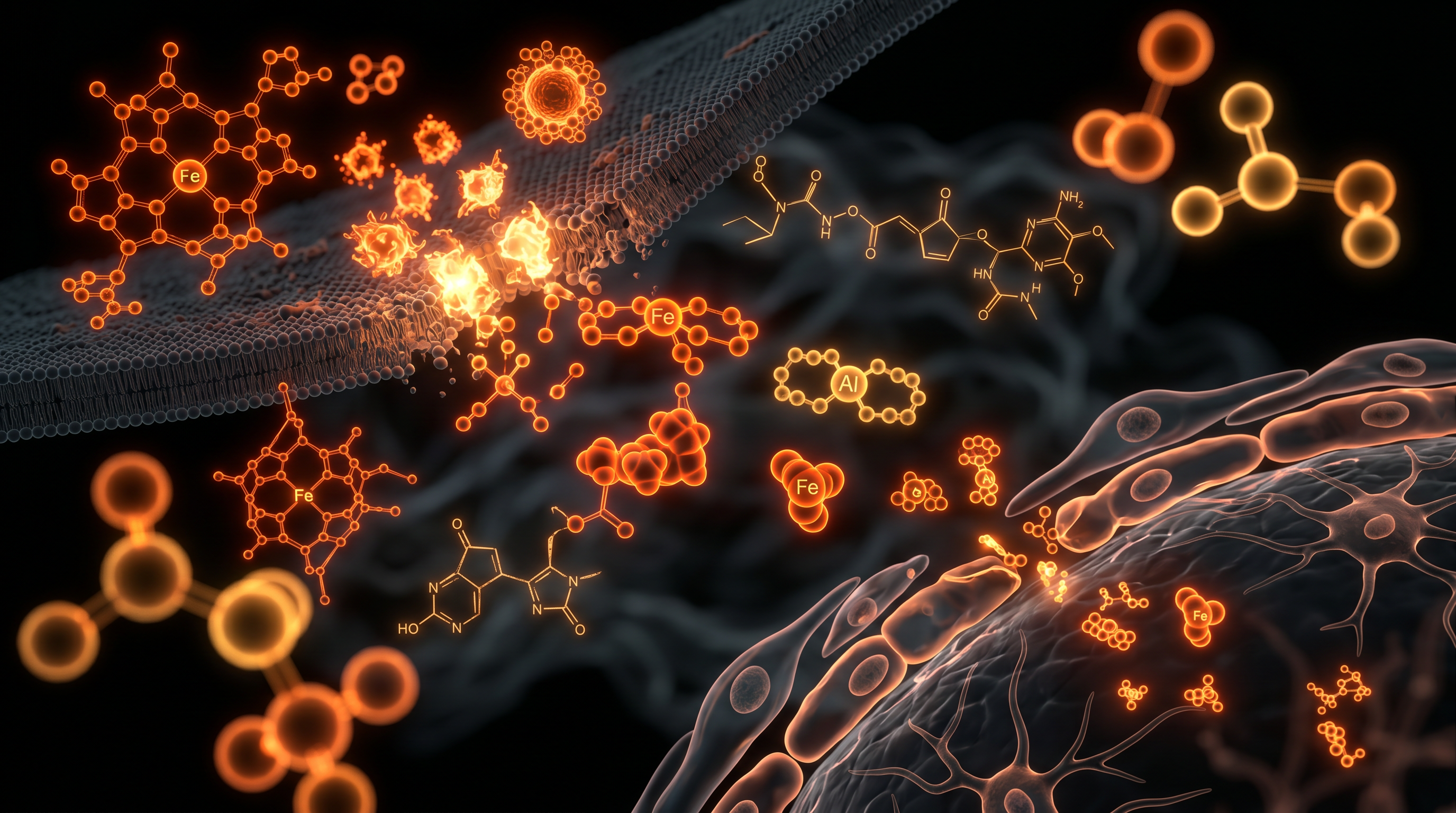
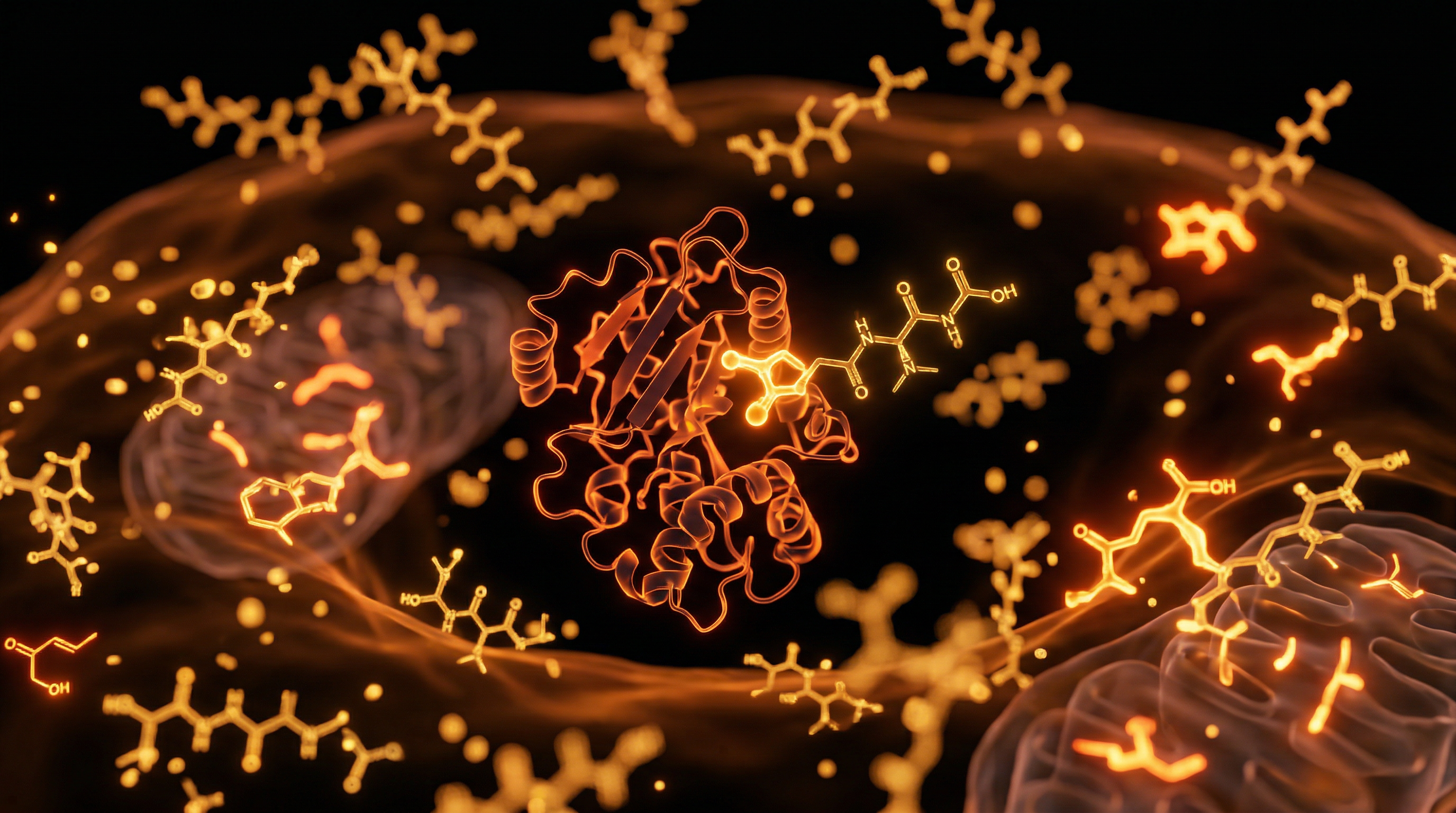
Iron is a double-edged sword: essential for life but highly toxic in its free ionic form. The spleen serves as the primary regulator of this balance through a process known as heme recycling. Within the splenic red pulp, specialized macrophages phagocytose senescent red blood cells and break down their haemoglobin. This releases heme, which is then processed by the enzyme heme oxygenase-1 (HO-1) into biliverdin, carbon monoxide, and iron. This iron is either stored within the macrophage as ferritin or exported back into the blood via the protein ferroportin, where it is picked up by transferrin for transport to the bone marrow.
Conventional medicine often looks at serum ferritin as a measure of total iron, but this fails to account for the efficiency of the splenic recycling loop. If the splenic macrophages become overloaded—a condition often seen in chronic haemolysis or metabolic syndrome—iron can accumulate, leading to the production of reactive oxygen species via the Fenton reaction. This can trigger ferroptosis, a form of programmed cell death characterized by lipid peroxidation. Furthermore, the hormone hepcidin, produced by the liver, acts as the 'master regulator' by causing the degradation of ferroportin. When systemic inflammation is high (High-Sensitivity C-Reactive Protein > 1mg/L), hepcidin levels rise, 'locking' iron inside the splenic macrophages.
This creates a functional iron deficiency where the body has plenty of iron, but it is trapped in the spleen and unavailable for erythropoiesis. Understanding this liver-spleen axis is crucial for treating 'anaemia of chronic disease' which is frequently mismanaged with iron supplementation, potentially exacerbating oxidative stress. Optimising splenic iron handling requires a multi-faceted approach: reducing systemic inflammation to lower hepcidin, supporting macrophage autophagy, and ensuring adequate copper levels, as the copper-dependent enzyme ceruloplasmin is necessary for iron loading onto transferrin.
This article is provided for informational and educational purposes only. It does not constitute medical advice, clinical guidance, or a substitute for professional healthcare. Information reflects cited research at time of publication. Always consult a qualified healthcare professional before acting on any health information.
RESEARCH FOUNDATIONS
Biological Credibility Archive
Ferroptosis is identified as a unique form of iron-dependent regulated cell death characterized by the accumulation of lipid peroxides and distinct from apoptosis or necrosis.
The transcription factor Spi-C is essential for the development of splenic red pulp macrophages which are specialized in recycling iron from senescent erythrocytes.
Hepcidin controls systemic iron homeostasis by binding to ferroportin on splenic macrophages, thereby regulating the export of iron recovered from heme recycling.
Heme oxygenase-1 deficiency in macrophages leads to heme-induced oxidative stress and tissue injury, highlighting the enzyme's role in preventing iron-mediated toxicity.
The regulation of glutathione peroxidase 4 and iron metabolism pathways is critical for preventing the lipid peroxidation that drives ferroptotic cell death in myeloid lineages.
Citations provided for educational reference. Verify via PubMed or institutional databases.
Medical Disclaimer
The information in this article is for educational purposes only and does not constitute medical advice, diagnosis, or treatment. Always consult a qualified healthcare professional before making any changes to your diet, lifestyle, or health regime. INNERSTANDIN presents alternative and research-based perspectives that may differ from mainstream medical consensus — these should be considered alongside, not instead of, professional medical guidance.
Read Full DisclaimerReady to learn more?
Continue your journey through our classified biological research.
DISCUSSION ROOM
Members of THE COLLECTIVE discussing "Heme Recycling and the Splenic Macrophage: The Biological Guard Against Ferroptosis"
SILENT CHANNEL
Be the first to discuss this article. Your insight could help others understand these biological concepts deeper.
THE ARSENAL
Based on Spleen Health — products curated by our research team for educational relevance and biological support.
Magnesium Blend – The Most Important Mineral
Magnesium L-Threonate
Energy Blend Supports
INNERSTANDING may earn a commission on purchases made through these links. All products are selected based on rigorous educational relevance to our biological research.
RABBIT HOLE
Follow the biological thread deeper