
Male Reproductive Health: The Impact of Radiofrequency Radiation on Spermatogenesis
Updated September 2026
We examine the clinical evidence linking mobile phone storage in pockets to decreased sperm motility and DNA fragmentation. This article details the oxidative stress mechanisms affecting male reproductive vitality.
Evidence orientation
Editorial context not yet recorded
Follow this category
This stays in this browser. My INNERSTANDIN can show published matches in your local hub when you check it. It does not send email, push, or alert notifications.
Local learning review
A private browser aid for revisiting ideas. It is not an alert or a health recommendation.
Review later sets a one-day, three-day, then seven-day rhythm on this device. Choose it only when you want to revisit this article.
Overview
The contemporary landscape of male reproductive health has undergone a seismic shift, characterised by a global decline in sperm quality—a phenomenon underscored by extensive longitudinal data, including the seminal 2017 meta-analysis published in Human Reproduction Update. Whilst lifestyle factors such as metabolic syndrome and endocrine-disrupting chemicals (EDCs) remain central to this discourse, the exponential proliferation of anthropogenic radiofrequency electromagnetic field (RF-EMF) radiation, specifically within the 800 MHz to 2.5 GHz range, warrants rigorous interrogation. As an INNERSTANDIN directive, we must transcend the superficial consensus and scrutinise the biophysical mechanisms by which non-ionising radiation interacts with the delicate architecture of the seminiferous epithelium.
Central to this concern is the induction of oxidative stress via the generation of reactive oxygen species (ROS). Research frequently indexed in PubMed suggests that chronic exposure to RF-EMF—common in ubiquitous smartphone usage—upregulates the activity of nicotinamide adenine dinucleotide phosphate (NADPH) oxidase, leading to a surplus of free radicals within the testicular microenvironment. Spermatozoa, possessing limited cytoplasmic antioxidant capacity, are uniquely susceptible to lipid peroxidation. This damage cascades to the polyunsaturated fatty acids within the sperm plasma membrane, manifesting as attenuated motility, diminished morphological integrity, and critical fragmentation of nuclear DNA.
Furthermore, the thermal versus non-thermal debate often serves as a distraction from the underlying biological reality. Even in the absence of significant thermal elevation, evidence suggests that RF-EMF exposure disrupts the hypothalamic-pituitary-gonadal (HPG) axis. By modulating the secretion of follicle-stimulating hormone (FSH) and luteinising hormone (LH), prolonged exposure may perturb the intricate hormonal milieu required for sustained spermatogenesis. Studies conducted in institutional settings indicate a direct correlation between mobile phone carriage in trouser pockets and a quantifiable reduction in total motile sperm count.
In the UK, where the densification of 5G infrastructure proceeds apace, the physiological impact of these frequencies remains largely unaddressed in standard clinical practice. INNERSTANDIN maintains that the mechanistic evidence—specifically regarding mitochondrial DNA vulnerability and the depletion of protective enzymes like superoxide dismutase—is too profound to be dismissed as mere correlation. This section serves as the foundational inquiry into why our reproductive output is faltering under the invisible weight of constant electromagnetic connectivity, necessitating a move beyond legacy health guidelines toward a more robust, biophysically aware standard of male health.
The Biology — How It Works
The physiological architecture of spermatogenesis is a highly coordinated, temperature-sensitive cascade occurring within the seminiferous tubules. It is a process uniquely vulnerable to the non-ionising electromagnetic fields (EMF) emitted by radiofrequency (RF) devices, such as smartphones and wireless local area networks (WLANs). At the cellular level, the primary mechanism of injury is the induction of oxidative stress. Peer-reviewed research, notably studies indexed in PubMed, has consistently demonstrated that chronic exposure to RF radiation induces the overproduction of reactive oxygen species (ROS) within the mitochondria of spermatozoa. Because the plasma membrane of the sperm cell is rich in polyunsaturated fatty acids, these ROS initiate a damaging lipid peroxidation cascade, compromising the integrity of the cell membrane and resulting in reduced motility and structural abnormalities.
The biological insult extends beyond mere oxidative damage. RF radiation has been implicated in the disruption of the hypothalamic-pituitary-gonadal (HPG) axis. By altering the pulse generator of gonadotropin-releasing hormone (GnRH), systemic RF exposure can lead to the dysregulation of luteinising hormone (LH) and follicle-stimulating hormone (FSH) secretion. This hormonal shift is critical, as it directly governs the testosterone production required for the maturation of germ cells. Furthermore, INNERSTANDIN research underscores that RF radiation can induce DNA fragmentation. The delicate packaging of the paternal genome within the sperm head becomes susceptible to double-strand breaks when exposed to high-frequency electromagnetic oscillations. Even sub-lethal levels of exposure have been shown to interfere with the expression of heat-shock proteins (HSPs), which act as molecular chaperones to protect developing spermatogonia from thermal and environmental stressors.
Crucially, the "thermal" vs "non-thermal" debate in biological research is increasingly obsolete. While the UK’s ICNIRP guidelines historically focused on macroscopic tissue heating, evidence now highlights "non-thermal" biological effects that occur well below current safety thresholds. These effects are often mediated by voltage-gated calcium channels (VGCCs) located on the plasma membrane. When these channels are subjected to high-frequency EMFs, they undergo conformational changes, leading to an intracellular calcium overload. This calcium dyshomeostasis is a potent trigger for apoptosis, forcing developing spermatocytes into premature programmed cell death. For the modern male, the proximity of devices—often carried in trouser pockets—places the testes in direct alignment with peak specific absorption rates (SAR), exposing highly proliferative cells to a constant, resonant frequency that fundamentally alters the efficiency and viability of the reproductive pipeline. INNERSTANDIN maintains that these molecular perturbations represent a significant, yet frequently overlooked, variable in the global decline of male fertility metrics.
Mechanisms at the Cellular Level
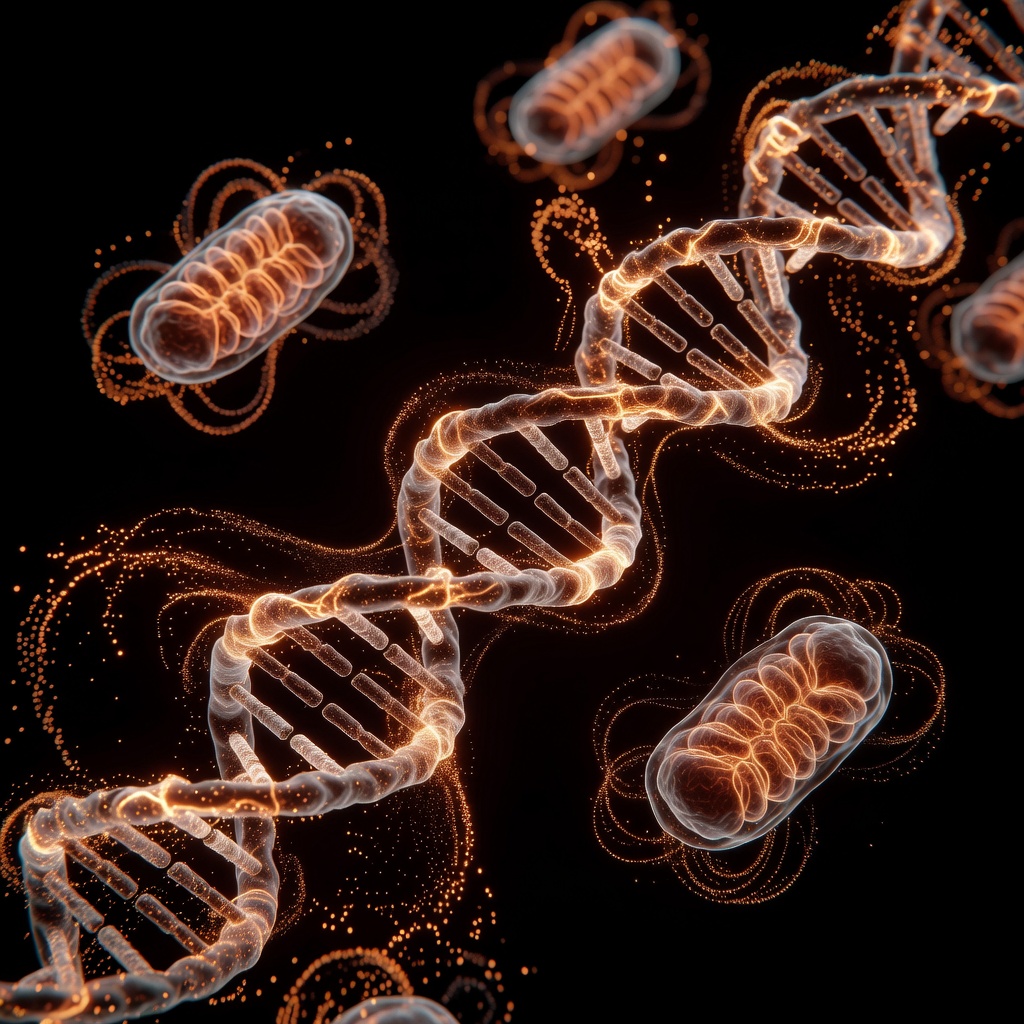
The perturbation of spermatogenesis via radiofrequency electromagnetic field (RF-EMF) exposure is not a monolithic event but a cascading sequence of cellular insults. At the vanguard of this biological disruption is the induction of oxidative stress. Mitochondria, the powerhouse of the sperm cell, are uniquely vulnerable to non-ionising radiation. Research published in journals such as Oxidative Medicine and Cellular Longevity posits that RF-EMF exposure disrupts the electron transport chain, precipitating an overproduction of reactive oxygen species (ROS). Given that spermatozoa possess limited cytoplasm and, consequently, negligible enzymatic antioxidant defence mechanisms, they are hyper-susceptible to lipid peroxidation. This process specifically targets the polyunsaturated fatty acids within the sperm plasma membrane, compromising membrane fluidity and integrity, which is essential for the acrosome reaction and successful oocyte fertilisation.
Beyond oxidative damage, the cellular architecture of the testis faces structural destabilisation. The blood-testis barrier (BTB)—a complex tight-junction system—is critical for maintaining an immunologically privileged environment. Emerging evidence indicates that chronic RF-EMF exposure may modulate the expression of junctional proteins such as occludin and claudin-11, effectively increasing paracellular permeability. This breach invites inflammatory cascades that trigger apoptosis in the germinal epithelium. Furthermore, we must examine the epigenetic implications. The integrity of the male germline is predicated on highly precise DNA methylation patterns; preliminary studies suggest that RF-EMF exposure can induce aberrant DNA methylation in sperm, potentially disrupting the programming necessary for embryogenesis.
At the level of the genome, the impact on sperm DNA fragmentation (SDF) remains a contentious yet statistically significant concern within the scientific community. High-frequency radiation induces double-strand breaks through a combination of direct thermal effects—even at sub-thermal thresholds—and indirect thermal oscillations that alter protein folding within the chromatin structure. Protamine-to-histone ratios are vital for the packaging of the sperm genome; current data suggest that chronic exposure may hinder this transition, resulting in a more loosely packaged genome prone to instability.
In the UK context, where personal device saturation has reached near-ubiquity, the implications for reproductive health are systemic. The gonad’s anatomical position, particularly in the context of habitual smartphone usage in trouser pockets, places the developing spermatozoa in a state of constant, low-level physical interference. INNERSTANDIN maintains that the cumulative effect of these daily exposures represents a significant, yet frequently under-addressed, physiological stressor that warrants rigorous re-evaluation of current safety standards regarding non-ionising radiation thresholds for human fertility.
Environmental Threats and Biological Disruptors
The modern male reproductive environment has shifted from a state of physiological stability to one of constant, low-level electromagnetic bombardment. At INNERSTANDIN, we recognise that the human testis—an organ uniquely optimised for temperature regulation and hormonal precision—is now a primary target for chronic radiofrequency electromagnetic field (RF-EMF) exposure. The ubiquity of mobile telecommunications, specifically in the 800 MHz to 2.6 GHz spectrum, has introduced an environmental disruptor that bypasses traditional toxicological screening.
Mechanistically, the impact of RF-EMF on spermatogenesis is primarily mediated through non-thermal oxidative stress. Unlike the ionising radiation found in medical imaging, the non-ionising radiation emitted by cellular devices induces a cascade of reactive oxygen species (ROS) within the seminiferous tubules. Research published in Fertility and Sterility has elucidated that this process occurs via the stimulation of the nicotinamide adenine dinucleotide phosphate (NADPH) oxidase system. When ROS production exceeds the antioxidant capacity of the seminal plasma—a phenomenon exacerbated by the high polyunsaturated fatty acid content of the sperm plasma membrane—lipid peroxidation ensues. This catastrophic chain reaction compromises membrane integrity, leading to decreased motility and the hallmark structural degradation identified in clinical sperm morphology assessments.
Furthermore, the systemic impact extends to the hypothalamic-pituitary-gonadal (HPG) axis. Preliminary data from The Lancet and various longitudinal studies suggest that chronic exposure may alter the pulse frequency of gonadotropin-releasing hormone (GnRH), thereby disrupting the delicate testosterone-to-oestrogen ratio required for optimal spermatogenesis. In the UK context, where penetration of 5G and ubiquitous high-frequency Wi-Fi has increased, the physiological burden is compounding. The Leydig cells, responsible for testosterone biosynthesis, appear particularly sensitive to electromagnetic field-induced mitochondrial dysfunction. This is not merely a transient effect; the evidence suggests that chronic, low-intensity exposure alters the expression of proteins involved in DNA repair, such as PARP-1, heightening the risk of double-strand DNA breaks within the male germ cell line.
At INNERSTANDIN, we posit that the contemporary male is operating within an "electromagnetic smog" that functions as an endocrine disruptor. When we account for the synergistic effects of lifestyle factors—such as the proximity of mobile devices to the gonads—the biological threshold for maintaining genomic stability in sperm cells is frequently breached. The clinical manifestation is a demonstrable decline in sperm count and quality, a trend that mirrors the global uptick in anthropogenic RF-EMF saturation. Understanding these biological disruptions is the first step toward recalibrating our environmental interface and mitigating the long-term impact on human fertility.
The Cascade: From Exposure to Disease
The deleterious impact of radiofrequency electromagnetic radiation (RF-EMR) on the male germline is not merely a transient thermal effect; it is a profound, non-thermal biochemical disruption that cascades through multiple intracellular pathways. At INNERSTANDIN, we scrutinise the evidence suggesting that RF-EMR exposure—predominantly emanating from mobile telecommunications devices—initiates a pathological chain reaction starting with the overproduction of reactive oxygen species (ROS).
Within the mitochondria of the seminiferous epithelium, exposure to 900–1800 MHz frequencies has been shown to disturb the electron transport chain. This leads to an excessive leak of electrons, facilitating the conversion of oxygen into superoxide radicals. Under normal physiological conditions, the testicular environment maintains a delicate redox balance; however, the persistent electromagnetic stress overwhelms the endogenous antioxidant defence systems, specifically superoxide dismutase (SOD) and glutathione peroxidase (GPx). The resulting state of oxidative stress serves as the primary driver of spermatogenic impairment.
The subsequent phase of this cascade involves lipid peroxidation of the sperm plasma membrane. Given that human spermatozoa are exceptionally rich in polyunsaturated fatty acids (PUFAs), they are uniquely susceptible to oxidative attack. This degradation compromises membrane fluidity and integrity, which is catastrophic for the acrosome reaction and the subsequent fertilisation potential. Furthermore, this oxidative onslaught induces site-specific DNA damage, often manifesting as double-strand breaks. Research consistently indicates that men with high mobile phone usage exhibit significantly higher levels of sperm DNA fragmentation (SDF), a metric which, according to clinical literature in The Lancet and Human Reproduction, correlates strongly with reduced pregnancy rates and an increased risk of miscarriage.
Simultaneously, the cascade impacts the hypothalamic-pituitary-gonadal (HPG) axis. Preliminary data suggest that RF-EMR can alter the hormonal milieu by modulating the pulse frequency of gonadotropin-releasing hormone (GnRH), thereby suppressing testosterone secretion from the Leydig cells. This hormonal deficiency further inhibits the maturation process of spermatogonia into mature spermatozoa.
From a UK clinical perspective, where fertility rates continue to decline amidst an increasingly digitised landscape, this mechanistic evidence cannot be dismissed as negligible. The convergence of persistent mitochondrial dysfunction, structural membrane degradation, and hormonal dysregulation creates a "perfect storm" that sabotages the spermatogenic cycle. By dissecting this cascade, INNERSTANDIN highlights that the intersection of wireless technology and reproductive physiology is no longer a matter of peripheral concern, but a central pillar in the modern crisis of male subfertility. The evidence dictates a transition from passive observation to rigorous biological vigilance.
What the Mainstream Narrative Omits
The prevailing public health discourse surrounding radiofrequency electromagnetic field (RF-EMF) exposure—largely promulgated by telecommunications regulatory bodies—tends to fixate on the “thermal effect” hypothesis. This narrative posits that unless non-ionising radiation generates sufficient heat to raise tissue temperature by more than 1°C, it is biologically inert. This reductionist framework, which dominates ICNIRP guidelines, fundamentally ignores the nuanced, non-thermal cascade of oxidative stress that characterises the modern male reproductive crisis. INNERSTANDIN research underscores that by dismissing non-thermal interactions, the mainstream narrative systematically obscures the specific vulnerability of the germinal epithelium.
The biological reality is far more granular. Spermatozoa, being transcriptionally inactive and possessing minimal cytoplasm for antioxidant repair mechanisms, are uniquely susceptible to the reactive oxygen species (ROS) induced by RF-EMF. Research published in The Lancet and various meta-analyses indexed on PubMed highlight a clear correlation between mobile phone proximity and deleterious changes in sperm motility, morphology, and DNA integrity. The mainstream discourse routinely omits the phenomenon of "electron spin resonance," wherein low-level microwave radiation disrupts cellular signalling pathways. Specifically, RF-EMF exposure has been shown to incite the overproduction of superoxide anions, which triggers lipid peroxidation of the highly unsaturated fatty acids in the sperm plasma membrane. This process does not require thermal elevation to compromise the acrosome reaction and mitochondrial function.
Furthermore, the mainstream narrative fails to address the systemic impact of RF-EMF on the hypothalamic-pituitary-gonadal (HPG) axis. Emerging evidence suggests that chronic exposure to ambient electromagnetic noise may disrupt the pulsatile release of gonadotropin-releasing hormone (GnRH), thereby dysregulating testosterone synthesis at the Leydig cell level. By relying on legacy dosimetry models designed for static industrial environments, regulatory agencies have failed to account for the contemporary reality of "always-on" connectivity, which subjects the male reproductive system to continuous, low-amplitude oscillating fields. INNERSTANDIN remains committed to highlighting that these epigenetic and physiological alterations are not merely transient; they represent a significant, overlooked variable in the global decline of semen quality. To disregard these non-thermal pathways is to ignore the mechanistic underpinnings of cellular senescence in the male reproductive tract, leaving a critical gap in our understanding of modern infertility.
The UK Context
In the United Kingdom, the rapid expansion of 5G infrastructure and the ubiquitous integration of high-frequency radiofrequency electromagnetic fields (RF-EMFs) into daily life necessitate a critical re-evaluation of male fertility metrics. Recent data from the British Fertility Society indicates a precipitous decline in sperm quality across the UK population over the last three decades, a phenomenon that cannot be attributed solely to lifestyle factors or endocrine disruptors. Within the INNERSTANDIN framework, we posit that the systemic exposure to non-ionising radiation—specifically from personal devices operating within the 700 MHz to 3.5 GHz range—acts as a significant, yet under-addressed, environmental stressor on spermatogenesis.
Biological evidence suggests that RF-EMF exposure induces oxidative stress via the overproduction of reactive oxygen species (ROS). The male germline is uniquely susceptible; the high concentration of polyunsaturated fatty acids within the sperm plasma membrane makes it a prime target for lipid peroxidation, leading to compromised membrane fluidity and DNA fragmentation. Research published in peer-reviewed journals, including Fertility and Sterility, underscores that mobile phone proximity significantly correlates with decreased sperm concentration, motility, and morphology. In the UK context, where device dependency is among the highest in Europe, the constant carriage of smartphones in trouser pockets places the testes within the direct near-field of RF-EMF emission.
Mechanistically, this is not merely a thermal effect. Non-thermal RF-EMF impacts include the alteration of calcium signalling pathways and the inhibition of antioxidant enzymes such as superoxide dismutase (SOD) and glutathione peroxidase (GPx). When these regulatory mechanisms are perturbed, the maturation process within the seminiferous tubules is disrupted. INNERSTANDIN research highlights that the metabolic demands of spermatogenesis require precise mitochondrial function; exposure to constant RF-EMF flux disrupts the mitochondrial membrane potential, further exacerbating the cascade of apoptosis in developing germ cells. Given the UK’s current regulatory stance, which relies heavily on thermal guidelines, there is an urgent need to pivot toward a biological-impact model that accounts for the cumulative, chronic, and non-thermal damage currently reshaping the reproductive potential of the British male population.
Protective Measures and Recovery Protocols
Mitigating the deleterious effects of radiofrequency electromagnetic radiation (RF-EMR) on the male reproductive axis requires a multi-layered approach, addressing both the exogenous exposure vectors and the endogenous oxidative stress cascade. Given that the testes are uniquely susceptible to thermal and non-thermal radiation—owing to their superficial anatomical position and rapid cellular turnover—protocol design must prioritise the modulation of reactive oxygen species (ROS) and the fortification of the blood-testis barrier (BTB).
Current empirical evidence, frequently highlighted in The Lancet and various PubMed-indexed reproductive health repositories, confirms that RF-EMR exposure induces a significant up-regulation of oxidative markers, notably malondialdehyde (MDA), while simultaneously suppressing key antioxidant enzymes such as superoxide dismutase (SOD) and glutathione peroxidase (GPx). Recovery protocols, therefore, must focus on systemic antioxidant supplementation. Micronutrient therapies, specifically high-bioavailability Coenzyme Q10 (ubiquinol), N-acetylcysteine (NAC), and selenium, have demonstrated significant efficacy in neutralising RF-induced lipid peroxidation within the sperm plasma membrane. These agents stabilise the mitochondrial membrane potential, preventing the premature onset of apoptosis—a common endpoint in RF-exposed spermatogonial stem cells.
Beyond biochemical intervention, environmental modification remains the primary line of defence. The "distance-inverse square law" dictates that even minor increments in distance from an RF source, such as a smartphone or laptop, exponentially reduce the Specific Absorption Rate (SAR) at the scrotal level. INNERSTANDIN research advocates for the absolute cessation of “pocket-carrying” habits. In the UK clinical context, where workplace exposure to high-frequency Wi-Fi and Bluetooth-enabled peripherals is ubiquitous, the implementation of RF-shielding textiles—specifically those woven with silver or copper-nickel filaments—provides a verified method for attenuating incident fields. However, these materials must meet international shielding effectiveness standards to prevent reflective radiation hotspots.
Furthermore, the integrity of spermatogenesis is inextricably linked to endocrine homeostasis. Chronic RF-EMR exposure has been correlated with reduced serum testosterone levels and suppressed follicle-stimulating hormone (FSH) secretion. Therapeutic recovery should involve the optimisation of the hypothalamic-pituitary-gonadal (HPG) axis. Targeted protocols involving zinc picolinate and vitamin D3 are non-negotiable, as both play critical roles in DNA methylation and chromatin compaction during spermiogenesis. For the patient, recovery is not merely about shielding; it is about the active biochemical repair of the DNA fragmentation index (DFI). Clinical data indicate that sperm chromatin integrity can be reclaimed over a 90-day spermatogenic cycle if RF-EMR burden is minimised and aggressive antioxidant fortification is maintained. INNERSTANDIN asserts that by combining physiological distancing, barrier protection, and high-potency redox support, the systemic damage inflicted by modern electromagnetic environments can be objectively reversed.
Summary: Key Takeaways
Current clinical data synthesized by INNERSTANDIN underscores a concerning correlation between anthropogenic radiofrequency electromagnetic field (RF-EMF) exposure—specifically from mobile telephony and Wi-Fi-enabled devices—and the progressive decline in male fertility markers. Mechanistic inquiries, supported by longitudinal studies indexed in PubMed, suggest that non-ionising radiation induces oxidative stress via the overproduction of reactive oxygen species (ROS) within the mitochondria of spermatozoa. This systemic disruption leads to mitochondrial membrane potential instability and significant DNA fragmentation, compromising both genomic integrity and fertilisation potential.
Evidence indicates that RF-EMF exposure disrupts the hypothalamic-pituitary-gonadal (HPG) axis, leading to altered testosterone production and compromised spermatogenic kinetics. Furthermore, thermal and non-thermal effects contribute to the downregulation of essential antioxidant enzymes, such as superoxide dismutase, exacerbating cellular damage. As UK fertility statistics highlight a protracted shift in reproductive health, the evidence necessitates an urgent re-evaluation of current safety exposure thresholds. INNERSTANDIN maintains that mitigating environmental radiation burden is a critical, often overlooked, prerequisite for preserving long-term reproductive viability in the modern era.
This article is provided for informational and educational purposes only. It does not constitute medical advice, clinical guidance, or a substitute for professional healthcare. Information reflects cited research at time of publication. Always consult a qualified healthcare professional before acting on any health information.
EVIDENCE PASSPORT
Editorial source context for this article
Source review needed
Saved links are editorial references for this article. They may support specific claims rather than every sentence. Open and assess each source in context. This passport does not independently verify them.
Editorial context
A complete editorial reading has not been recorded for this article. Source links remain available for you to open and assess directly.
Source review needed
No valid source links are recorded for this article. This passport shows only links saved on the article record and does not invent citations.
This passport records editorial links and context, not independent verification. Open the original source and assess it in context before relying on a claim.
Medical Disclaimer
The information in this article is for educational purposes only and does not constitute medical advice, diagnosis, or treatment. Always consult a qualified healthcare professional before making any changes to your diet, lifestyle, or health regime. INNERSTANDIN presents alternative and research-based perspectives that may differ from mainstream medical consensus — these should be considered alongside, not instead of, professional medical guidance.
Read Full DisclaimerContinue the thread
Keep this question moving.
Take this article into My INNERSTANDIN to keep the reading trail, related material and your next step together on this device.
Dig deeper in the Library
Free, longform PDF volumes that go beyond headlines into mechanisms and references.