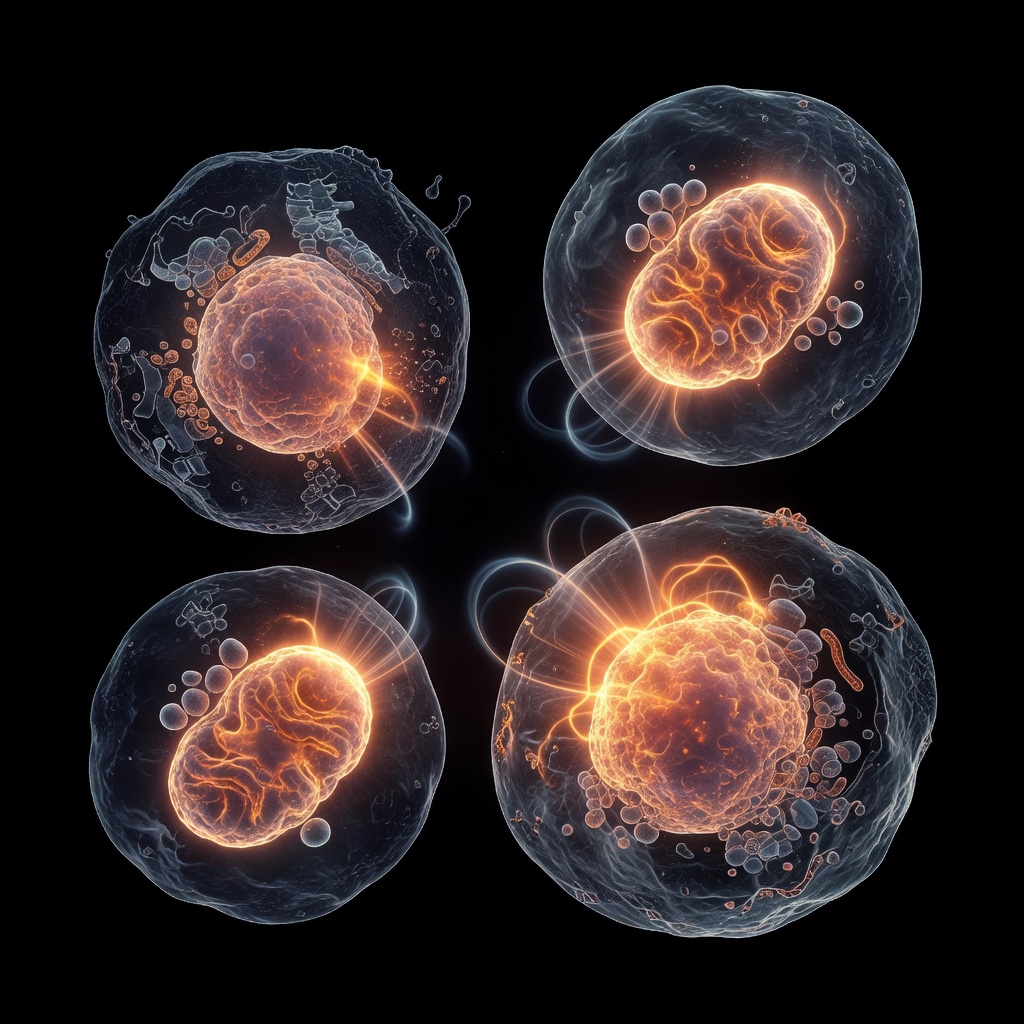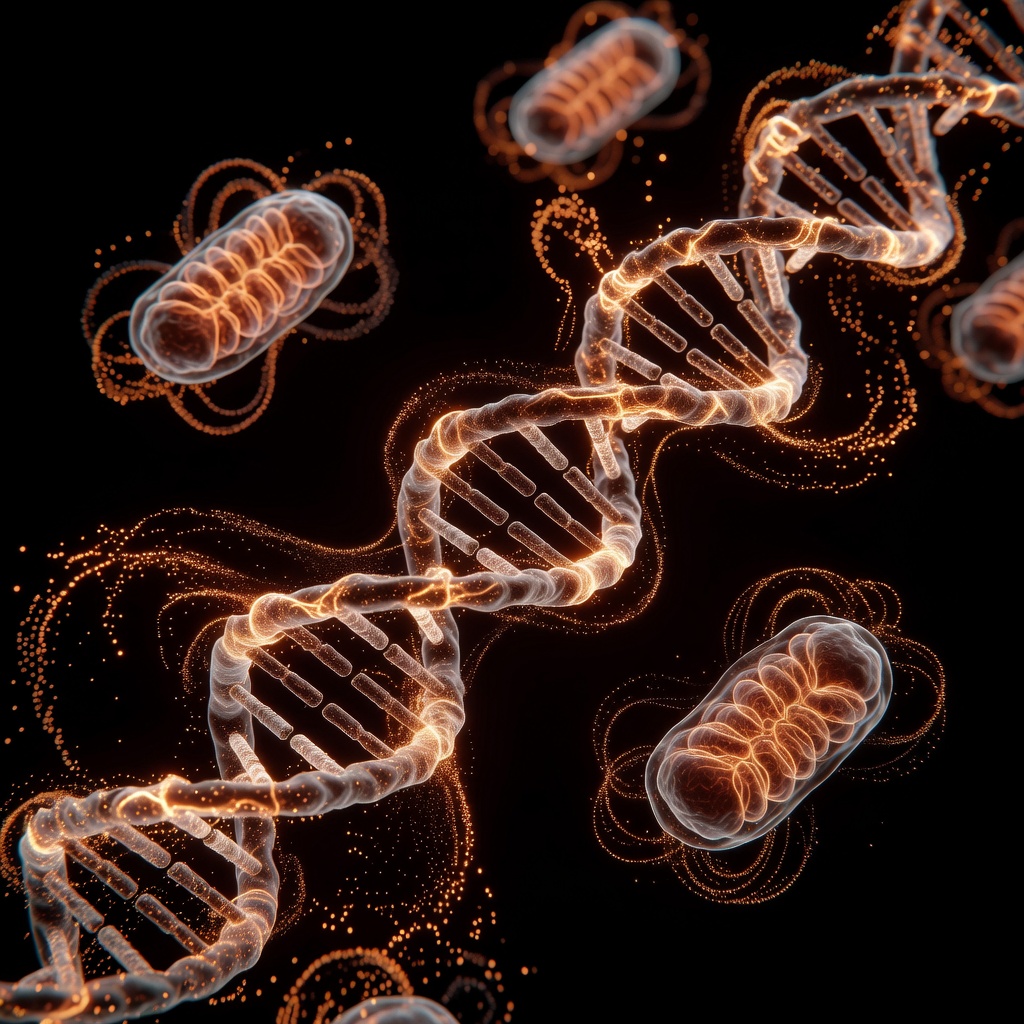
Cytotoxicity in the Mitochondria: Aluminium-Driven Oxidative Stress and ATP Depletion
An in-depth educational analysis of the biochemical pathways through which aluminium disrupts mitochondrial function, induces oxidative damage, and causes cellular energy failure.
# Cytotoxicity in the Mitochondria: Aluminium-Driven Oxidative Stress and ATP Depletion ## Introduction: The Ubiquitous Bioaccumulator Aluminium (Al) is the third most abundant element in the Earth’s crust, yet it possesses no known beneficial biological role in human physiology. In the modern era, human exposure to aluminium has reached unprecedented levels through processed foods, pharmaceuticals, drinking water, and cosmetics. While the body possesses natural detoxification pathways, the chronic influx of this trivalent cation (Al3+) leads to systemic bioaccumulation. At the cellular level, the primary target of aluminium’s toxicity is the mitochondrion. As the 'powerhouse' of the cell, the mitochondrion is responsible for generating adenosine triphosphate (ATP) through oxidative phosphorylation.
When aluminium infiltrates the cellular matrix, it initiates a cascade of cytotoxic events characterized by overwhelming oxidative stress and a profound depletion of cellular energy. This article explores the root-cause mechanisms of mitochondrial aluminium toxicity and its implications for long-term health. ## The Mitochondrial Target: Why the Powerhouse is Vulnerable Mitochondria are particularly susceptible to aluminium toxicity due to their high metabolic activity and the unique composition of their inner membranes. Aluminium has a high affinity for phosphate groups and oxygen atoms, which are abundant in the mitochondrial environment. Once aluminium crosses the cell membrane, often via transferrin-dependent pathways or through calcium channels, it localises within the mitochondria. Here, it disrupts the delicate balance of the Electron Transport Chain (ETC) and interferes with the enzymes critical for energy production.
The mitochondrial membrane potential (MMP), which is essential for the transport of ions and proteins, becomes the first casualty of aluminium accumulation. ## Mechanism 1: Pro-Oxidant Activity and the Fenton Reaction Although aluminium itself is not a transition metal and cannot undergo redox cycling like iron or copper, it acts as a potent pro-oxidant. It facilitates oxidative damage primarily by enhancing the reactivity of iron. Through a process known as the 'superoxide-dependent Fenton reaction,' aluminium promotes the formation of the highly reactive hydroxyl radical (·OH) from hydrogen peroxide. Al3+ binds to the superoxide radical (O2·−), forming an Al-superoxide complex that is more stable and has a higher reducing potential than the superoxide radical alone. This complex reduces ferric iron (Fe3+) to ferrous iron (Fe2+), which then reacts with hydrogen peroxide to generate hydroxyl radicals.
These radicals are the most damaging species in biology, capable of inducing lipid peroxidation within the mitochondrial membrane. This degradation of lipids compromises the structural integrity of the organelle, leading to 'leaky' mitochondria and a further surge in Reactive Oxygen Species (ROS). ## Mechanism 2: Disruption of the Electron Transport Chain (ETC) The ETC is a series of protein complexes (I through IV) that transfer electrons to oxygen, creating a proton gradient used by ATP synthase. Aluminium interferes with this process at several points. Research indicates that aluminium inhibits the activity of Complex I (NADH dehydrogenase) and Complex II (succinate dehydrogenase), which slows the flow of electrons. When the flow of electrons is hindered, they often 'leak' from the chain and react with molecular oxygen to form more superoxide radicals.
This creates a vicious cycle: aluminium induces ROS, and the ROS further damage the ETC complexes, leading to more ROS production. This mitochondrial dysfunction results in a significant reduction in the efficiency of oxidative phosphorylation, meaning the cell must work harder to produce less energy. ## Mechanism 3: ATP Depletion and Magnesium Displacement Perhaps the most direct impact of aluminium on cellular energy is its interference with ATP itself. ATP is biologically active only when complexed with magnesium (Mg-ATP). Magnesium is a vital co-factor for hundreds of enzymatic reactions involving energy transfer. However, the Al3+ ion has an ionic radius similar to Mg2+ but carries a higher charge density and a much higher affinity for phosphate groups (approximately 10^7 times higher than magnesium).
Energy Blend Supports
Energy Blend is a comprehensive formula designed to fuel your body at a cellular level, promoting sustained physical stamina and mental clarity without synthetic spikes. It targets fundamental metabolic pathways to ensure your nervous system and hormonal activity remain balanced and resilient.
Vetting Notes
Pending
When aluminium is present, it displaces magnesium from the ATP molecule, forming Al-ATP. Unlike Mg-ATP, the Al-ATP complex is highly stable and cannot be easily hydrolysed by ATPases to release energy. This effectively 'locks' the energy in the molecule, rendering it unavailable for cellular work. Furthermore, aluminium inhibits key enzymes in the Krebs cycle, such as alpha-ketoglutarate dehydrogenase and isocitrate dehydrogenase, further stifling the supply of NADH and FADH2 to the ETC. The result is a profound state of bioenergetic failure, or 'ATP depletion.' ## The End Game: Mitochondrial Permeability and Apoptosis As ATP levels plummet and oxidative stress rises, the mitochondrion reaches a breaking point.
The loss of the mitochondrial membrane potential triggers the opening of the Mitochondrial Permeability Transition Pore (MPTP). This opening allows the uncontrolled influx of water and solutes, causing the mitochondrion to swell and eventually rupture. This process releases pro-apoptotic factors, most notably Cytochrome C, into the cytoplasm. Once in the cytoplasm, Cytochrome C activates the caspase cascade, a sequence of proteolytic enzymes that dismantle the cell from the inside out. This programmed cell death (apoptosis) is a primary driver of tissue atrophy and organ dysfunction in conditions associated with aluminium toxicity. ## Systemic Consequences and Root-Cause Perspectives The implications of mitochondrial aluminium toxicity are far-reaching.
In the central nervous system, where energy demands are exceptionally high, mitochondrial failure manifests as neurodegenerative diseases such as Alzheimer’s and Parkinson’s. In the metabolic system, it can lead to chronic fatigue syndrome and insulin resistance, as cells lose the ability to manage glucose and fatty acids effectively. From a root-cause perspective, addressing aluminium toxicity requires a two-pronged approach: reducing environmental exposure and supporting mitochondrial resilience. This includes the use of silica-rich waters to facilitate aluminium excretion, and the supplementation of antioxidants like glutathione, N-acetylcysteine (NAC), and alpha-lipoic acid to quench the ROS generated by aluminium. Furthermore, ensuring adequate magnesium intake is crucial to compete with aluminium for binding sites and maintain ATP functionality. ## Conclusion Aluminium-driven mitochondrial cytotoxicity represents a fundamental breakdown of cellular life.
By inducing oxidative stress through the Fenton reaction and starving the cell of energy through ATP sequestration and ETC disruption, aluminium acts as a silent destroyer of bioenergetic integrity. Understanding these deep biochemical pathways is essential for anyone seeking to reclaim their health from the burden of modern environmental toxins. Protecting the mitochondria is not merely about energy; it is about preserving the very foundation of cellular viability.
This article is provided for informational and educational purposes only. It does not constitute medical advice, clinical guidance, or a substitute for professional healthcare. Information reflects cited research at time of publication. Always consult a qualified healthcare professional before acting on any health information.
RESEARCH FOUNDATIONS
Biological Credibility Archive
Citations provided for educational reference. Verify via PubMed or institutional databases.
Medical Disclaimer
The information in this article is for educational purposes only and does not constitute medical advice, diagnosis, or treatment. Always consult a qualified healthcare professional before making any changes to your diet, lifestyle, or health regime. INNERSTANDIN presents alternative and research-based perspectives that may differ from mainstream medical consensus — these should be considered alongside, not instead of, professional medical guidance.
Read Full DisclaimerReady to learn more?
Continue your journey through our classified biological research.
THE ARSENAL
Based on Aluminium Toxicity & Accumulation — products curated by our research team for educational relevance and biological support.
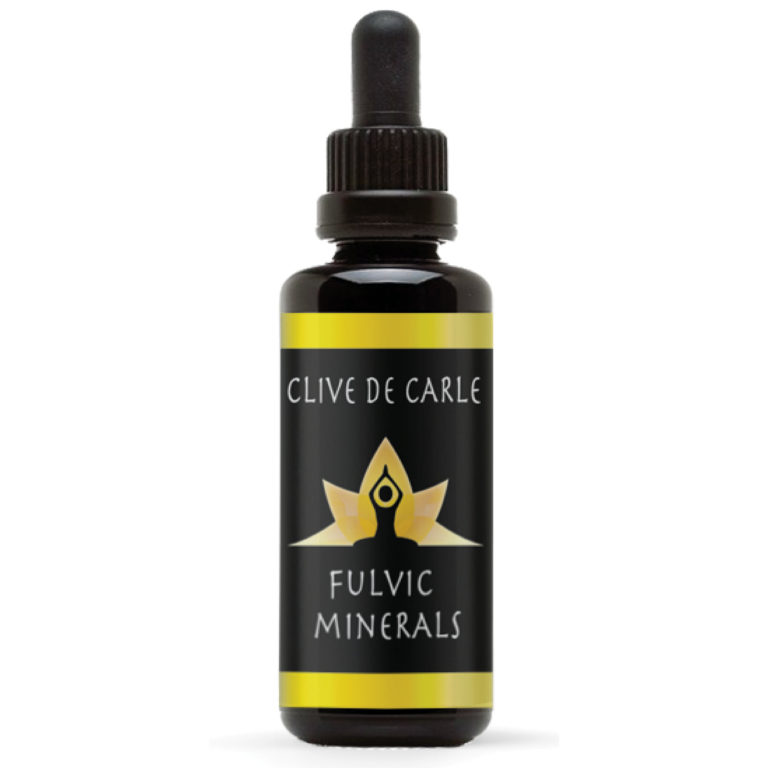
Fulvic Minerals – Natural Rare Earth Minerals. The essential trace elements missing from modern processed foods.
Energy Blend Supports

Clean Slate – Detoxes thousands of chemicals,heavy metals, pesticides, allergens, mold spores and fungus
INNERSTANDING may earn a commission on purchases made through these links. All products are selected based on rigorous educational relevance to our biological research.
RABBIT HOLE
Follow the biological thread deeper