
More Than Tinnitus: The Systemic Toll of Occupational Sound Exposure
Published April 2026
Reveals how occupational noise goes beyond hearing loss to trigger systemic oxidative stress, insulin resistance, and metabolic syndrome.
Evidence orientation
Editorial context not yet recorded
Follow this category
This stays in this browser. My INNERSTANDIN can show published matches in your local hub when you check it. It does not send email, push, or alert notifications.
Local learning review
A private browser aid for revisiting ideas. It is not an alert or a health recommendation.
Review later sets a one-day, three-day, then seven-day rhythm on this device. Choose it only when you want to revisit this article.
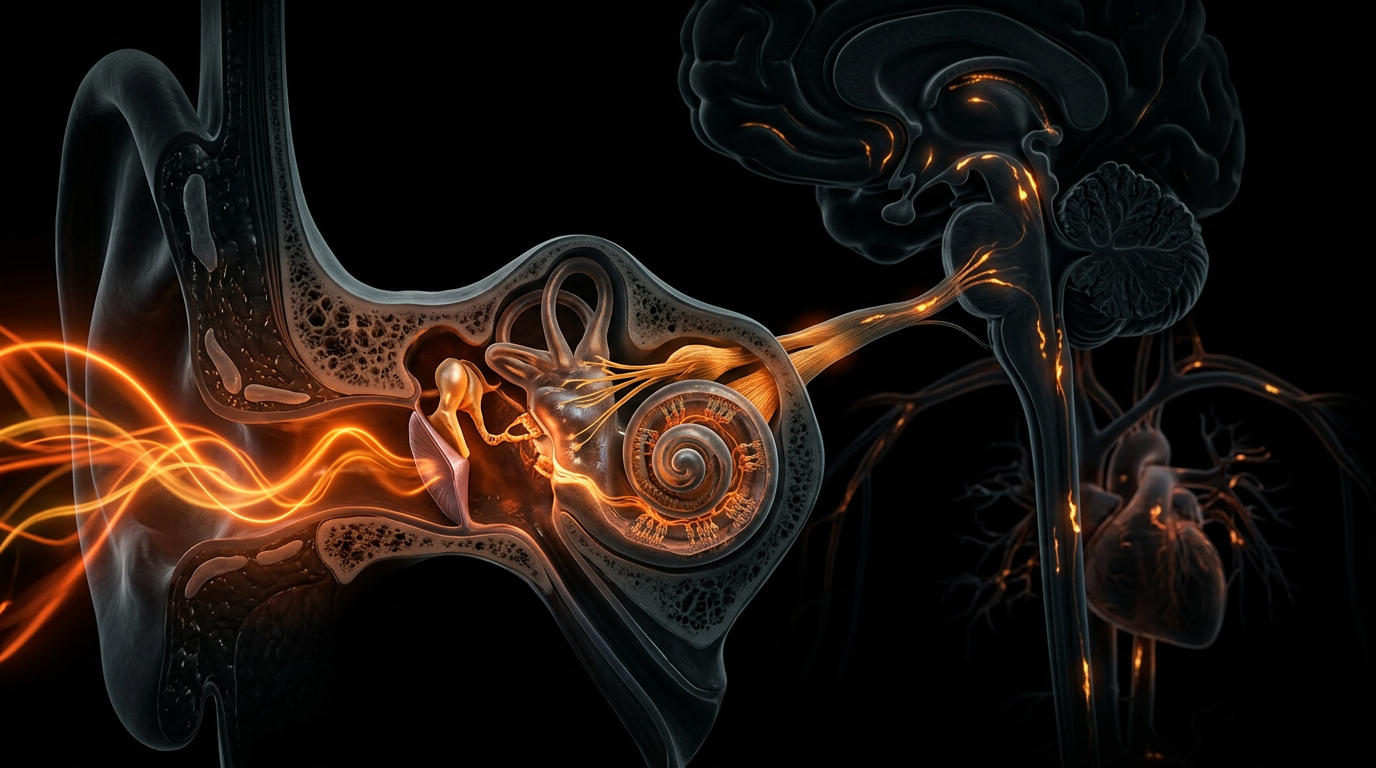
Occupational health standards in the UK focus heavily on decibel thresholds to prevent hearing loss, yet they largely ignore the systemic metabolic consequences of chronic sound exposure. The investigative reality is that the ear is a portal to the entire metabolic system. When the cochlea is subjected to high-intensity sound, the metabolic demand of the hair cells sky-rockets, leading to localized mitochondrial exhaustion. However, the story does not end in the inner ear. Section 1: The Cochlear-Systemic Link and Oxidative Stress.
High-intensity sound triggers the release of glutamate in the synaptic clefts of the cochlea. When this release is excessive, it causes excitotoxicity, leading to the formation of free radicals. These reactive oxygen species do not remain localized; they enter the systemic circulation. For the health-literate, this represents a significant source of systemic oxidative stress that can damage distant organs. This explains the observed link between noisy work environments and elevated markers of systemic inflammation, such as C-reactive protein (CRP), even when hearing protection is used to prevent auditory damage.
Section 2: Noise as a Metabolic Disruptor and Insulin Resistance. Perhaps the most overlooked aspect of noise pollution is its impact on glucose metabolism. Chronic noise exposure induces a state of chronic sympathetic activation, which stimulates the release of glucagon and inhibits insulin secretion. Over time, the persistent elevation of cortisol—the 'stress' hormone—promotes abdominal fat storage and reduces insulin sensitivity in peripheral tissues. Epidemiological studies in Europe have shown a clear dose-response relationship between noise exposure and the risk of Type 2 Diabetes.
Mainstream medicine continues to focus on diet and exercise as the sole drivers of metabolic health, but without addressing the 'acoustic stress' component, many patients remain resistant to traditional interventions. Section 3: The Failure of Standard Protection. Traditional foam earplugs may reduce the decibel load on the eardrum, but they do nothing to mitigate the bone-conduction of sound or the systemic vibration that triggers the stress response. A holistic approach to occupational noise involves both high-quality hearing protection and 'metabolic buffering' through the use of antioxidants like magnesium, N-acetylcysteine (NAC), and Vitamin E, which have been shown in clinical trials to reduce the oxidative damage caused by sound. Addressing noise as a metabolic toxin, rather than just an auditory one, is essential for long-term health in industrial and high-density urban settings.
This article is provided for informational and educational purposes only. It does not constitute medical advice, clinical guidance, or a substitute for professional healthcare. Information reflects cited research at time of publication. Always consult a qualified healthcare professional before acting on any health information.
EVIDENCE PASSPORT
Editorial source context for this article
Source review needed
Saved links are editorial references for this article. They may support specific claims rather than every sentence. Open and assess each source in context. This passport does not independently verify them.
Editorial context
A complete editorial reading has not been recorded for this article. Source links remain available for you to open and assess directly.
Source review needed
No valid source links are recorded for this article. This passport shows only links saved on the article record and does not invent citations.
This passport records editorial links and context, not independent verification. Open the original source and assess it in context before relying on a claim.
Medical Disclaimer
The information in this article is for educational purposes only and does not constitute medical advice, diagnosis, or treatment. Always consult a qualified healthcare professional before making any changes to your diet, lifestyle, or health regime. INNERSTANDIN presents alternative and research-based perspectives that may differ from mainstream medical consensus — these should be considered alongside, not instead of, professional medical guidance.
Read Full DisclaimerContinue the thread
Keep this question moving.
Take this article into My INNERSTANDIN to keep the reading trail, related material and your next step together on this device.
Explore this in the Body Map
See where this hits your biology. Interactive anatomy, threats, and protective protocols.
Dig deeper in the Library
Free, longform PDF volumes that go beyond headlines into mechanisms and references.