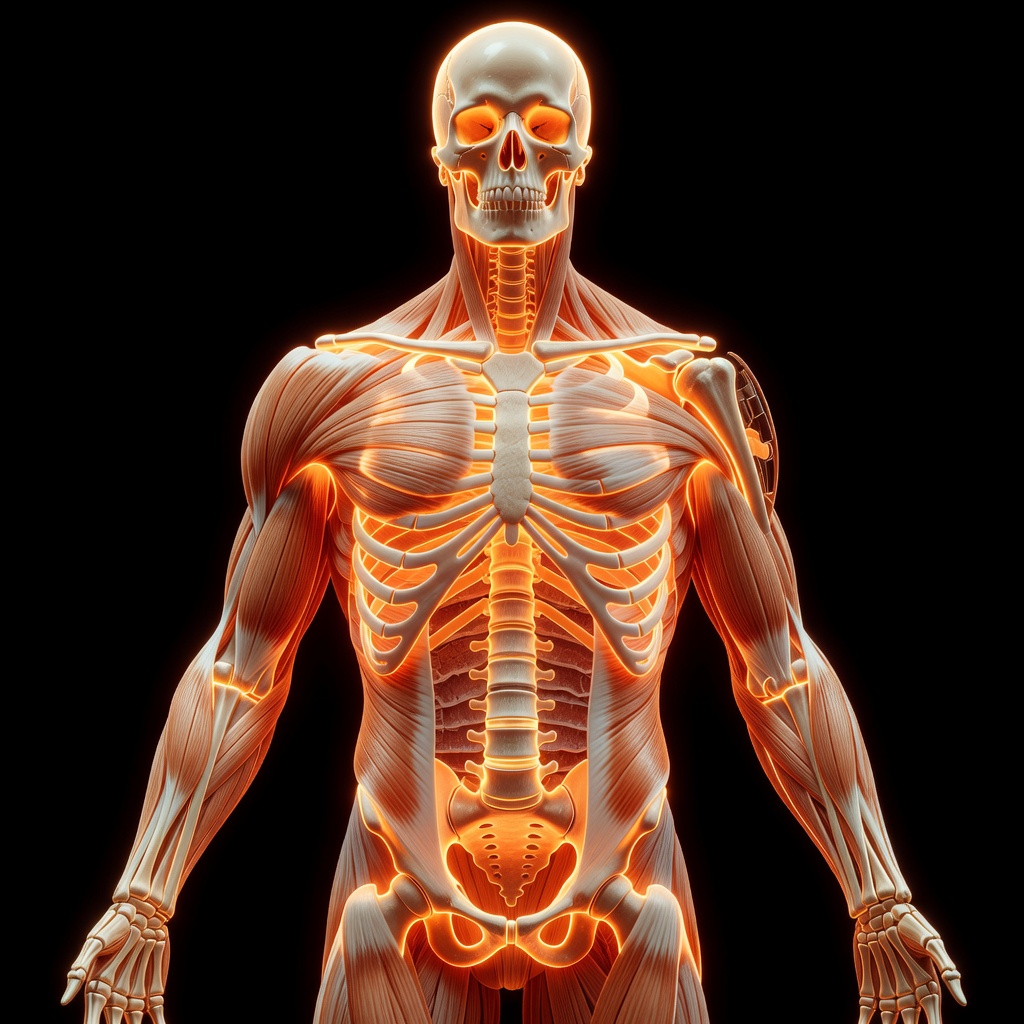
Synergistic Effects of Formaldehyde and Particulate Matter on T-helper 2 Polarised Immune Responses
This comprehensive analysis explores how the co-exposure of indoor formaldehyde and particulate matter acts as a potent catalyst for Th2-mediated allergic inflammation, shifting the body's immune balance and driving the rise of chronic respiratory conditions.

# Synergistic Effects of Formaldehyde and Particulate Matter on T-helper 2 Polarised Immune Responses ## Introduction: The Indoor Chemical Soup In the modern era, the average person in the United Kingdom spends approximately 90% of their time indoors. While we often view our homes and workplaces as sanctuaries, they are frequently concentrated environments of chemical and physical pollutants. Among the most pervasive of these are formaldehyde (HCHO) and particulate matter (PM). Historically, toxicology has focused on the effects of these pollutants in isolation. However, emerging research from the fields of environmental immunology and molecular biology reveals a far more concerning reality: when formaldehyde and particulate matter coexist, they do not merely add their effects together; they multiply them.
This synergistic interaction is a primary driver of T-helper 2 (Th2) polarised immune responses,
the biological foundation
of the modern allergy and asthma epidemic. ## Defining the Players: Formaldehyde and Particulate Matter Formaldehyde is a colourless, pungent gas widely used in the manufacture of building materials, household products, and textiles. In UK housing, it is commonly emitted from urea-formaldehyde resins found in particleboard, medium-density fibreboard (MDF), and certain types of insulation. It is a highly reactive volatile organic compound (VOC) that acts as a potent irritant to the mucous membranes. Particulate matter, specifically PM2.5 (particles smaller than 2.5 micrometres), consists of microscopic solids or liquid droplets that are small enough to be inhaled deep into the lungs. In the indoor environment, PM is generated by cooking, heating (especially wood-burning stoves), tobacco smoke, and the infiltration of outdoor traffic pollution.
While formaldehyde primarily targets the upper respiratory tract, PM can penetrate the alveolar regions, carrying with it a variety of adsorbed chemicals. ## The Mechanism of Synergy: The 'Carrier Effect' The synergy between HCHO and PM begins with a physical interaction known as the 'carrier effect'. Particulate matter, particularly carbonaceous soot particles, possesses a high surface area and porous structure. In environments where formaldehyde concentrations are elevated, the HCHO molecules adsorb onto the surface of the PM. When these particles are inhaled, they serve as a delivery vehicle, transporting formaldehyde deep into the pulmonary system—areas it might not reach as easily in its gaseous state alone. This deep penetration allows for a more intense and localised exposure of the bronchial epithelium and resident immune cells to the reactive properties of formaldehyde.
This combined assault triggers a robust inflammatory cascade that far exceeds the response elicited by either pollutant independently. ## Th2 Polarisation: The Biological Turning Point To understand the health implications of this synergy, we must look at the adaptive immune system, specifically the balance between T-helper 1 (Th1) and T-helper 2 (Th2) cells. In a healthy state, Th1 cells typically handle intracellular pathogens like viruses and bacteria, while Th2 cells coordinate the response against larger parasites. However, when the immune system becomes 'Th2 polarised' in response to environmental triggers, it leads to the overproduction of specific cytokines (signalling proteins) such as Interleukin-4 (IL-4), IL-5, and IL-13. This Th2 shift is the hallmark of allergic disease. Research indicates that the combination of formaldehyde and PM acts as a powerful adjuvant for Th2 polarisation.
Formaldehyde modifies proteins in the airway lining, creating 'neo-antigens'—foreign-looking structures that the immune system interprets as threats. Simultaneously, PM induces the release of 'alarmins' (such as TSLP and IL-33) from damaged epithelial cells. These alarmins instruct dendritic cells to promote the differentiation of naive T-cells into Th2 cells rather than Th1 cells. The result is a system primed for allergy, leading to increased IgE production and eosinophilic inflammation. ## Oxidative Stress: The Common Denominator At the root of this synergistic damage is oxidative stress. Both formaldehyde and PM are known to induce the production of Reactive Oxygen Species (ROS) within the lung tissue.
Formaldehyde depletes intracellular glutathione, the body's primary antioxidant, leaving cells vulnerable. Particulate matter, often containing transition metals and polycyclic aromatic hydrocarbons (PAHs), generates ROS directly through redox cycling. When combined, these pollutants overwhelm the cell's antioxidant defences. This oxidative stress activates sensitive transcription factors, most notably NF-κB (nuclear factor kappa-light-chain-enhancer of activated B cells). Once activated, NF-κB migrates to the nucleus and triggers the expression of pro-inflammatory genes.
This pathway is crucial because it creates a self-perpetuating cycle: oxidative stress drives inflammation, which in turn generates more oxidative stress, further entrenching the Th2-dominant immune profile. ## Root-Cause Focus: Why Symptom Management Fails In the clinical management of asthma and allergic rhinitis, the standard of care often involves corticosteroids and antihistamines. While these medications are effective at suppressing the inflammatory symptoms, they do not address the underlying environmental drivers. If a patient remains in an environment with high 'off-gassing' from MDF furniture and poor ventilation that traps PM2.5, the Th2 polarisation remains active. To achieve true health, we must move toward root-cause resolution. This involves 'Source Control'—the removal of formaldehyde-emitting materials and the reduction of PM-generating activities.
In the UK, where older housing stock often suffers from poor ventilation (compounded by 'air-tight' energy efficiency measures that lack mechanical ventilation), the concentration of these synergistic pollutants can reach dangerous levels. Improving Indoor Air Quality (IAQ) through source elimination and high-efficiency particulate air (HEPA) filtration is not just an aesthetic choice; it is a fundamental immunological necessity. ## Conclusion: A Call for Systemic Change The synergistic effect of formaldehyde and particulate matter represents a significant but often overlooked threat to public health. By driving Th2 polarised immune responses, these pollutants are actively reshaping the human immune system, contributing to the rising prevalence of chronic inflammatory diseases. As we continue to build and renovate our indoor spaces, we must prioritise the use of formaldehyde-free materials and robust ventilation systems. Education at the intersection of toxicology and immunology is the first step in reclaiming our indoor environments and protecting the biological integrity of future generations.
Understanding that 1+1 equals 3 in the world of indoor pollution allows us to take the necessary steps toward comprehensive environmental remediation.
This article is provided for informational and educational purposes only. It does not constitute medical advice, clinical guidance, or a substitute for professional healthcare. Information reflects cited research at time of publication. Always consult a qualified healthcare professional before acting on any health information.
RESEARCH FOUNDATIONS
Biological Credibility Archive
Citations provided for educational reference. Verify via PubMed or institutional databases.
Medical Disclaimer
The information in this article is for educational purposes only and does not constitute medical advice, diagnosis, or treatment. Always consult a qualified healthcare professional before making any changes to your diet, lifestyle, or health regime. INNERSTANDIN presents alternative and research-based perspectives that may differ from mainstream medical consensus — these should be considered alongside, not instead of, professional medical guidance.
Read Full DisclaimerReady to learn more?
Continue your journey through our classified biological research.
DISCUSSION ROOM
Members of THE COLLECTIVE discussing "Synergistic Effects of Formaldehyde and Particulate Matter on T-helper 2 Polarised Immune Responses"
SILENT CHANNEL
Be the first to discuss this article. Your insight could help others understand these biological concepts deeper.
RABBIT HOLE
Follow the biological thread deeper