
The Role of Formaldehyde in Epigenetic Dysregulation: Alterations in Histone Methylation Patterns
A comprehensive examination of how chronic formaldehyde exposure from building materials disrupts the epigenetic landscape, specifically focusing on the biochemical interference with histone methylation and its long-term health implications.
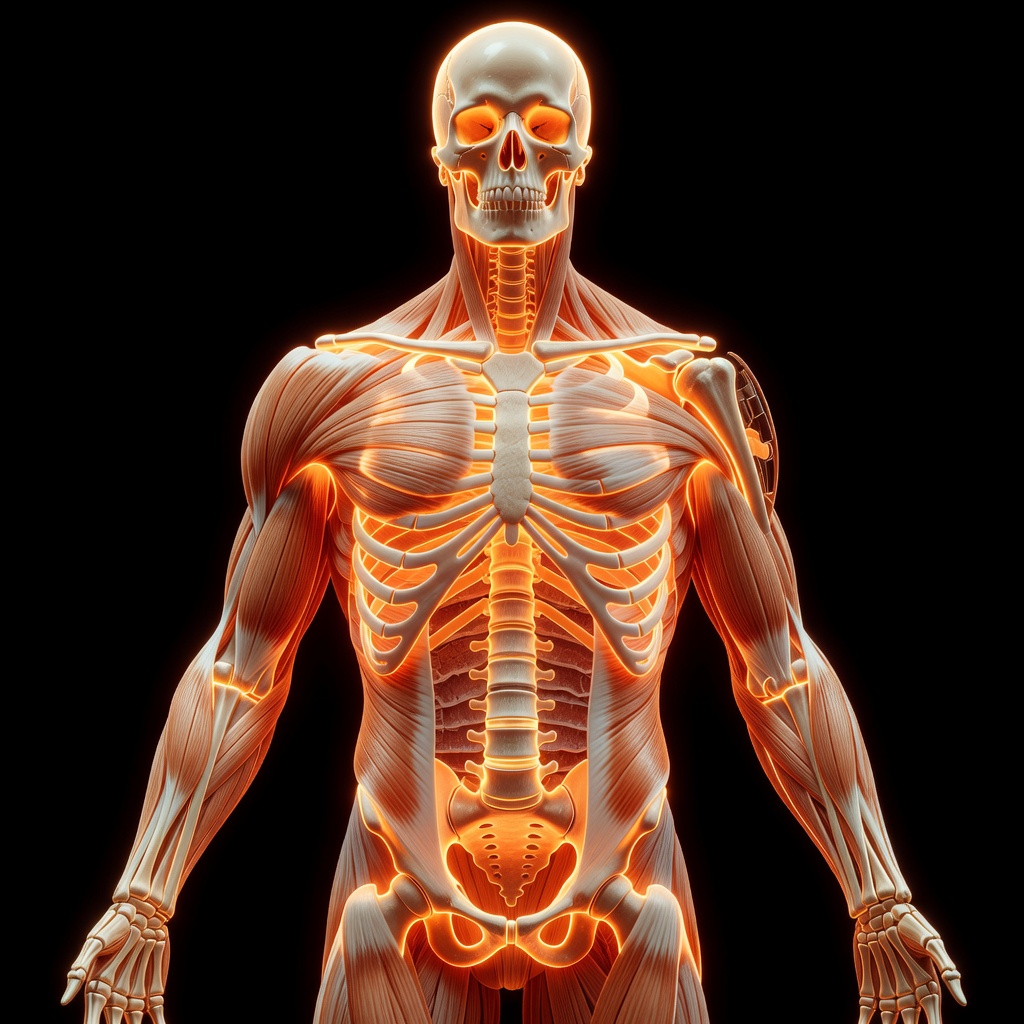
# The Role of Formaldehyde in Epigenetic Dysregulation: Alterations in Histone Methylation Patterns\n\n## Introduction\n\nFormaldehyde (CH2O) is one of the most pervasive volatile organic compounds (VOCs) in the modern built environment. Found in everything from medium-density fibreboard (MDF) and urea-formaldehyde resins to textile finishes and household cleaning agents, its prevalence is a cornerstone of industrial efficiency. Historically, the health discourse surrounding formaldehyde focused on acute irritation of the eyes and respiratory tract or its classification as a Group 1 carcinogen by the International Agency for Research on Cancer (IARC). However, emerging research in the field of molecular toxicology suggests a deeper, more insidious mode of action: epigenetic dysregulation. Specifically, formaldehyde has been shown to fundamentally alter histone methylation patterns, the biochemical 'switches' that govern gene expression without changing the underlying DNA sequence.\n\n## The Epigenetic Landscape and Histone Methylation\n\nTo understand how formaldehyde affects the body at a cellular level, one must first understand the epigenome.
DNA is not loosely packed within the nucleus; it is wound around proteins called histones. This DNA-protein complex is known as chromatin. The 'tails' of these histone proteins are subject to various chemical modifications, such as acetylation, phosphorylation, and methylation. Histone methylation—the addition of methyl groups to specific lysine or arginine residues—is a critical regulator of chromatin structure. Depending on which residue is methylated and how many methyl groups are added, the chromatin can either adopt an open, active state (euchromatin) or a tightly packed, silenced state (heterochromatin).
This system ensures that the right genes are expressed at the right time. When external stressors like formaldehyde interfere with these marks, the cellular 'software' is effectively corrupted.\n\n## Mechanism of Action: Direct Interaction with Histones\n\nFormaldehyde is a highly reactive electrophile. Its primary biochemical characteristic is its ability to form crosslinks between proteins and DNA (DPKs) or between different proteins. Because histones are rich in lysine and arginine—amino acids that are particularly susceptible to formaldehyde-induced carbonylation and crosslinking—they are primary targets for formaldehyde’s reactive nature. When formaldehyde enters the cell, it can directly bind to the very sites on histone tails that are supposed to receive methyl groups.
This physical 'masking' prevents Histone Methyltransferases (HMTs) from performing their regulatory duties. Furthermore, the formation of formaldehyde-protein crosslinks can physically distort the histone octamer, making the DNA less accessible to the transcriptional machinery, regardless of the epigenetic signals present. This direct interference represents a root-cause disruption of cellular identity.\n\n## Disruption of Enzymatic Machinery\n\nBeyond direct physical interference, formaldehyde disrupts the enzymatic balance that maintains the epigenome. The process of histone methylation is dynamic, managed by 'writers' (methyltransferases) and 'erasers' (demethylases). Studies have shown that formaldehyde exposure can lead to a significant decrease in the activity of specific methyltransferases, such as EZH2 (which handles H3K27 methylation) or MLL (which handles H3K4 methylation).
Simultaneously, formaldehyde may increase the expression of histone demethylases, leading to a global loss of critical methylation marks. This dual impact creates a state of 'epigenetic instability.' For example, the loss of the H3K4me3 mark—a hallmark of active promoters—can lead to the silencing of essential tumour-suppressor genes. Conversely, the loss of repressive marks like H3K27me3 can lead to the inappropriate activation of oncogenes or pro-inflammatory pathways.\n\n## Specific Alterations: H3K4, H3K9, and H3K27\n\nResearch indicates that formaldehyde has a particular affinity for disrupting methylation on Histone H3. Three specific sites are of paramount concern:\n\n1. H3K4 (Lysine 4): Methylation at H3K4 is generally associated with transcriptional activation. Formaldehyde exposure has been linked to a reduction in H3K4me3 levels, particularly in genes associated with immune response and DNA repair.
This reduction weakens the cell's ability to respond to further toxicological stress.\n\n2. H3K9 (Lysine 9): H3K9 methylation is essential for the formation of heterochromatin and the silencing of repetitive DNA elements. Formaldehyde-induced loss of H3K9me3 can lead to 'genomic noise,' where segments of the genome that should be silenced are inadvertently transcribed, leading to chromosomal instability.\n\n3. H3K27 (Lysine 27): This mark is a key regulator of developmental genes. Dysregulation of H3K27me3 is a known factor in various cancers and neurodevelopmental disorders. Formaldehyde has been shown to alter the distribution of this mark, potentially explaining its link to both leukaemia and certain cognitive impairments observed in high-exposure cohorts.\n\n## Root Causes: Formaldehyde in Buildings and Products\n\nThe reason formaldehyde is such a significant public health concern is its ubiquity in indoor air. Modern homes and offices are increasingly airtight to improve energy efficiency, but this often leads to the accumulation of VOCs.
The root cause of exposure is often found in the specification of construction materials. Urea-formaldehyde (UF) resins, commonly used in particleboard, plywood, and laminate flooring, undergo hydrolysis over time, especially in humid conditions, releasing formaldehyde gas into the breathing zone for years after installation. At INNERSTANDING, we emphasise the 'Precautionary Principle.' The biochemical evidence suggests that there is no truly 'safe' level of exposure when it comes to epigenetic reprogramming; even low-level, chronic exposure can shift the histone landscape over a lifetime. This is particularly concerning for children, whose epigenetic markers are in a state of flux during development.\n\n## Health Implications: From Asthma to Cancer\n\nThe downstream effects of histone methylation changes are profound. In the context of respiratory health, formaldehyde-induced epigenetic shifts can prime the immune system to overreact to allergens, explaining the correlation between 'Sick Building Syndrome' and the rise in adult-onset asthma.
In terms of oncogenesis, the silencing of DNA repair genes through histone modification means that any DNA damage caused by formaldehyde—or other environmental toxins—is more likely to result in permanent mutations. This 'multi-hit' model of toxicity positions formaldehyde not just as a direct mutagen, but as an epigenetic facilitator of disease, lowering the threshold for other environmental insults to cause harm.\n\n## Mitigating the Risk in the Built Environment\n\nAddressing the root cause requires a two-pronged approach: source control and enhanced ventilation. Building occupants and developers should prioritise 'NAF' (No Added Formaldehyde) or 'ULEF' (Ultra-Low Emitting Formaldehyde) certified products. Furthermore, the use of photocatalytic oxidation (PCO) air purifiers and certain indoor plants can help reduce VOC concentrations, though they are secondary to source removal. The most effective long-term strategy remains the transition toward bio-based, non-toxic binders in the manufacturing of wood products and textiles.
Understanding the epigenetic impact of these materials allows for more informed choices in both home renovation and new-build construction.\n\n## Conclusion\n\nThe role of formaldehyde in epigenetic dysregulation marks a significant shift in our understanding of environmental health. It is no longer enough to measure toxicity by immediate physical symptoms or acute thresholds. We must consider the long-term, potentially heritable, and systemic changes that occur at the level of the histone tail. By disrupting the delicate balance of histone methylation, formaldehyde doesn't just irritate the lungs; it rewrites the regulatory code of our cells. As we continue to inhabit increasingly synthetic environments, acknowledging and mitigating this epigenetic risk is essential for safeguarding human health at its most foundational level.
This article is provided for informational and educational purposes only. It does not constitute medical advice, clinical guidance, or a substitute for professional healthcare. Information reflects cited research at time of publication. Always consult a qualified healthcare professional before acting on any health information.
RESEARCH FOUNDATIONS
Biological Credibility Archive
Citations provided for educational reference. Verify via PubMed or institutional databases.
Medical Disclaimer
The information in this article is for educational purposes only and does not constitute medical advice, diagnosis, or treatment. Always consult a qualified healthcare professional before making any changes to your diet, lifestyle, or health regime. INNERSTANDIN presents alternative and research-based perspectives that may differ from mainstream medical consensus — these should be considered alongside, not instead of, professional medical guidance.
Read Full DisclaimerReady to learn more?
Continue your journey through our classified biological research.
DISCUSSION ROOM
Members of THE COLLECTIVE discussing "The Role of Formaldehyde in Epigenetic Dysregulation: Alterations in Histone Methylation Patterns"
SILENT CHANNEL
Be the first to discuss this article. Your insight could help others understand these biological concepts deeper.